

`rocket` Related Article Results

Unity 25
Unity 25, conducted by Virgin Galactic on May 25, 2023, was the company’s final crewed test flight before the start of commercial space travel. As the 25th flight of the VSS Unity spaceplane, the mission was named “Unity 25.” This operation held significant value for validating technical systems and astronaut training. Additionally, the mission symbolized inclusivity and diversity, with crew members representing various technical and cultural backgrounds. Mission Objectives The main objectives o
EN
Hikmet Can Urhan
TEKNOFEST Rocket Competition
The Rocket Competition, organized under the leadership of TEKNOFEST and ROKETSAN, is a platform designed to increase young generations’ interest in space technologies, develop their skills, familiarize them with professional design processes, and encourage research into future technologies. It also aims to raise public awareness in the fields of aerospace and technology and to support interested youth. Competition Content The TEKNOFEST Rocket Competition consists of two main categories—Group A a
EN
Gizem Karabacak
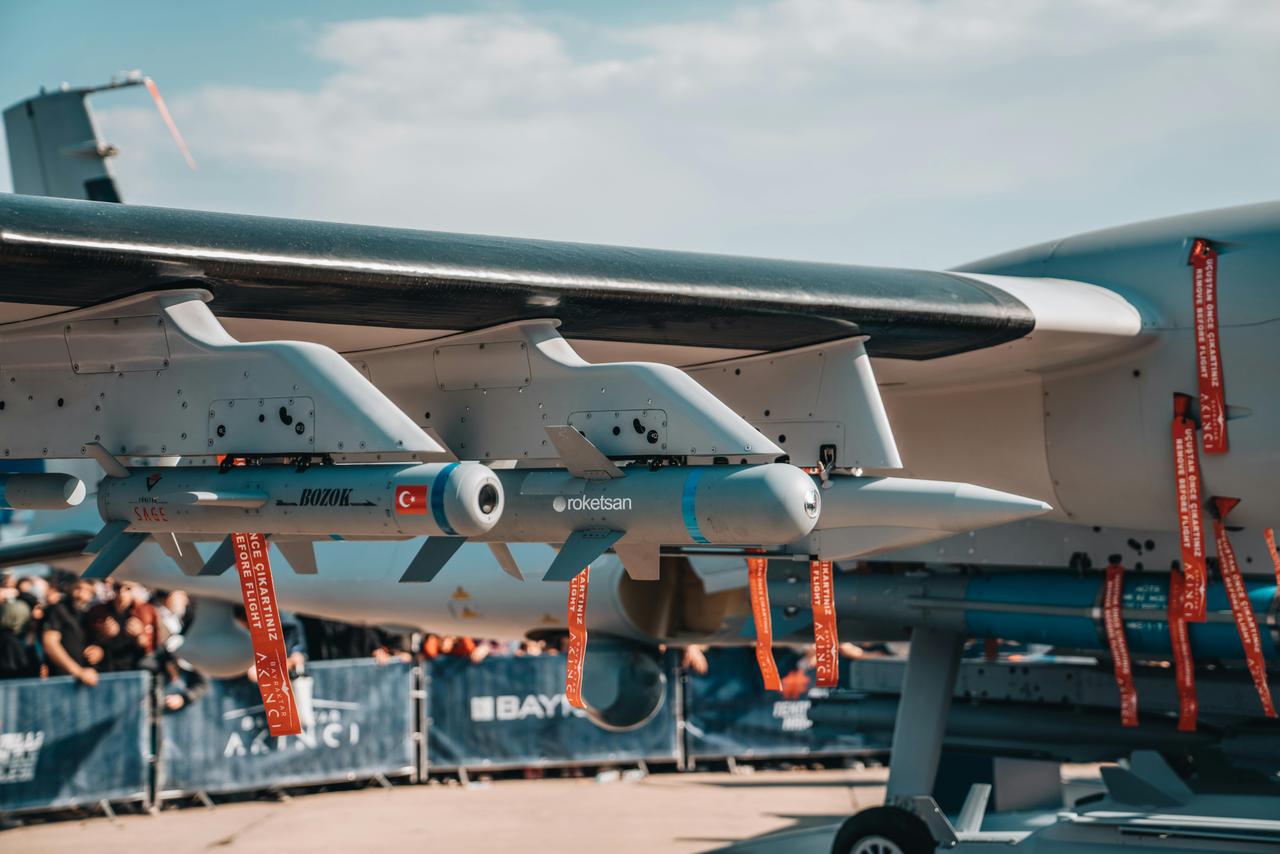
Rocket and Missile Systems
Rocket and missile systems are weapon systems of high strategic importance within modern defense industries, typically capable of reaching targets at long ranges and high speeds. Although both systems are based on similar technological principles, they differ functionally. Rockets are generally unguided, while missiles are guided systems capable of homing in on targets. Rocket is a propulsion vehicle that carries its own fuel and moves through thrust force along a predetermined trajectory. Rocke
EN
Kaan Kutay Duran
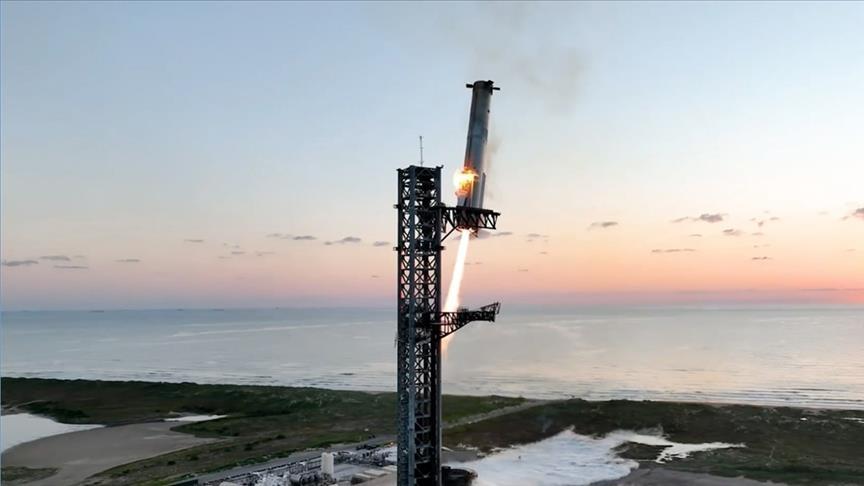
SpaceX Starship
SpaceX Starship is a fully reusable super heavy-lift launch vehicle and spacecraft system developed by the American aerospace company SpaceX. It is designed to enable human travel to the Moon, Mars and beyond, as well as to transport cargo and crew into orbit. It is the largest and most powerful rocket system ever built. The system is configured for both cargo and crew missions and is based on the principle of full reusability. Technical Specifications and Design The Starship system is an integr
EN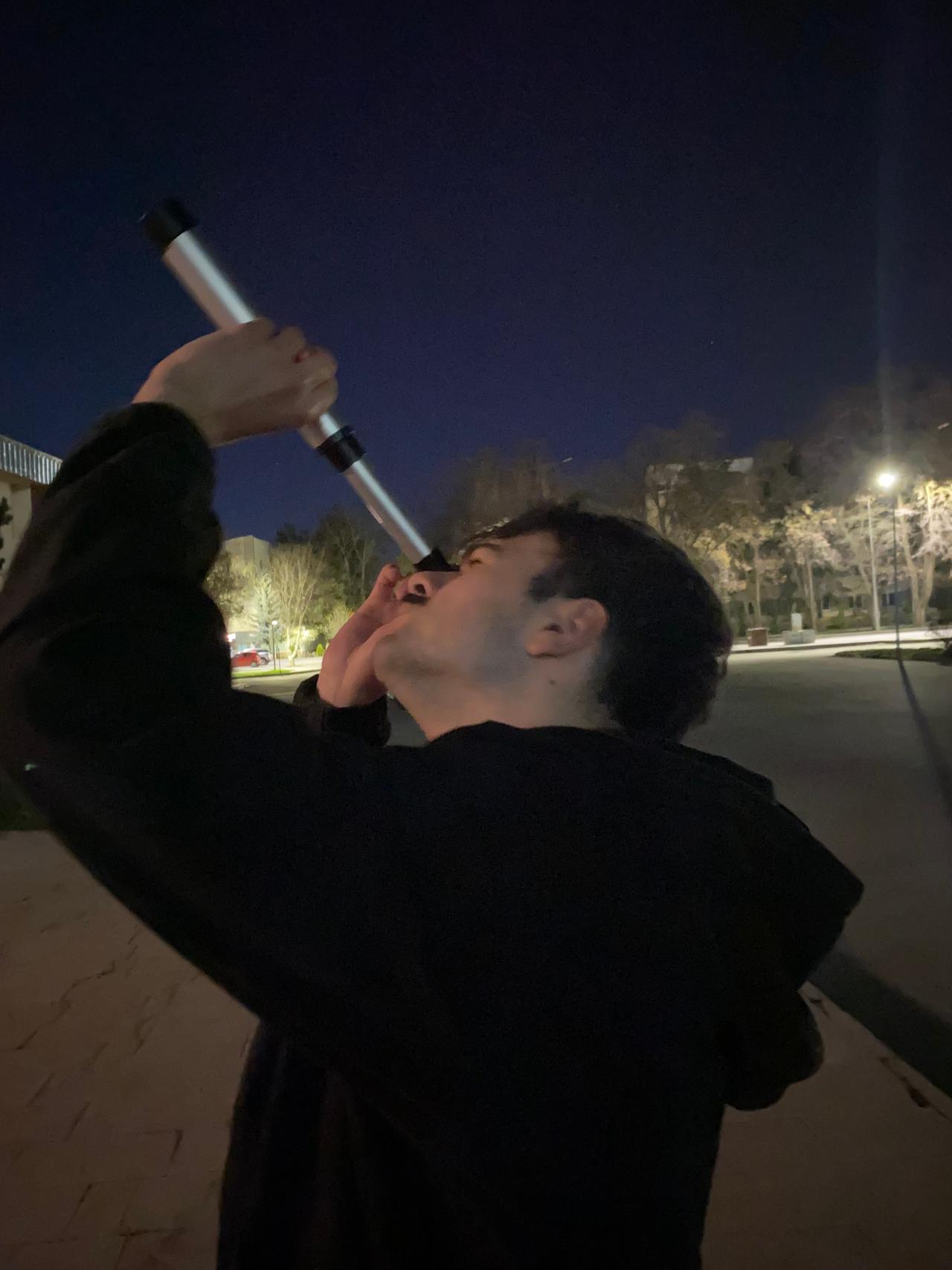
Aykut Laçın
NASA Artemis
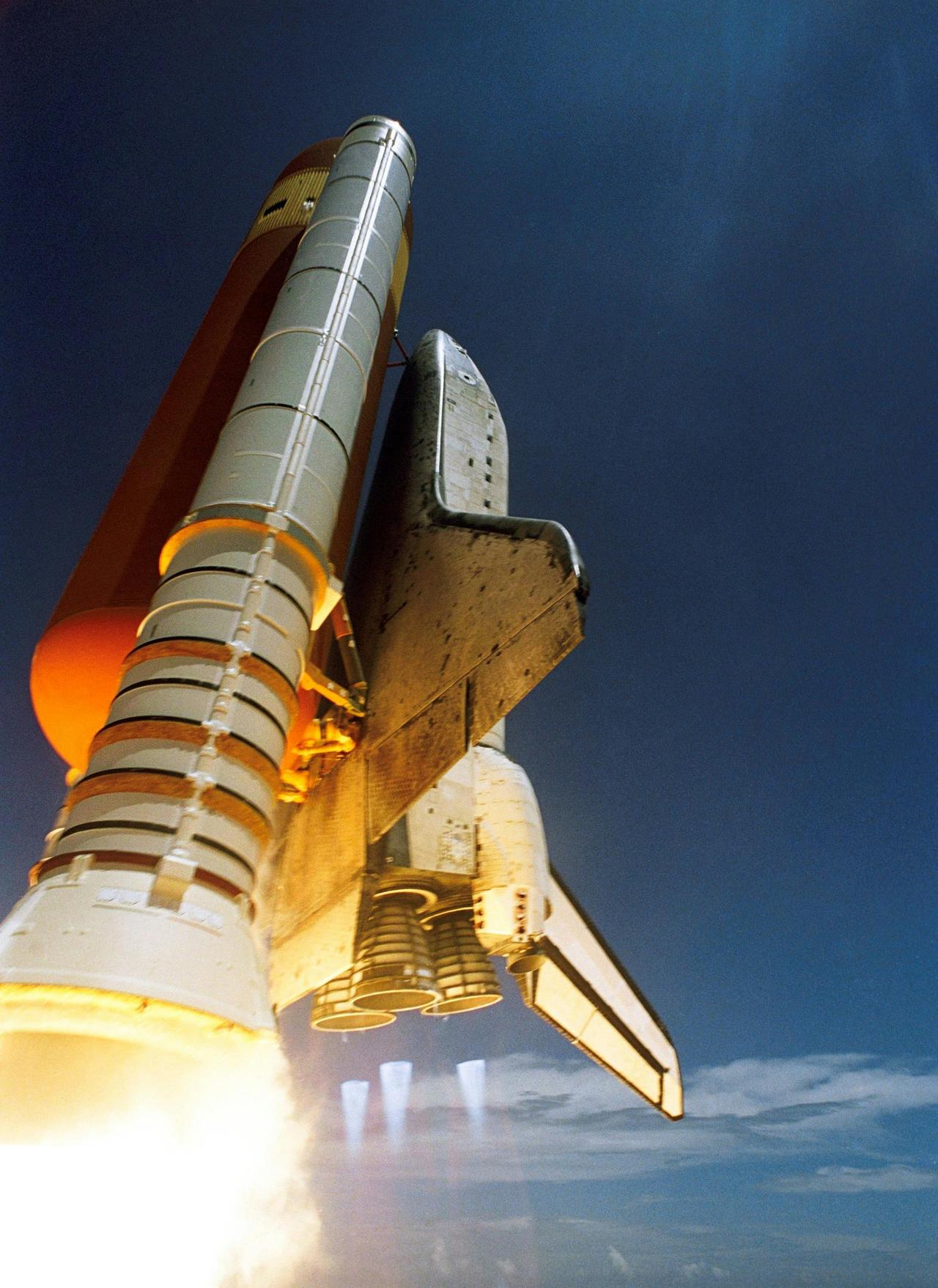
NASA’s Artemis program is an international space exploration initiative aimed at returning humanity to the lunar surface for the first time since the 1970s Apollo missions and establishing a permanent presence there. The program plans to use the Moon as a stepping stone and testing ground for future crewed missions to Mars. To this end, it seeks to build a sustainable exploration infrastructure through modern launch systems, deep space vehicles, and a station in lunar orbit. The program’s core p
ENAykut Laçın
Wernher Magnus Maximilian Freiherr von Braun
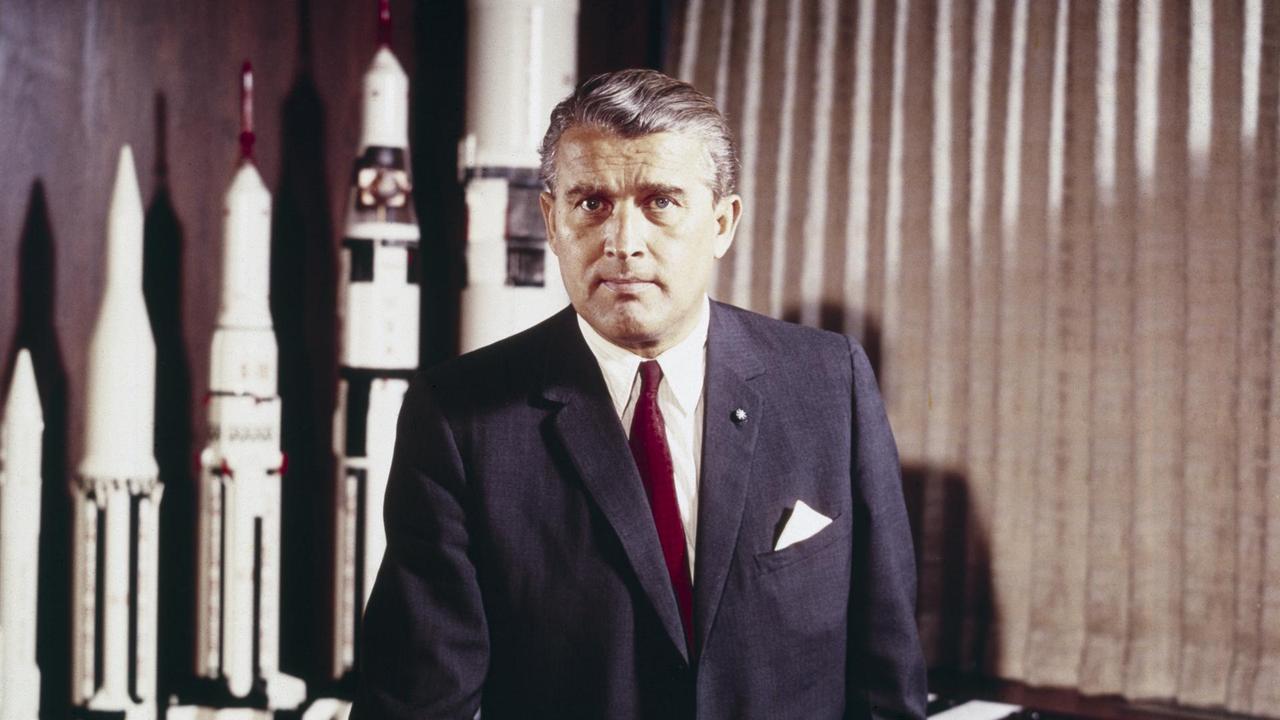
Wernher Magnus Maximilian Freiherr von Braun 23 March 1912, in the Prussian region of Germany, was born into an aristocratic family. His father, Baron Magnus von Braun, and his mother, descended from King Valdemar I of Denmark. In childhood, he began showing an interest in science, particularly space; he developed an interest in astronomy by observing stars through a telescope given to him by his mother. The young Wernher read works by science fiction authors such as Jules Verne and H.G. Wells a
EN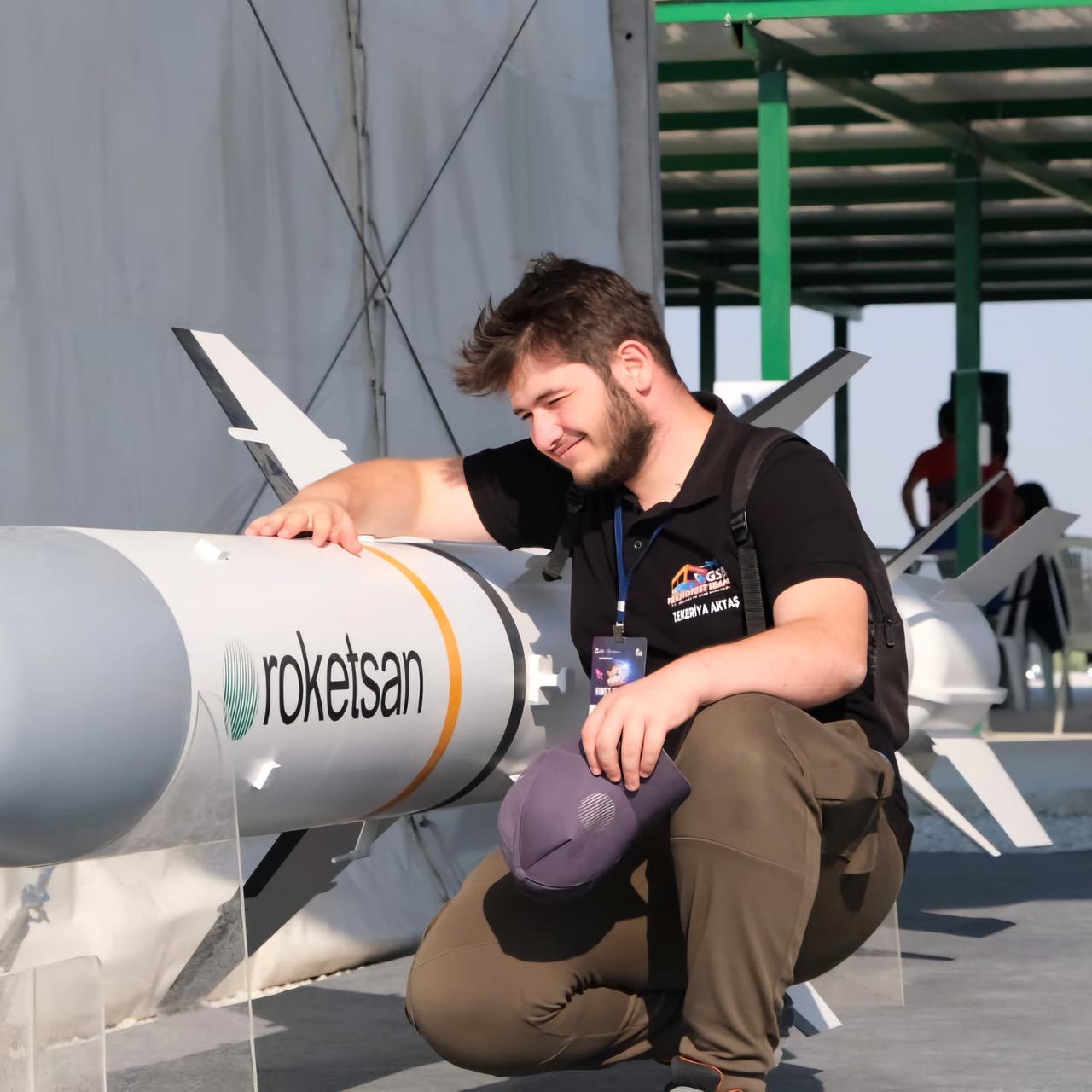
Zekeriya Aktaş
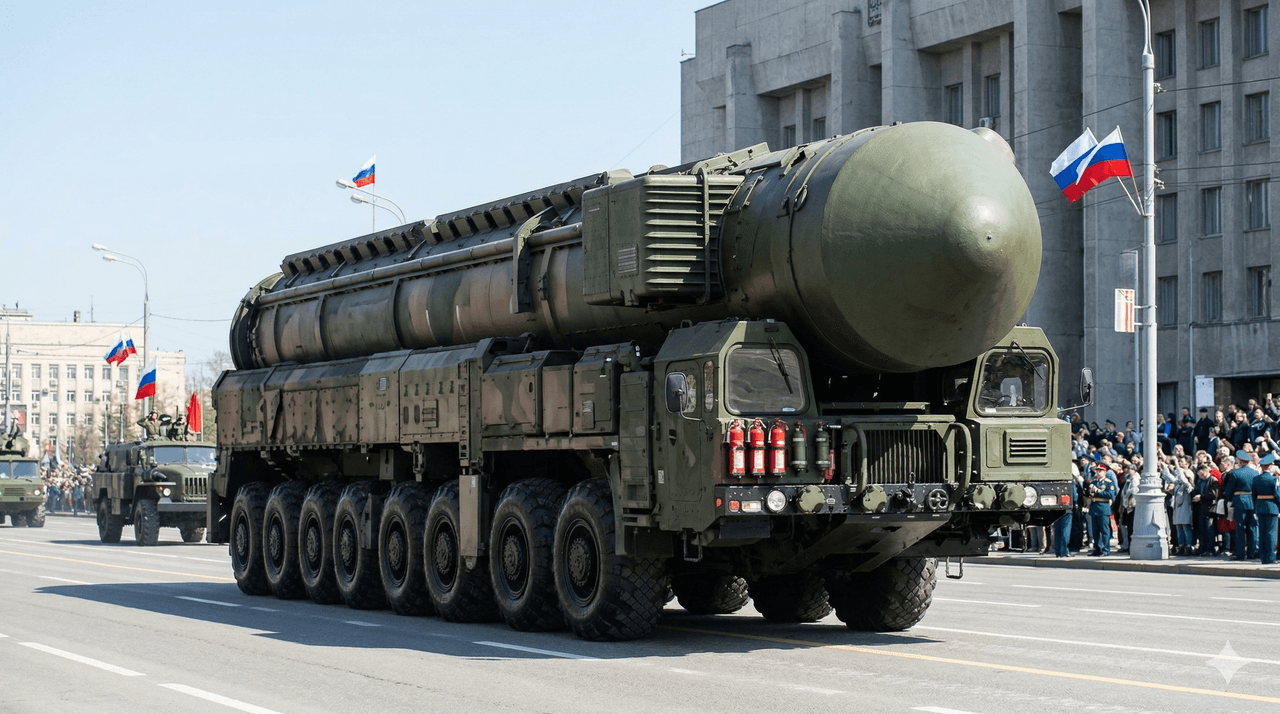
MIT Topol-M
RT-2PM2 Topol-M (NATO reporting name: SS-27 "Sickle B", Russian system designation: RT-2PM2 or RS-12M2), is the first intercontinental ballistic missile (ICBM) system fully designed and developed by the Russian Federation after the dissolution of the Soviet Union. Serving as a key element of the strategic deterrence doctrine, the system is based on a solid-fuel, three-stage propulsion architecture and has a range capacity of up to 11,000 kilometers.【1】 The primary motivation behind its developme
ENGöktuğ Buğra Çalışkan
Vefa Unmanned Systems Team (VİST)
Vefa Unmanned Systems Team (VIST) is a student technology team established in 2018 within Istanbul Technical University (İTÜ). The team focuses on unmanned systems, particularly in rocket technology and unmanned aerial vehicles (UAVs). Its founding purpose is to provide university students with hands-on experience in multidisciplinary engineering projects and to cultivate qualified human resources in defense, aerospace, and space technologies. The team derives its name from the Vefa neighborhood
EN
Sabiha Meyra Şahinler

Rockets and Launch Systems
Rockets are vehicles that propel themselves by expelling gas at high velocity, generated by burning their fuel under high temperature and pressure, in accordance with Newton’s third law of motion—the principle of action and reaction. Launch systems, on the other hand, are comprehensive infrastructures and technological components designed to deliver a payload—such as a satellite, scientific instrument, crewed capsule, or military system—to a specific orbit, region, or target. These systems play
EN
Sümeyye Akkanat Terzioğlu
Vefa Unmanned Systems Team (VİST)
Vefa Unmanned Systems Team (VİST) is a student technology team established in 2018 within Istanbul Technical University (İTÜ). The team focuses on unmanned systems, particularly in rocket technologies and unmanned aerial vehicles (UAVs). Its founding purpose is to provide university students with hands-on experience in multidisciplinary engineering projects and to cultivate qualified human resources in defense, aerospace, and space technologies. The team derives its name from the Vefa neighborho
EN
Sabiha Meyra Şahinler