

`mars` Related Article Results
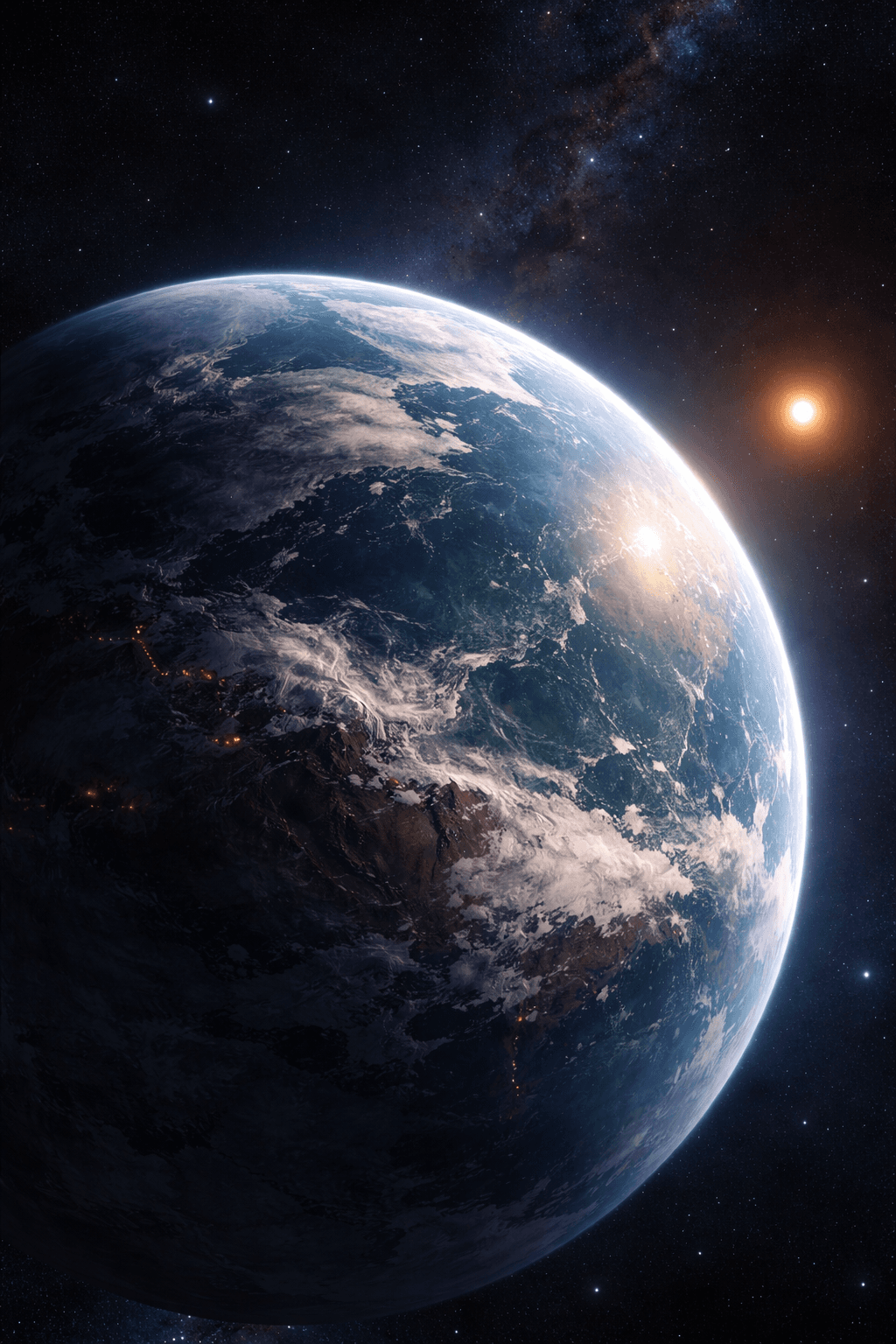
Potential Habitable Exoplanet HD 137010 b
Spatial research continues to expand our understanding of the universe each day. Recently, astronomers announced the discovery of a new planet located at a relatively close distance from World and possessing potential for habitability. This planet, named HD 137010 b, has attracted scientific interest due to its characteristics. How Close Is It to Earth? HD 137010 b is located approximately 146 light years from Earth. Its radius is only 6 percent larger than Earth’s, placing it very close to the
EN
Oksana Gülünay
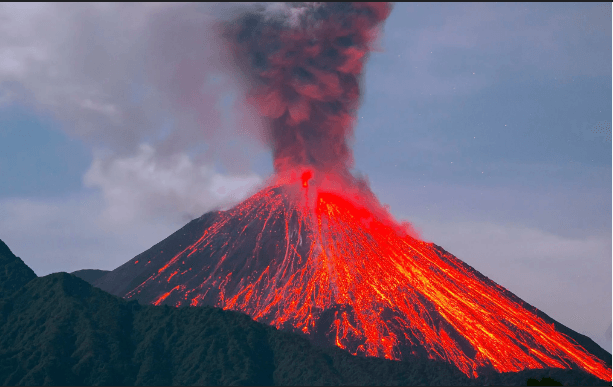
Volcanoes
Volcanoes are one of the most powerful and impressive natural phenomena on world’s surface. In fact, volcanic eruptions are the result of massive geological processes occurring deep within the Earth. Volcanoes form when molten rock, known as magma, beneath place’s crust rises to the surface. The erupted magma is called lava. When this lava explodes violently, it can destroy the surrounding plant cover, animals, and human settlements. However, volcanic eruptions also create new land, bring rich m
EN
Oksana Gülünay
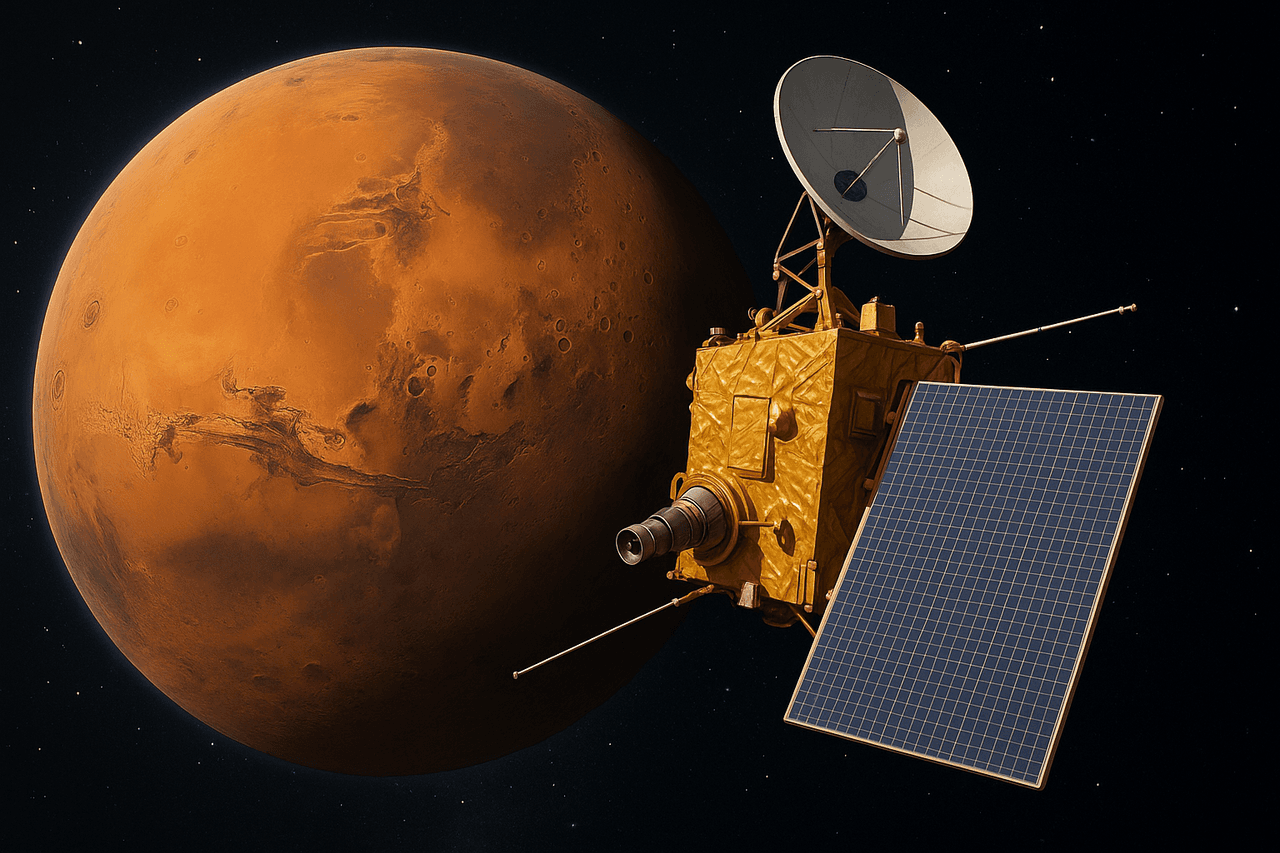
2001 Mars Odyssey
NASA’s 2001 Mars Odyssey mission played a key role in advancing our understanding of Mars by providing comprehensive data on the planet’s surface composition, the presence of water and its radiation environment. As the longest-operating spacecraft in Mars orbit, it has supported both scientific research and communication for other Mars missions. Mission Objectives and Technical Specifications The 2001 Mars Odyssey was launched on 7 April 2001 and successfully entered Mars orbit on 24 October 200
EN
Osman Özbay
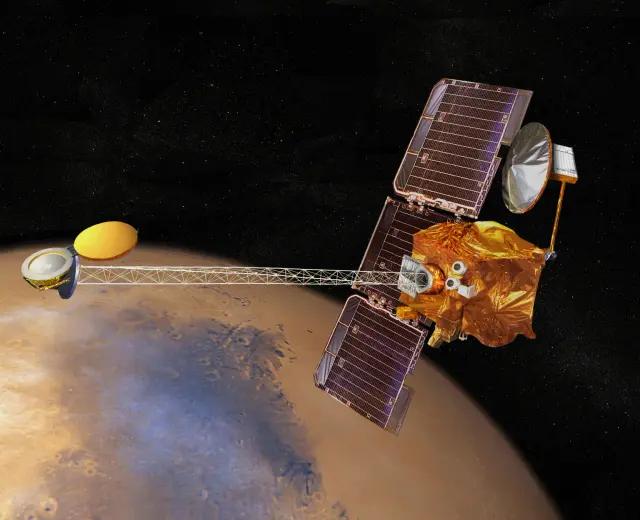
2001 Mars Odyssey
NASA's 2001 Mars Odyssey mission has played a significant role in understanding the Red Planet by providing comprehensive data on the surface composition, presence of water, and radiation environment of Mars. This orbiter holds the record as the longest-operating spacecraft around Mars, supporting both scientific research and communications for other Mars missions. Mission Objectives and Technical Specifications 2001 Mars Odyssey was launched on April 7, 2001, and successfully entered Martian or
ENOsman Özbay

Planet
Planets were once described as “wandering points of light” in the sky. At that time, people believed Earth was at the center of the universe. But as science advanced, telescopes were invented and astronomers made new discoveries. We now know that planets orbit a star, can vary in shape and size, and each moves along its own unique orbit. So why is a celestial body classified as a “planet”? Scientists spent years observing the sky to find the answer. Now I will share that answer with you—but don’
EN
Elif Laçin
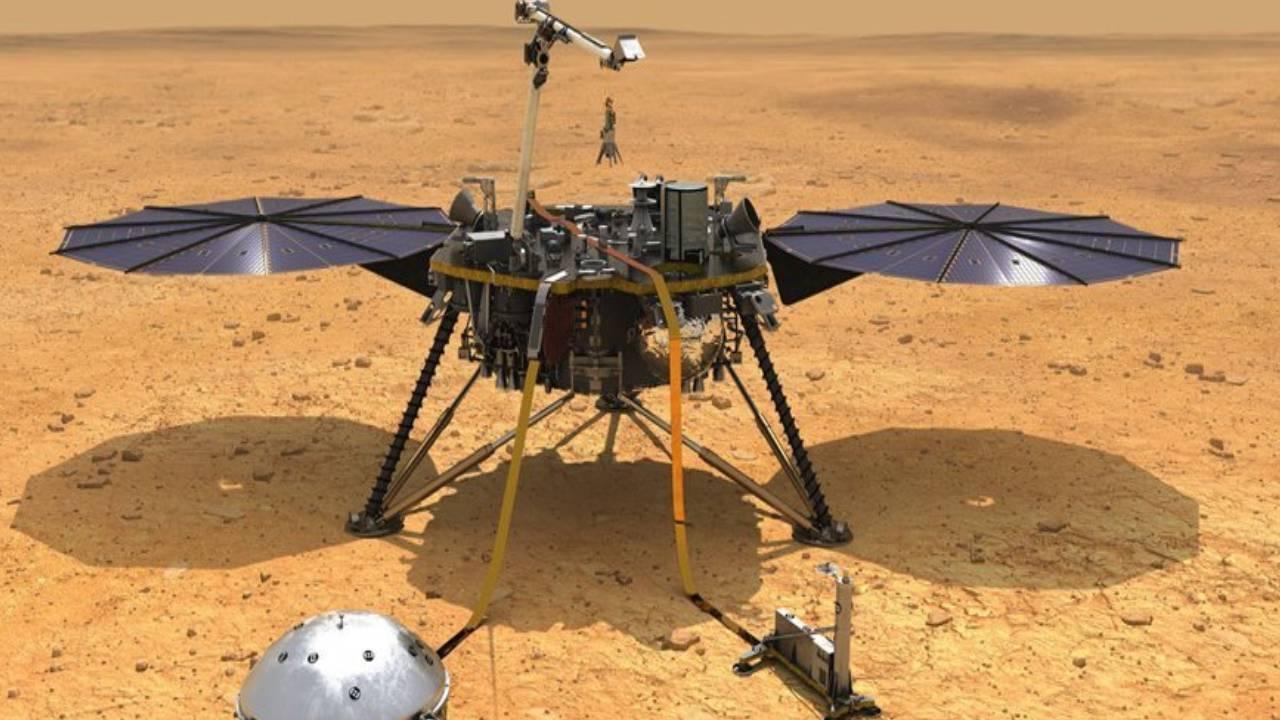
InSight Instrument
InSight (Interior Exploration using Seismic Investigations, Geodesy and Heat Transport) is a robotic NASA spacecraft designed to study the deep interior structure of Mars. InSight, the first rover specifically equipped to “look beneath” Mars’ surface, aimed to measure the planet’s vital signs—its pulse (seismology), temperature (heat flow), and reflexes (geodesy). Launched on 5 May 2018, the spacecraft successfully landed on Mars on 26 November 2018 and concluded its mission in December 2022. Sc
EN
Erhan Şencan

Space Travel
Space travel has gained significant momentum since the mid-20th century as a reflection of humanity's desire to understand and explore the universe. Chronological Development of Space Travel Space travel began in 1957 when the Soviet Union launched the satellite Sputnik 1 into space. This event is regarded as the beginning of the Space Age. Subsequently, in 1961, Yuri Gagarin became the first human to travel into space aboard the Vostok 1 spacecraft. In 1969, the USA landed Neil Armstrong and Bu
EN
Nisa Şahan
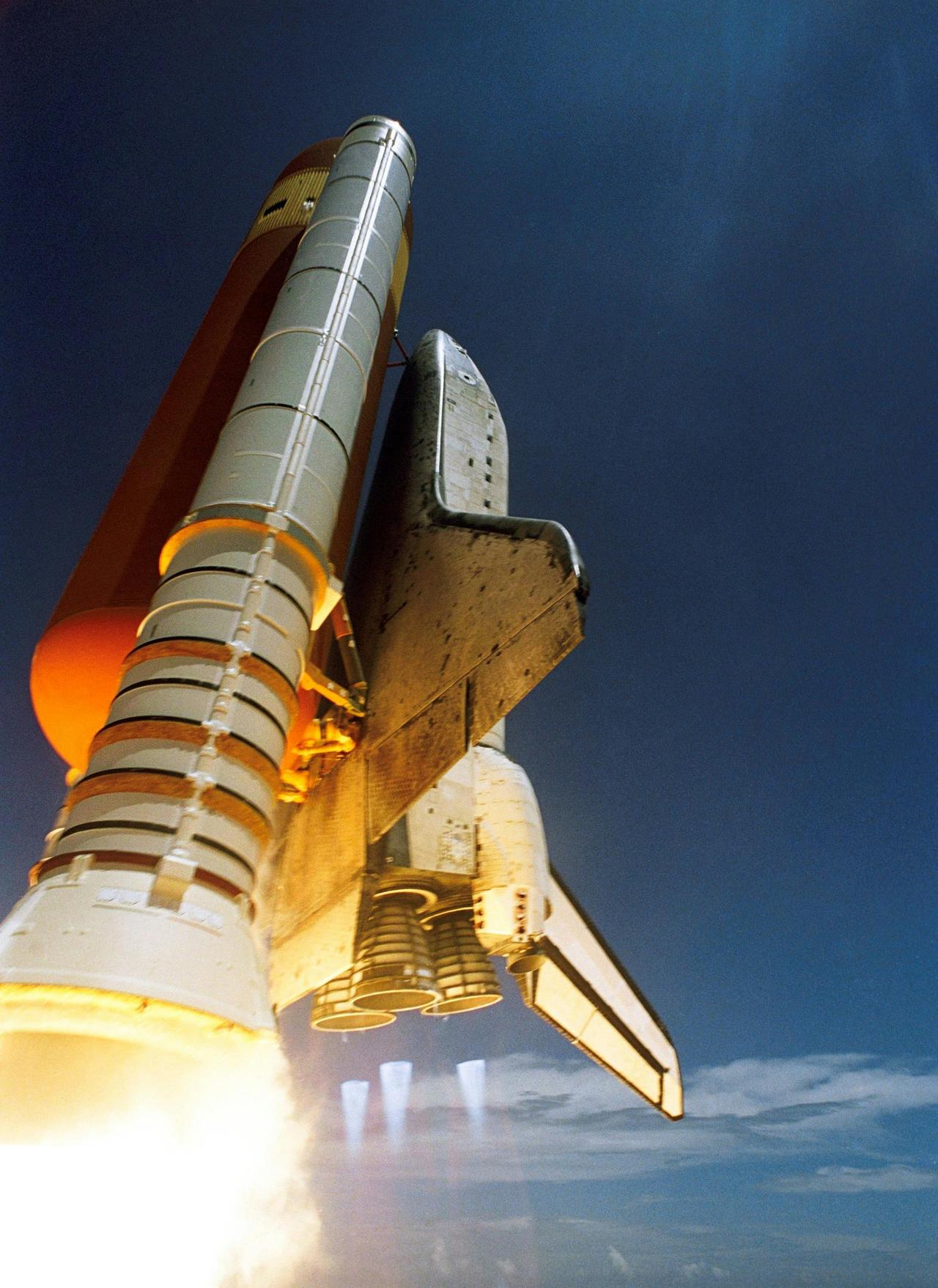
NASA Artemis
NASA’s Artemis program is an international space exploration initiative aimed at returning humanity to the lunar surface for the first time since the 1970s Apollo missions and establishing a permanent presence there. The program plans to use the Moon as a stepping stone and testing ground for future crewed missions to Mars. To this end, it seeks to build a sustainable exploration infrastructure through modern launch systems, deep space vehicles, and a station in lunar orbit. The program’s core p
EN
Aykut Laçın
Potential Habitable Exoplanet HD 137010 b
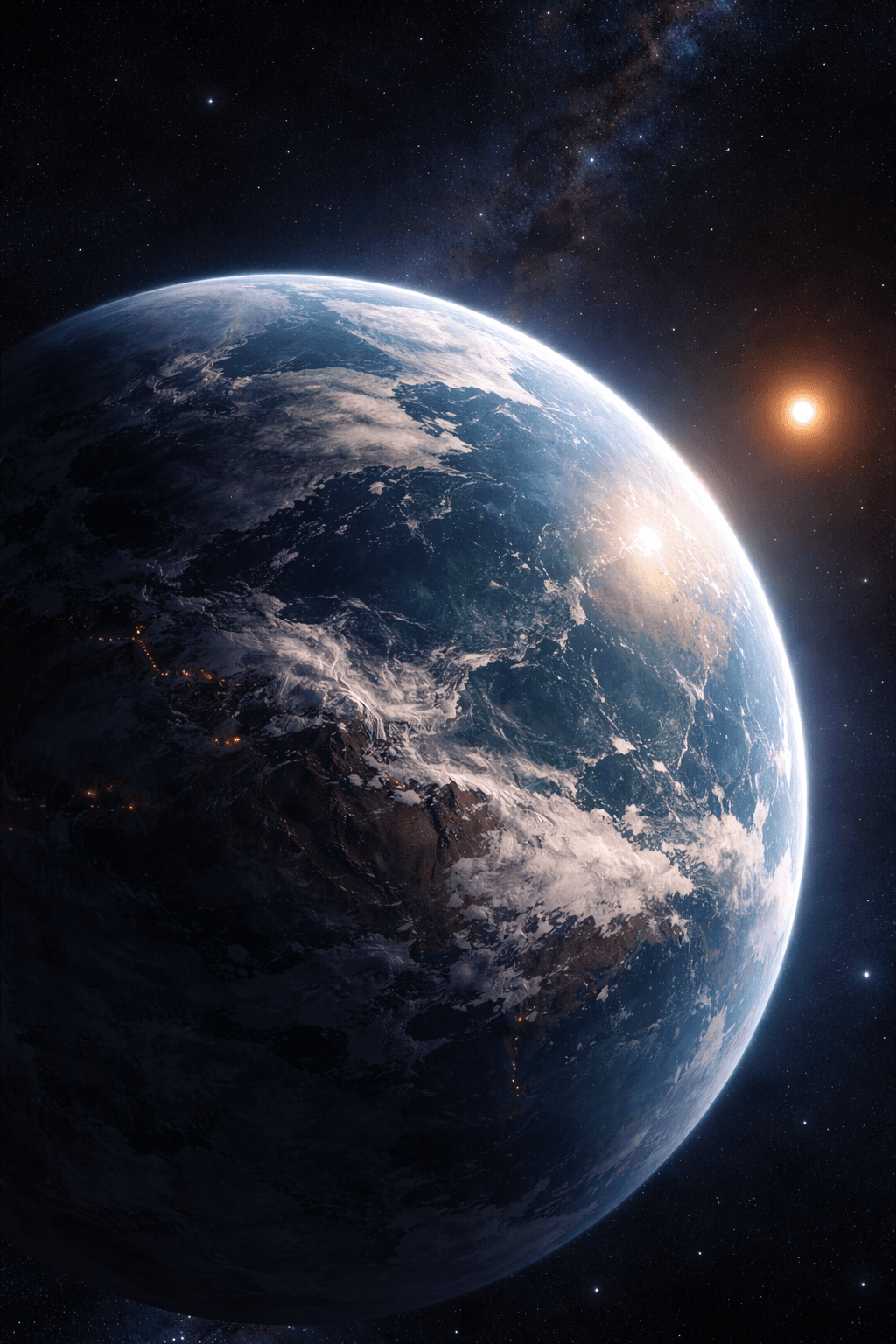
Space research continues to expand our understanding of the universe each day. Most recently, astronomers announced the discovery of a new planet, relatively close to Earth, that may have potential for habitability. This planet, named HD 137010 b, has attracted scientific interest due to its characteristics. How Close Is It to Earth? HD 137010 b is located approximately 146 light years from Earth. Its radius is only 6 percent larger than Earth’s, placing it very close to the category of “Earth-l
ENOksana Gülünay
NASA Artemis
NASA'nın Artemis programı, 1970'li yıllardaki Apollo görevlerinden bu yana insanlığı tekrar Ay yüzeyine ulaştırmayı ve orada kalıcı bir varlık inşa etmeyi hedefleyen uluslararası bir uzay keşif projesidir. Program, Ay'ı Mars'a yapılacak gelecekteki insanlı yolculuklar için bir basamak ve test alanı olarak kullanmayı planlamıştır. Bu kapsamda modern fırlatma sistemleri, derin uzay araçları ve Ay yörüngesinde kurulacak bir istasyon aracılığıyla sürdürülebilir bir keşif altyapısı oluşturulması amaç
TRAykut Laçın