

`moon` Related Article Results
 Ti
TiTide
Tides are the periodic rise and fall of large bodies of water (oceans, seas, and some large lakes) on Earth. In Turkish, they are referred to as med (rise in water level) and cezir (fall in water level). Tides are primarily caused by the gravitational pull of the Moon and, to a lesser extent, the Sun on Earth. Physical Mechanism The Moon's Gravitational Effect The Moon is the closest celestial body to Earth, and due to this proximity, it exerts a significant gravitational pull on the waters of E
EN
Elyesa Köseoğlu
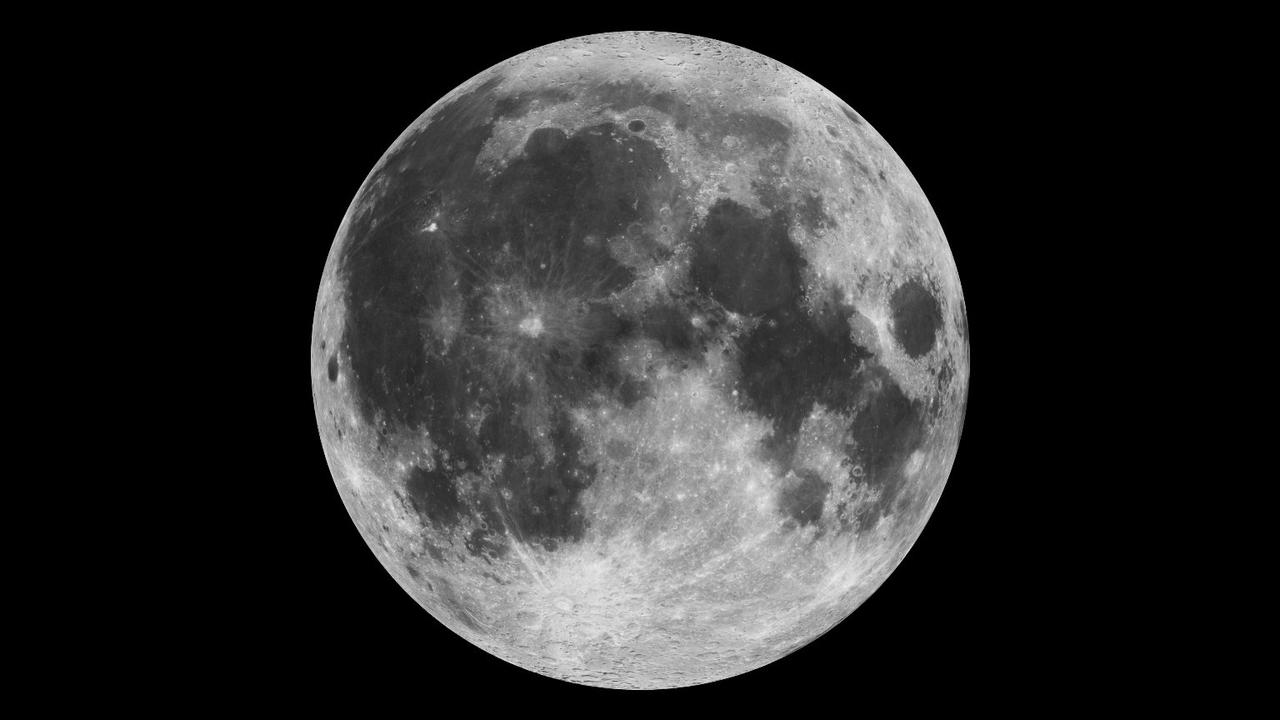
Moon
The Moon is Earth's only natural satellite and ranks as the fifth-largest natural satellite in the Solar System. The Moon, which has been extensively studied in terms of diameter, mass, and surface features, is a significant subject of research both geologically and astronomically. Located at an average distance of 384,400 kilometers from Earth, this celestial body has been analyzed from many technical perspectives, including its orbital motions, surface morphology, internal structure, and origi
EN
Osman Özbay
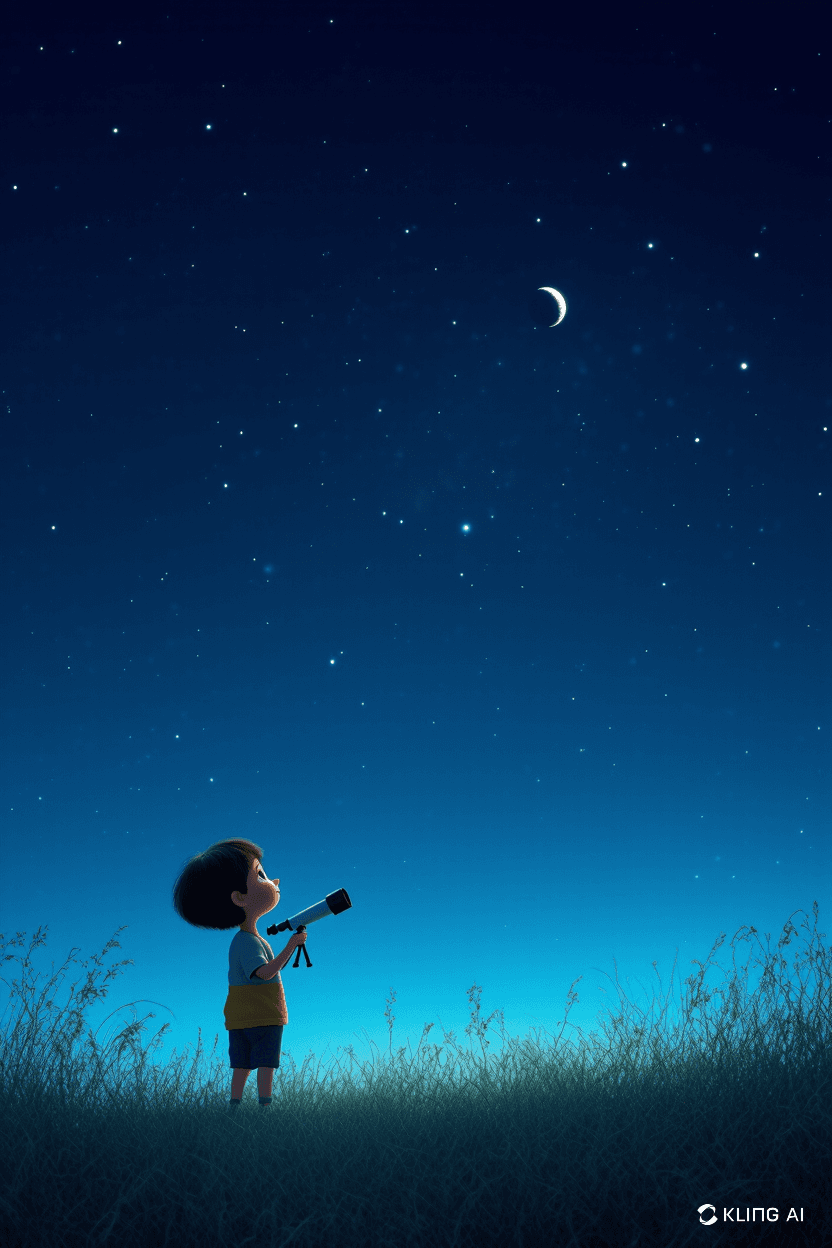
Phases of the Moon
The Moon’s Magical Dance: Phases and Reasons Hello, little explorer! Are you ready to discover the Moon’s magical dance across the sky? Yes, the Moon changes its shape every night, but behind this magic lies a fascinating scientific secret! Let’s begin! 🌕 First of all, the Moon does not inflate and deflate like a balloon, does it? The Moon always stays the same size. So why does it look “round” one night and “thin” the next? The reason is the Moon’s journey around Earth and the light coming fro
EN
Erva Öztürk
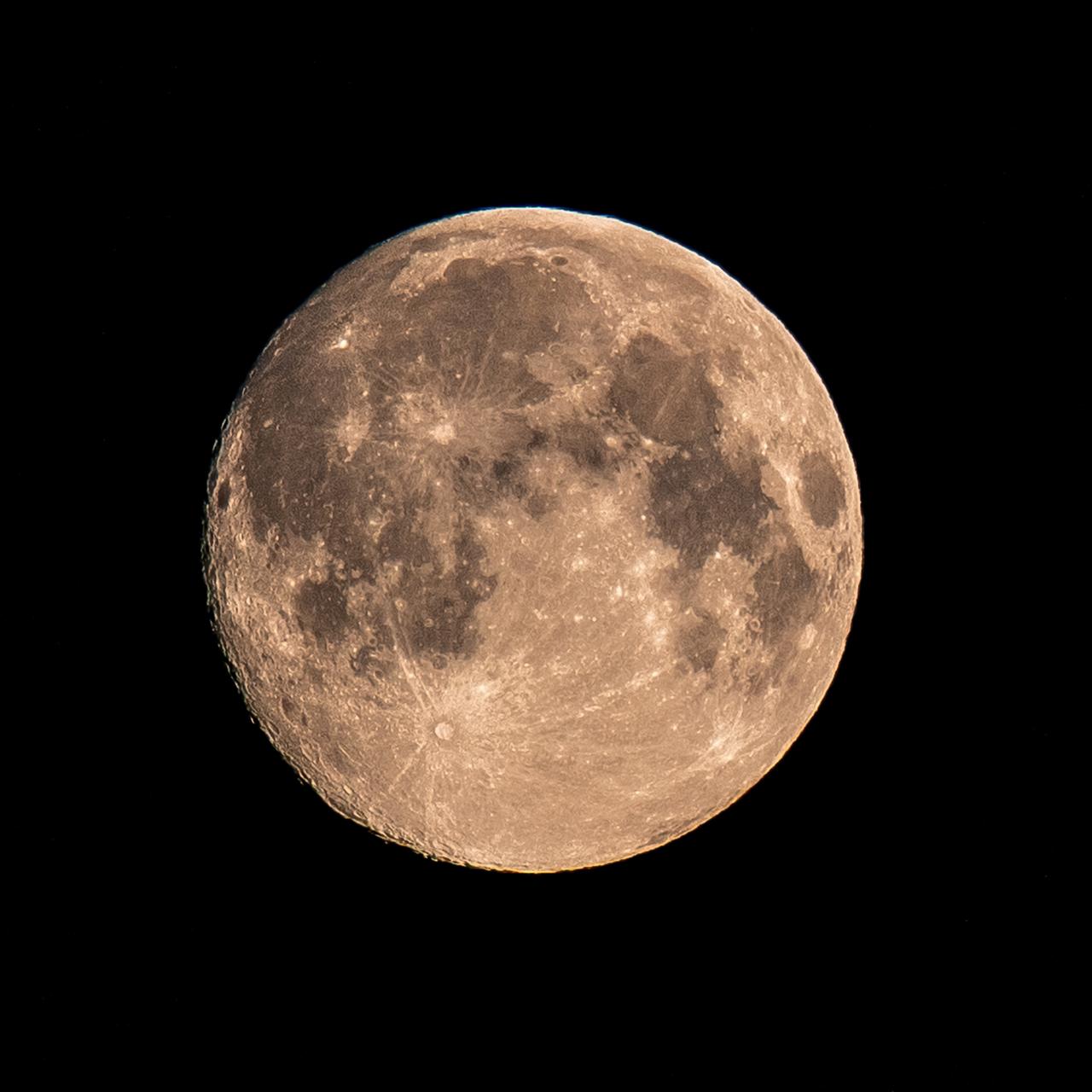
A Night Without the Moon: What If the Story of the World Were Different
Within the order of the universe, certain celestial bodies stand out due to their extraordinary influences. When examining the Solar System, the mass disparities between planets and their natural satellites become striking; in this context, the most remarkable balance is that established between Earth and the Moon. Due to its substantial mass, the Moon transcends the role of an ordinary satellite and exerts significant physical effects on Earth. It is not merely a passive celestial body orbiting
EN
Mehmet Bağcı
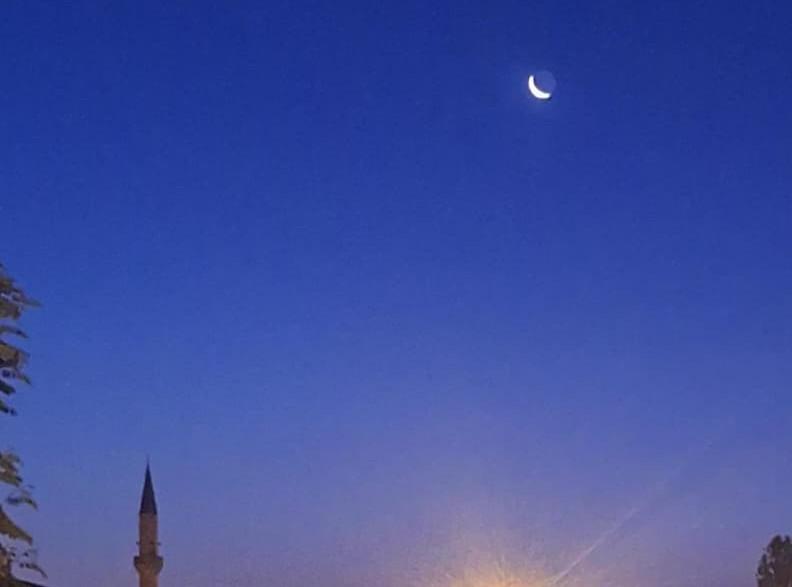
Why are days on the Moon visible in the sky?
When we glance at the sky, especially on clear and cloudless days, there are moments when we can see the Moon within the brilliant blue dome of the sky, illuminated by the Sun’s intense light. During daylight hours, when the sky is so bright, the Moon’s presence—seemingly gliding quietly through the heavens—captures the attention of many. In fact, this sight can even be surprising to those who notice it for the first time. The fact that the Moon, which we are accustomed to seeing at night, share
ENMehmet Bağcı
NASA Artemis
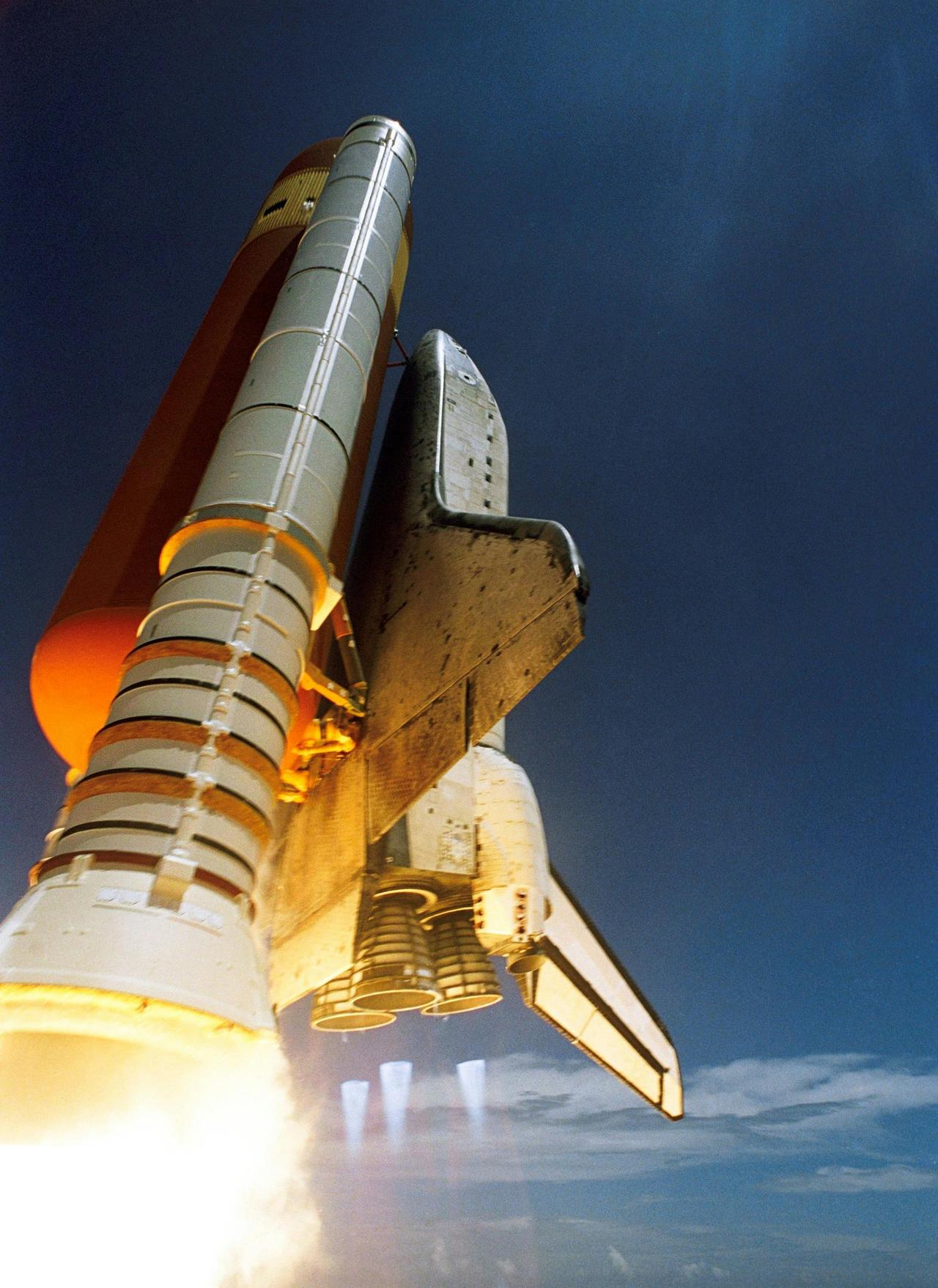
NASA’s Artemis program is an international space exploration initiative aimed at returning humanity to the lunar surface for the first time since the 1970s Apollo missions and establishing a permanent presence there. The program plans to use the Moon as a stepping stone and testing ground for future crewed missions to Mars. To this end, it seeks to build a sustainable exploration infrastructure through modern launch systems, deep space vehicles, and a station in lunar orbit. The program’s core p
EN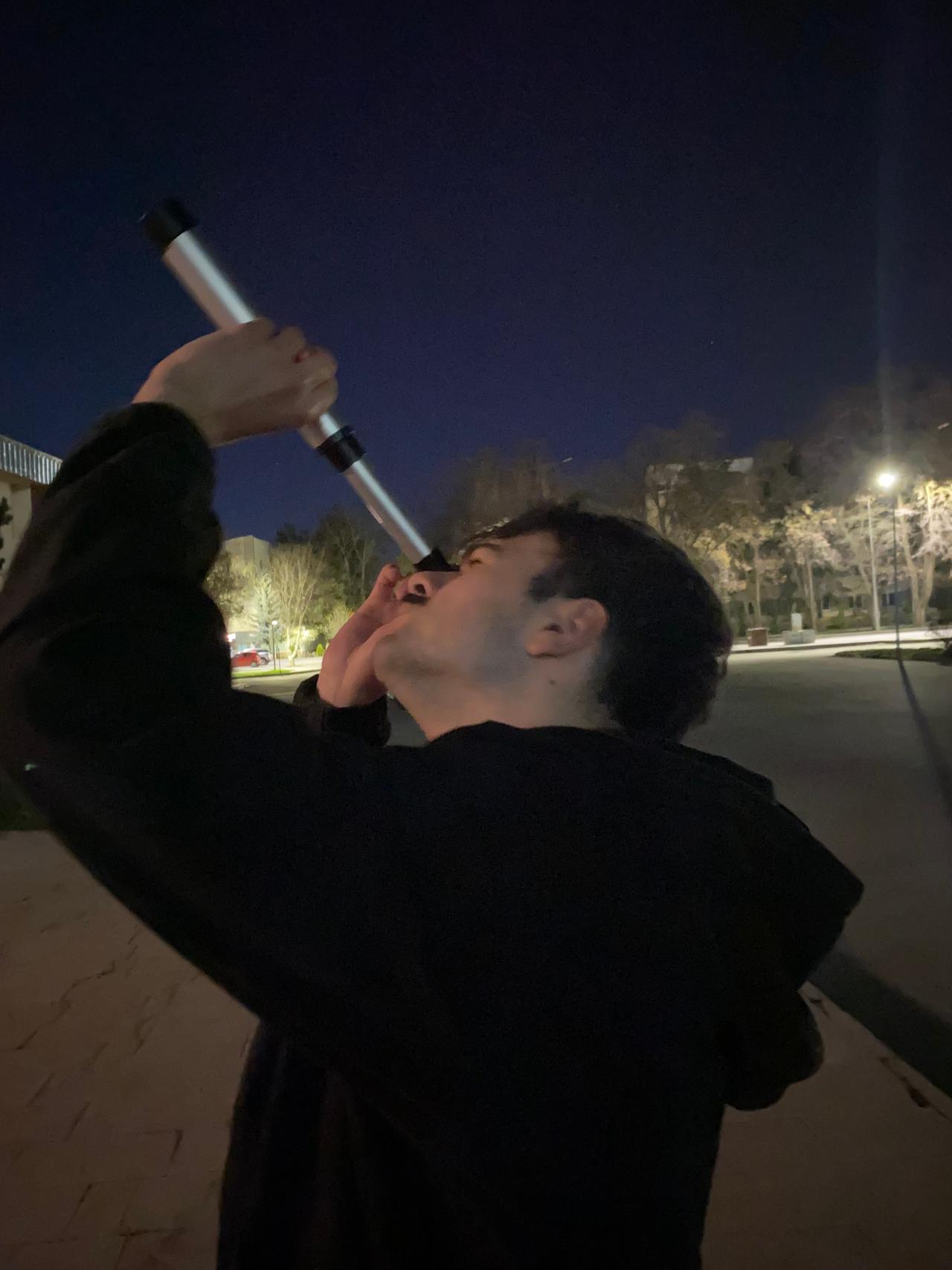
Aykut Laçın
Wernher Magnus Maximilian Freiherr von Braun
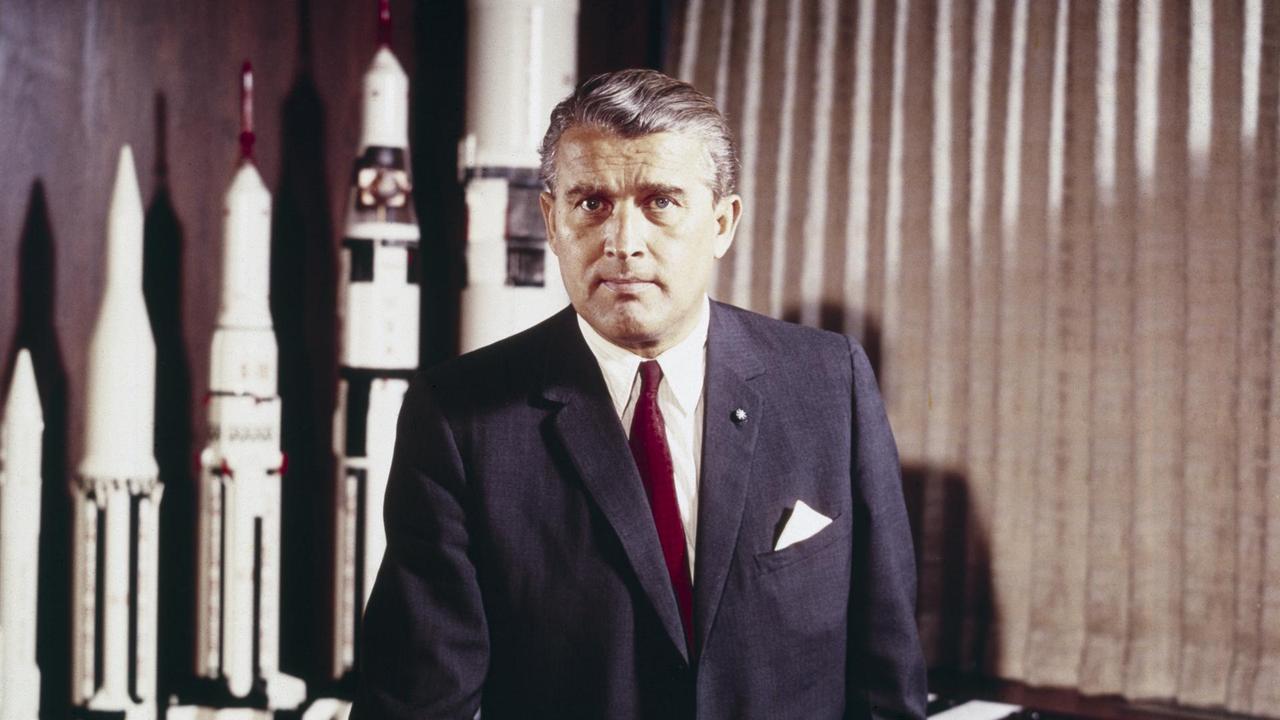
Wernher Magnus Maximilian Freiherr von Braun 23 March 1912, in the Prussian region of Germany, was born into an aristocratic family. His father, Baron Magnus von Braun, and his mother, descended from King Valdemar I of Denmark. In childhood, he began showing an interest in science, particularly space; he developed an interest in astronomy by observing stars through a telescope given to him by his mother. The young Wernher read works by science fiction authors such as Jules Verne and H.G. Wells a
EN
Zekeriya Aktaş
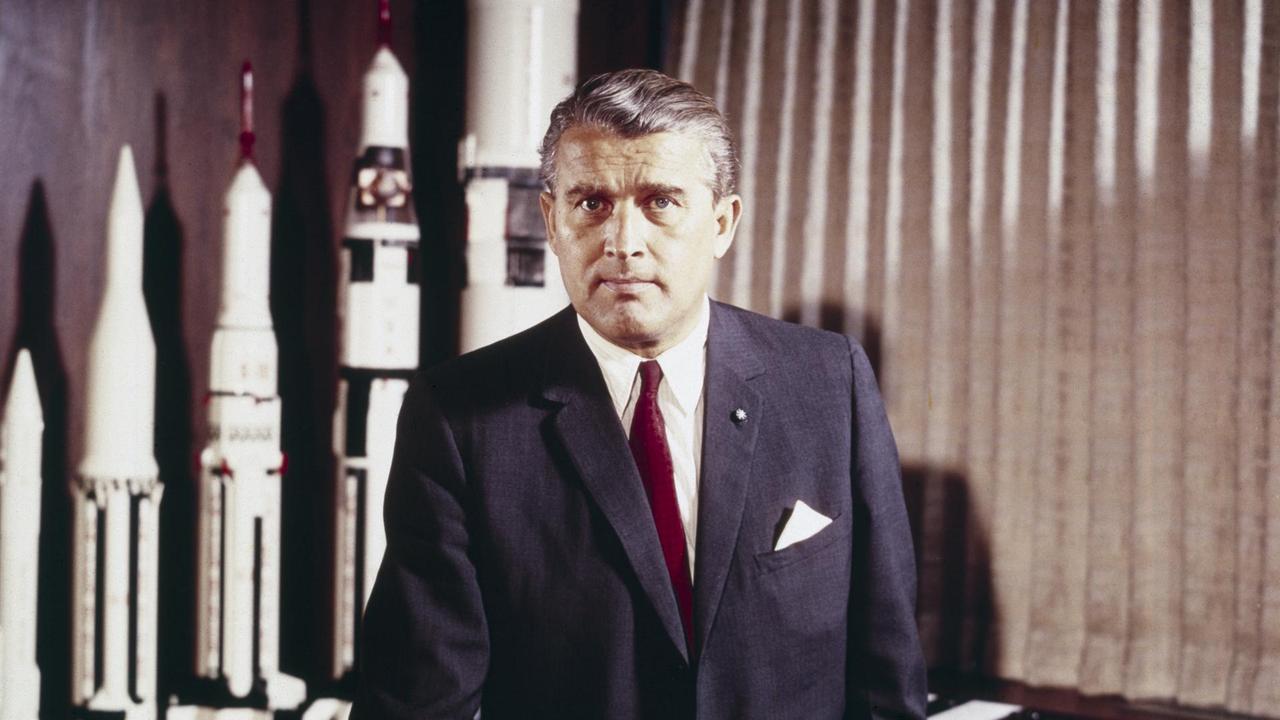
Wernher Magnus Maximilian Freiherr von Braun
Wernher von Braun, as one of the 20th century’s most controversial and influential engineering figures, built a career that began with ballistic missile technologies developed in Nazi Germany and extended to the United States’ human mission to the Moon. He left behind a complex legacy shaped by the tension between his technical genius and his ethical responsibilities. ### Childhood Wernher Magnus Maximilian Freiherr von Braun was born on 23 March 1912 in the Prussian region of Germany into an ar
ENZekeriya Aktaş
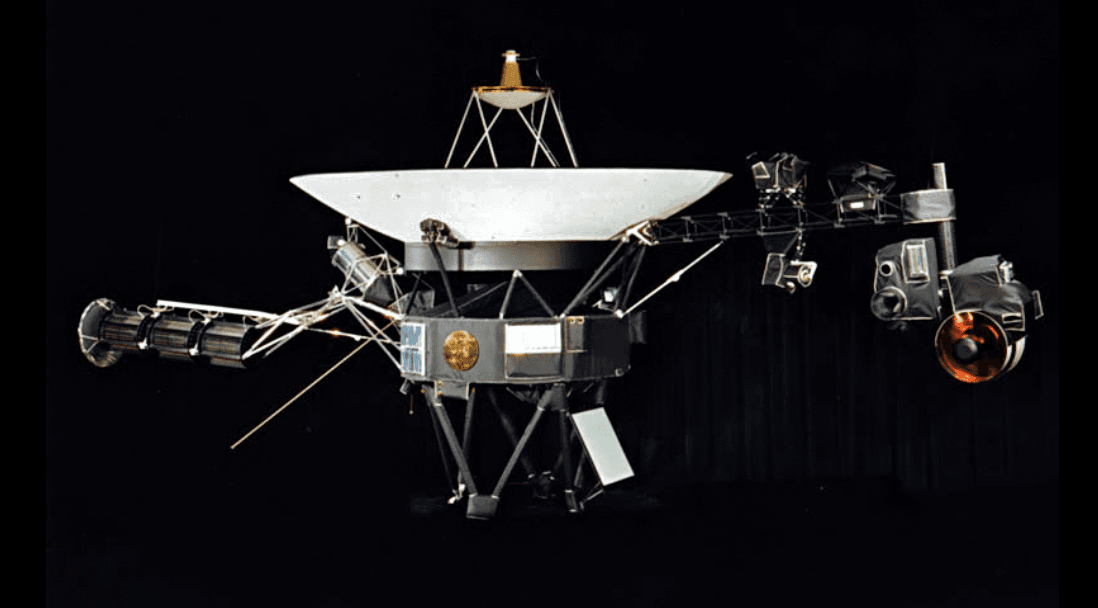
Pale Blue Dot
"Pale Blue Dot" (Soluk Mavi Nokta), 14 Nokta 1990 tarihinde Voyager 1 uzay aracı tarafından çekilen ve Dünya'nın uzaydaki konumunu gösteren bir fotoğraftır. Bu görüntü, Dünya'nın sonsuz gibi görünen evrendeki yerini gözler önüne sererek çeşitli bilimsel ve felsefi tartışmalara kaynak olmuştur. Bulutsu.org. "Soluk Mavi Nokta." Erişim 27 Mart 2025. https://www.bulutsu.org/smn.php. ">【1】 Voyager 1 Mission Voyager 1 is an unmanned spacecraft launched by NASA on 5 September 1977 to study the Sun S
ENElyesa Köseoğlu
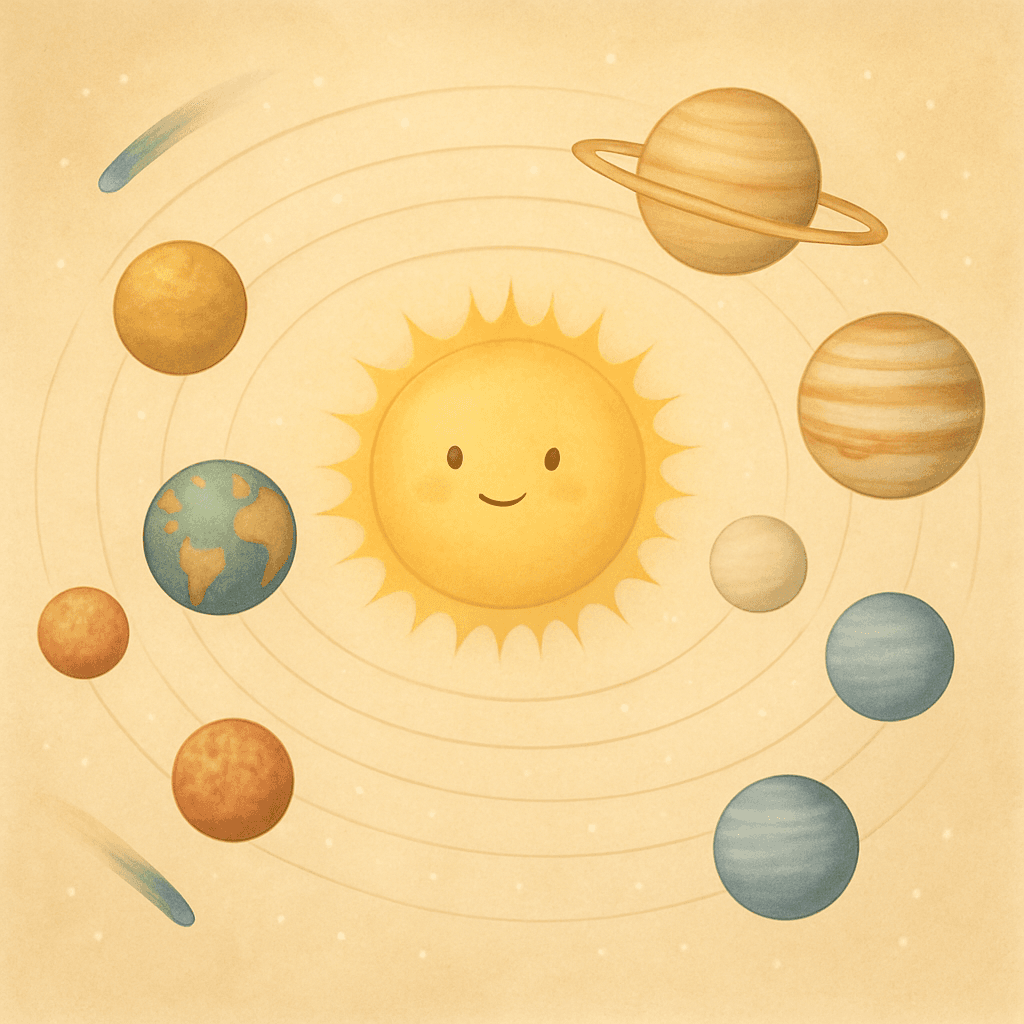
Solar System
The Solar System is a large family in space. At its center is the Sun, which we all know well. The Sun causes the planets and other celestial bodies orbiting around it to revolve in its vicinity. Just as children revolve around their mother, the Sun sits at the heart of this great family and holds the system together. The Sun: The Heart of This System The Sun is a bright and extremely hot star. It is so large that one million Earths could fit inside it! By emitting heat and light, it illuminates
EN
Hikmet Can Urhan