This article was automatically translated from the original Turkish version.
+1 More
Founder | Seyyid Muhammed | ||||||||
|---|---|---|---|---|---|---|---|---|---|
Architectural Style | Ottoman architectural style | ||||||||
Restoration | General Directorate of Foundations, Van Museum Directorate | ||||||||
Plan Type | square-plan and single-domed | ||||||||
Location | Gürpınar - Van / Türkiye | ||||||||
Building Material(s) | cut stone | ||||||||
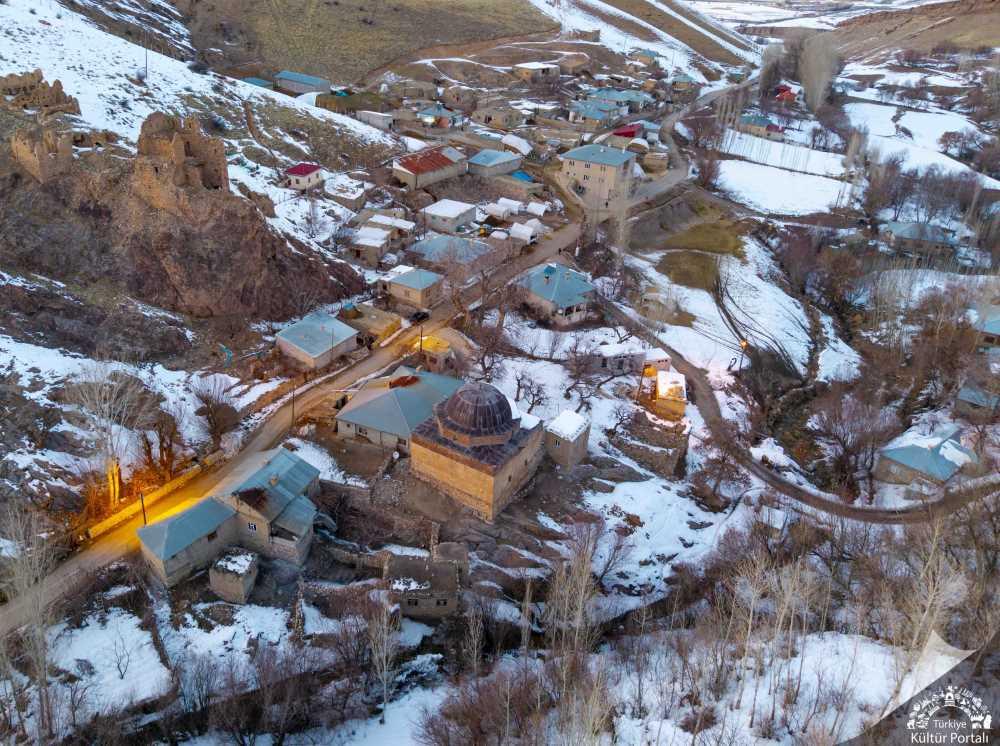
Hamurkesen Camii, located in the Gürpınar district of Van, was constructed in 1710 by Seyyid Muhammed and is one of the rare examples of single-domed Ottoman architecture in the region. It is built on a square plan using finely cut stone.
This historical place of worship is situated in the Hamurkesen (Zernek) neighborhood of Gürpınar district in Van Province. According to the inscription above its entrance door, the structure was commissioned in the year 1122 (A.D. 1710) by Seyyid Muhammed, identified in the inscription as the local governor of the period.【1】 Recognized as one of the rare examples of Ottoman cultural heritage in rural areas, the mosque suffered damage during the events of 1915 and was later restored through the efforts of the local community.
The structure, officially recorded and referenced in literature as Hamurkesen Camii, is also known as Zernek Camii after the settlement in which it is located. The founder of the mosque is Seyyid Muhammed, named in the inscription as the local governor of the period.
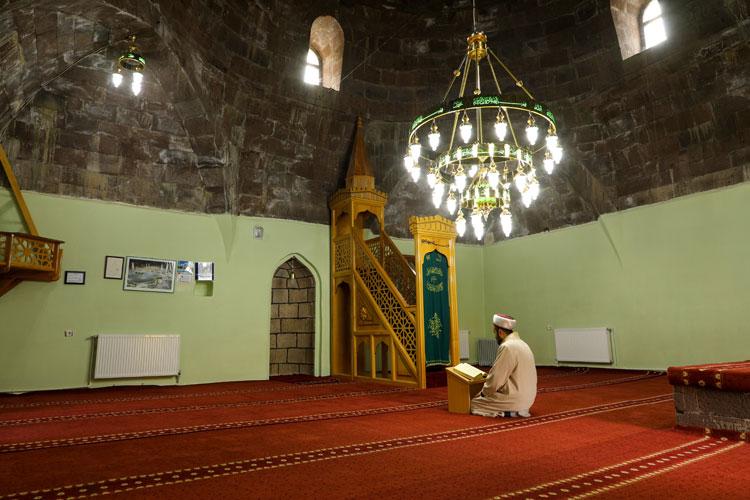
Interior of Hamurkesen Camii (Anadolu Ajansı)
Architecturally, Hamurkesen Camii consists of a square-plan single-domed prayer hall. The construction employs finely cut stone.
Hamurkesen Camii remains open for worship today. In addition to its historical fabric, it attracts visitors under the category of faith and cultural tourism due to the belief in the presence of 72 tombs of holy figures and historic gravestones in its surroundings. Tourists from abroad, particularly from Iran and Iraq, as well as European countries, have been noted to show interest in the site.
Anadolu Ajansı. “Van’da 311 Yıllık Cami, Fotoğraf Tutkunlarının İlgi Odağı Oldu.” Anadolu Ajansı. Accessed April 15, 2026. https://www.aa.com.tr/tr/yasam/vanda-311-yillik-cami-fotograf-tutkunlarinin-ilgi-odagi-oldu/2423129
T.C. Ministry of Culture and Tourism. "Decision of the Protection Board Regarding theHamurkesen Yerleşimi and Rock Tomb inGürpınar İlçesi,Van İli." *E-Records of the Regional Boards for the Protection of Cultural Assets.* Accessed April 15, 2026. https://korumakurullari.ktb.gov.tr/Eklenti/131160,4-van-ili-gurpinar-ilcesi-hamurkesen--yerlesimi-ve-kaya-.pdf?0
T.C. Ministry of Culture and Tourism. "Hamurkesen Camii - Van." Türkiye Kültür Portalı. Accessed April 15, 2026. https://www.kulturportali.gov.tr/turkiye/van/gezilecekyer/hamurkesen-cam
[1]
T.C. Kültür ve Turizm Bakanlığı, "Hamurkesen Camii," Türkiye Kültür Portalı, accessed 15 April 2026, https://www.kulturportali.gov.tr/turkiye/van/gezilecekyer/hamurkesen-cam

Founder | Seyyid Muhammed | ||||||||
|---|---|---|---|---|---|---|---|---|---|
Architectural Style | Ottoman architectural style | ||||||||
Restoration | General Directorate of Foundations, Van Museum Directorate | ||||||||
Plan Type | square-plan and single-domed | ||||||||
Location | Gürpınar - Van / Türkiye | ||||||||
Building Material(s) | cut stone | ||||||||
Historical Background
Naming and Founder
Architectural Features
Current Status