

`anatolianarchitecture` Related Article Results
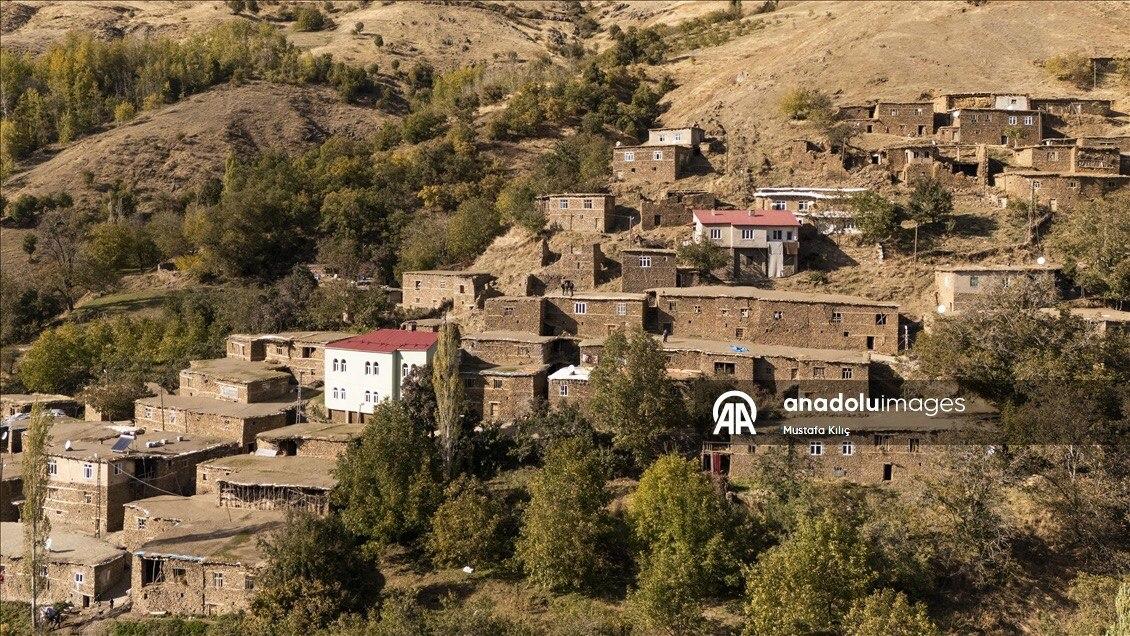
Bitlis Stone Houses
Bitlis Taş Evleri are stone-built houses located in the rural areas of Hizan district, within Türkiye’s Bitlis province, particularly in villages such as Koçlu and Uzuntaş. These structures, constructed over a historical process, consist of residential buildings made from stone and wood using traditional materials and techniques, and have remained standing for centuries while preserving their architectural characteristics. Although their history is estimated to span approximately 300 years, the
EN
Fatmanur Mavibaş
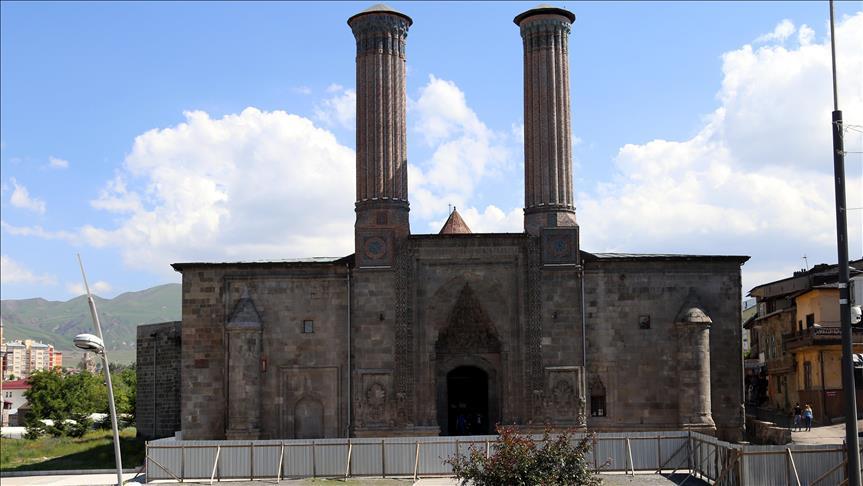
Erzurum Çifte Minareli Medrese (Hatuniye Medresesi)
Erzurum Çifte Minareli Medrese is one of the most monumental examples of Anatolian Seljuk architectural tradition and is a historical educational structure located in the city center of Erzurum. With dimensions of approximately 35 by 48 meters, it is regarded as the largest open courtyard medrese in Anatolia. The building, also known in popular tradition and foundation records as Hatuniye Medrese, holds a unique place within Turk-Islamic art due to its monumental crowned portal, vegetal and figu
EN
Emirhan Polat
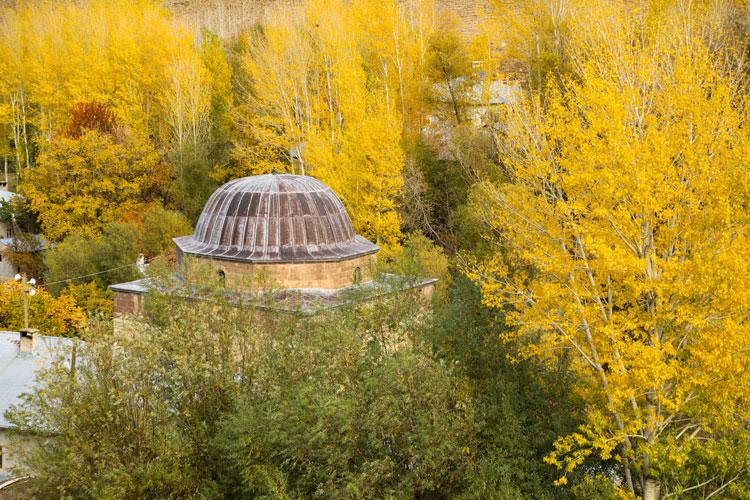
Hamurkesen Camii
Hamurkesen Camii, located in the Gürpınar district of Van, was constructed in 1710 by Seyyid Muhammed and is one of the rare examples of single-domed Ottoman architecture in the region. It is built on a square plan using finely cut stone. Historical Background This historical place of worship is situated in the Hamurkesen (Zernek) neighborhood of Gürpınar district in Van Province. According to the inscription above its entrance door, the structure was commissioned in the year 1122 (A.D. 1710) by
EN
Ayşenur Baytop
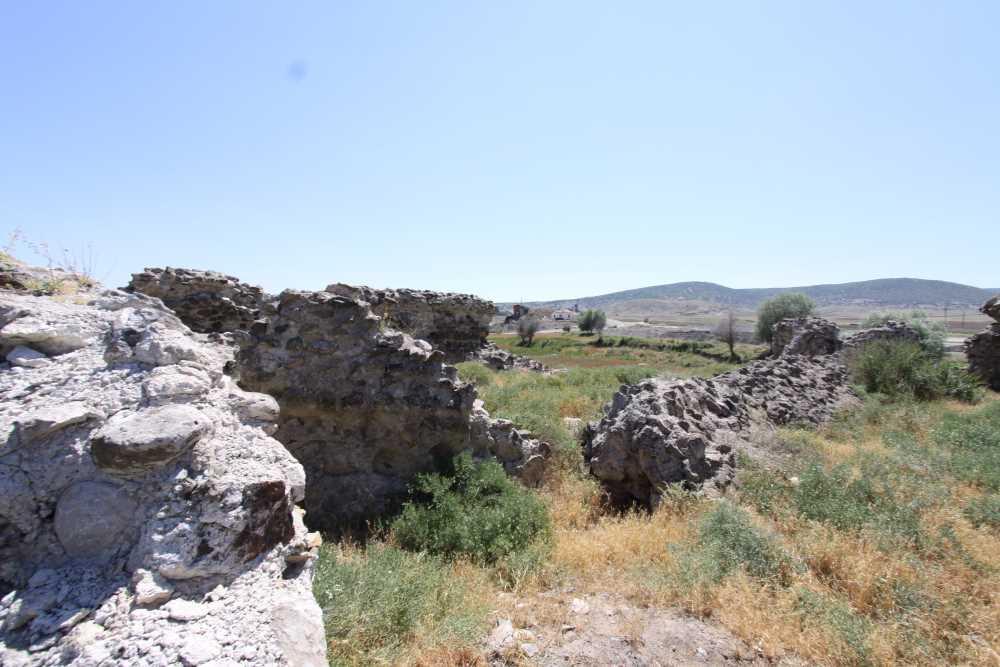
Çekereksu Hanı
Çekereksu Hanı is located near Kesikköprü Örencik Village, between the districts of Saraykent and Kadışehri in Yozgat Province, along the banks of the Çekerek River. This structure dates to the Anatolian Seljuk period and was constructed between 1239 and 1240. It is attributed to Melike Mahperi Hatun, one of the prominent female figures of the era. The route on which the caravanserai stands was historically a major trade artery, and the structure is understood to have served as a lodging and log
EN
Yusuf İslam Tuğla
Yozgat Museum
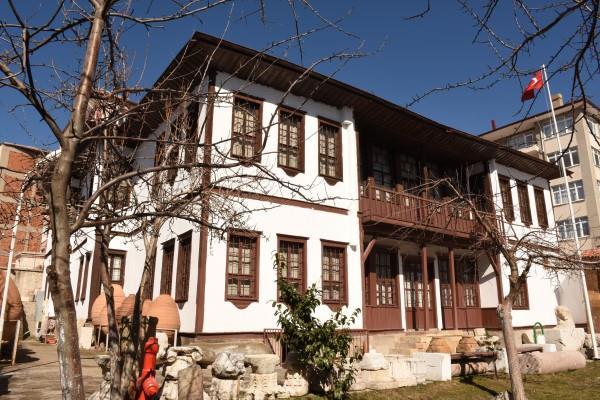
Yozgat Museum operates within the Nizamoğlu Konağı, a building dated to the last quarter of the 19th century. The structure fulfills a “museum” function through its archaeological and ethnographic inventory, while its architectural features, woodwork, and ceiling decorations also render it a “cultural asset” worthy of preservation in its own right. Based on inscriptions found in the ceiling decorations and architectural style analysis, the construction date of the building is estimated to be 187
EN
Bahtiyar Bora ERGÜN
Toprakkale (Van)
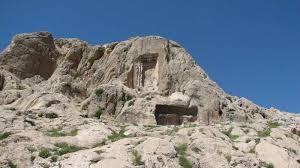
Toprakkale is an ancient settlement built on a rocky hill in the northeast of Van Province. This area belonged to the Urartians, who established a powerful kingdom in the region between the 9th and 7th centuries BCE. The capital of the Urartian Kingdom was Van Kalesi (Tushpa), but Toprakkale was also one of the kingdom’s major centers. Who Built It and What Does the Name Mean? Toprakkale was built by the Urartian king Rusa II (reigned 685–645 BCE). For this reason, the fortress was named Rusahin
EN
Nida Üstün