

 Recently Added:
This article was automatically translated from the original Turkish version.
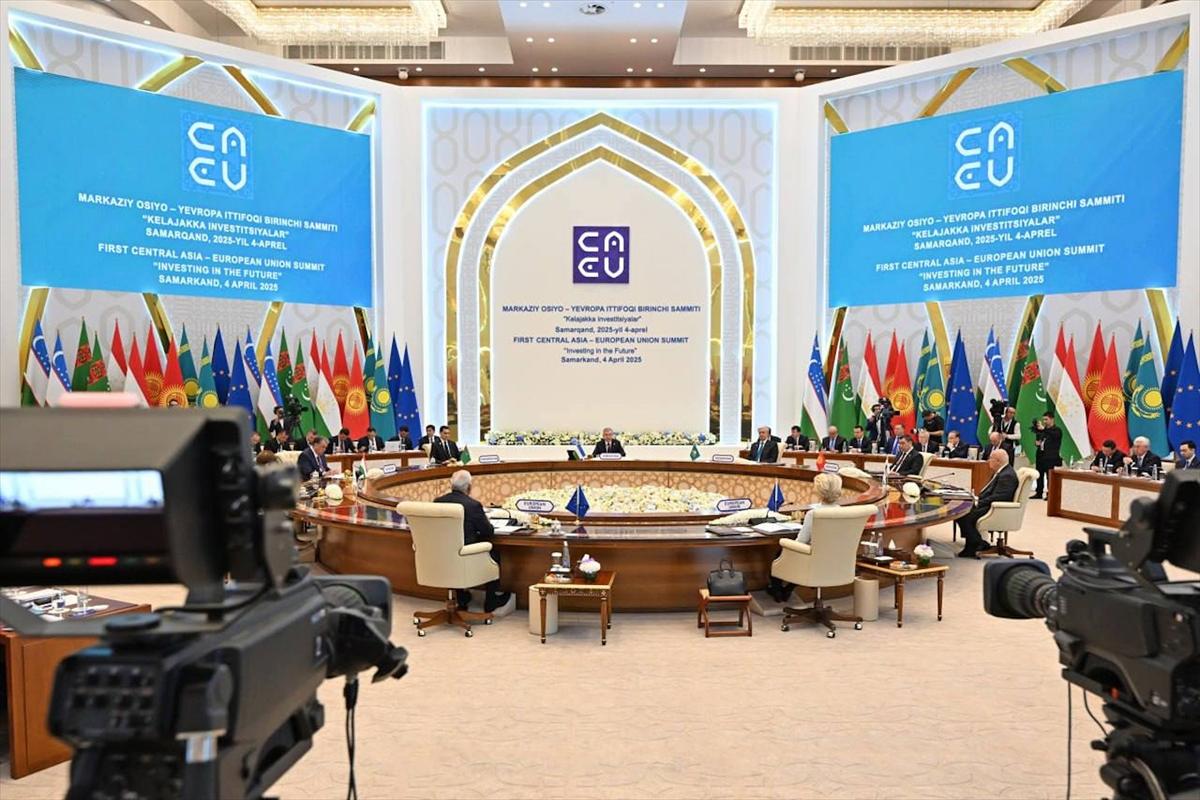
The first Europe–Central Asia Summit was an international diplomatic meeting held on 4 April 2025 in Samarkand, Uzbekistan, between the European Union and Central Asian countries (Kazakhstan, Kyrgyzstan, Tajikistan, Turkmenistan and Uzbekistan). The Summit is a multilateral platform where decisions were made to elevate relations between the two regions to a “strategic partnership” level and key areas of cooperation were identified.
class=\
The European Union’s policies toward Central Asia were first shaped by a regional strategy developed in 2007 and updated in 2019. In 2023, a joint roadmap signed between the parties laid the foundation for steps to deepen relations. In preparation for the Summit, the 20th EU–Central Asia Ministerial Meeting was held in Ashgabat, Turkmenistan, in March 2025.
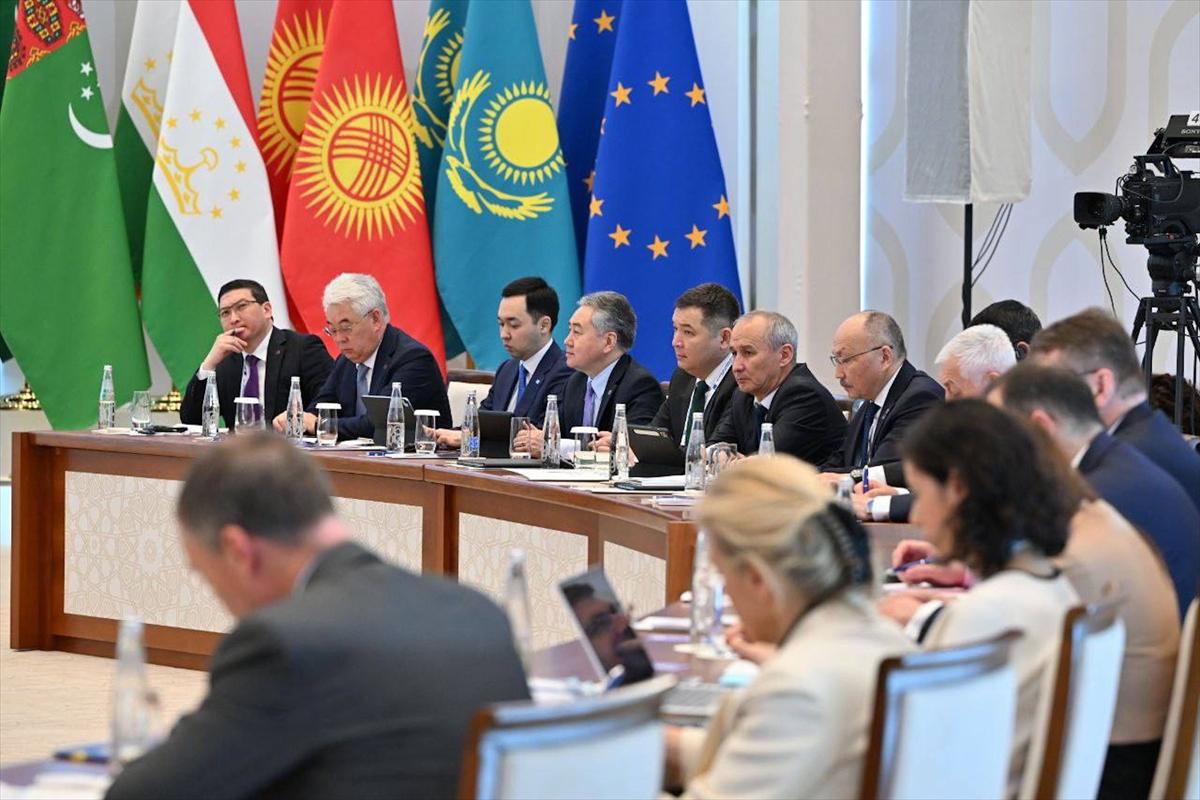
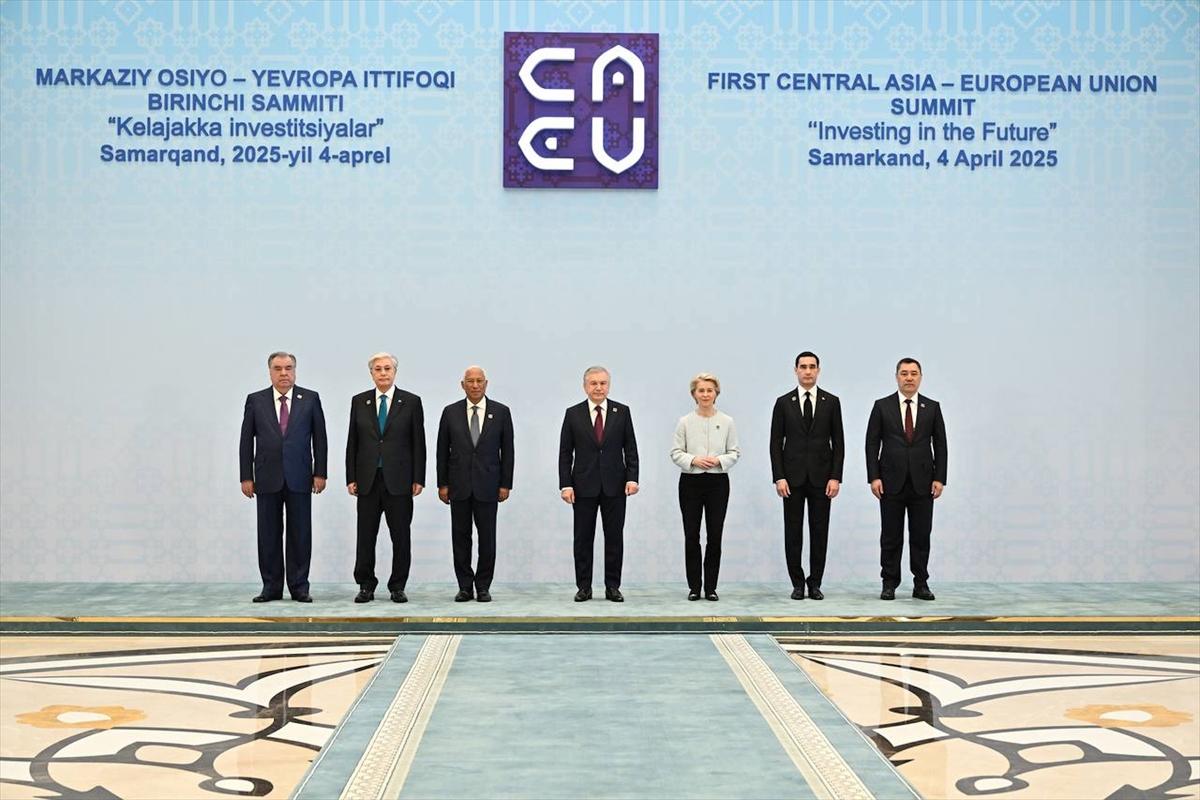
Uzbekistan President Shavkat Mirziyoyev hosted the Summit. The European Union was represented by European Council President António Costa and European Commission President Ursula von der Leyen. Leaders from Central Asian countries attending the Summit included Kazakhstan President Kassym-Jomart Tokayev, Kyrgyzstan President Sadyr Japarov, Tajikistan President Emomali Rahmon and Turkmenistan President Serdar Berdimuhamedow.
The Summit agenda included opening statements, a plenary session, an official lunch and the opening session of the Samarkand International Climate Forum, held on the same day.
class=\
In the joint declaration issued at the end of the Summit, relations between the European Union and Central Asian countries were formally elevated to a “strategic partnership” level. The declaration emphasized commitment to international law norms, cooperation for stability in Afghanistan, the need for a peaceful resolution to the war in Ukraine, and messages on preparedness for security challenges.
The European Union announced a €12 billion investment package for Central Asia under the Global Gateway initiative. The package includes €3 billion for transport infrastructure, €2.5 billion for critical raw materials, €6.4 billion for water, energy and climate projects, and investments in digital connectivity. The EU also proposed organizing investor forums for the Trans-Caspian Transport Corridor and establishing the European Investment Bank’s Central Asia Regional Office in Uzbekistan.
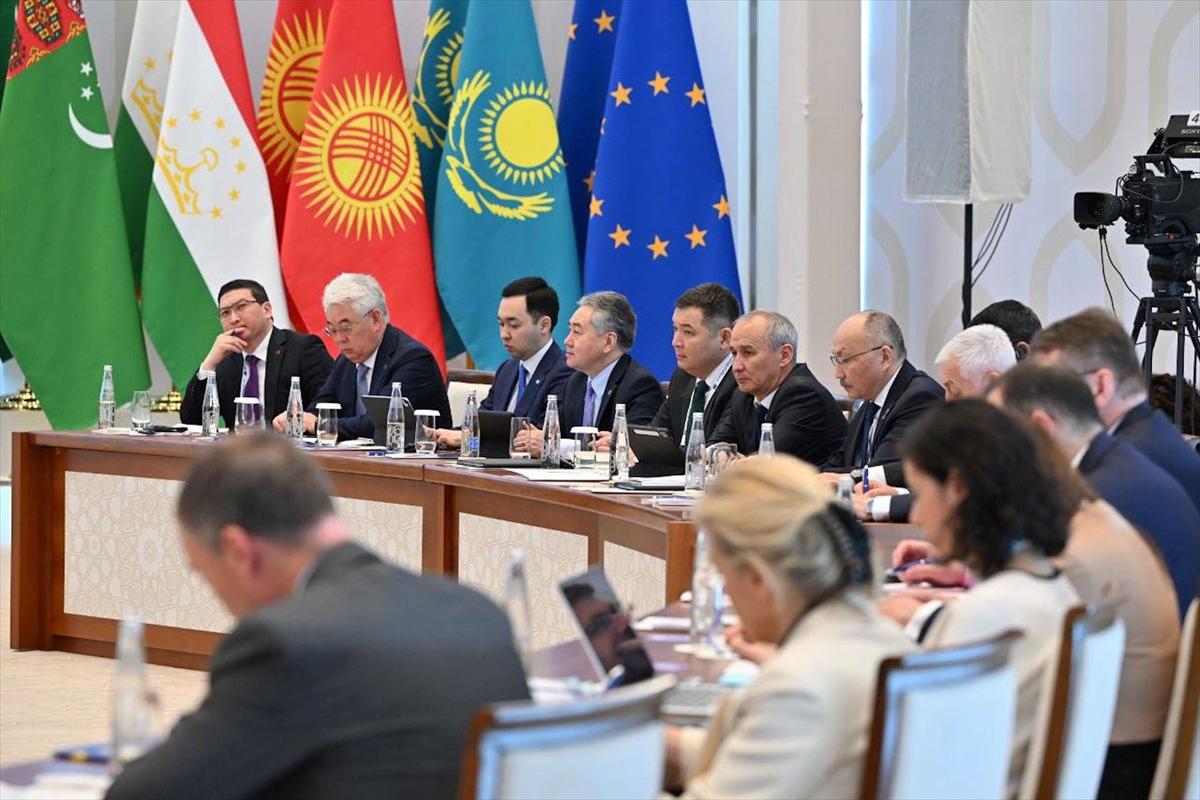
Energy security and renewable energy projects emerged as key topics at the Summit. Kazakhstan President Tokayev stated that his country supplies 13 percent of the EU’s oil needs and has initiated studies for a “green energy corridor” to Europe. He also emphasized that Kazakhstan produces 19 of 24 critical raw materials, making it strategically important for the EU. In this context, it was proposed to establish a research center for rare earth elements in Astana.
class=\
Kyrgyzstan called for European investment in its hydroelectric power plant projects. Tajikistan announced its goal to develop renewable energy sources, including hydropower, and declared its intention to meet 100 percent of its energy needs from renewable sources by 2037. Water management, development of the Aral Sea region and biodiversity were also placed on the agenda.
Modernization of transport infrastructure, facilitation of border crossings and digital connectivity were among the issues discussed at the Summit. It was noted that investments in the Trans-Caspian Corridor depend on peace and stability in South Caucasus. The European Union shared its plans to enhance cooperation in digitalization, data infrastructure and e-commerce.
The Summit raised the need to strengthen ties with European universities, increase student exchange quotas and expand educational cooperation. Tajikistan requested permission for European universities to open branch campuses in the country. Uzbekistan proposed establishing a Central Asia–EU Parliamentary Forum.
Participants at the Summit shared views on the need to strengthen and restructure the multilateral system. Central Asian countries, which have maintained neutrality in the context of the Russia–Ukraine War, affirmed their support for diplomatic solutions. The European Union stated its aim to continue cooperation with regional countries to prevent sanctions evasion.
Decisions were made to hold similar summits every two years, increase regional investment forums and expand cooperation in transport, energy, digitalization, education and environment sectors. The Summit also expressed a commitment to supporting the strategic partnership with concrete projects.
Anadolu Ajansı. “AB ile Orta Asya İlişkileri Stratejik Ortaklığa Yükseltmeye Karar Verdi.” Accessed April 4, 2025. https://www.aa.com.tr/tr/dunya/ab-ile-orta-asya-iliskileri-stratejik-ortakliga-yukseltmeye-karar-verdi/3528180.
Anadolu Ajansı. “Özbekistan’da Birinci Avrupa Birliği-Orta Asya Zirvesi Başladı.” Accessed April 4, 2025. https://www.aa.com.tr/tr/dunya/ozbekistanda-birinci-avrupa-birligi-orta-asya-zirvesi-basladi/3528122.
Associated Press. “Uzbekistan Hosts EU-Central Asia Summit in Bid to Boost Economic Ties.” AP News, Accessed April 4, 2025. https://apnews.com/article/uzbekistan-central-asia-eu-samarkand-summit-2a3b14088999fe72eb60e1b4417fac60.
Euronews. “Unlike Others, We’re Reliable, EU Tells Central Asia as It Seeks Greater Access to Rare Earth.” Accessed April 4, 2025. https://www.euronews.com/my-europe/2025/04/04/unlike-others-were-reliable-eu-tells-central-asia-as-it-seeks-greater-access-to-rare-earth.
European Union Council. “1st European Union–Central Asia Summit, Samarkand, 4 April 2025.” *Consilium*, Accessed April 4, 2025. https://www.consilium.europa.eu/en/meetings/international-summit/2025/04/04/.
At the summit, the parties committed to respecting the sovereignty and territorial integrity of all states in accordance with the Charter of the United Nations and the fundamental principles of international law. The declaration emphasized adherence to United Nations Security Council Resolutions 541 (1983) and 550 (1984). These resolutions declare the declaration of the Turkish Republic of Northern Cyprus invalid and call upon other states not to recognize this entity.
Furthermore, a total investment commitment of 12 billion euros by the European Union was announced, with emphasis on comprehensive cooperation in areas such as energy transition, green and digital transformation, transportation infrastructure (particularly the Central Corridor and Trans-Caspian transport networks), combating climate change, and efficient use of water resources.
Numerous global issues were also raised at the summit, particularly the humanitarian situation in Afghanistan, human rights, rule of law, women’s and children’s rights, freedom of expression, climate crisis, and sustainable water management. The parties also expressed their willingness to cooperate in preventing sanctions evasion.
Article 4 of the declaration issued at the summit carried a diplomatic dimension within the framework of the European Union’s long-standing Cyprus policy. Kazakhstan, Turkmenistan and Uzbekistan established formal diplomatic relations with the country by appointing ambassadors to the Republic of Cyprus shortly before the summit.
The explicit reference to UN resolutions and the diplomatic developments have been criticized especially by Türkiye and the Turkish Republic of Northern Cyprus (TRNC). While Türkiye did not issue an official statement on the matter, TRNC President Ersin Tatar stated that these agreements with the EU aim to hinder the growing visibility of Northern Cyprus within the Organization of Turkic States (OTS). Tatar emphasized that Turkic states should exercise greater caution in their relations with the Greek Cypriot side and ensure that the status of the Turkish Cypriot people is taken into account in such agreements.
In his statement, Tatar also expressed concern that the potential political and diplomatic consequences of the UN resolutions have not been adequately assessed by Turkic states. Tatar acknowledged that relations with the EU are natural but expressed the expectation that Turkic states should maintain balanced relations with the TRNC.
The Samarkand Summit is viewed as an effort by the EU to institutionalize its relations with Central Asia not only at the economic level but also at the political and geostrategic levels. Occurring at a time when China’s influence in the region is growing and Russia’s military activities in Ukraine continue, the summit is seen as one of the concrete indicators of the EU’s new phase initiatives aimed at strengthening its presence in Central Asia.
Anadolu Ajansı. “KKTC Cumhurbaşkanı Tatar: Türk Devletleri, Rum Tarafıyla İlişkilerine Biraz Daha Dikkat Etmeli.” AA, April 15, 2025. https://www.aa.com.tr/tr/dunya/kktc-cumhurbaskani-tatar-turk-devletleri-rum-tarafiyla-iliskilerine-biraz-daha-dikkat-etmeli/3538835.
BBC Türkçe. “Tatar’dan Türk Devletlerine Çağrı: Rum Tarafıyla İlişkilere Dikkat.” BBC Türkçe, April 15, 2025. https://www.bbc.com/turkce/articles/cnv5z8p402go.
European Commission. “Statement by President von der Leyen at the Press Conference Following the First EU–Central Asia Summit.” European Commission, April 4, 2025. https://ec.europa.eu/commission/presscorner/detail/en/statement_25_980.

On 4 April 2025, the First European Union-Central Asia Summit held in Samarkand, Uzbekistan, elevated relations between the EU and Kazakhstan, Kyrgyzstan, Tajikistan, Turkmenistan and Uzbekistan to the level of a strategic partnership. Cooperation was agreed upon in the fields of energy, transport, digital infrastructure, climate and education. The EU announced an investment package of 1.2 billion euros for Central Asia under the Global Gateway program.
No Discussion Added Yet
Start discussion for "First European Union-Central Asia Summit (2025)" article
April 4, 2025
Background and Preparation Process
April 4, 2025
Participants and Summit Agenda
April 4, 2025
Key Issues Discussed at the Summit
April 16, 2025
Key Decisions and Areas of Cooperation
April 16, 2025
The Cyprus Issue and Diplomatic Implications