

`central-asia` Related Article Results
 Tu
TuTutmaç Soup
Tutmaç Çorbası is a traditional dish unique to Turkish cuisine, prepared by cooking small pieces of dough with meat or minced meat, then pouring yogurt over the top. The earliest and most detailed information about tutmaç is found in the 11th-century work Divânu Lügâti’t-Türk by Kaşgarlı Mahmud. According to Kaşgarlı, tutmaç has been known and consumed by Turkic peoples since the time of Zülkarneyn. The word “tutmaç” is derived from the phrase “bizi tutma aç,” meaning “do not leave yourself hung
EN
Miray GÜR
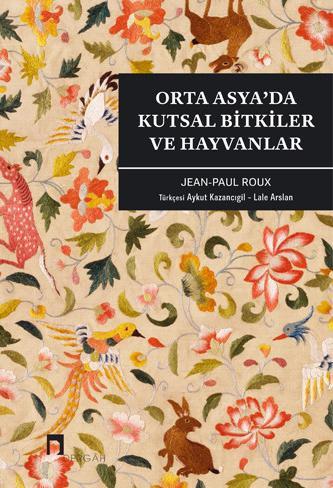
Sacred Plants and Animals in Central Asia (Book)
Sacred Plants and Animals in Central Asia (Orta Asya'da Kutsal Bitkiler ve Hayvanlar) is a work by the French historian and orientalist Jean-Paul Roux that examines the sacred relationship between Altaic Turks and nature. Translated into Turkish in 2023 by Dergâh Publications, this work is considered an extension of Roux's book Death Among the Altaic Turks. The book addresses the sacred meanings that the Altaic peoples attribute to plants and animals within a social and cosmological context. Sub
EN
Muhammed Samed Acar
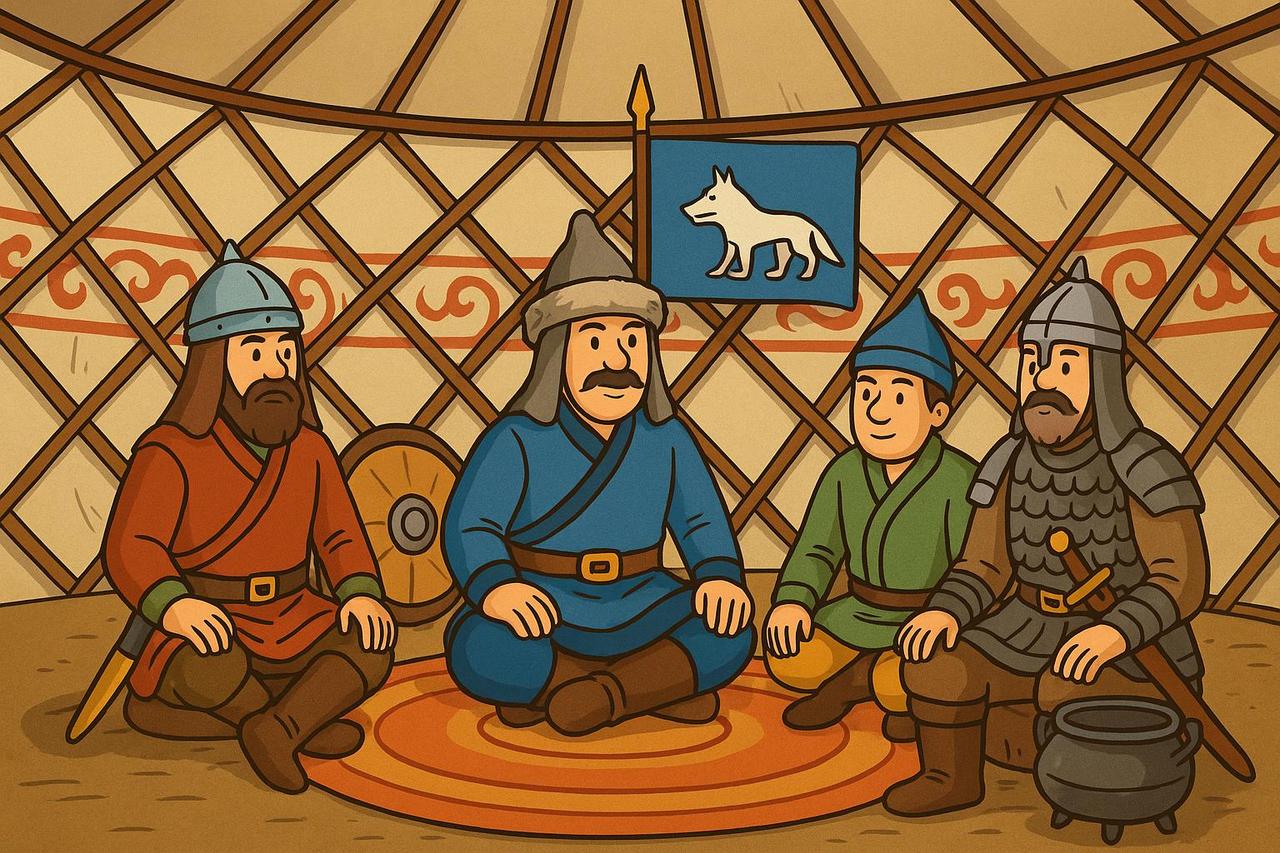
Göktürks - The First Nation to Make "Turk" a State Name
Who Were the Göktürks? The Göktürks were a Turkic people who first used the name "Turk" as the official name of a state and established a powerful empire in Central Asia. They were both warriors and the first Turks to use writing to record their own history. Where and When Were They Established? The Göktürks emerged in Central Asia during the 6th century, around the Altai Mountains and the Orkhon River. In 552, under the leadership of Bumin Kağan, they founded the Göktürk State. Their capital wa
EN
Mustafa Cem İnci
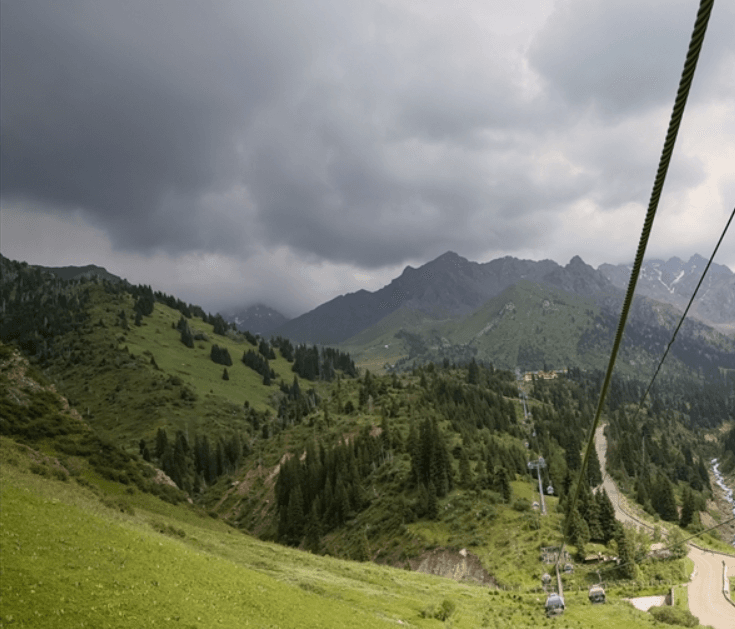
Mountains of God
Tian Shan (Chinese: Tian Shan, English: Tian Shan Mountains) is one of the largest mountain ranges in Central Asia. These mountains lie within the borders of Kazakhstan, Kyrgyzstan, Uzbekistan, Tajikistan, and China’s Xinjiang Uyghur Autonomous Region. The designation “Tian Shan” in Turkish is associated with the historical significance and sacredness attributed to this region by its inhabitants over centuries. Tian Shan (AA) " image-alternate="" image-element-format="right"> Geographical Loc
EN
Elif Laçin
Kımız
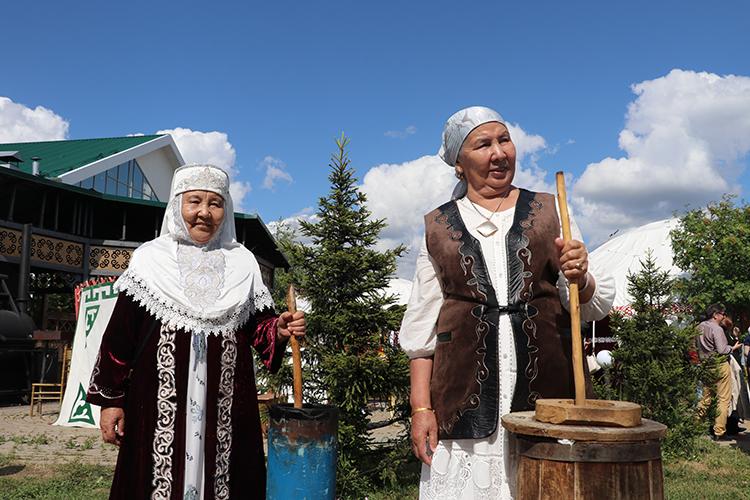
Kımız is a fermented dairy product primarily made from mare’s milk and consumed by Turkic peoples throughout history. Among Central Asian Turks, kımız has been described as a beverage that enhances the courage of warriors, inspires poets, and dispels negative thoughts. The Kyrgyz have noted that households consuming kımız experience fewer health problems. The Dede Korkut Stories contain references to kımız being served at feasts. culturally, kımız is not merely a beverage but also a product valu
EN
Nursena Güller

Mongolia
Mongolia is a vast landlocked steppe country located in the interior of East Asia. Throughout history it has been one of the political and cultural centers of Central Asia. Bordered by Russia to the north and China to the south this country with an area of 1,564,116 square kilometers ranks among the world’s largest landlocked nations. With a population of around 3.5 million it is also the least densely populated country on Earth. Most of its territory has been inhabited for thousands of years by
EN
Berk Büyükarslan
MaMankurtization
Mankurtization is a deeply symbolic metaphor rooted in Central Asia legends and popularized by Cengiz Aytmatov’s novel Gün Olur Asra Bedel. It is a comprehensive concept with significant historical origins as well as contemporary sociological and psychological interpretations. Origins of the Mankurt Legend The concept of mankurtization is based on a legend passed down by ancient Turk and Mongol communities of Central Asia. According to the legend, captives taken by enemy tribes were subjected to
EN
Elyesa Köseoğlu

Kazakhstan
Kazakhstan, the largest country by area in Central Asia, is one of the region’s most active actors with a territory of 2.724.900 square kilometers and a population of approximately 20 million. Bordered by People's Republic of China to the east, Russian Federation to the north, Kyrgyzstan and Uzbekistan to the south, and the Caspian Sea to the west, Kazakhstan has historically been a crossroads of major trade and culture routes due to its geopolitical position. In 1991, Kazakhstan declared its in
EN
Meryem Şentürk Çoban
Anav Culture
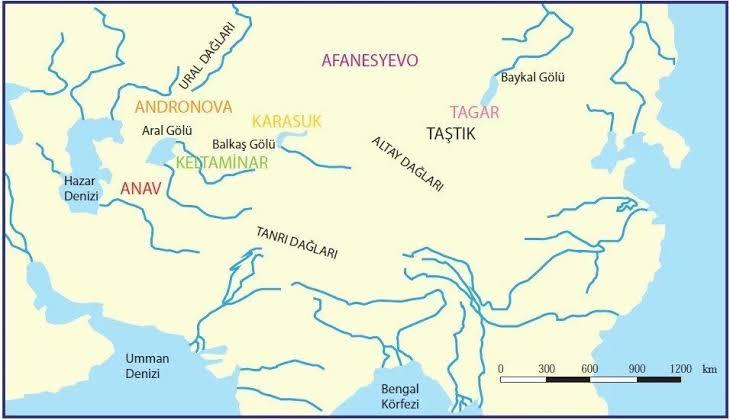
The Anau Culture is an early Bronze Age culture that developed around 3000–2500 BCE in the western Altai Mountains and the central Tian Shan region. Named after the Anau region in the plains of Turkmenistan, it symbolizes the transition to settled life and cultural interaction in Central Asia. The Anau Culture is notable for its archaeological findings, artistic production, settlement patterns, and social structure. Settlement Areas and Geographic Distribution The most important settlement area
EN
Esmanur Demir
DeDehumanization
Mankurtization is a profound metaphor rooted in ancient Central Asian Asia legends and widely known to the public through Cengiz Aytmatov's novel A Day Worth Its Weight in Gold. It is a comprehensive subject encompassing both historical origins and contemporary sociological and psychological interpretations. Origins of the Mankurt Legend The concept of mankurtization is based on a legend passed down by ancient Turkish and Mongol communities of Central Asia. According to the legend, captives take
ENElyesa Köseoğlu