

`kyrgyzstan` Related Article Results

National Anthem of Kyrgyzstan
National Anthem of Kyrgyzstan (Кыргыз Республикасынын Мамлекеттик Гимни) is the national anthem, adopted on 18 December 1992, with lyrics attributed to Jelil Sadikov and Shabdanuly Kuluyev. National Anthem of Kyrgyzstan (Nur Cholpon) " youtube-video-element-format="right" youtube-video-id="S5e0BhhBwOQ"> Lyrics The Kyrgyz lyrics of the anthem are as follows: Ak möngülüü aska zoolor, talaalar, Elibizdin canı menen barabar. Sansız kılım Ala-Toosun mekendep, Saktap keldi bizdin ata-babalar. Algal
EN
Duygu Şahinler
1944 Deportation of the Ahiska Turks
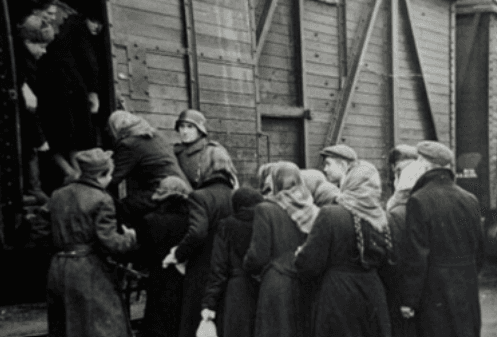
The 1944 Deportation of the Meskhetian Turks was a mass expulsion carried out by the Soviet Union on November 14–15, 1944, during which approximately 90,000 to 117,000 Meskhetian Turks living in the Ahıska region of Georgia were forcibly relocated to Kazakhstan, Kyrgyzstan, and Uzbekistan under the pretext of “security.”Anadolu Ajansı. "Ahıska Türklerinin sürgün edilişinin 77. yılı." Son Erişim: 13.11.2025. https://www.aa.com.tr/tr/dunya/ahiska-turklerinin-surgun-edilisinin-77-yili/2420338 ">
EN
Duygu Şahinler
Kyrgyzstan Day of Remembrance of History and Ancestors
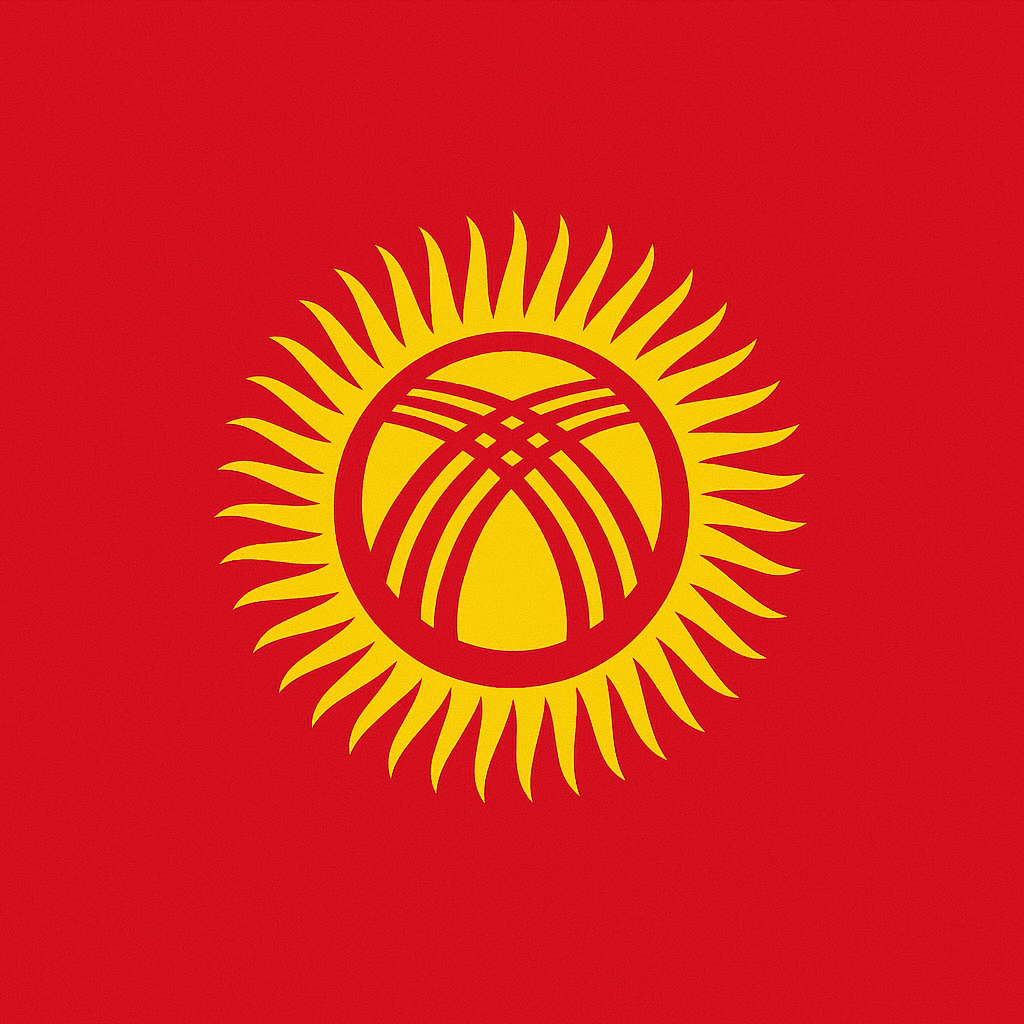
Day of Memory of History and Ancestors is an official day of remembrance held annually in Kyrgyzstan on 7–8 November to honor those who lost their lives for the country’s independence and those who perished during periods of repression and oppression. Declared by the Kyrgyz government in 2017, the day is recognized as an official public holiday. History and Significance The day of remembrance commemorates the 1916 Urkun Uprising against the Russian Empire, a symbol of the Kyrgyz people’s struggl
ENDuygu Şahinler
Kyrgyzstan (Kyrgyz Republic)
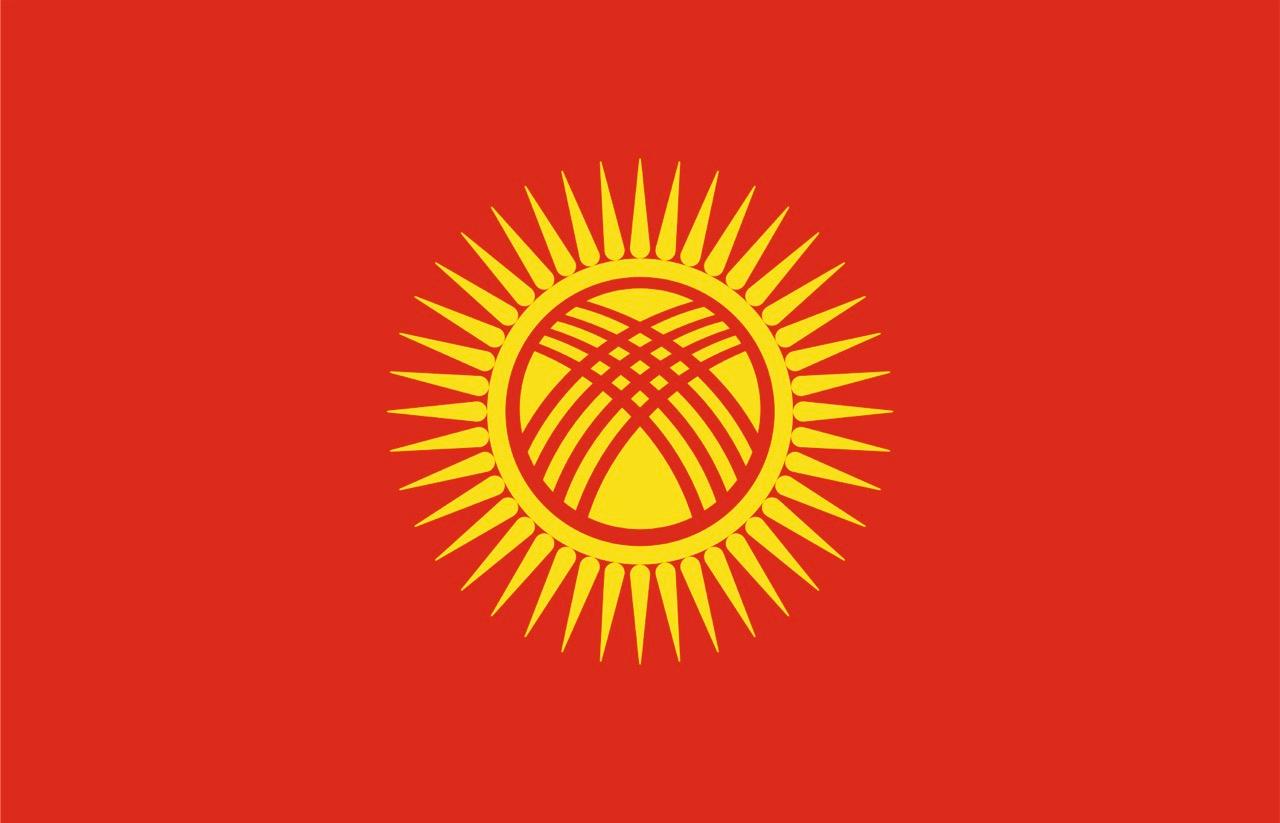
Kyrgyzstan (officially the Kyrgyz Republic) is a landlocked country located in the northeastern part of Central Asia. With an area of 199,951 km², it shares borders with Kazakhstan to the north, China to the east and southeast, Uzbekistan to the west, and Tajikistan to the southwest. Its capital is Bishkek. Governed as a parliamentary republic, Kyrgyzstan’s official language is Kyrgyz. Its population is estimated at 7,227,000 as of 2025.T.C. Ministry of Trade, “Kyrgyzstan,” ticaret.gov.tr, Last
EN
Nazlı Kemerkaya
 A
A A Day Is Worth a Century (Book)
The Day Lasts More Than a Century The 1980 novel The Day Lasts More Than a Century by Kyrgyz author author Chingiz Aytmatov deals with events taking place on the Central Asian steppes during the Soviet era. Through Aytmatov’s narrative rooted in Kyrgyz culture, the novel explores the clash between local traditions and ideological structures while focusing on individual memory identity and the struggle for existence under social pressure. Plot and Structure The novel centers on Yedige a railway s
EN
Elyesa Köseoğlu
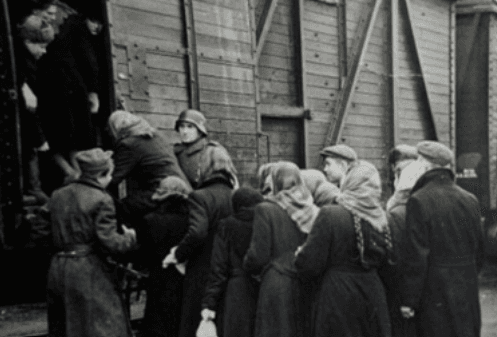
1944 Ahiska Turk Deportation
The 1944 Deportation of the Meskhetian Turks is a mass forced displacement carried out by the Soviet Union on 14–15 November 1944, in which approximately 90,000 to 117,000 Meskhetian Turks living in the Ahıska region of Georgia were forcibly relocated to Kazakhstan, Kyrgyzstan, and Uzbekistan under the pretext of “security.”Anadolu Ajansı. "Ahıska Türklerinin sürgün edilişinin 77. yılı." Son Erişim: 13.11.2025. https://www.aa.com.tr/tr/dunya/ahiska-turklerinin-surgun-edilisinin-77-yili/2420338 "
ENDuygu Şahinler
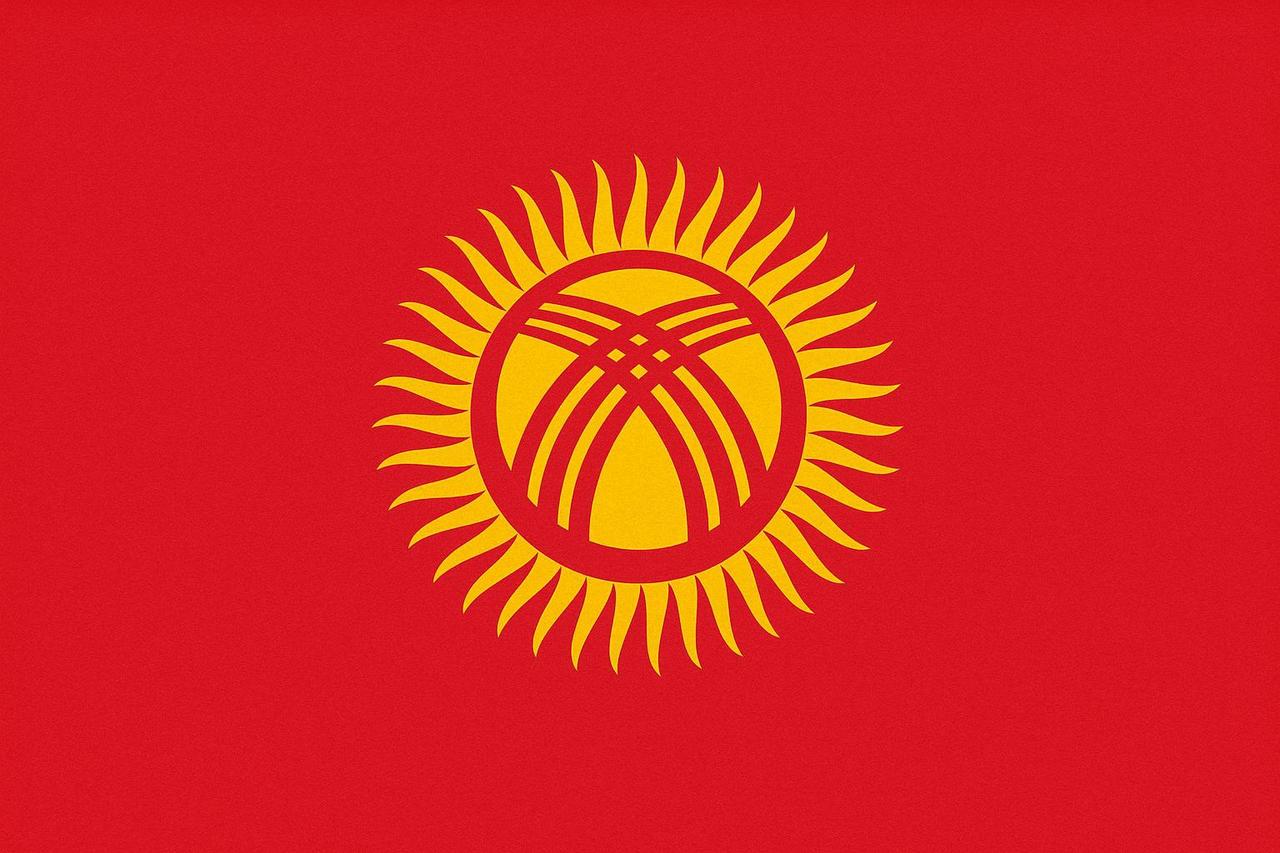
Let Us Get to Know Kyrgyzstan
Kyrgyzstan is a country located in Central Asia. Its neighbors are Kazakhstan, Uzbekistan, Tajikistan, and China. The capital of this mountainous country is Bishkek. A continental climate predominates in Kyrgyzstan, resulting in hot summers and very cold winters. Historical and Cultural Heritage Kyrgyzstan has a deep-rooted Turkic culture. The Kyrgyz people have lived a nomadic lifestyle since ancient times, riding horses and setting up tents. They possess a long and significant oral epic known
EN
Mustafa Cem İnci

Boz Üy
Boz üy, a portable type of dwelling, is integrated with the historical and social structure of Turkish nomadic culture. The word "Boz" in Old Turkish means "steppe, open area," and when combined with "üy" (house), it refers to tent structures used in open areas, which are disassemblable, portable, and re-erectable. This type of structure has been the basic dwelling unit for various Turkic tribes, especially those living in the Central Asian steppes. Historical and Cultural Background Boz üy has
EN
Sümeyye Akkanat Terzioğlu

Home
Yurt is a portable dwelling type, indispensable to the family (hearth) life of Turkic nomadic communities and regarded as sacred. Once a settlement area is selected, a yurt can be quickly assembled to meet immediate needs. Families may own more than one yurt depending on their means. The yurt was not used solely for shelter; it also served as the central space for ceremonies such as birth, marriage, and funeral rites, as well as for daily life. In this sense, it is a structure that embodies fami
EN
Nursena Güller
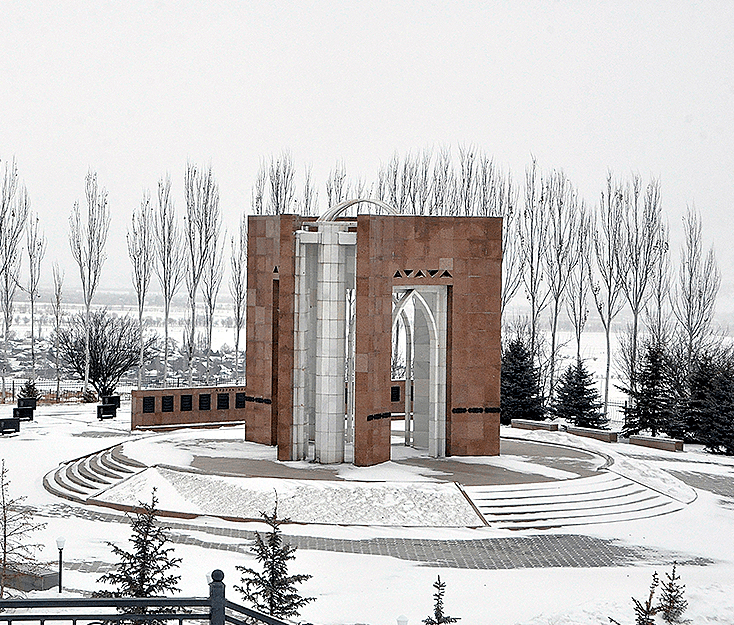
Ata Beyit
Ata Beyit is a monumental cemetery and national memory site located approximately 30 kilometers from the capital of Kyrgyzstan, Bishkek, near the village of Chon-Tash. The term Ata Beyit means “Father’s Grave” in Kyrgyz Turkish. This site was secretly used to bury Kyrgyz intellectuals, politicians, and artists who were victims of political massacres carried out during Stalin’s regime in 1938. Today, it serves both as a place of national mourning and a memorial space. Ata Beyit Memorial Cemetery
EN
Neriman Sena Külünk