

`uzbekistan` Related Article Results
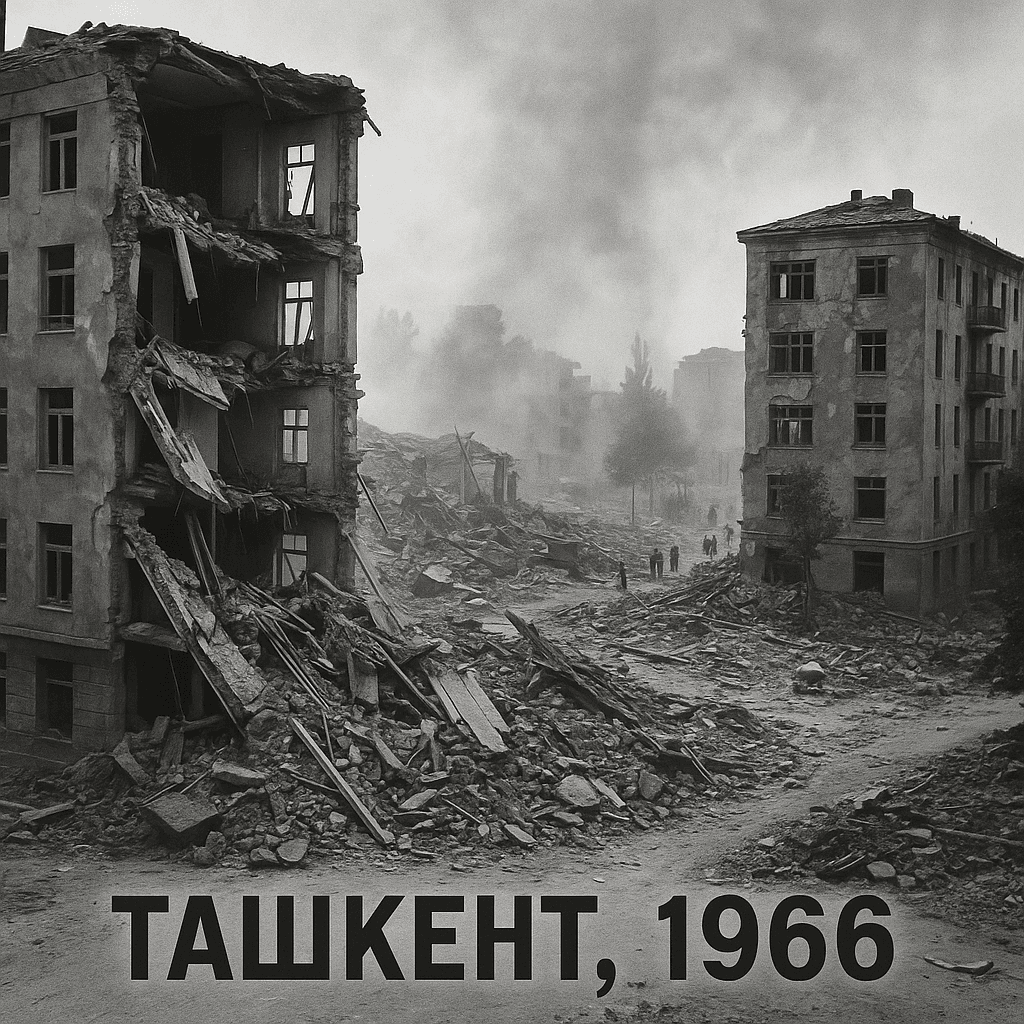
1966 Tashkent Earthquake
The Tashkent Earthquake was a natural disaster that occurred on April 26, 1966, at approximately 05:23 in the early morning, in Tashkent, the capital of the Uzbek Soviet Socialist Republic, then part of the Soviet Union. It caused extensive destruction in the city and is considered one of the most significant earthquakes in its modern history. Estimated at a magnitude of 7.5 to 8, the earthquake left a lasting imprint on Tashkent’s collective memory, both physically and psychologically. Tashkent
EN
Duygu Şahinler
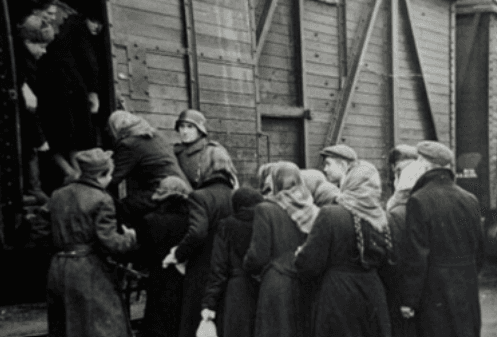
1944 Deportation of the Ahiska Turks
The 1944 Deportation of the Meskhetian Turks was a mass expulsion carried out by the Soviet Union on November 14–15, 1944, during which approximately 90,000 to 117,000 Meskhetian Turks living in the Ahıska region of Georgia were forcibly relocated to Kazakhstan, Kyrgyzstan, and Uzbekistan under the pretext of “security.”Anadolu Ajansı. "Ahıska Türklerinin sürgün edilişinin 77. yılı." Son Erişim: 13.11.2025. https://www.aa.com.tr/tr/dunya/ahiska-turklerinin-surgun-edilisinin-77-yili/2420338 ">
EN
Duygu Şahinler
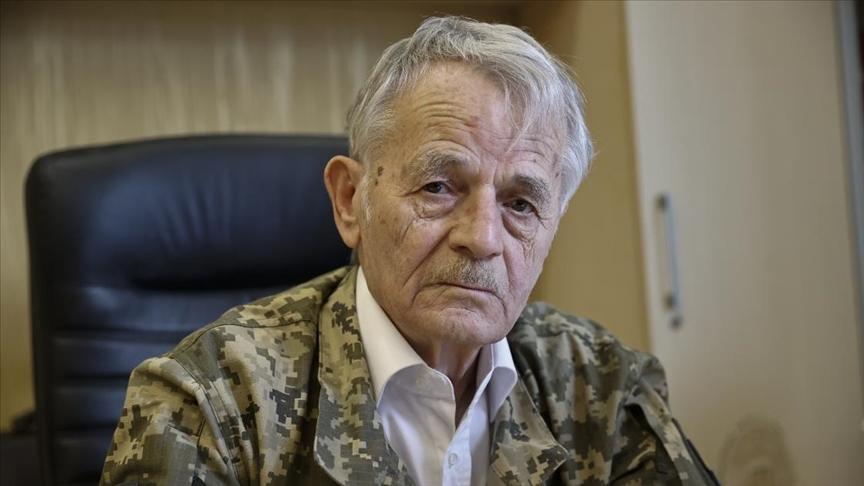
Mustafa Abdülcemil Kırımoğlu
Mustafa Abdülcemil Kırımoğlu, born in 1943 in Crimea, was deported with his family to Uzbekistan as an infant during the deportation of 18 May 1944. Since his youth, he has fought for the rights of the Crimean Tatar people, leading to multiple arrests during the Soviet era and prolonged periods spent in prison, exile, and labor camps. From the 1980s onward, he became a leader of the Crimean Tatar National Movement, guiding his people’s return to their homeland. He has been a prominent political
ENDuygu Şahinler
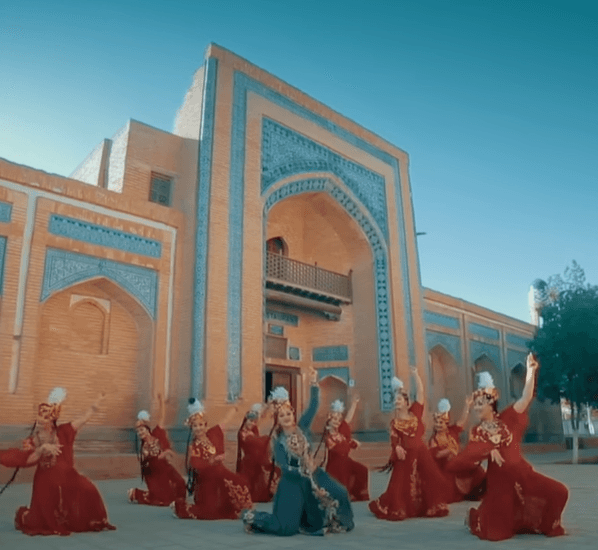
Harezm Lezgisi
Harezm Lezgisi, Özbekistan’ın batısında yer alan Harezm bölgesine özgü, dinamik figürleri, ritmik yapısı ve zengin kültürel bağlamıyla tanınan geleneksel bir halk dansıdır. Özbek Türklerinin kültürel kimliğinde önemli bir yer tutan bu dans, 12 Aralık 2019’da Kolombiya’nın başkenti Bogota’da düzenlenen UNESCO Somut Olmayan Kültürel Mirasın Korunması Hükûmetlerarası Komite toplantısında “İnsanlığın Somut Olmayan Kültürel Mirası” olarak tescillenmiştir. Harezm Lezgisi (Hulkar Abdullaeva - Youtube)
TRDuygu Şahinler
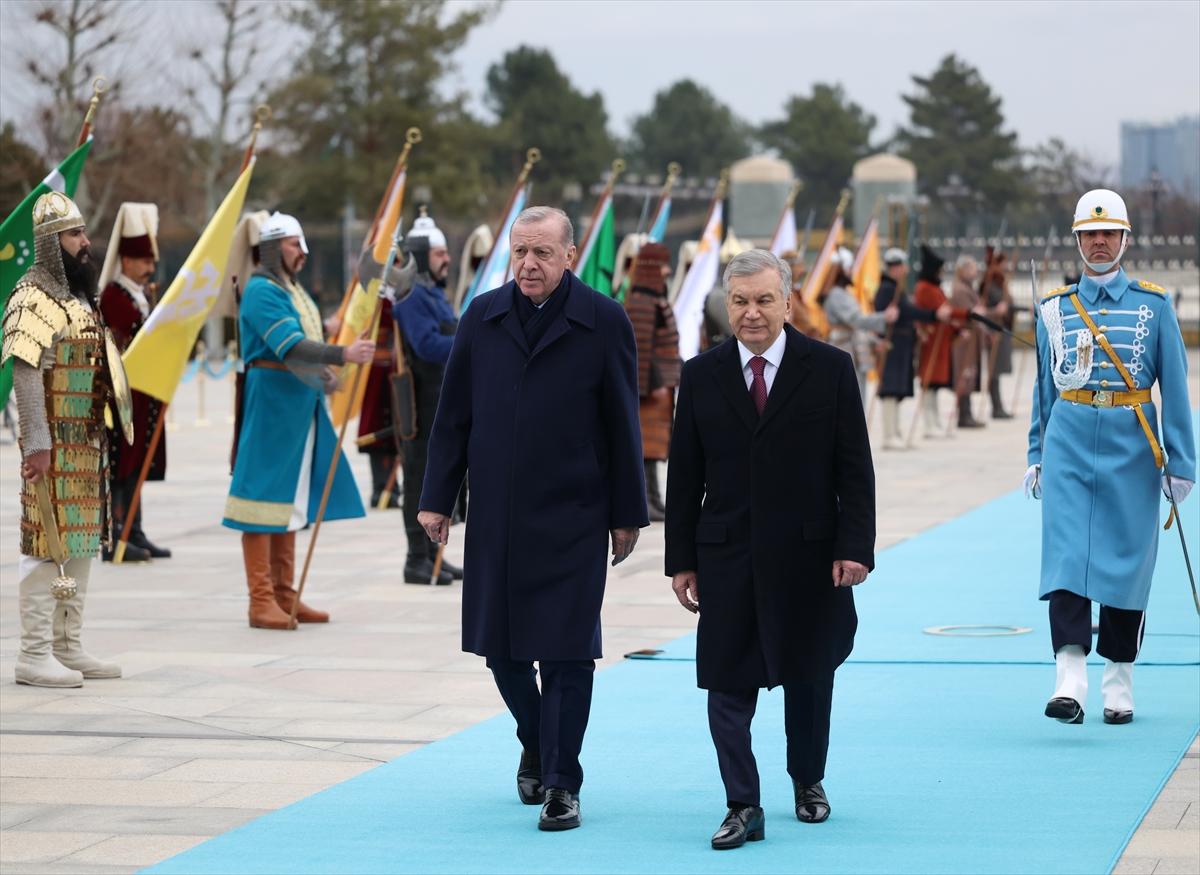
State Visit of Uzbekistan President Shavkat Mirziyoyev to Türkiye (2026)
State Visit of Uzbekistan President Shavkat Mirziyoyev to Türkiye was an official state visit to Ankara on 29 January 2026 at the invitation of Türkiye President Recep Tayyip Erdoğan. The visit took place within the framework of the fourth meeting of the Türkiye-Uzbekistan High-Level Strategic Cooperation Council (HLSCC), which addresses bilateral relations at the level of strategic partnership. It was noted that the visit occurred on the eve of the 30th anniversary of the “Eternal Friendship an
EN
Edanur Karakoç
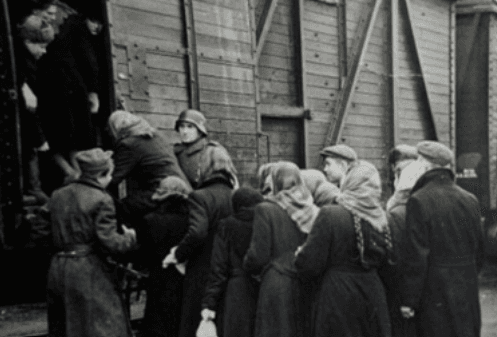
1944 Ahiska Turk Deportation
The 1944 Deportation of the Meskhetian Turks is a mass forced displacement carried out by the Soviet Union on 14–15 November 1944, in which approximately 90,000 to 117,000 Meskhetian Turks living in the Ahıska region of Georgia were forcibly relocated to Kazakhstan, Kyrgyzstan, and Uzbekistan under the pretext of “security.”Anadolu Ajansı. "Ahıska Türklerinin sürgün edilişinin 77. yılı." Son Erişim: 13.11.2025. https://www.aa.com.tr/tr/dunya/ahiska-turklerinin-surgun-edilisinin-77-yili/2420338 "
ENDuygu Şahinler
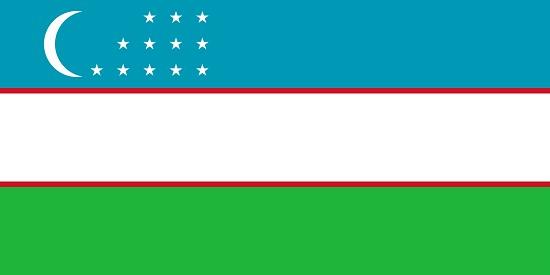
Uzbekistan
Uzbekistan Republic; is a landlocked state located in the center of Central Asia, bordered by the Tian Shan mountains to the east and the Turan Depression to the west. The majority of its territory is covered by the Kyzylkum Desert. With an area of approximately 447,400 km², Uzbekistan is one of only two “double landlocked” countries in the world, meaning it is landlocked and all its neighbors are also landlocked.【1】 With a population of 37.7 million according to recent data, Uzbekistan is the m
EN
Bahtışen Kabak
 Fe
FeFergana Events
Fergana The uprising was an event involving ethnic clashes that occurred in 1989 in the Fergana Valley of the Uzbek Soviet Socialist Republic, then part of the Soviet Union. Uprising It intensified tensions particularly between the Meskhetian Turks and Uzbeks and was suppressed by the intervention of the Soviet military. This event is regarded as one of the most striking examples of ethnic tensions that emerged during the dissolution of the Soviet Union. The Fergana Valley is one of the most den
EN
Muhammed Ali Öcal

Let Us Get to Know Uzbekistan
Uzbekistan is a historically and culturally rich country located in Central Asia. Its capital is Tashkent, and other major cities include Samarkand, Bukhara, and Khiva. As a key stop along the Silk Road, Uzbekistan has historically hosted great scholars and artists. From Nomadism to Civilization The Uzbeks, one of the ancient peoples of Central Asia, have lived both nomadic and settled lives throughout history. Cities such as Samarkand and Bukhara are among the oldest continuously inhabited sett
EN
Mustafa Cem İnci
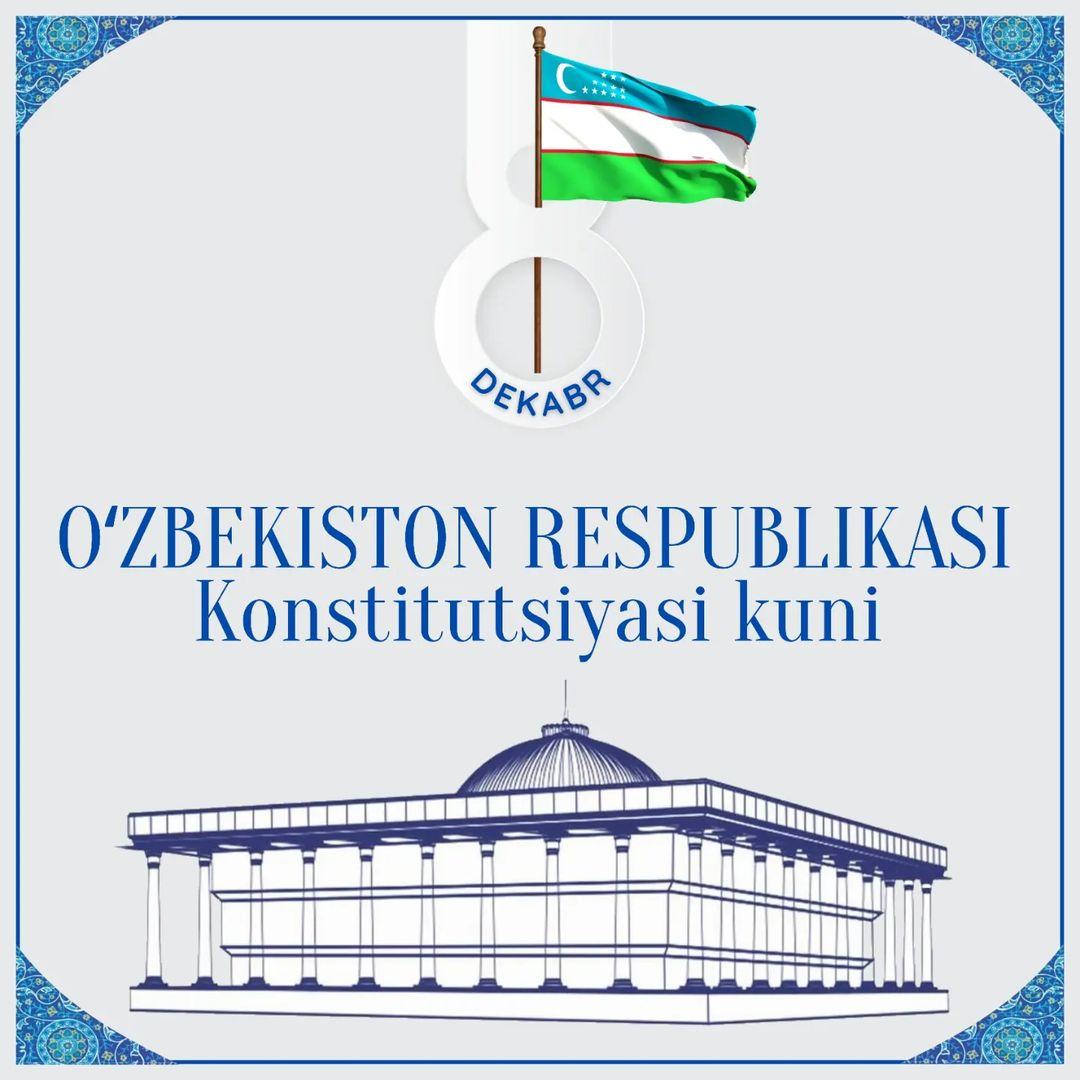
Uzbekistan Constitution Day
Constitution Day of Uzbekistan is an official national holiday celebrated annually on 8 December in the Republic of Uzbekistan. This date commemorates 8 December 1992, when the country’s first constitution came into effect after gaining independence from the Soviet Union. Adoption and Significance of the 1992 Constitution The Constitution of Uzbekistan adopted on 8 December 1992 serves as the founding document of the independent state. It elevated fundamental principles such as sovereignty, supr
EN
Elif Laçin