

`camii` ile İlgili Madde Sonuçları
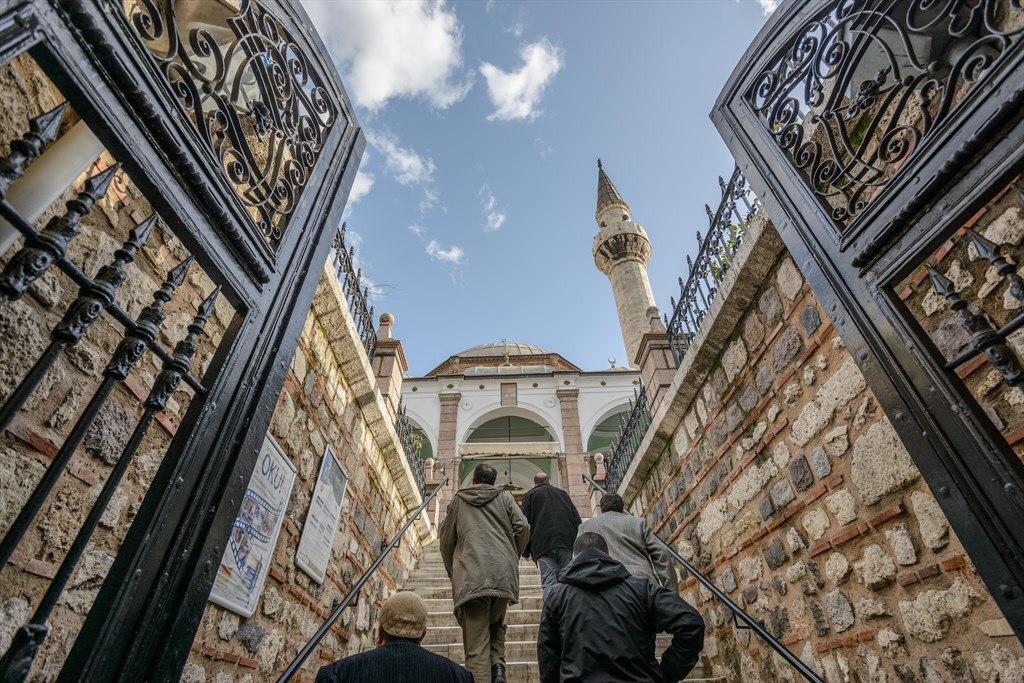
Başdurak (Hacı Hüseyin) Camii
Basdurak Camii, during the Ottoman period known as Hacı Hüseyin Ağa Camii, is a historical mosque located in the city center of İzmir. The structure derives its name from its founder, Hacı Hüseyin Ağa ibn Muharrem el-Cündî, and was constructed in the mid-17th century. Endowment records and travel accounts confirm that during the Ottoman era, the mosque was among the principal mosques in İzmir where Friday prayers were held. History Basdurak Camii (Hacı Hüseyin Camii) is an Ottoman-era mosque of
EN
Fatmanur Mavibaş
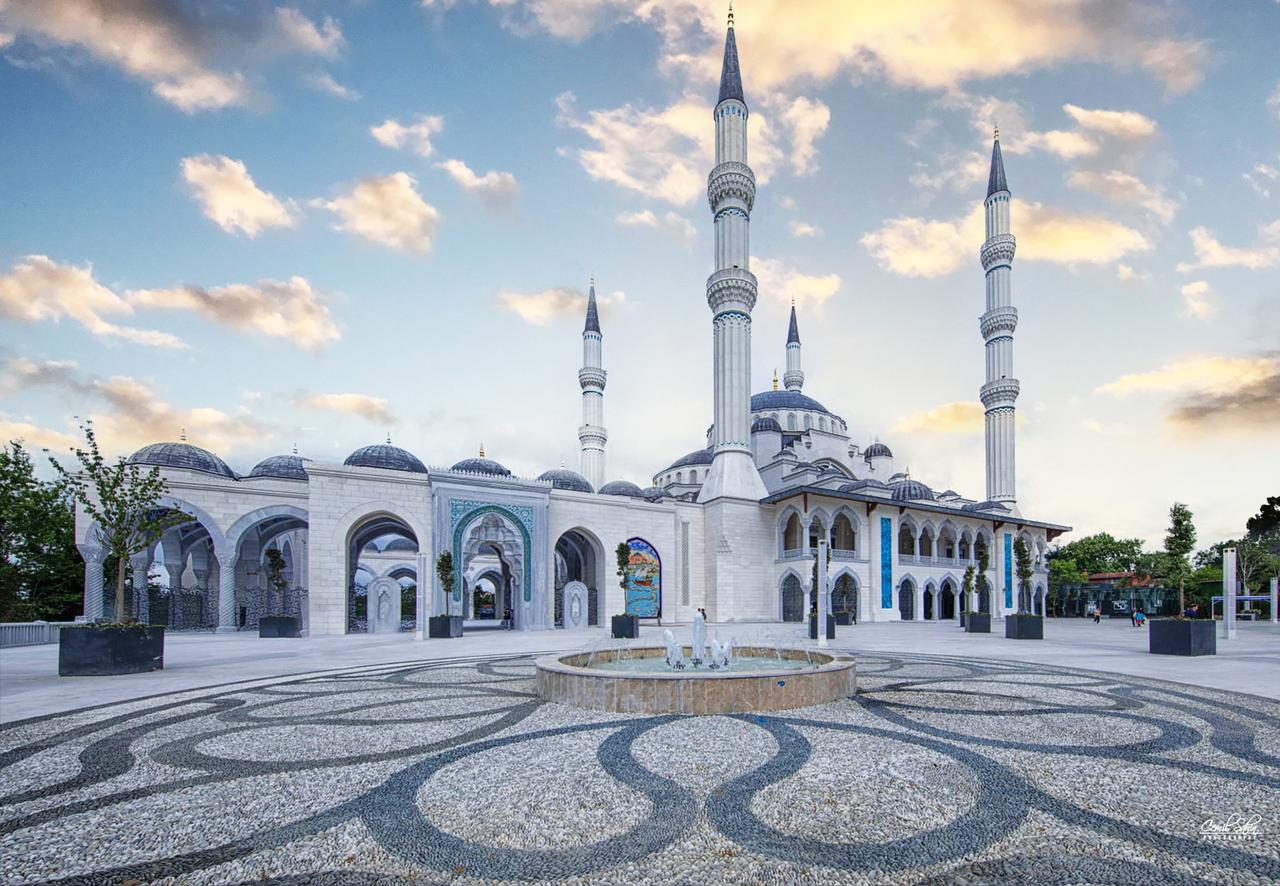
Barbaros Hayrettin Paşa Camii
Barbaros Hayrettin Paşa Camii is a large-scale mosque located in the Levent neighborhood of Istanbul’s Beşiktaş district, opened for worship in 2023. Named after Kaptan-ı Derya Barbaros Hayrettin Paşa, a prominent figure in Ottoman naval history, the mosque was constructed using modern building techniques inspired by classical Ottoman architecture. Construction Process and Opening The foundation stone was laid on 3 July 2020 in a ceremony attended by President Recep Tayyip Erdoğan. The construct
EN
Nurten Yalçın
Çandır Şahruh Bey Mosque
Çandır Şahruh Bey Mescidi is one of the significant works of the Dulkadiroğulları Beylik, which flourished in Anatolia approximately 500 years ago. Although the original structure of the mosque has largely been lost, the remaining short and sturdy minaret stands as an important marker of the architecture and history of that era. Have you ever imagined that even a single fragment of a building so ancient could survive and still stand today? This minaret acts as a messenger bringing us knowledge f
EN
Nida Üstün
Gazi Mihal Camii
Gazi Mihal Camii is an important structure dating back to the early periods of the Ottoman Empire. Mosques are large buildings where people gather for worship and are notable for their architecture. This mosque, constructed approximately 600 years ago, stands out for both its historical and architectural significance. Time Travel Gazi Mihal Camii was built in 1422, about 600 years ago, during the reign of Ottoman Sultan Murad II. The mosque is named after Emîrü'l-kebîr Mihal b. Azîz. At that tim
ENNida Üstün
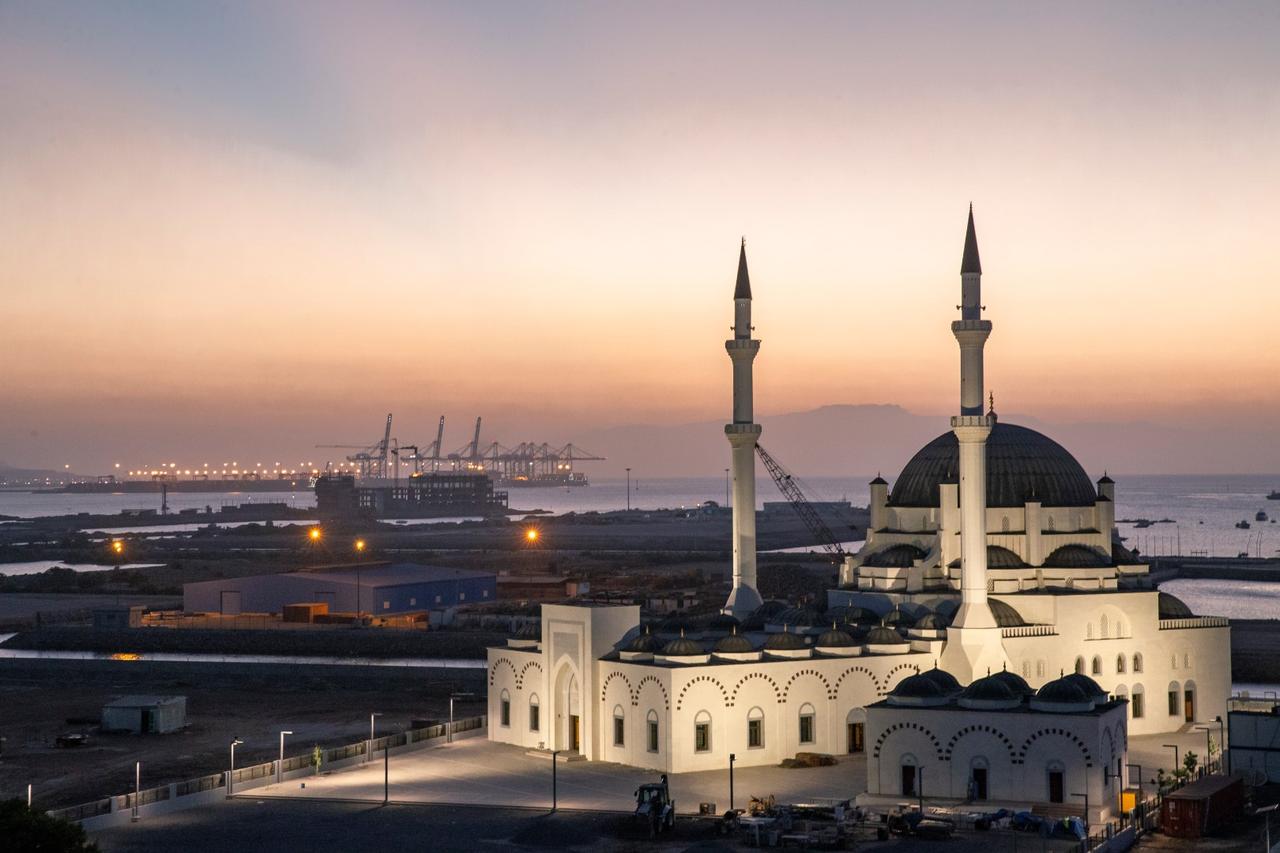
Djibouti 2 Abdülhamid Han Mosque and Complex
Djibouti 2nd Sultan Abdulhamid Mosque and Complex is a place of worship and religious complex located in the capital of the East African country Djibouti, featuring elements of Ottoman architecture and serving as the country’s largest mosque. The project, initiated by the Turkish Directorate of Religious Affairs in 2015, was completed and opened for service in 2019. Djibouti 2nd Sultan Abdulhamid Mosque – Exterior Facade and Minarets (Türkiye Diyanet Foundation) " image-alternate="" image-elemen
EN
Nurten Yalçın
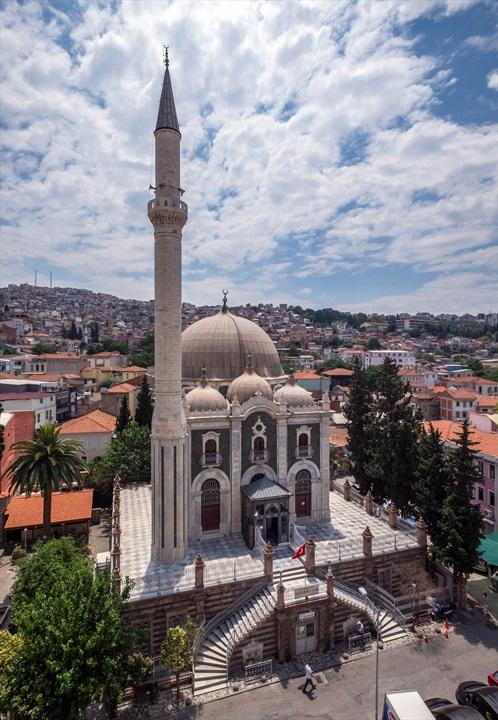
Hacı Ahmet Sait Salepçioğlu Camii
Salepçioğlu Camii is located in the Konak district of İzmir, near the historic Kemeraltı Çarşısı, and is an important structure among Ottoman-era mosques featuring Baroque elements. The mosque was constructed between 1897 and 1907 under the supervision of İzmir Qadi Mehmet Emin Efendi, in accordance with the will of Salepçizade Hacı Ahmet Efendi. Construction began on 15 October 1895 and was completed on 20 February 1906. The mosque was opened for worship on 14 April 1906 in the presence of İzmi
EN
Emine Beyza Yiğittürk
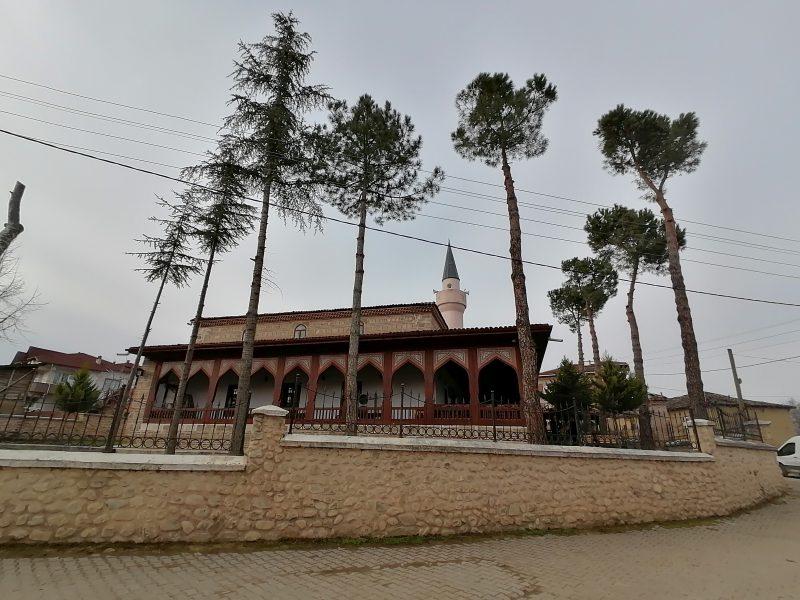
Silahtar Ömer Paşa Camii
Silahtar Ömer Paşa Camii is located in the village of Akça (Fidi) in Anadolu and is one of the wooden mosques of the region. The structure exhibits architectural features of the Ottoman period and was built with a style close to that of the Seljuks. Although there is no definitive information regarding its construction date, it is known from inscriptions on the existing brass chandeliers that it underwent extensive restoration in 1688. The mosque derives its name from Silahtar Ömer Paşa, of whom
EN
Muhammet Ali Demir
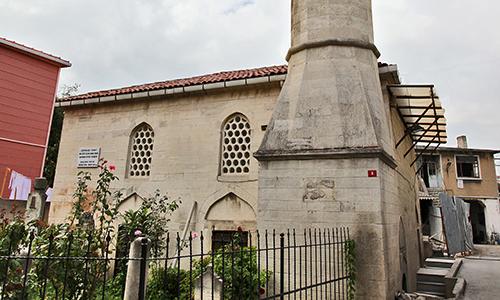
Çeribaşı Camii
Çeribaşı Camii (or Çeribaşı Mescidi) is a religious structure located on Feshane Caddesi in the Eyüpsultan district of Istanbul, built in the 16th century and consisting of a covered prayer space, a cemetery, and a place for ablutions. History and Nomenclature The foundation deed of the mosque dates to 952 AH (1545 CE), and its founder was Zehra bint-i Abdullah Hatun. Due to popular tradition associating the structure with blacksmith gypsies who engaged in charitable work, it is also known as De
EN
Gözde Cabadak
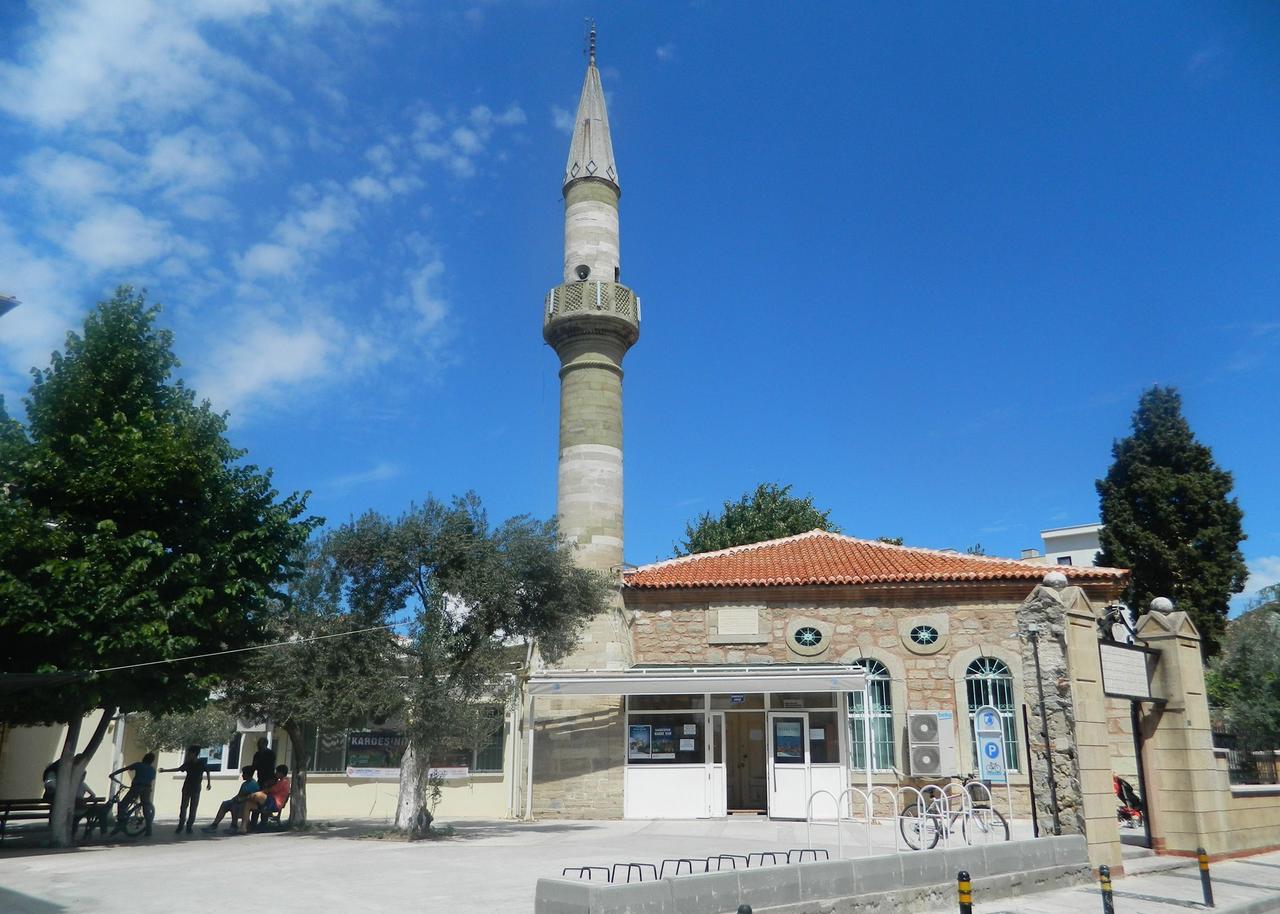
Tıflı Camii
Tıflı Camii is a historical religious structure located in the center of Çanakkale province, built during the late 19th century under the Ottoman Empire. It is situated on Çarşı Street in the Fevzipaşa neighborhood. The building has undergone various repairs throughout its history and is currently open for worship and accessible to the public. History and Origin of the Name According to the marble foundation inscription on the western entrance of the mosque, the structure was commissioned by Sul
EN
Fatma Türkoğlu
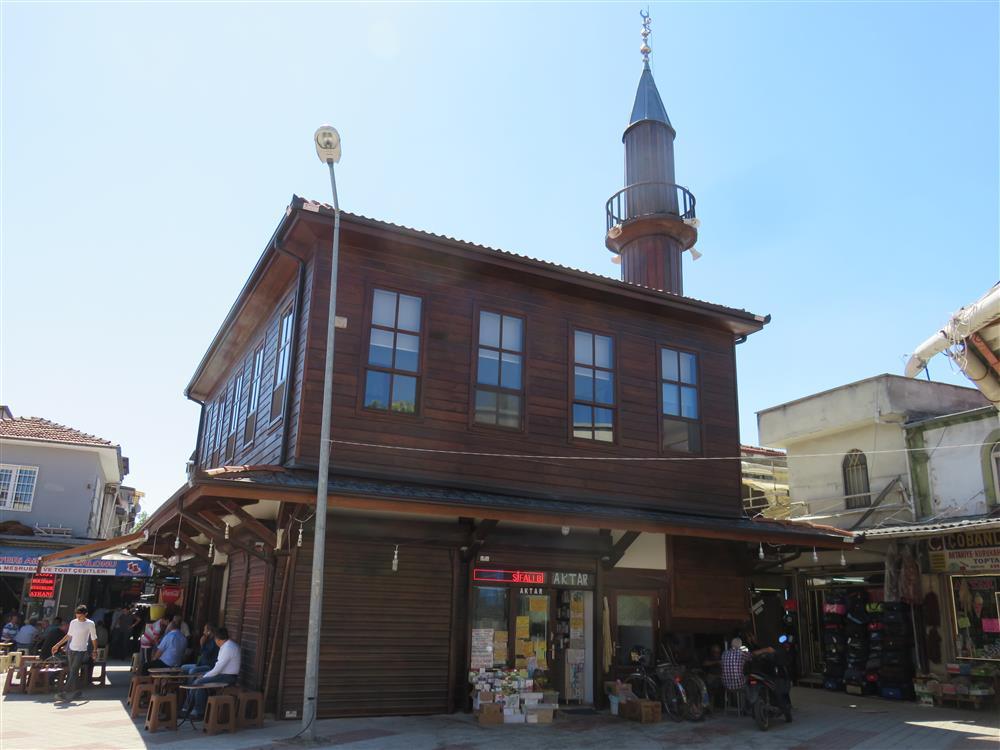
Middle Mosque
Orta Camii is a historical place of worship located within the boundaries of Cumhuriyet Mahallesi in the district of Adapazarı, Sakarya province. The structure was built in 1165 AH (1752 CE). Location The mosque is situated within Uzunçarşı in Adapazarı, between Pirinç Pazarı and Aynalı Kavak Çarşısı. Official address records list its location as Pirinç Pazarı Çarşısı. Orta Camii(Sakarya Provincial Directorate of Culture and Tourism) " image-element-format="right" image-height="750" image-source
EN
Bilal ATAÇ