


This article was automatically translated from the original Turkish version.
+1 More
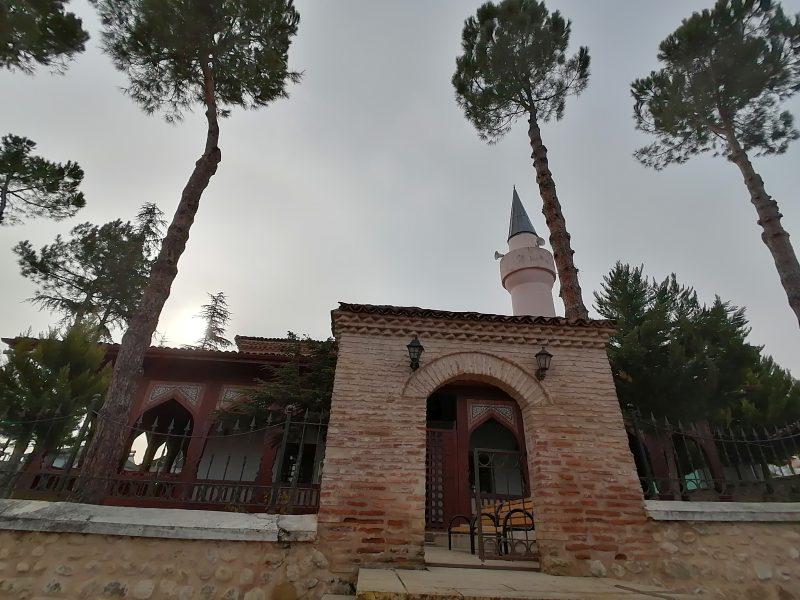
Silahtar Ömer Paşa Camii
Location | Tokat - Erbaa - Akça (Fidi) Town | ||||||||
|---|---|---|---|---|---|---|---|---|---|
Construction Date | 1082 | ||||||||
Period | Seljuk | ||||||||
Ownership | General Directorate of Foundations | ||||||||
Architectural Features | Seljuk stone and tile decoration, wood and paint decoration, ornate door made of cut stone and brick with tiled roof, wooden ceiling surrounded by wooden arches, minbar and mihrap supported by four wooden columns, synthesis of 11th century Turkish art with Seljuk patterns and motifs in hexagons on painted and carved ceilings, intersecting shapes in the goblet and hanging reliefs | ||||||||
Silahtar Ömer Paşa Camii is located in the village of Akça (Fidi) in Anadolu and is one of the wooden mosques of the region. The structure exhibits architectural features of the Ottoman period and was built with a style close to that of the Seljuks. Although there is no definitive information regarding its construction date, it is known from inscriptions on the existing brass chandeliers that it underwent extensive restoration in 1688. The mosque derives its name from Silahtar Ömer Paşa, of whom legends say he rose from shepherd to pasha.
The exterior of the mosque has a simple structure. Three sides are surrounded by arcades, and the courtyard walls built of rubble stone define the building’s boundaries. The round-arched, brick-laid, ornamental entrance on the northwestern side is larger than the other entrances and provides a prominent transition into the courtyard. In the northwestern corner of the courtyard, a fountain has been added in recent times.
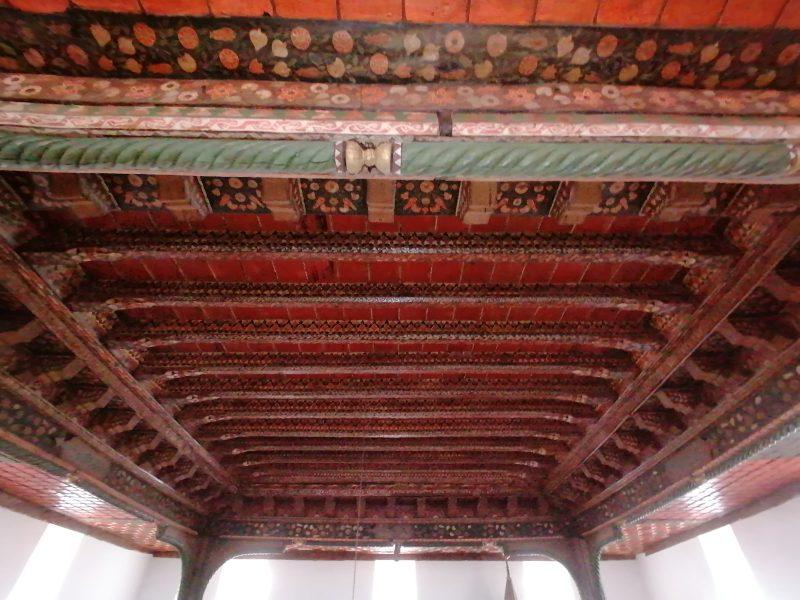
Interior Structure of Silahtar Ömer Paşa Camii - Erbaa Municipality
The interior space of the mosque is one of the important examples of Anatolian wooden decorative art. Pointed arches supported by wooden elements are elaborately decorated, creating an aesthetic depth within the space. The inner surfaces of the side arches and both the inner and outer surfaces of the northern arches feature motifs predominantly in blue tones. The vegetal patterns at the corners reveal the artistic details of the structure.
Silahtar Ömer Paşa Camii was constructed entirely of wood using joinery and interlocking techniques instead of nails. This method, commonly found in Ottoman wooden architecture, strengthens the structural elements by connecting them without metal fasteners. The wooden joints support the building’s longevity and flexibility while preserving its aesthetic integrity.
Silahtar Ömer Paşa Camii holds a unique position among Anatolian wooden mosques in terms of architectural and decorative features. The structure has survived to the present day as a work reflecting the fusion of Ottoman and Seljuk architectural sensibilities.
The entrance door of the mosque is regarded as one of the important examples of Ottoman wooden craftsmanship. The door panels, constructed using the mortise-and-tenon technique, are divided into panels and adorned with raised nails. The door frame and arch are painted to imitate stone, creating a mimetic architectural illusion. This technique stands out as one of the rare applications that give the impression of stonework on a wooden surface.
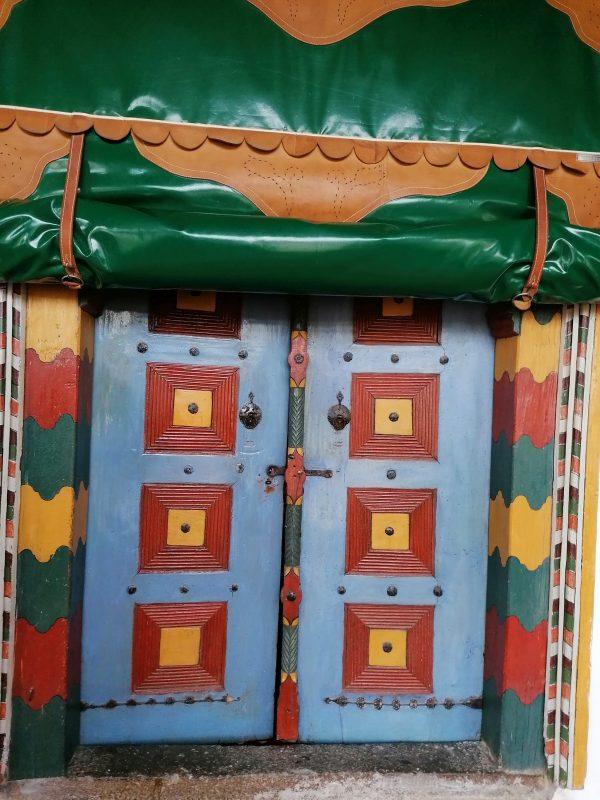
Door craftsmanship - Erbaa Municipality
The ceiling of the mosque is one of its most striking features. It is supported by four wooden pillars with twisted motifs, reinforced by beams, and decorated with colorful patterns. The refined craftsmanship characteristic of Ottoman art and the traditional details of Seljuk architecture converge in this structure.
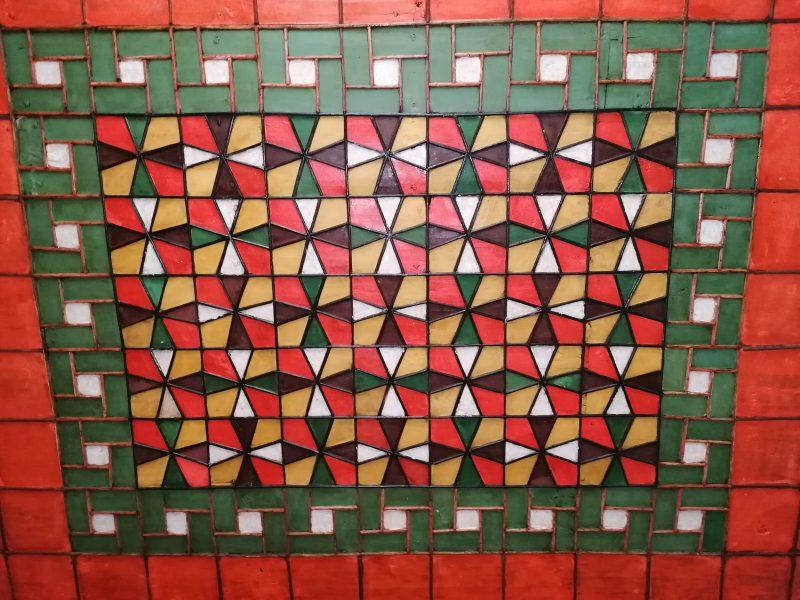
Ceiling decorations - Erbaa Municipality
Silahtar Ömer Paşa Camii holds a unique position among Anatolian wooden mosques in terms of architectural and decorative features. The structure has survived to the present day as a work reflecting the fusion of Ottoman and Seljuk architectural sensibilities.
Culture Inventory. "Silahtar Ömer Paşa Camii." Accessed April 3, 2025.https://kulturenvanteri.com/yer/?p=284358
Erbaa Belediyesi. "Silahtar Ömer Paşa Camii." Erbaa Municipality Official Website. Accessed April 3, 2025.
T.C.Erbaa Kaymakamlığı Governorship. "İlçemizin Genel Bilgileri." T.C. Erbaa District Governorship Official Website. Accessed March 28, 2025. http://www.erbaa.gov.tr/tarihi

Silahtar Ömer Paşa Camii
Location | Tokat - Erbaa - Akça (Fidi) Town | ||||||||
|---|---|---|---|---|---|---|---|---|---|
Construction Date | 1082 | ||||||||
Period | Seljuk | ||||||||
Ownership | General Directorate of Foundations | ||||||||
Architectural Features | Seljuk stone and tile decoration, wood and paint decoration, ornate door made of cut stone and brick with tiled roof, wooden ceiling surrounded by wooden arches, minbar and mihrap supported by four wooden columns, synthesis of 11th century Turkish art with Seljuk patterns and motifs in hexagons on painted and carved ceilings, intersecting shapes in the goblet and hanging reliefs | ||||||||
No Discussion Added Yet
Start discussion for "Silahtar Ömer Paşa Camii" article
Architectural Features
Interior Space and Woodwork Art
Wooden Construction and Nail-Free Building Technique
Door Craftsmanship and Details
Ceiling Decorations and Wooden Details