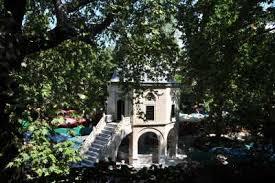


Çandır Şahruh Bey Mosque
Çandır Şahruh Bey Mescidi is one of the significant works of the Dulkadiroğulları Beylik, which flourished in Anatolia approximately 500 years ago. Although the original structure of the mosque has largely been lost, the remaining short and sturdy minaret stands as an important marker of the architecture and history of that era. Have you ever imagined that even a single fragment of a building so ancient could survive and still stand today? This minaret acts as a messenger bringing us knowledge from the distant past.
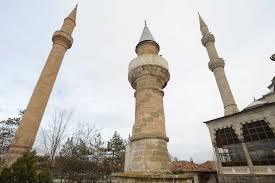
Çandır Şahruh Bey Mescidi (Culture Portal)
🕰️ Time Travel: Who Commissioned It?
The construction of this mosque (a small mosque) was ordered by Şahruh Bey, one of the rulers of the Dulkadiroğulları Beylik. Like his father Alauddevle Bozkurt Bey, Şahruh Bey was an important figure who commissioned public works for the benefit of the people. The mosque was built around the late 15th century, a period that coincides with the years following Fatih Sultan Mehmet’s conquest of Istanbul. Şahruh Bey had this structure built with two minarets, serving both as a place of worship and as a demonstration of his power and faith.
❓ What Remains of the Mosque?
The main building of Şahruh Bey Mescidi has been destroyed over time and replaced by a newer mosque. However, one section of the original structure has survived to tell us about those days: the Western Minaret.
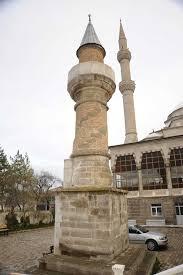
Çandır Şahruh Bey Mescidi (Culture Portal)
🧱 What Are the Features of the Minaret?
A minaret is the tall, slender structure in mosques from which the call to prayer is issued. The minaret of Çandır Şahruh Bey Mescidi, like others built by the Dulkadiroğulları, is unusually short.
- Base: The lowest part of the minaret, which rests firmly on the ground, is square in shape.
- Shaft: The middle section rising from the base has a circular form.
- Construction Material: The lower shaft and certain parts up to the balcony (where the call to prayer is made) are built of brick. The underside of the balcony and its railings are constructed from finely cut stone. This demonstrates that the builders used both brick and stone in their work.
- Cap: The top of the minaret, its highest point, ends in a conical cap, resembling a cone.
This short minaret embodies the characteristic (regional) features of Dulkadiroğulları architecture and provides insight into the artistic sensibilities of that beylik.