

`romanperiod` Related Article Results
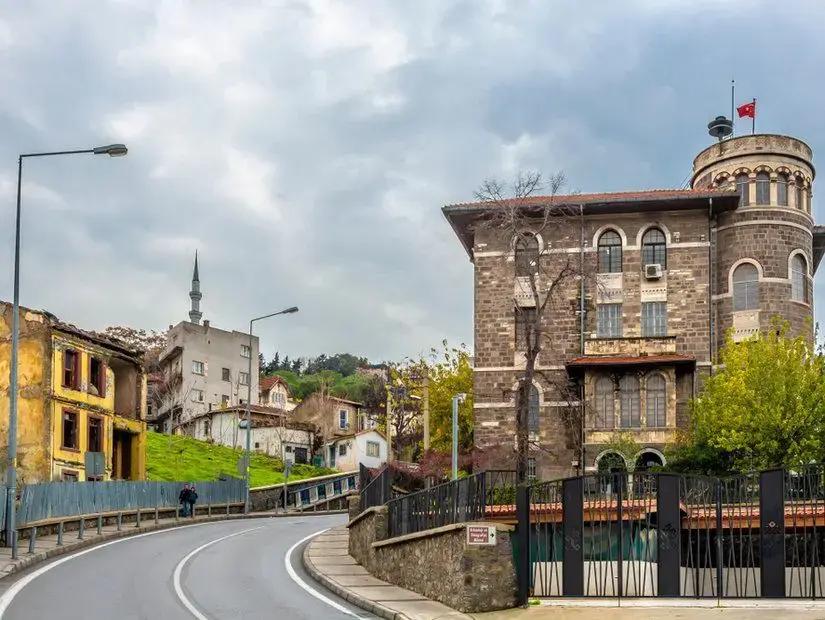
İzmir Archaeological Museum
İzmir, one of the most historically and culturally significant cities of the Aegean Region, boasts a rich heritage that stretches from ancient times to the present day. One of the most valuable reflections of this heritage is the İzmir Archaeological Museum. The museum exhibits artifacts uncovered through archaeological excavations conducted in and around İzmir, shedding light on the region's history from the Prehistoric Ages to the Byzantine Period. Initially opened in 1927 in the Aya Vukla Chu
AZ
Yunus Emre Sağlam
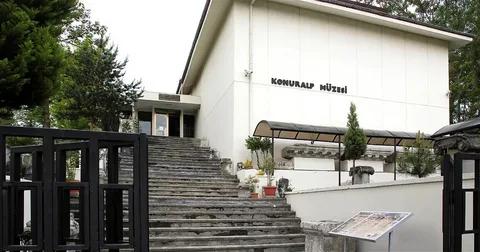
Konuralp Museum
Düzce Konuralp Museum, located in the town of Konuralp in the central district of Düzce province along the Düzce-Akçakoca highway, was opened to visitors in 2003. The museum was established to preserve and exhibit the rich cultural heritage of the Prusias ad Hypium Ancient City. Construction of the museum building began in 1977 and was completed in 1992. Initially operating as a unit affiliated with Bolu Museum, the museum attained directorate status in December 2009. The building consists of th
EN
Ahsen Güneş
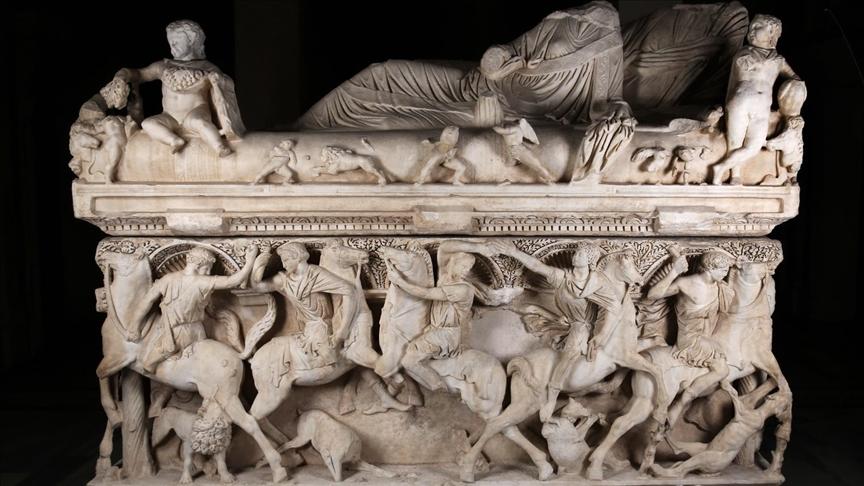
Sidamara Lahdi
Sidamara Sarcophagus is one of the largest marble sarcophagi from the Roman Imperial period in Anatolia. The artifact was discovered near Ambar Village in the Ayrancı district of Konya Province, in the ancient settlement known as Sidamara in historical sources. Its discovery dates to the last quarter of the 19th century. Initial examinations of the site revealed the sarcophagus partially buried in soil and firmly set in place. Efforts by museum officials of the period initiated relocation work t
EN
Sümeyye Akkanat Terzioğlu
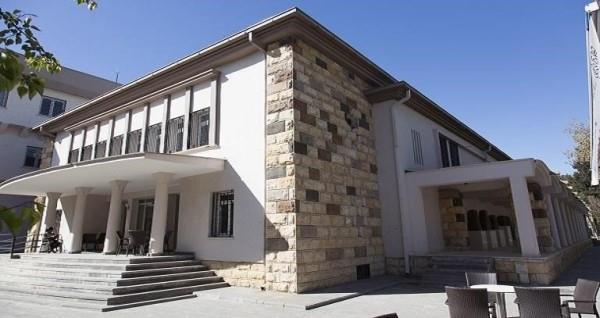
Gaziantep Archaeology Museum
Gaziantep Archaeology Museum is one of the most important archaeological centers in Southeastern Anatolia. It attracts attention with its rich collection spanning a broad chronological range from the Paleolithic period to the Roman and Byzantine eras. The museum systematically displays artifacts obtained from mounds and excavations in the region, presenting the development of Anatolian civilizations in a chronological order. Foundation and History Museum activities in Gaziantep began in 1944. Th
EN
Meryem Şentürk Çoban
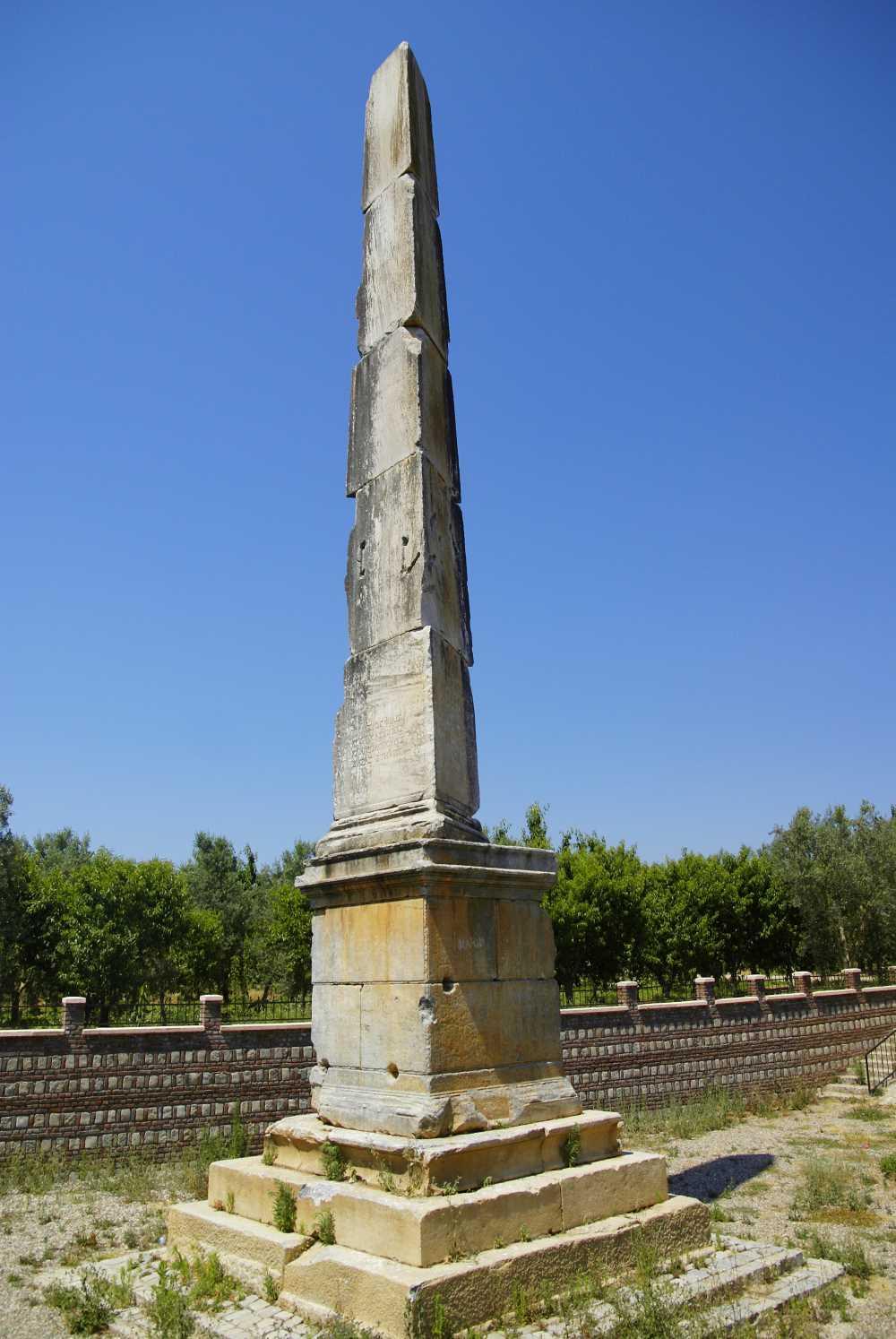
Dikilitaş (İznik)
Dikilitaş is an monumental burial structure located in the district of İznik, Bursa Province, dating to the second century of the Roman Empire. It is believed to have been erected in memory of Lucius Cassius Philiscus, son of Asklepiodos, and is regarded as one of the significant examples of Roman commemorative and funerary architecture in Anatolia. Situated within the İznik Plain, the structure has survived largely intact despite its nearly two-thousand-year history, making it one of the rare a
EN
Furkan Güçlü
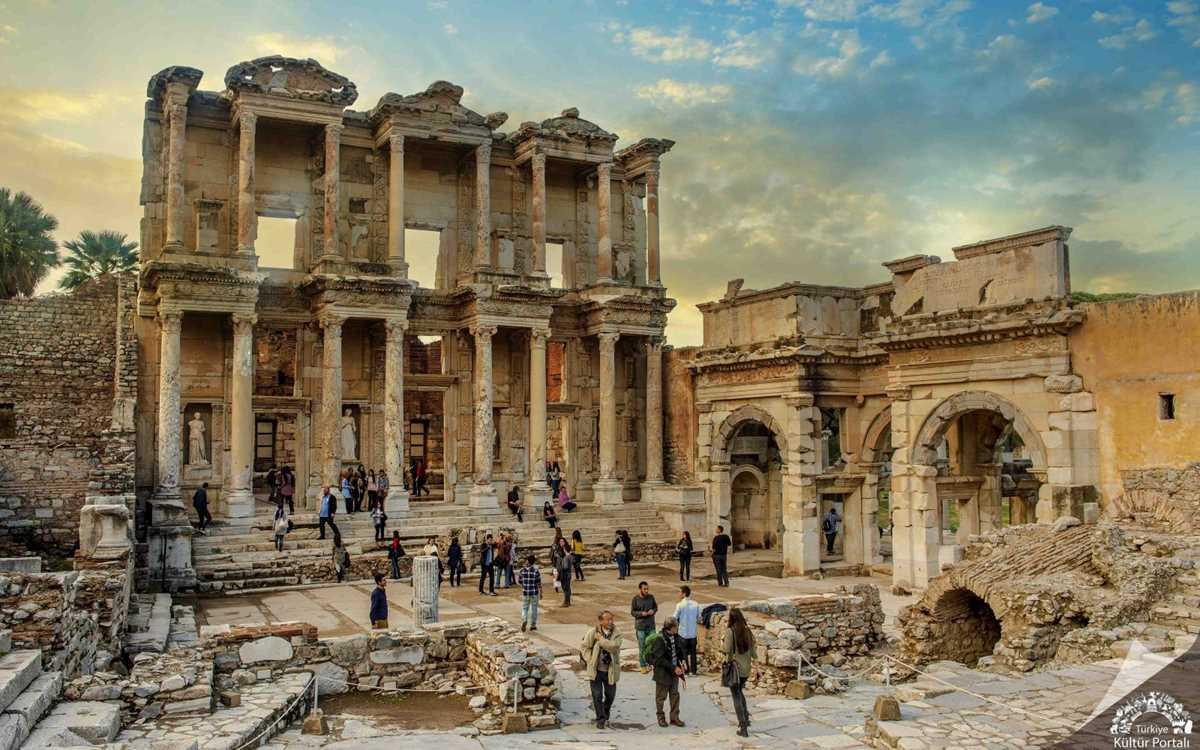
Celsus Library
The Library of Celsus is one of the most striking structures in the Ancient City of Ephesus. Built during the Roman Imperial period, this library served both as a public information center and as a monumental tomb. The structure, one of the most magnificent libraries of the ancient world, stands out for its architectural embellishments and historical significance. Founding of the Library The Library of Celsus was constructed between AD 110 and 135. It was commissioned by Gaius Julius Aquila in h
EN
Hatice Senem Turan
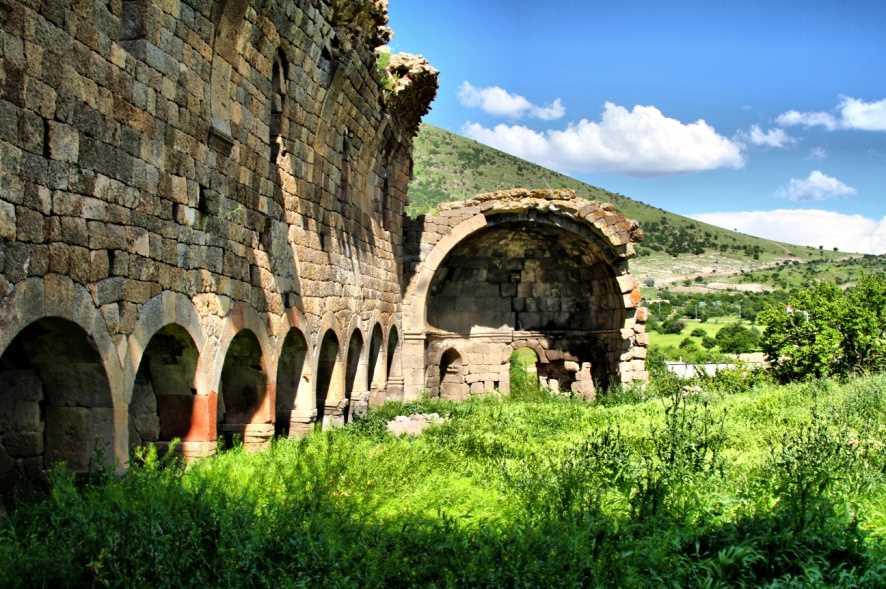
Madenşehir Archaeological Site
Madenşehir Örenyeri is located approximately 37 km north of the city center of Karaman, on the slopes of Karadağ, within and around the village of Madenşehir. The site is one of the historical settlements developed on the volcanic terrain of Karadağ. The settlement consists of clusters of historical structures concentrated around the village of Madenşehir, Yukarı Ören, and Değle. Karadağ, with its highest point at Mahalaç Tepe standing at 2,288 meters, dominates the region’s topography. The sett
EN
Berna Çamur