

`migratorybirds` Related Article Results
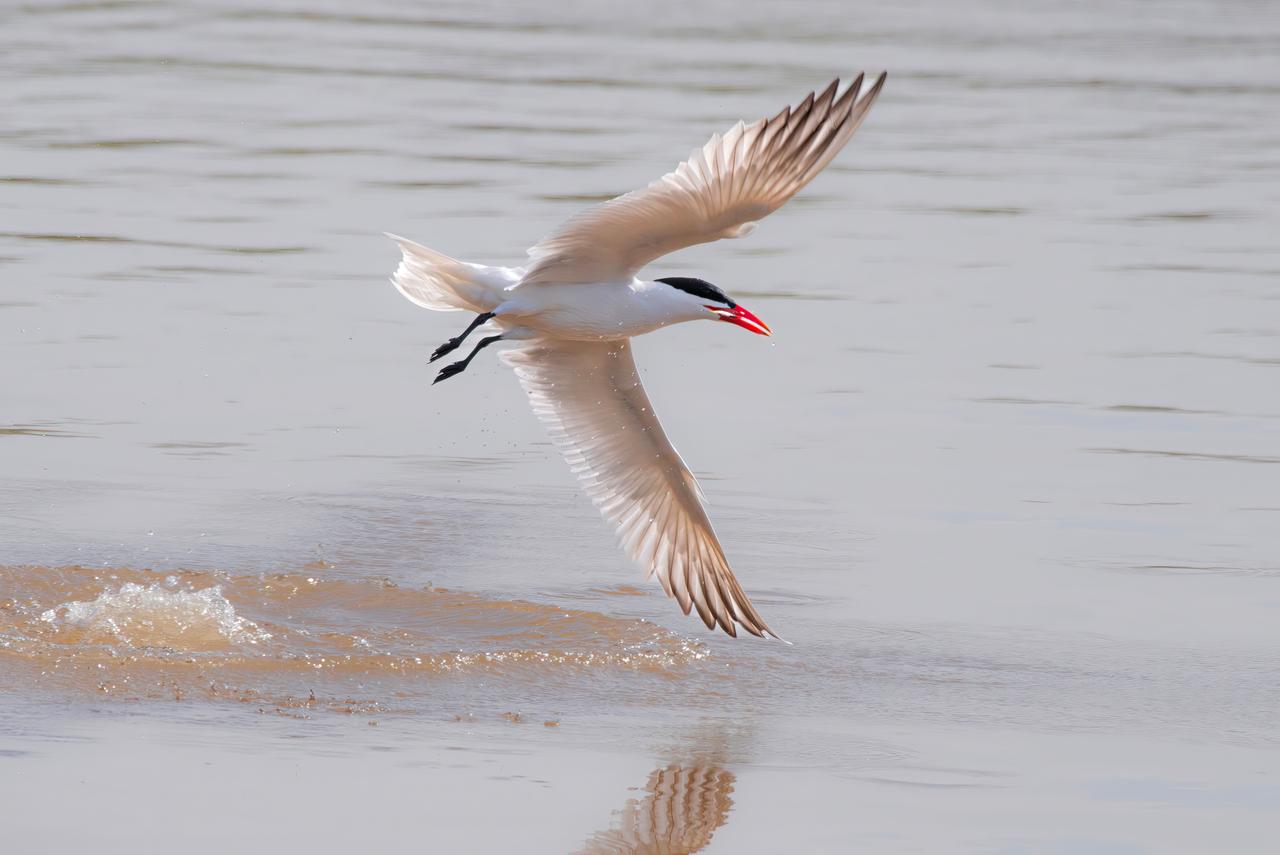
Caspian Tern (Hydroprogne caspia)
Caspian Tern (Hydroprogne caspia) is a bird species belonging to the family Laridae, recognized by its bright red bill and black head. It is the largest member of the Laridae family.【1】 Its large size and broad wings clearly distinguish it from other tern species. The species is also distinguished by its distinctive low, harsh calls and its appearance in flight, which resembles large gulls. Taxonomy The Caspian Tern (Hydroprogne caspia) has undergone various taxonomic revisions over time. Early
EN
Hanifenur Yaman
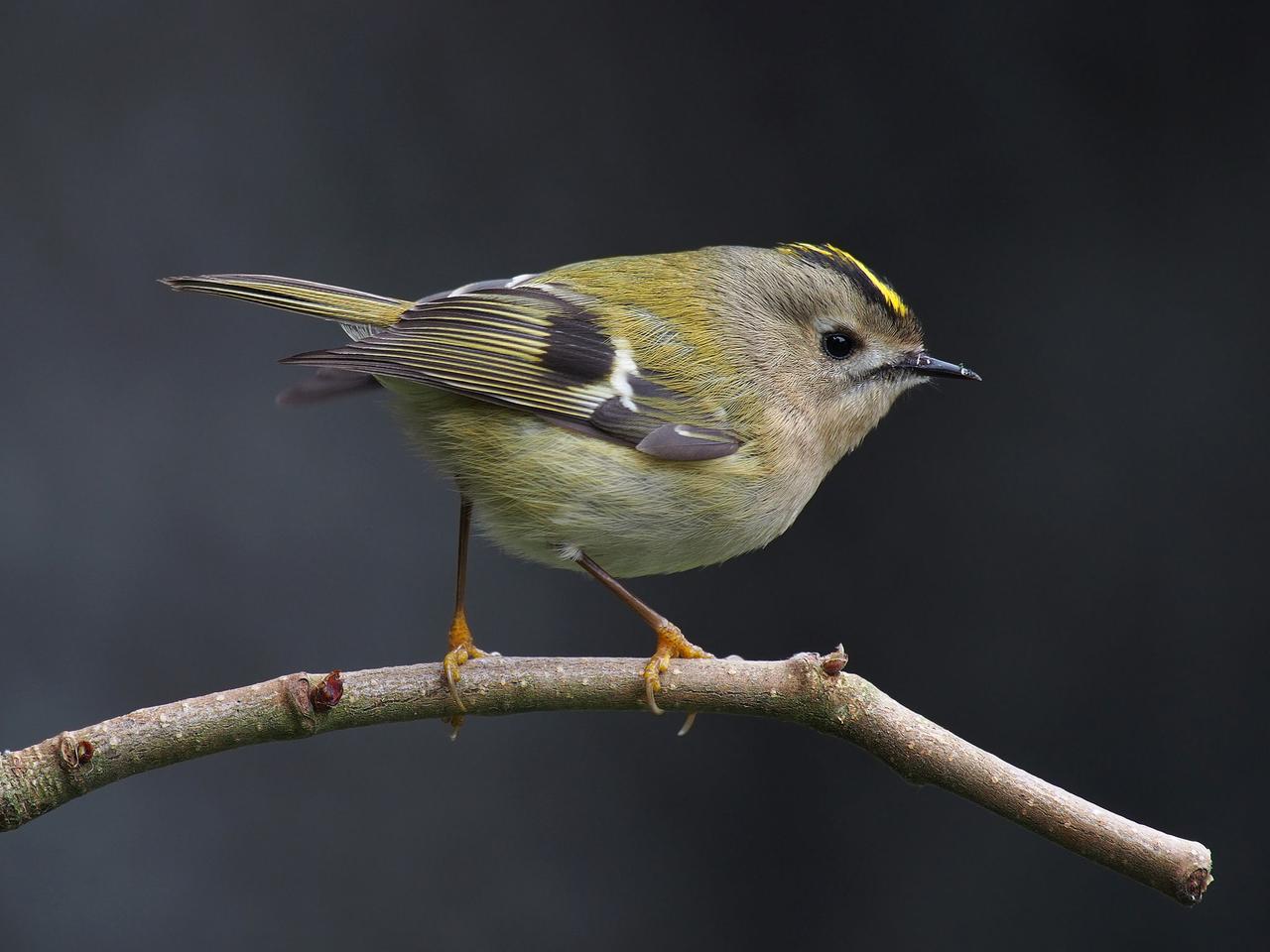
Common Firecrest (Regulus regulus)
Common Goldcrest (Regulus regulus) is one of the world’s smallest bird species, native to both the Palearctic and Oriental biogeographic regions. This species has a wide distribution and is found across the Middle East, Eastern and Central Asia, India, and much of Europe. Known in English as the goldcrest, it was first described by Linnaeus in 1758. It is recognized by its small body size, high metabolic rate, and a distinctive yellow or orange stripe on the top of its head. Morphological Charac
EN
Nursena Şahin

Emin Yoğurtcuoğlu
Emin Yoğurtcuoğlu is a Turkish birdwatcher, wildlife expert, photographer, author, nature guide, and field documentary filmmaker. He is known in the birdwatching community by the identity “Kuş Dedektifi” (Bird Detective). On social media, Yoğurtcuoğlu is recognized globally under the handle “birddetective”, producing content on birds, wildlife, migration routes, and ecosystems. Education Emin Yoğurtcuoğlu is a graduate of TED Ankara College. From childhood, he developed a strong fascination with
EN
Burcu Sandıkçı

Akkaya Valley
Muğla’s Dalaman district is home to Akkaya Vadisi, which is so elegantly concealed among steep mountains and lush forests that it is nearly impossible to spot from the outside. Because of this characteristic, locals and visitors refer to it as "The Hidden Valley". It is the perfect escape for adventurers seeking a quiet, peaceful and isolated day in the embrace of nature. Where Is It and How to Get There? Akkaya Vadisi is located approximately 12 kilometers north of the Dalaman district center.
EN
Helin ciftsüren
 In
InIndian Duck (Striped-headed Duck)
The bar-headed goose (Anser indicus) is a water bird known for its ability to migrate at high altitudes. This species, commonly found in the Himalayan region, can fly up to 8,000 meters during migration. This characteristic makes it one of the highest-flying birds in the world. The bar-headed goose attracts significant interest in the scientific community due to its physical traits, migration routes, and ecological role. Physical Characteristics The bar-headed goose is a medium-sized goose speci
EN
Ayşe Betül Edis
InIndian Duck (Striped-headed Duck)
The Bar-headed Goose (Anser indicus) is a bird species known for its ability to fly at high altitudes migration. Found primarily in the Himalayan region common, this species can reach altitudes of up to 8,000 meters during migration. This capability makes it one of the highest-flying birds in the world. The Bar-headed Goose attracts significant global attention due to its physical characteristics, migratory routes, and ecological role science. Physical Characteristics The Bar-headed Goose is a m
EN
Ayşe Betül Edis
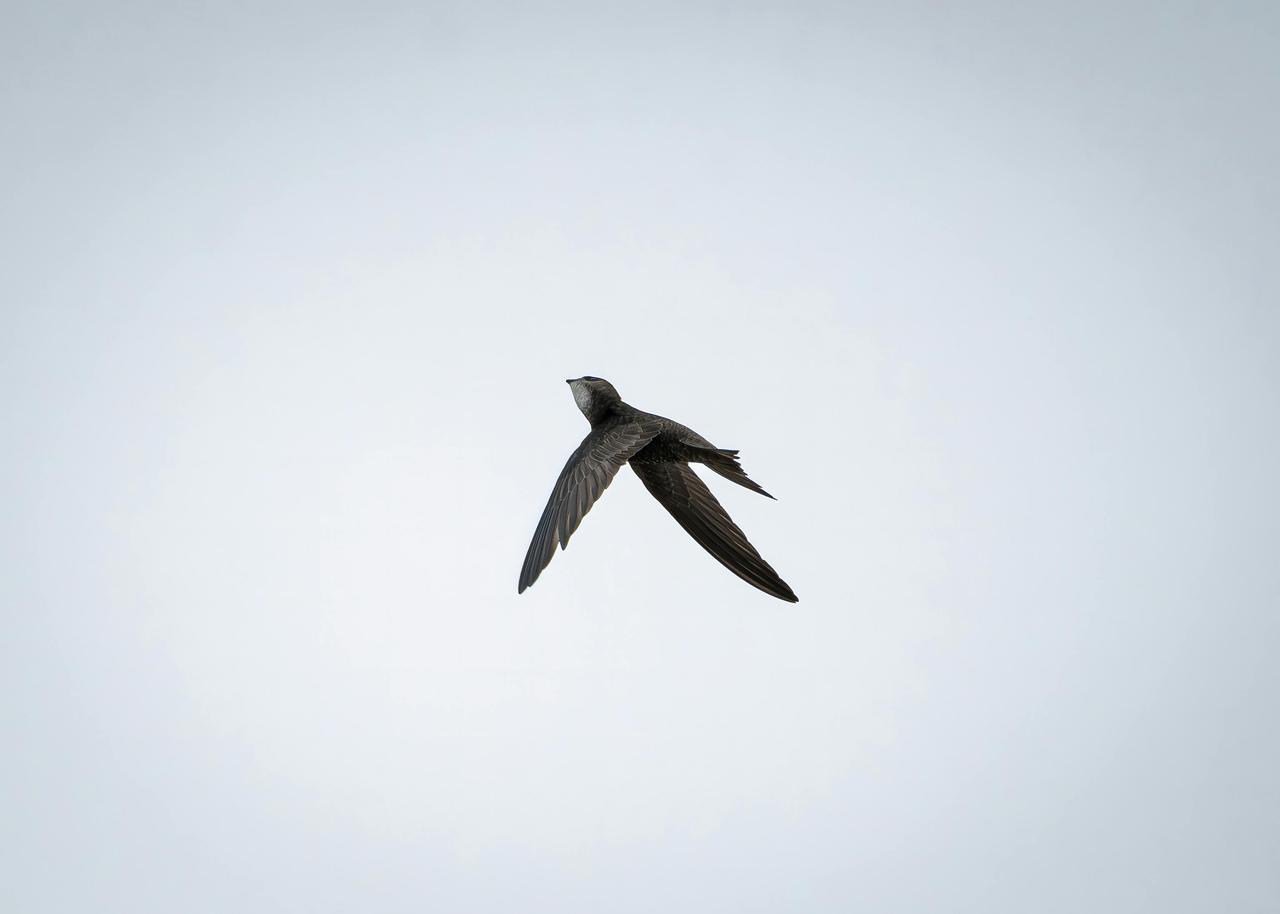
Swift (Apus apus)
Common Swift (Apus apus) is a bird species belonging to the family Apodidae, recognized by its sickle-shaped wings and spending the majority of its life in flight. This species breeds across a wide area from northern Europe to Siberia and northern Africa, and spends most of the year in Africa south of the Sahara. It is a migratory species that feeds on insects while flying and typically uses cavities and hollows in human-made structures during the breeding season. Taxonomy The Common Swift (Apus
ENHanifenur Yaman
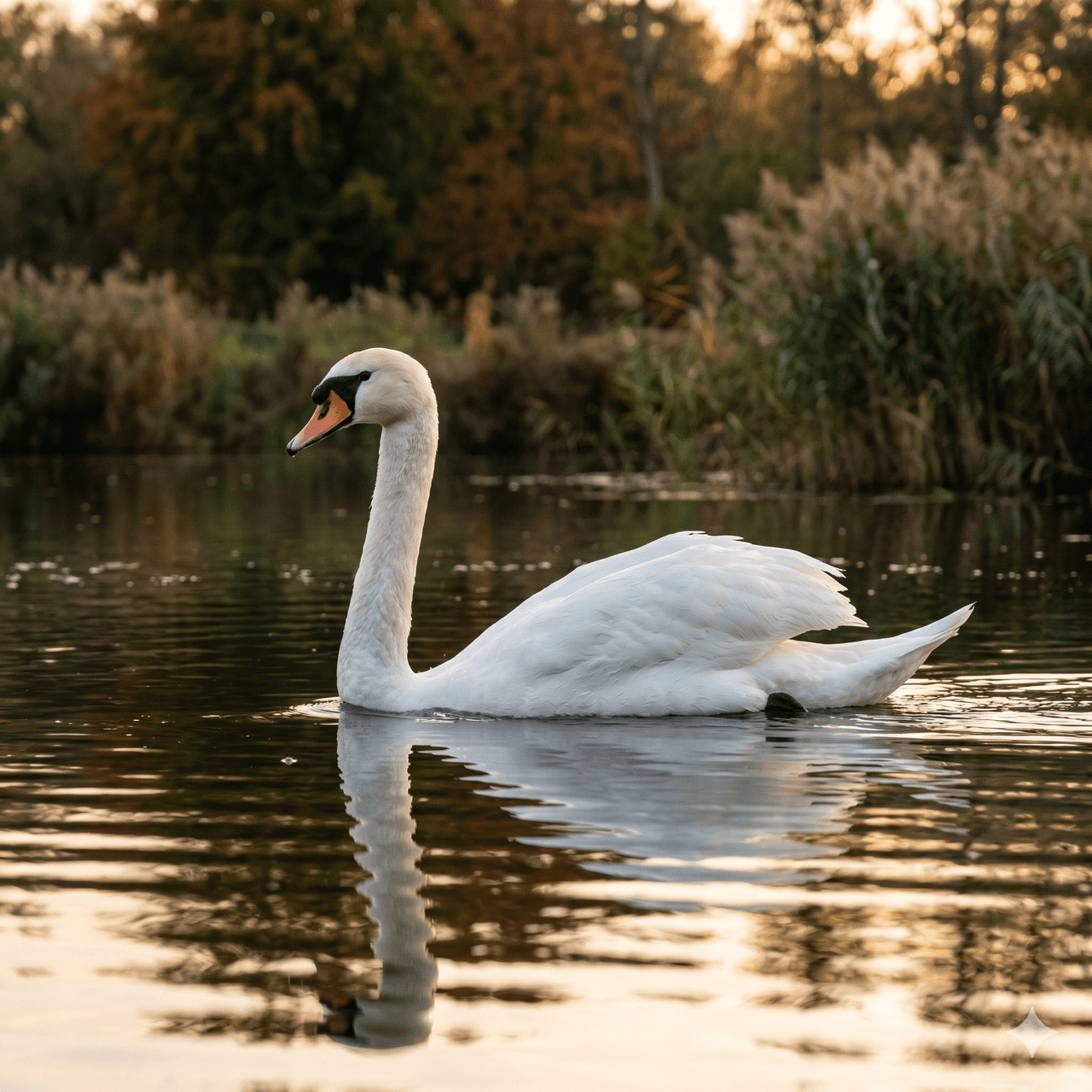
Swan (Cygnus)
Swans are large-bodied, long-necked aquatic birds belonging to the family Anatidae (ducks, geese, and swans) and the genus Cygnus. They generally inhabit temperate climates across both the Northern and Southern Hemispheres. Six main Cygnus species have been identified worldwide: the mute swan, the whooper swan, the trumpeter swan, the tundra swan, the black swan, and the black-necked swan. The coscoroba swan, once classified under Cygnus, is now categorized under its own genus, Coscoroba. Taxono
EN
Esra Nur Bulut