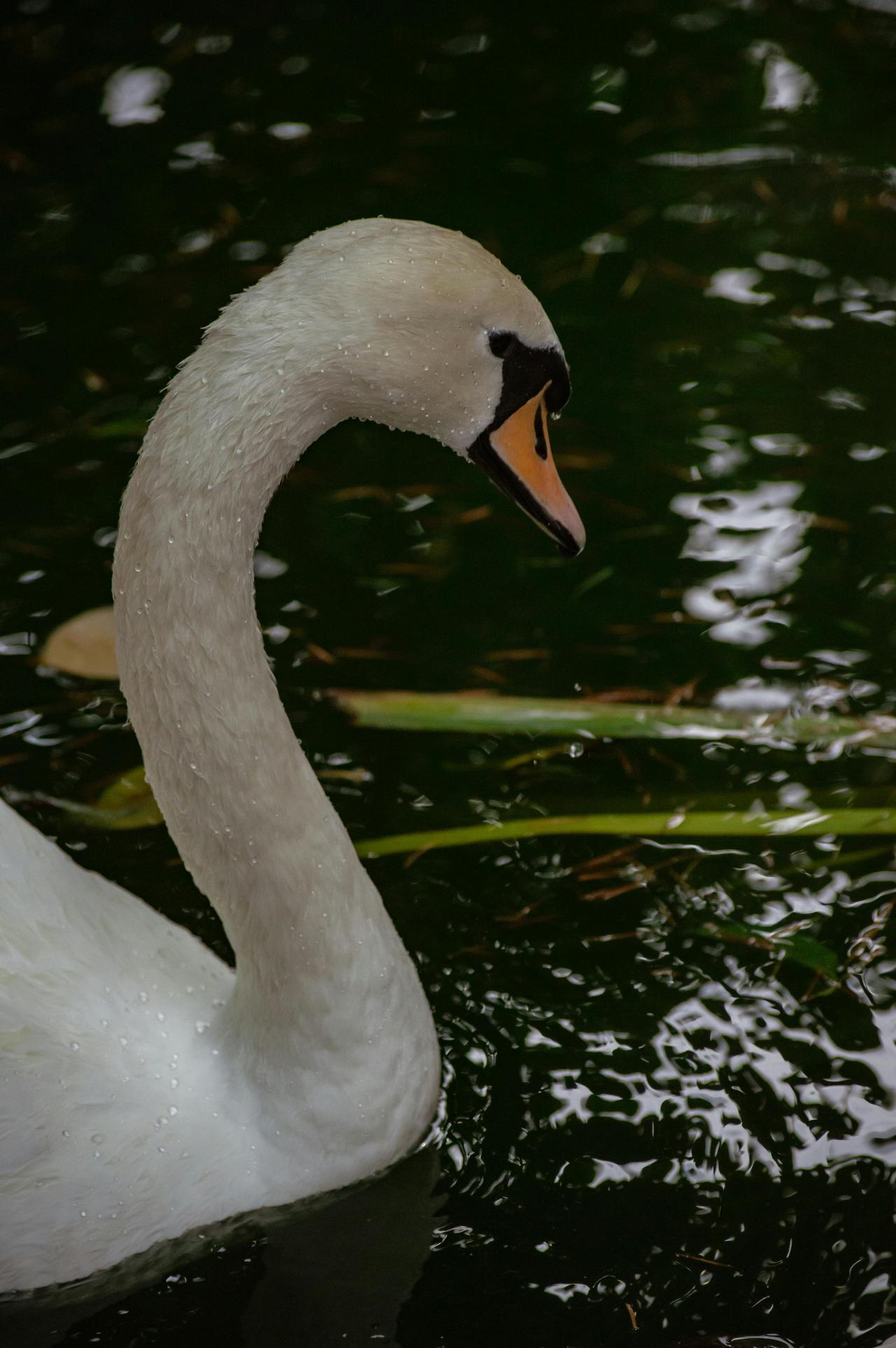
This article was automatically translated from the original Turkish version.
Wingspan | 2-2.5 m | ||||||||
|---|---|---|---|---|---|---|---|---|---|
Beak Color | Orange bill with black tip and black knob | ||||||||
Average Length | 125-155 cm | ||||||||
Feeding Behavior | Primarily herbivorous, feeding on aquatic plants and small invertebrates | ||||||||
Lifespan | 20 years in the wild, up to 50 years under protection | ||||||||
Migration Status | Resident or short-distance seasonal migrant | ||||||||
Young Name | Cygnet | ||||||||
Scientific Name | Cygnus | ||||||||
Habitat | Lakes Marshes Rivers and coastal lagoons | ||||||||
Reproduction | Incubation period is 35-42 days Lays 5-7 eggs | ||||||||
Weight | 7600-14300 g | ||||||||
Conservation Status | Least Concern | ||||||||
Swans are large-bodied, long-necked aquatic birds belonging to the family Anatidae (ducks, geese, and swans) and the genus Cygnus. They generally inhabit temperate climates across both the Northern and Southern Hemispheres. Six main Cygnus species have been identified worldwide: the mute swan, the whooper swan, the trumpeter swan, the tundra swan, the black swan, and the black-necked swan. The coscoroba swan, once classified under Cygnus, is now categorized under its own genus, Coscoroba.
The scientific classification of swans falls under the kingdom Animalia, phylum Chordata, class Aves, order Anseriformes, and family Anatidae. Within this family, the genus Cygnus is divided into several species. For example, the scientific name of the whooper swan, common across Eurasia, is Cygnus cygnus, while the mute swan, more prevalent in Türkiye and Europe, is listed in literature as Cygnus olor.
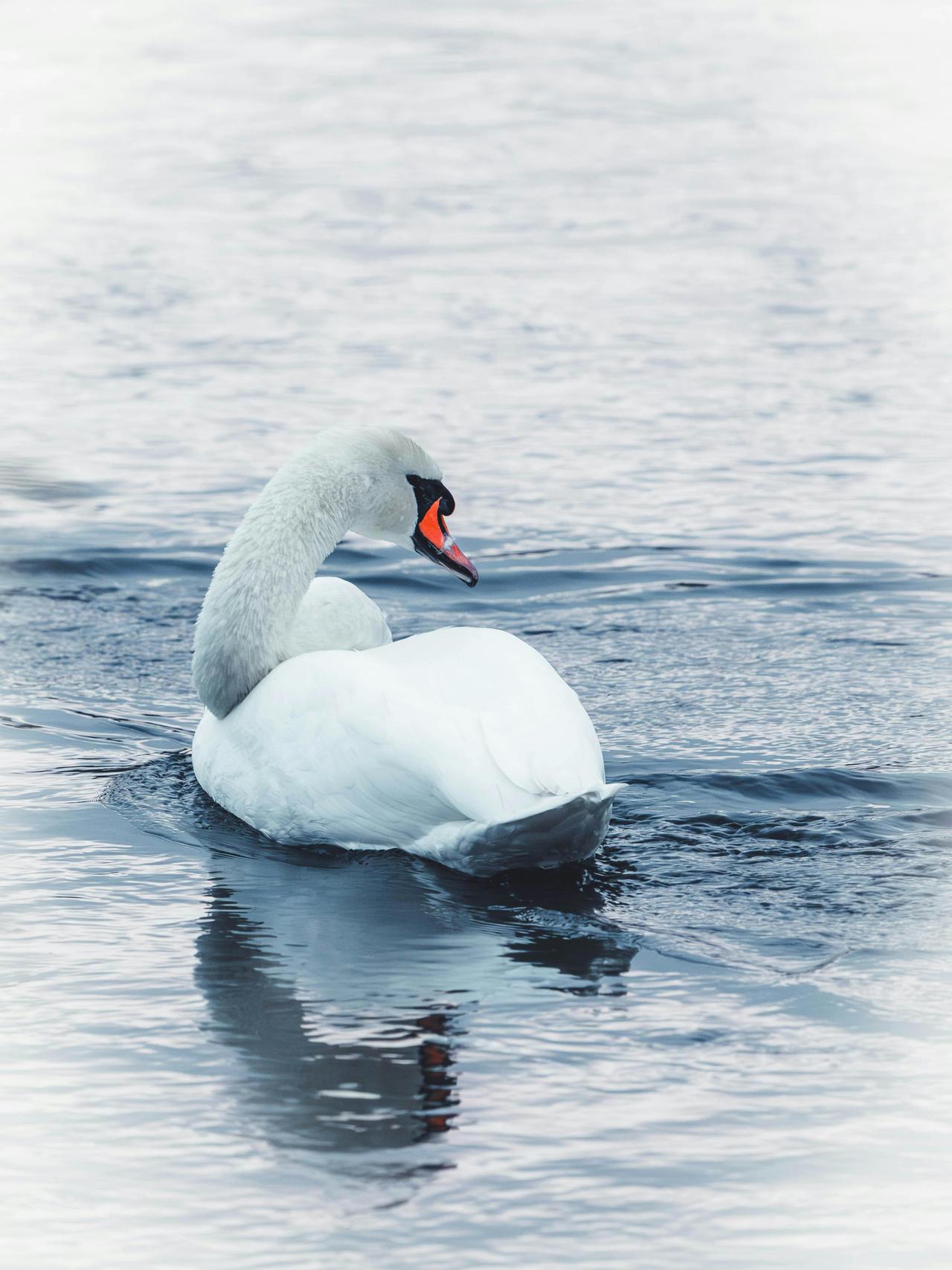
Swan (Cygnus) pexels)
Swans are among the largest members of the aquatic bird order, with body lengths ranging from 1 to 1.7 meters and wingspans reaching up to 3 meters. Mute swans, which can weigh up to 23 kilograms, are among the heaviest flying birds. They possess between 23 and 25 neck vertebrae and approximately 25,000 feathers. Birds lack teeth; instead, they have a muscular gizzard for grinding food and bills with serrated edges. Additionally, a specialized gland located just above their eyes allows them to filter out salt from seawater, expelling it through their nostrils.
Preferred habitats include shallow lakes, freshwater ponds, slow-moving rivers, marshes, coastal lagoons, estuaries, and artificial reservoirs. Geographic distribution varies among species. The trumpeter swan, whooper swan, and tundra swan inhabit the Northern Hemisphere, while the black swan and black-necked swan are found in the Southern Hemisphere, including Australia and South America. Some populations breeding in boreal regions such as Iceland and the United Kingdom migrate to areas like China, Korea, and Japan during winter, while other species maintain more sedentary habitats.
Their diet is primarily herbivorous. While feeding in shallow waters, they use their long necks to reach the roots, stems, and leaves of submerged aquatic plants. In addition to aquatic vegetation, their diet may include small insects, invertebrates, fish, and frogs. Cygnets require high protein levels for development and therefore consume mostly small insects. During winter, when natural food sources become scarce, they may also feed on cereal grains and crop residues in agricultural fields.
Swans are monogamous birds that form lifelong pair bonds; however, if one partner dies, the surviving bird may find a new mate. Breeding seasons typically occur during spring and summer. They build large nests near water or in dense wetland vegetation and lay between three and eight eggs. Incubation lasts between 30 and 42 days depending on the species. The female primarily incubates the eggs while the male defends the nest and surrounding territory from threats. Chicks are gray-brown in color and can enter the water and swim within hours of hatching. They remain with their parents for about a year until they become independent. In the wild, adult swans live 10 to 20 years, but under favorable conditions in captivity, they can live up to 50 years.
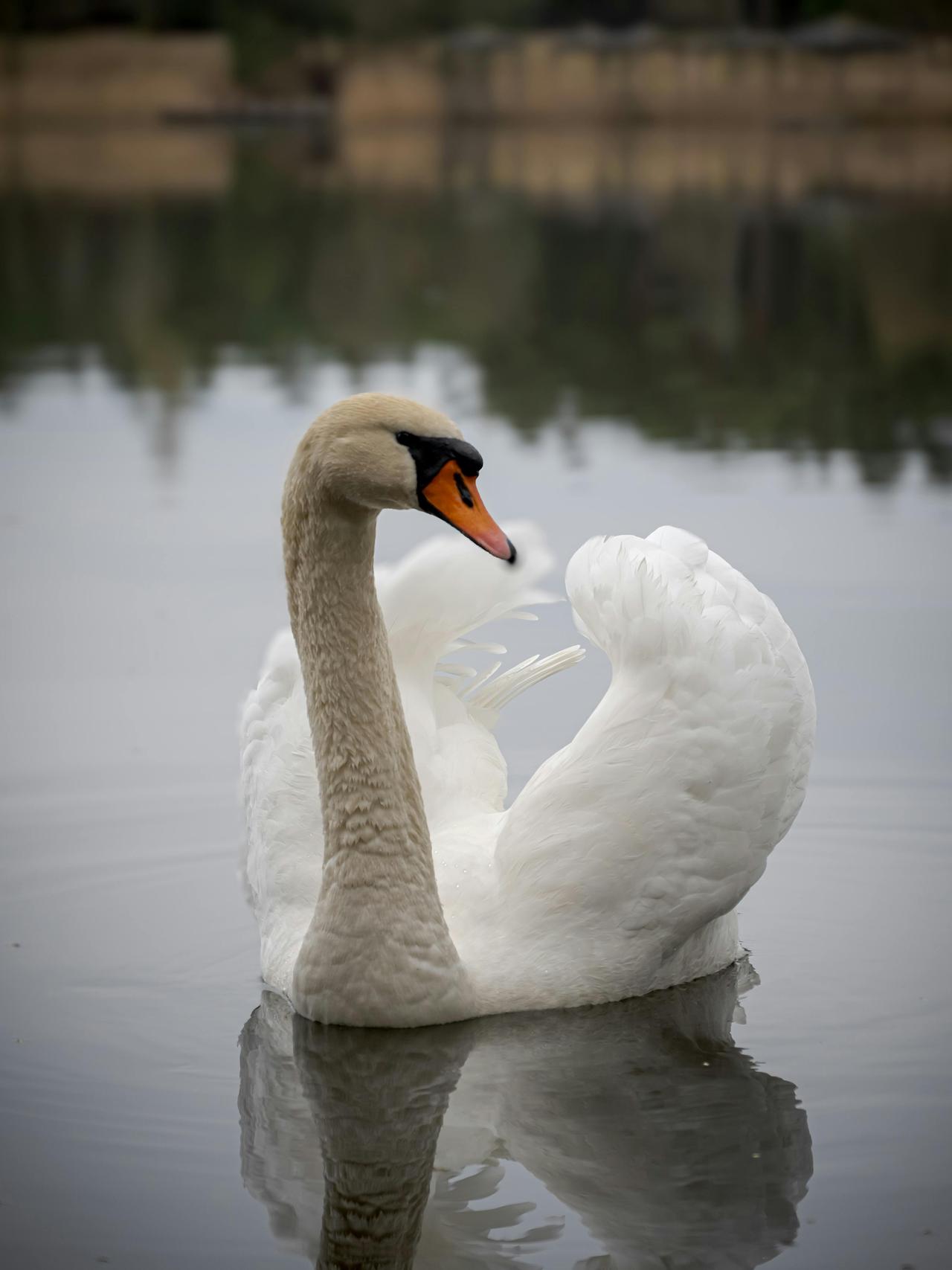
Swan (Cygnus) pexels)
During winter, swans gather in large flocks, but become highly territorial and aggressive during the breeding season. They defend their nesting areas using physical displays such as wing flapping, head bobbing, hissing, and neck retraction. Migratory swans take advantage of air currents to achieve powerful flight, often forming V-shaped or diagonal formations. Their cruising speed ranges from 32 to 48 kilometers per hour, with maximum speeds reaching up to 96 kilometers per hour. Flight altitudes can exceed 8,000 meters in some regions.
Swans play a vital ecological role in aquatic and riparian ecosystems by regulating the structure of aquatic plant populations. They stir up nutrients from the waterbed, making them available to other birds and animals, and contribute to seed dispersal through their droppings. According to the International Union for Conservation of Nature (IUCN) Red List, swan species are globally classified as "Least Concern," with populations generally stable or increasing. However, major threats to their population health include agricultural and industrial pollution, wetland destruction, illegal hunting, entanglement in fishing gear, collisions with power lines along migration routes, and avian influenza (H5N1).
Animal Diversity Web. "Cygnus cygnus (whooper swan)." Accessed April 14, 2026. https://animaldiversity.org/accounts/Cygnus_cygnus/
International Fund for Animal Welfare (IFAW). "Swans: Facts, Threats, Habitat, and FAQs." Accessed April 14, 2026. https://www.ifaw.org/au/animals/swans
Order Of Bards, Ovates & Druids. "The Swan." Accessed April 14, 2026. https://druidry.org/resources/the-swan
Pexels. "Huzurlu Gölde Zarif Kuğu." Accessed April 14, 2026. https://www.pexels.com/tr-tr/fotograf/huzurlu-golde-zarif-kugu-33217015/
Pexels. "Kuş Nehir Irmak Yüzmek." Accessed April 14, 2026. https://www.pexels.com/tr-tr/fotograf/kus-nehir-irmak-yuzmek-20844124/
Pexels. "Kuş Su Hayvan Hayvan Fotoğrafçılığı." Accessed April 14, 2026. https://www.pexels.com/tr-tr/fotograf/kus-su-hayvan-hayvan-fotografciligi-13187924/
Taşçı, Ahmet. "Cygnus olor." Türkiye Yaban Hayatı. Accessed April 15, 2026. https://turkiyeyabanhayati.org/species/detail/cygnus-olor
İzmir Kuş Cennetini Koruma ve Geliştirme Birliği (İZKUŞ). "Kuğu." Accessed April 14, 2026. https://izmirkuscenneti.gov.tr/2022/12/05/kugu/
Wingspan | 2-2.5 m | ||||||||
|---|---|---|---|---|---|---|---|---|---|
Beak Color | Orange bill with black tip and black knob | ||||||||
Average Length | 125-155 cm | ||||||||
Feeding Behavior | Primarily herbivorous, feeding on aquatic plants and small invertebrates | ||||||||
Lifespan | 20 years in the wild, up to 50 years under protection | ||||||||
Migration Status | Resident or short-distance seasonal migrant | ||||||||
Young Name | Cygnet | ||||||||
Scientific Name | Cygnus | ||||||||
Habitat | Lakes Marshes Rivers and coastal lagoons | ||||||||
Reproduction | Incubation period is 35-42 days Lays 5-7 eggs | ||||||||
Weight | 7600-14300 g | ||||||||
Conservation Status | Least Concern | ||||||||
Taxonomy and Classification
Physical Characteristics
Habitat and Geographic Distribution
Feeding Habits
Reproduction and Life Cycle
Behavior and Migration
Ecological Role and Conservation Status