


This article was automatically translated from the original Turkish version.
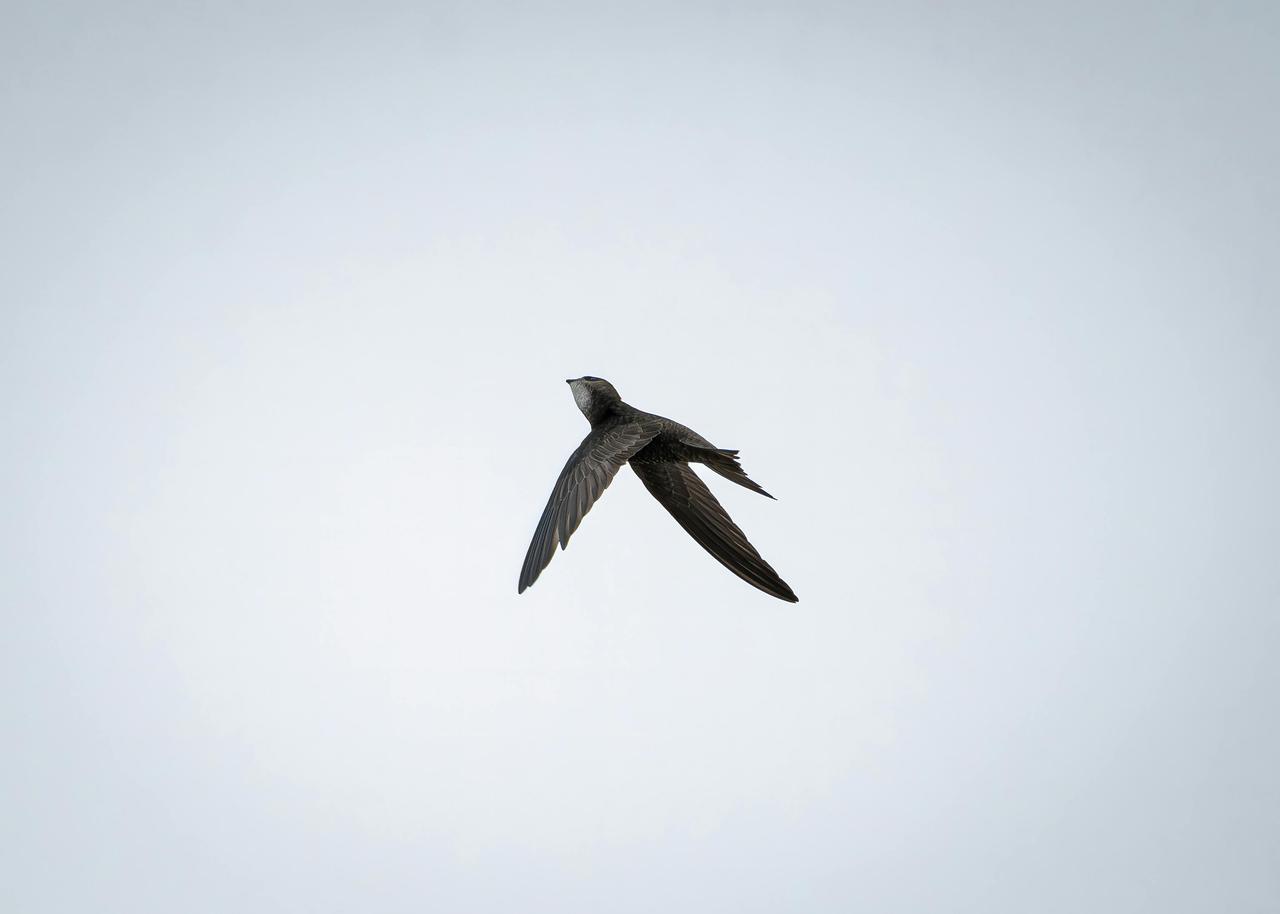
(pexels)
Common Swift (Apus apus)
Phylum | Chordata | ||||||||
|---|---|---|---|---|---|---|---|---|---|
Class | Aves | ||||||||
Genus | Apus | ||||||||
Species | Apus apus | ||||||||
Kingdom | Animalia | ||||||||
Family | Apodidae | ||||||||
Team | Apodiformes | ||||||||
Length | 16–18 cm | ||||||||
Weight | 31–52 g | ||||||||
Number of Eggs | 1–4 individuals | ||||||||
Wingspan | 42–48 cm | ||||||||
Conservation Status | LC – Least Concern (IUCN) | ||||||||
Common Swift (Apus apus) is a bird species belonging to the family Apodidae, recognized by its sickle-shaped wings and spending the majority of its life in flight. This species breeds across a wide area from northern Europe to Siberia and northern Africa, and spends most of the year in Africa south of the Sahara. It is a migratory species that feeds on insects while flying and typically uses cavities and hollows in human-made structures during the breeding season.
The Common Swift (Apus apus) is taxonomically classified within the order Apodiformes and further placed in the family Apodidae, which includes birds known for their rapid and prolonged flight capabilities.
Two subspecies are recognized within its systematic structure: the nominate form Apus apus apus and Apus apus pekinensis, found in Asia and eastern regions. This classification reflects geographic variation within the species.
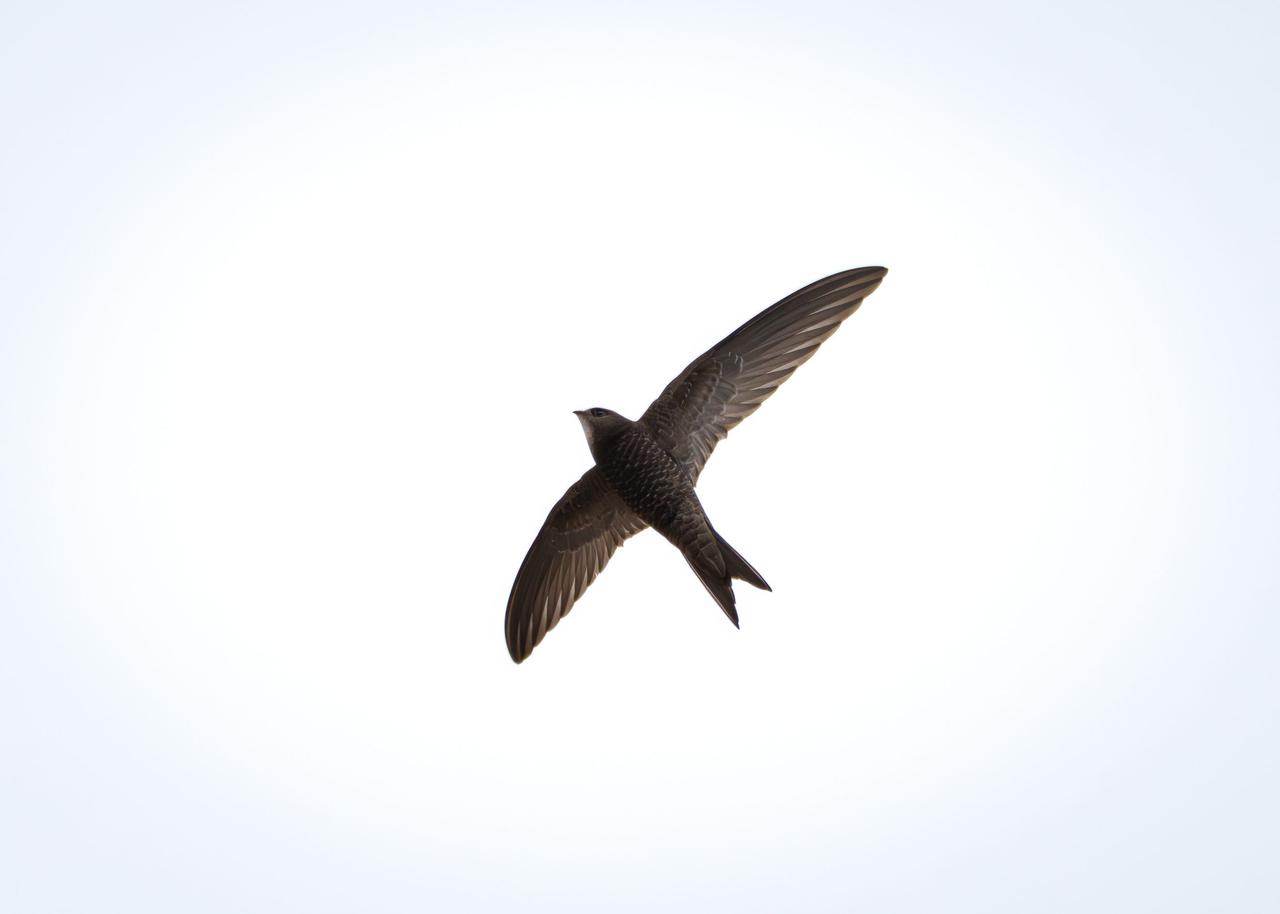
Common Swift (pexels)
The Common Swift (Apus apus) is a medium-sized bird measuring 16–18 cm in length, weighing 31–52 g, and with a wingspan of 42–48 cm. Its most distinctive morphological features are its long, deeply forked tail and sickle-shaped pointed wings. The plumage is generally dark brownish-black, appearing especially dark during the fresh feather stage, though it may take on a browner tone with wear. Adults exhibit a variable-sized pale patch on the throat, ranging from dirty white to light gray. The underparts are typically dark brown to black.
Coloration on the upper and underwing coverts can vary among individuals; inner wing coverts may appear lighter while outer areas are darker. Juveniles are generally darker overall but may appear more scaled and contrasted than adults due to pale fringes on the feathers of the head, throat, and wing edges. The throat patch in juveniles is often more prominent and broader.
The Common Swift (Apus apus) has a broad distribution across the Western Palearctic. Its breeding range extends from western, northern, and southern Europe through northwestern Africa, and eastward to Lake Baikal in Siberia, Mongolia, and northern China. Outside the breeding season, the majority of the population spends the year in Africa, particularly in Central, East, and Southern Africa south of the Sahara. Its distribution includes elevations from sea level to high altitudes.
The species exhibits considerable ecological tolerance in terms of habitat. In Europe, it is commonly found in urban and suburban areas, especially around buildings. It is also observed in rural areas, rocky terrain, gullies, and various natural cavities.
The Common Swift (Apus apus) is a species that spends the majority of its life in flight. It is notable for its ability to fly continuously for extended periods. The species can shift its foraging areas by hundreds of kilometers to avoid adverse weather conditions.
It is a migratory species, spending most of its annual life cycle in Africa. It returns to breeding sites in Europe and Asia during the breeding season before migrating back to Africa.
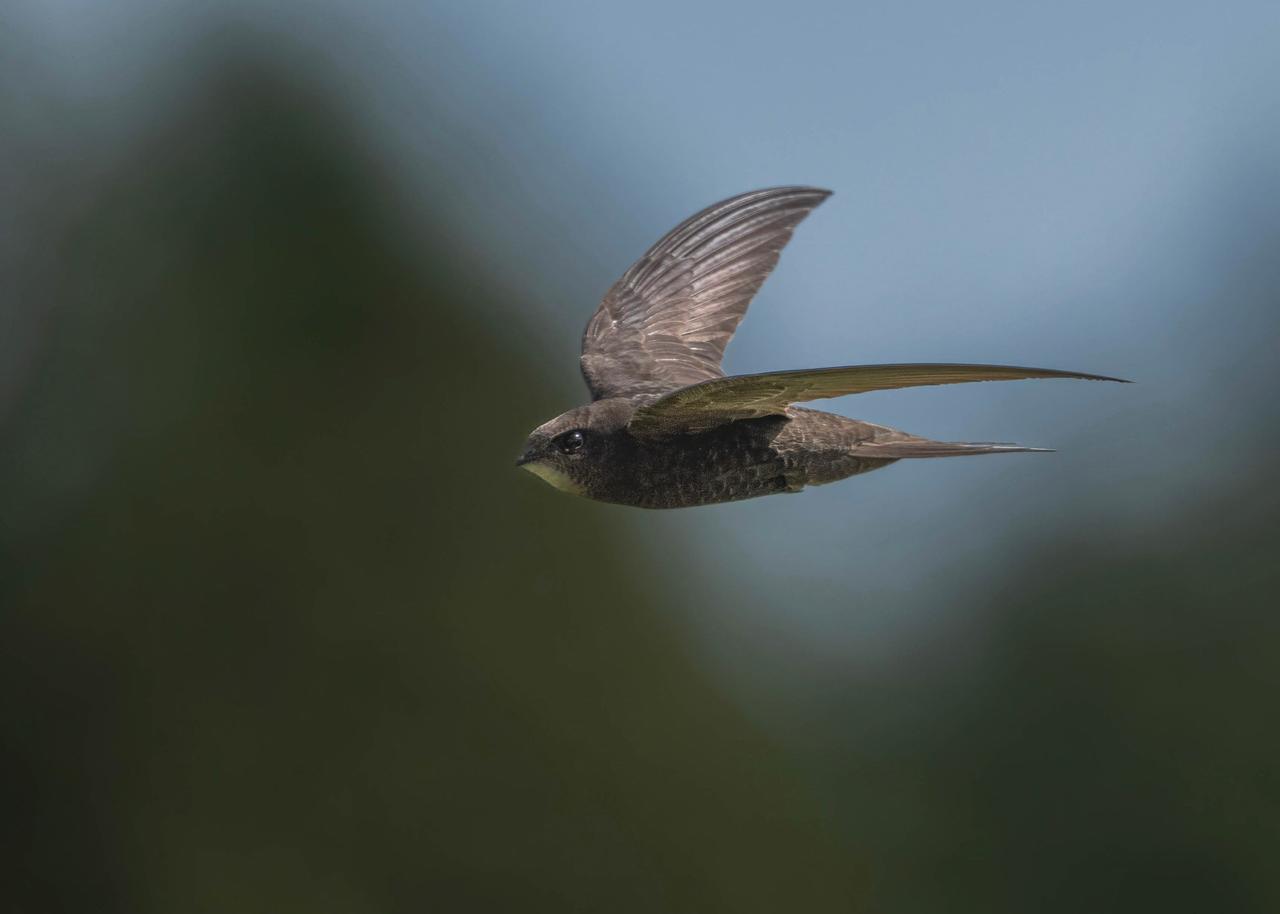
Common Swift (pexels)
The Common Swift (Apus apus) is an insectivorous species that feeds exclusively on insects caught in flight. Its prey items are typically up to 12 mm in size.
Diet composition, based on samples from European populations, shows considerable diversity. Hemiptera constitute a major portion of the diet (53%), followed by Coleoptera (26%), Diptera (10%), and smaller proportions of Lepidoptera and Neuroptera.【1】Over 500 different insect species have been recorded in its diet.【2】
The Common Swift (Apus apus) typically breeds between March and June, although timing varies by region. It breeds in colonies, though solitary nesting occasionally occurs. During the breeding season, it exhibits loud, high-pitched calls while in flight, which are especially noticeable in urban and town skies during summer. Nests are constructed in cavities, crevices, hollows, and under bridges—either natural or human-made. Nests are built from small plant fragments and feathers glued together with saliva.
The incubation period is approximately 19.5 days and begins after the last egg is laid. Clutch size usually ranges from one to four eggs. Both male and female parents share incubation and chick-rearing duties. Chick development is highly dependent on weather conditions; growth may slow or temporarily halt during adverse weather. Chicks fledge between 35 and 56 days after hatching. Flight typically occurs after sunset or in the early morning.
According to the IUCN Red List assessment, the Common Swift (Apus apus) is categorized as “Least Concern.” The species is not considered globally threatened.
However, according to the 2025 assessment, the overall population trend is declining. The global adult population is estimated at 80,000,000 to 142,000,000 individuals. Population declines have been reported in certain regions, and reductions in breeding populations have been documented in several countries.
BirdLife International. 2025. "Apus apus." The IUCN Red List of Threatened Species. Accessed April 30, 2026.
Chantler, Philip, Peter F. D. Boesman, and Guy M. Kirwan. “Common Swift (Apus apus).” Birds of the World. Cornell Lab of Ornithology. Accessed April 30, 2026. https://birdsoftheworld.org/bow/species/comswi/cur/introduction
Dalton, Colin. "A Common Swift (Apus apus) captured mid-flight against a blurred nature background." Pexels. Accessed April 30, 2026. https://www.pexels.com/photo/high-speed-flight-of-a-common-swift-bird-38072009/
Dalton, Colin. "High-Speed Flight of a Common Swift Bird." Pexels. Accessed April 30, 2026. https://www.pexels.com/photo/high-speed-flight-of-a-common-swift-bird-38072009/
Ornito. “*Ebabil (Apus apus)*.” *ornito.org*. Accessed April 2026. https://ornito.org/Bird/Detail/172
Yahyaoui, Mahmoud. "Common Swift Flying in Air." Pexels. Accessed April 30, 2026. https://www.pexels.com/photo/common-swift-flying-in-air-21839277/
Yahyaoui, Mahmoud. “Flying Common Swift Bird.” Pexels. Accessed April 2026. https://www.pexels.com/photo/flying-common-swift-bird-21839276/.
https://dx.doi.org/10.2305/IUCN.UK.2025-2.RLTS.T22686800A281017590.en.
[1]
Philip Chantler, Peter F. D. Boesman, ve Guy M. Kirwan, “Common Swift (Apus apus),” Birds of the World, Cornell Lab of Ornithology, accessed 30 April 2026, https://birdsoftheworld.org/bow/species/comswi/cur/introduction
[2]
Philip Chantler, Peter F. D. Boesman, ve Guy M. Kirwan, “Common Swift (Apus apus).”


(pexels)
Common Swift (Apus apus)
Phylum | Chordata | ||||||||
|---|---|---|---|---|---|---|---|---|---|
Class | Aves | ||||||||
Genus | Apus | ||||||||
Species | Apus apus | ||||||||
Kingdom | Animalia | ||||||||
Family | Apodidae | ||||||||
Team | Apodiformes | ||||||||
Length | 16–18 cm | ||||||||
Weight | 31–52 g | ||||||||
Number of Eggs | 1–4 individuals | ||||||||
Wingspan | 42–48 cm | ||||||||
Conservation Status | LC – Least Concern (IUCN) | ||||||||
Taxonomy
Morphological Characteristics
Distribution and Habitat
Behavior and Ecology
Feeding
Breeding
Conservation Status