

`historyofscience` Related Article Results
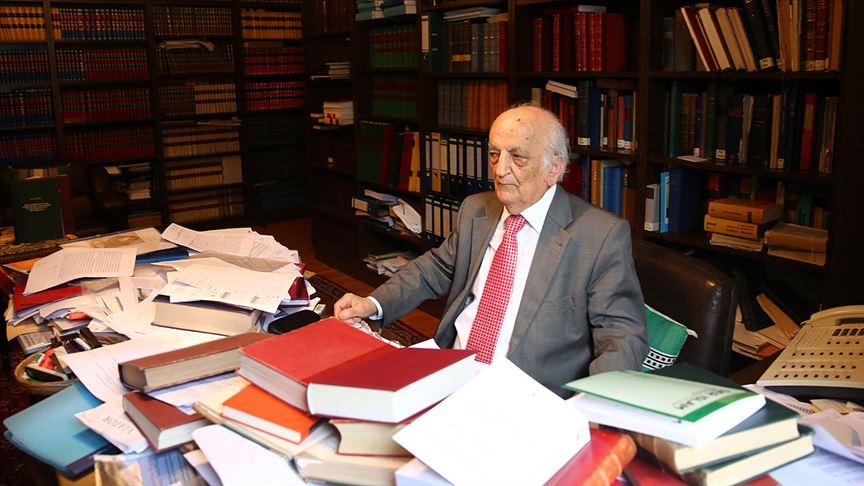
Fuat Sezgin
Prof. Dr. Fuat Sezgin (1924–2018) is a scholar who researched, documented, and transmitted the history of Islamic sciences through written works to future academic literature. Born in Bitlis, Sezgin received training in Arabic-Persian philology at Istanbul University, conducted extensive studies on manuscripts, and played a pivotal role in institutionalizing the history of science through institutes and museums he established in Türkiye and Germany. Birth, Family Origins, and Childhood (1924–194
EN
Seher Yıldız Külünk
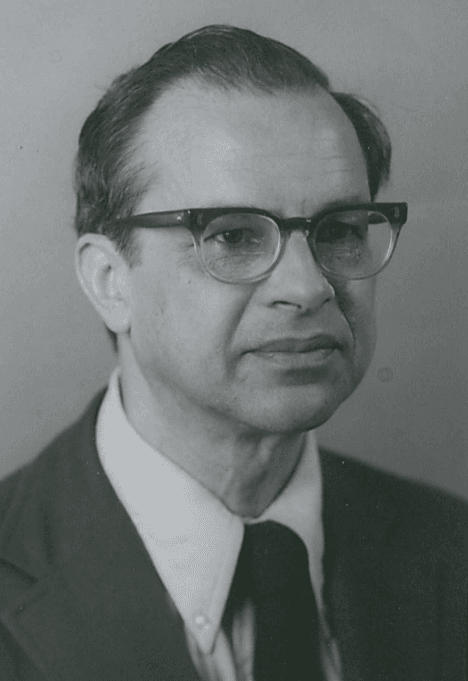
Feza Gürsey
Feza Gürsey (1921–1992) was one of the leading Turkish theoretical physicists of the 20th century. He gained international recognition for his work in particle physics and mathematical physics. His contributions to the application of symmetry concepts and group theory in physics established him as one of the key figures in modern high-energy physics. Gürsey’s research focused on developing theoretical models to explain the structure and interactions of fundamental particles. His contributions to
EN
İremsu Ümit
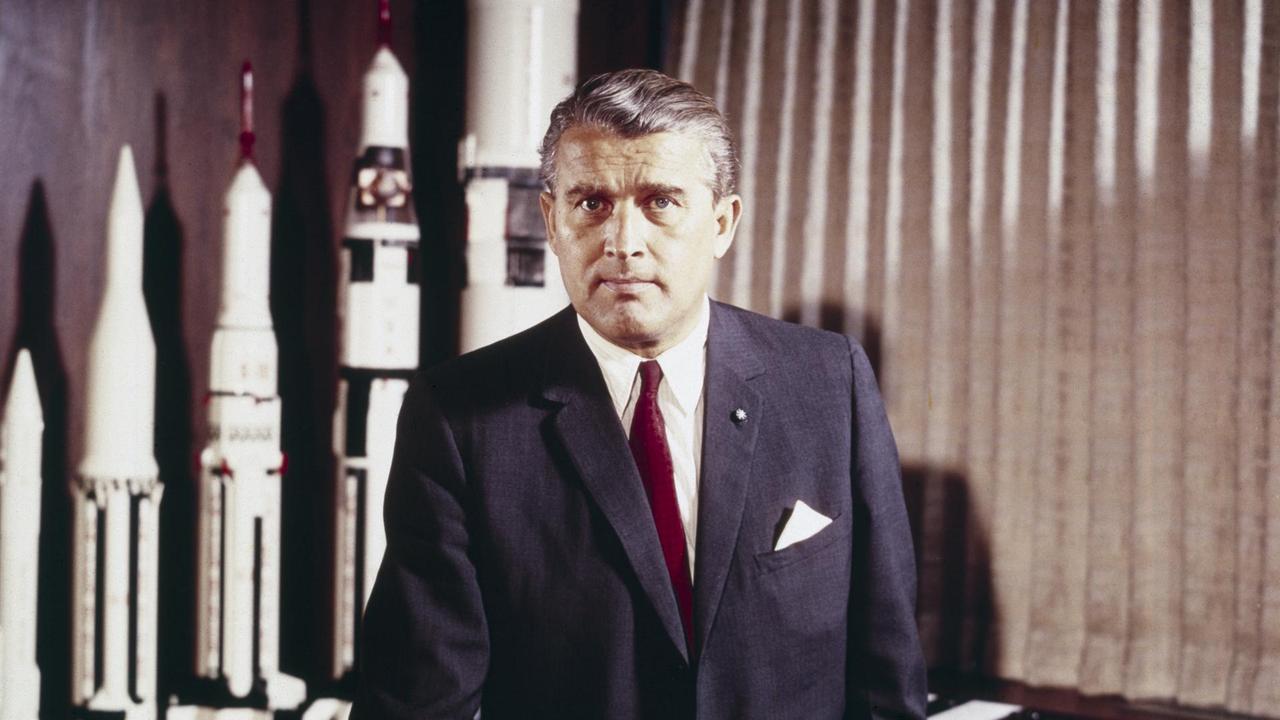
Wernher Magnus Maximilian Freiherr von Braun
Wernher von Braun, as one of the 20th century’s most controversial and influential engineering figures, built a career that began with ballistic missile technologies developed in Nazi Germany and extended to the United States’ human mission to the Moon. He left behind a complex legacy shaped by the tension between his technical genius and his ethical responsibilities. ### Childhood Wernher Magnus Maximilian Freiherr von Braun was born on 23 March 1912 in the Prussian region of Germany into an ar
EN
Zekeriya Aktaş
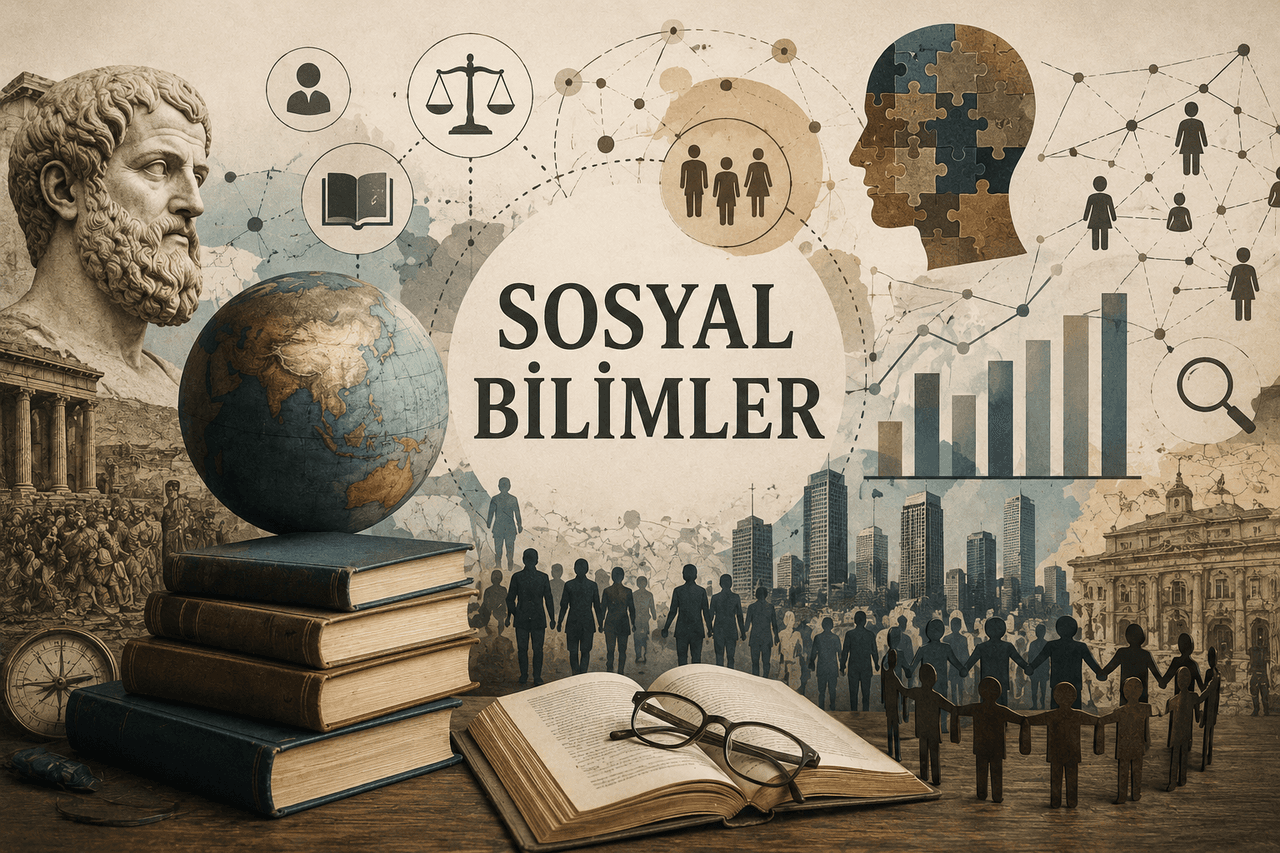
The Search for Understanding Society and the Birth of the Social Sciences
The effort to understand human communities, social relations, and how these relations change over time is as old as human history itself. However, the emergence and institutionalization of disciplines known today as “social sciences” is the result of a long historical process. The historiography of the social sciences is a field of research that examines the origins, development, transformations, and knowledge production processes of these disciplines. This field does not merely recount the past
ENSeher Yıldız Külünk
Liber Abaci
Liber Abaci, written by the Italian mathematician Leonardo Fibonacci in 1202 and revised in 1228, is a foundational mathematical work. Written in Latin, this book is regarded as one of the pivotal turning points in modern European mathematics due to its critical role in introducing the Hindu-Arabic numeral system to Europe. Liber Abaci had a major impact not only on theoretical mathematics but also on commercial calculations and everyday practical applications. Purpose and Content The primary ai
EN
Nihal Fırat Özdemir
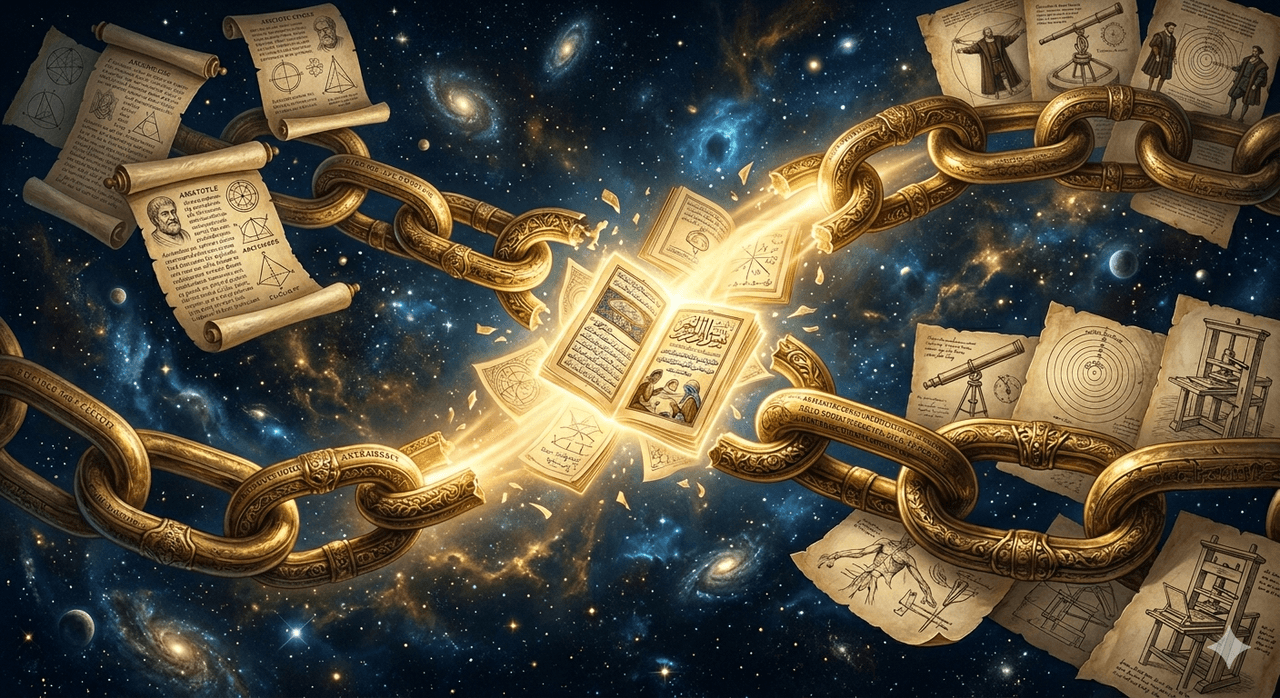
Seeking the Lost Link in the History of Science: George Sarton and Fuat Sezgin
In the historiography of science, Eurocentric narratives for a long historical period have evaluated scientific development as a linear and progressive trajectory extending from Ancient Greece to the European Renaissance. This approach confined the production of scientific knowledge to specific geographic and cultural centers, often positioning the Islamic scientific tradition as merely an intermediate stage responsible for transmitting ancient knowledge.George Saliba, How Did the Islamic Scient
EN
Emrullah Köker
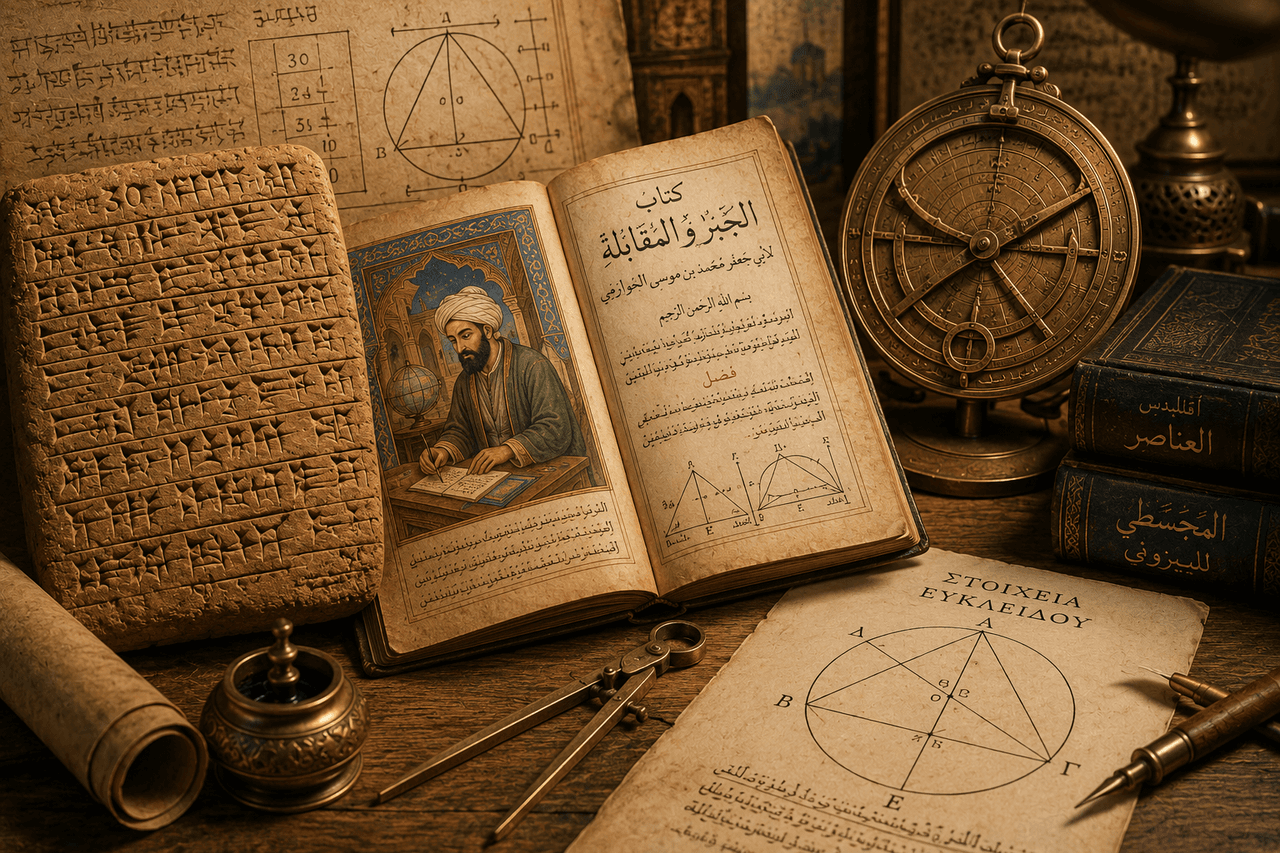
The History of Mathematics: The Journey of Numbers from Mesopotamia to the Islamic World
Mathematics is one of the oldest and most important branches of science in human history. Today, mathematics is used in technology, engineering, astronomy, economics, and many areas of daily life; it emerged as the result of thousands of years of accumulated knowledge. From the earliest times, humans have used mathematics to measure time, conduct trade, calculate taxes, define agricultural land, and study the heavens. The word “mathematics” derives from the Greek word mathema, meaning “learning.
EN
Batuhan Hallaç
Engin Arık
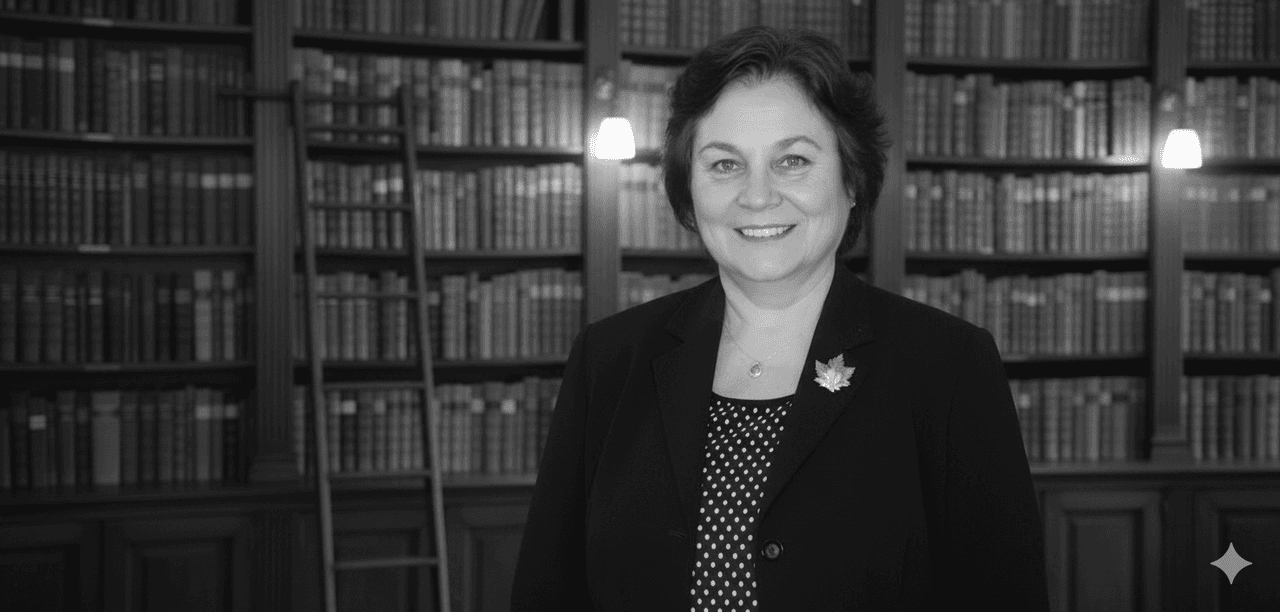
Professor Dr. Engin Arık was born on October 14, 1948, in Istanbul. His father, Hâdi Atagür, was from Istanbul’s elite class, and his mother, Güzide Atagür, was of Crimean origin. His family had lived for many years between the Balkans and Istanbul; it is known that his grandfather served as a military doctor in Albania and Shkodër. Engin Arık graduated first in his class from Atatürk Girls’ High School in 1965. In the same year, he was accepted into TÜBİTAK’s camp for young scientists and, afte
EN
Nursena Şahin
Wernher Magnus Maximilian Freiherr von Braun
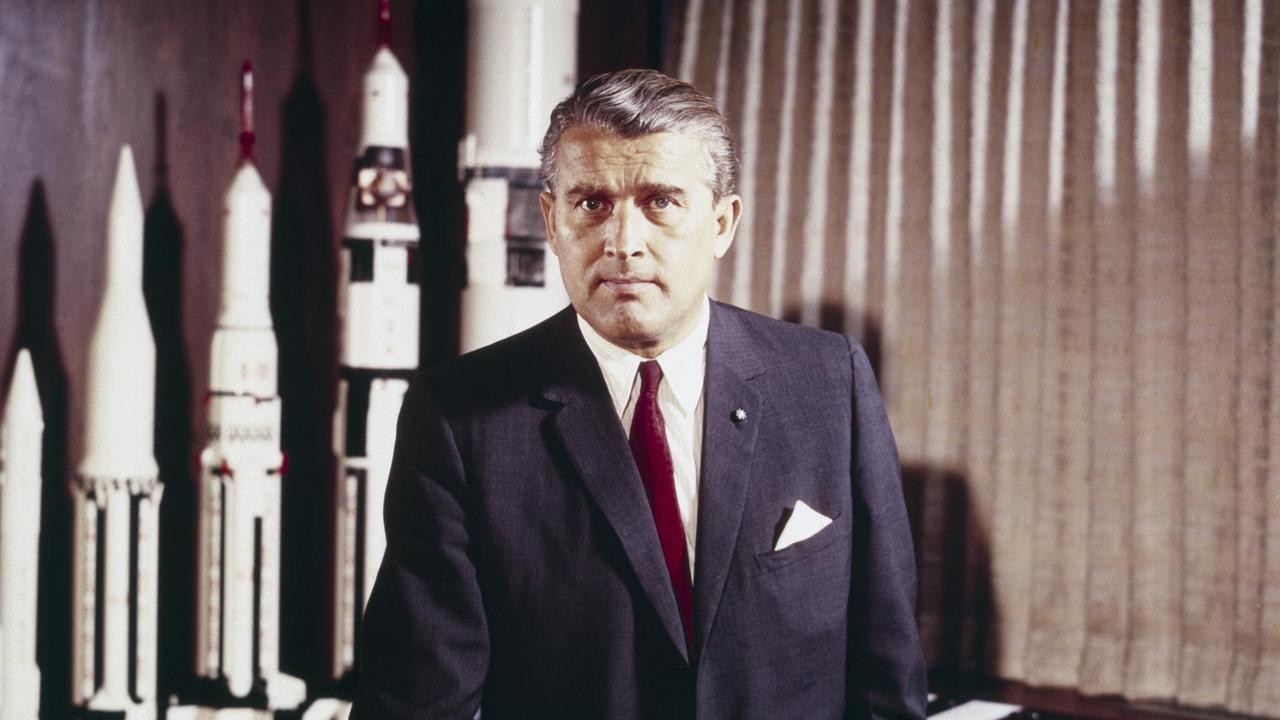
Wernher von Braun, as one of the most controversial and influential engineering figures of the 20th century, built a career that spanned from the development of ballistic missile technologies in Nazi Germany to the process of sending humans to Moon via USA, leaving behind a multifaceted legacy shaped by the tension between his genius and ethical responsibilities. Childhood Wernher Magnus Maximilian Freiherr von Braun was born on 23 March 1912 in the Prussia region of Germany, into an aristocrati
EN
Zekeriya Aktaş

Shahmaran (Shahmeran) Legend
The Shahmaran Legend; a traditional narrative cherished and preserved through oral and written cultural traditions within Turkish storytelling, reaching the present day in various forms.【1】 The mythical creature known as Shahmaran or Shahmeran, described as having a human head—largely female—and a serpent’s body, derives from the Persian expression “Shah-i Mârân,” meaning “king of serpents.” In Semitic legends, this being is referred to as “Yamliha,” a name carrying the meanings “to rule” or “to
EN
Talha Yıldırım