

`historicalmonuments` Related Article Results
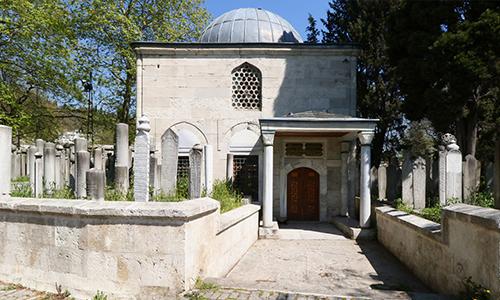
Feridun Paşa Türbesi
Feridun Ahmed Pasha Tomb, built in 1583 in the Eyüpsultan district of İstanbul, is a square-plan, single-dome funerary structure erected in honor of Feridun Ahmed Pasha, a 16th-century Ottoman bureaucrat, chancellor, poet, and writer.【1】 The Life and Literary Identity of Feridun Ahmed Pasha Feridun Ahmed Pasha was educated in the imperial court during the reign of Suleiman the Magnificent under the tutelage of Çivizade Abdullah Çelebi, the Grand Treasurer, and rose through the bureaucratic ranks
EN
Gözde Cabadak
 Re
ReRed Mosque: Jami Ul-Alfar Camii
Sri Lanka’s capital, Colombo, is home to the Jami Ul-Alfar Camii, a structure renowned for its architectural, historical, and religious significance. Locally known as the “Red Mosque,” it reflects the cultural influence of Islam in Sri Lanka. Built in the early 20th century, the mosque has since become both a religious and tourist landmark. Located in the bustling Pettah district of Colombo, the Jami Ul-Alfar Camii stands out with its red-and-white geometric patterns and is regarded as one of th
EN
Ahsen Karakaş
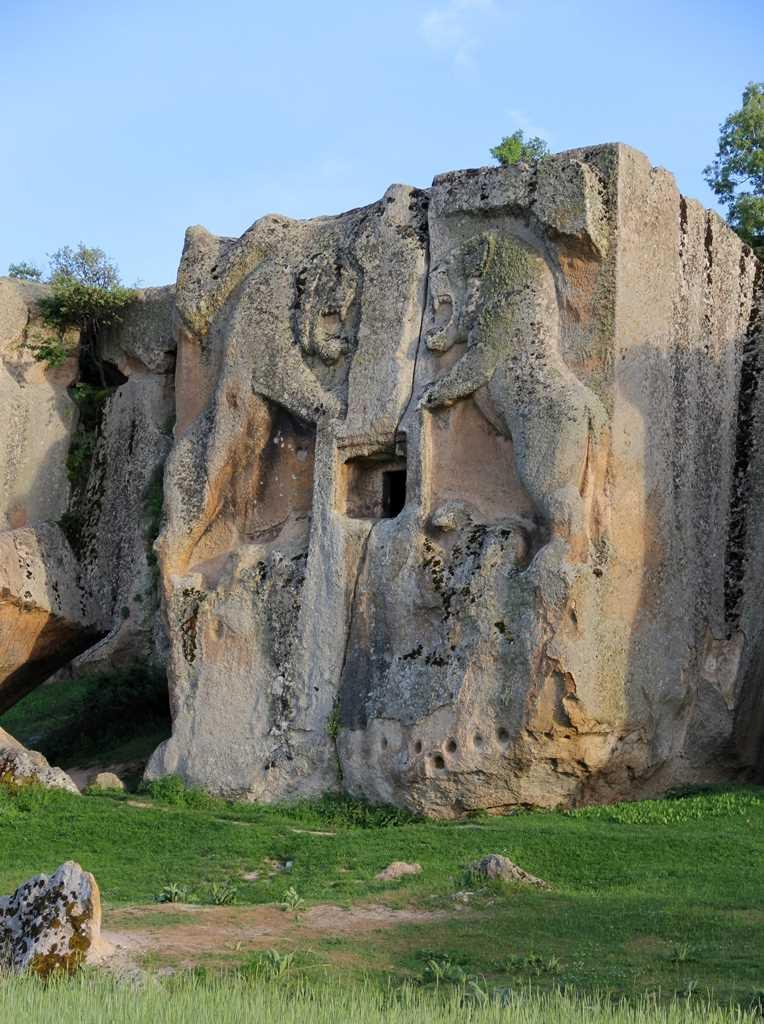
Aslantaş
Aslantaş, Afyonkarahisar-Eskişehir boundary area is a monumental rock tomb. Standing approximately 11 meters high, this monument is regarded as one of the oldest rock structures in the region. Although generally classified in scholarly literature as a Phrygian work, some researchers propose that it may be of Hittite origin due to its architectural features and symbolic reliefs.M. Çetin Şahin. "Büyük Aslantaş: Frigya'da Bir Hitit Kaya Mezarı." Archivum Anatolicum-Anadolu Arşivleri 1 (1995): 137-1
EN
Meryem Şentürk Çoban
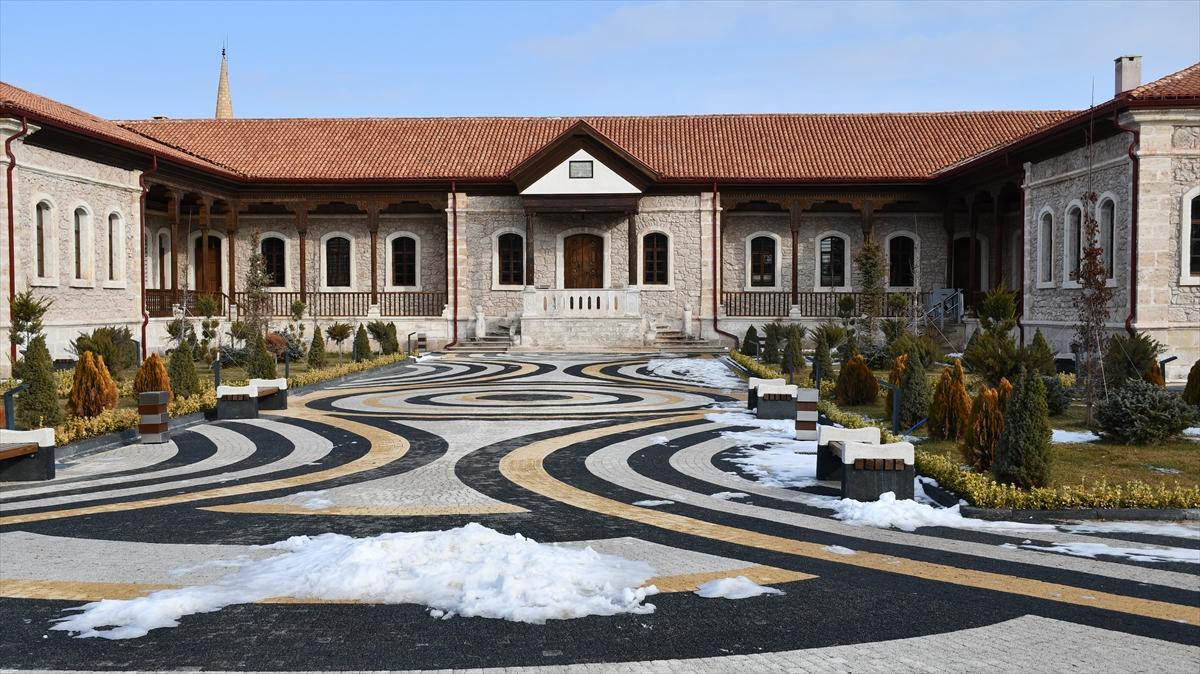
Museum of the Industrial School
Sivas Sanayi Mektebi Müzesi is a cultural heritage institution distinguished by its layered history spanning from the Ottoman era to the present, operating under a “living museum” approach. Constructed in 1902, the building served various functions including an industrial school, an art school, and a prison before being restored in 2019 and opened to the public as a museum in 2021. The museum is dedicated to preserving and promoting both the historical identity of the building and the traditiona
EN
Zeynep Yılmaz
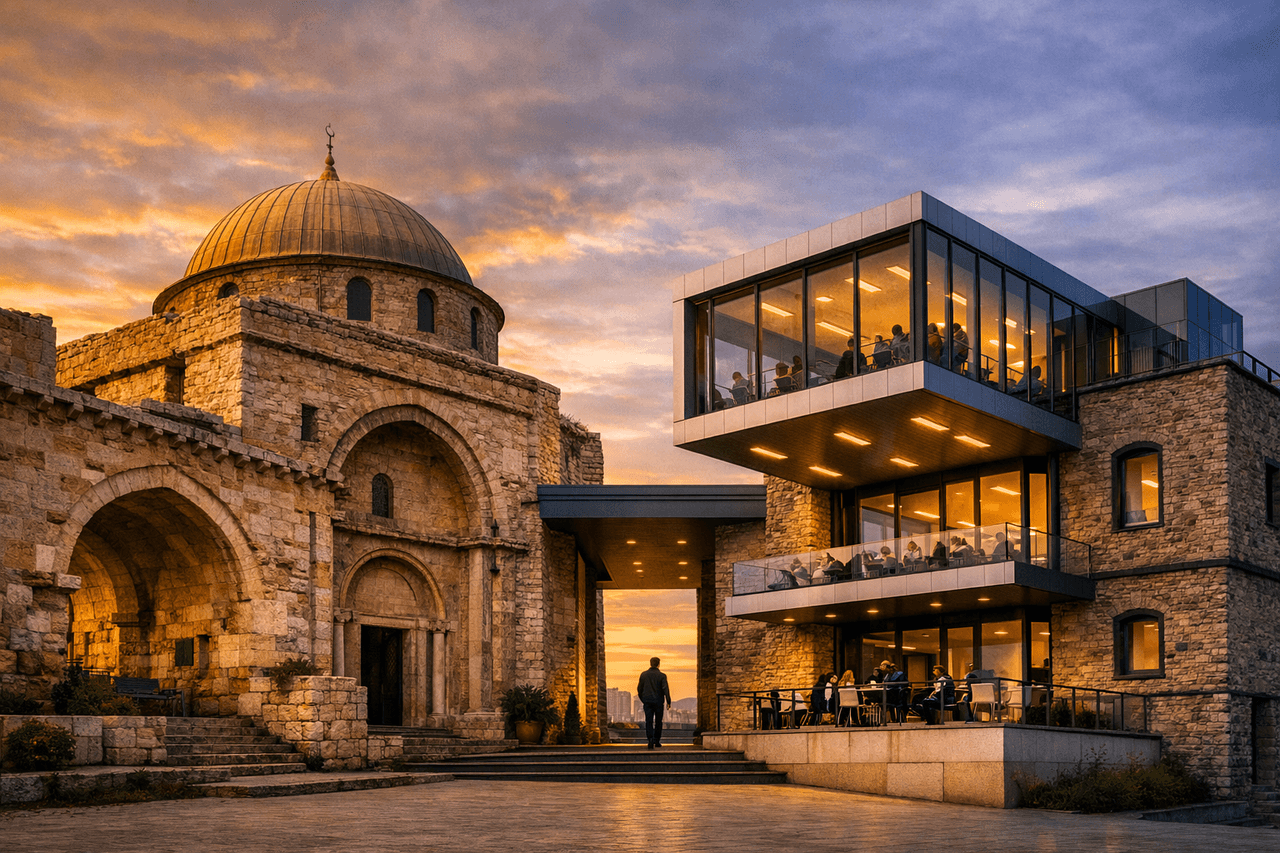
Modern Additions to Historical Structures: Harmony or Contrast?
Imagine you need to add a new structure next to a historic building. The most immediate solution is often to mimic the existing structure: using the same materials, a similar facade arrangement, comparable proportions, and similar details. This is because most of us define harmony through similarity. But is this truly necessary? Must a new addition resemble the historic structure to become part of it? Contemporary interventions added to historic buildings have long remained one of the most debat
EN
mesude zor
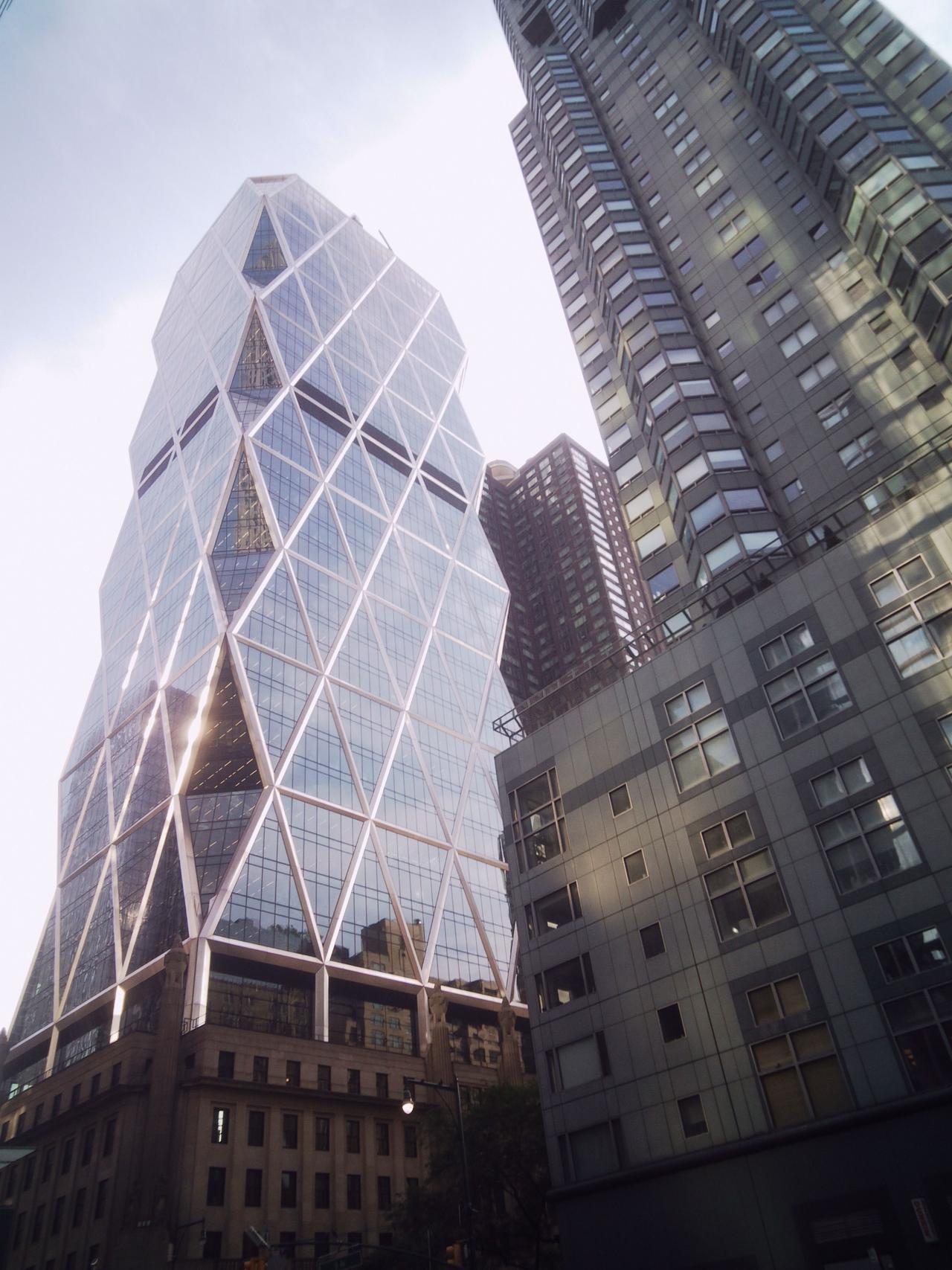
Hearst Tower
Hearst Tower is a tall building located in New York City, United States, serving as the headquarters of Hearst Corporation. Designed by Norman Foster and Foster + Partners, the structure was completed in 2006 and built atop the historic Hearst Magazine Building. It is regarded as a significant example of the approach that integrates a preserved historic structure with a new tall addition. The building draws attention for its steel and glass diagrid structural system, energy-efficient design deci
ENmesude zor
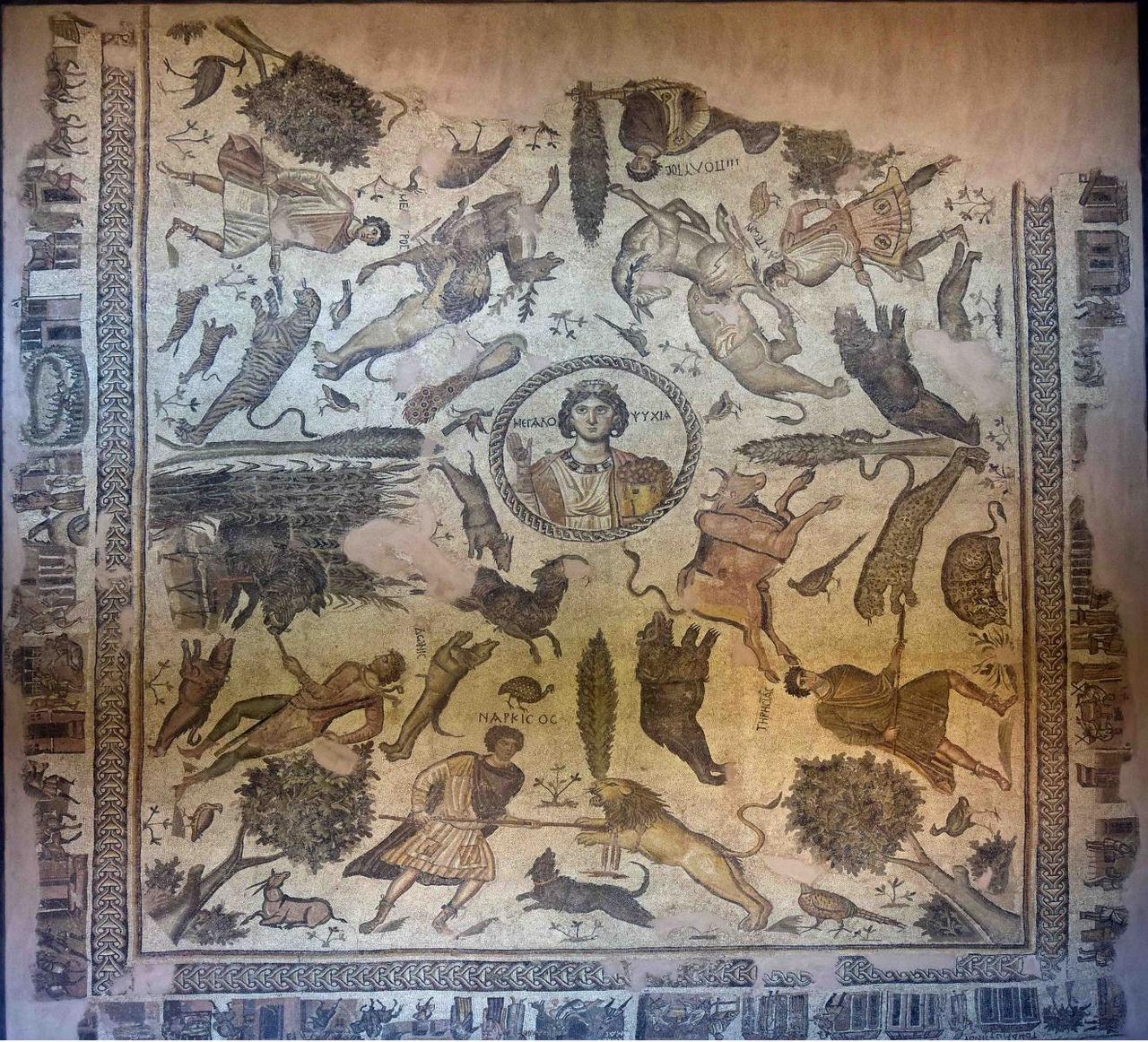
Hatay Archaeology Museum
Hatay Archaeology Museum is an important cultural institution located in the province of Hatay, Türkiye, shedding light on the region’s thousands-of-years-long history. The museum houses artifacts from various periods spanning the Paleolithic to the Middle Ages and is particularly renowned for its mosaic collection. Foundation and History Archaeological excavations in Hatay began in 1932 and were conducted between 1933 and 1938 by the Oriental Institute of the University of Chicago at sites such
EN
Ahsen Güneş
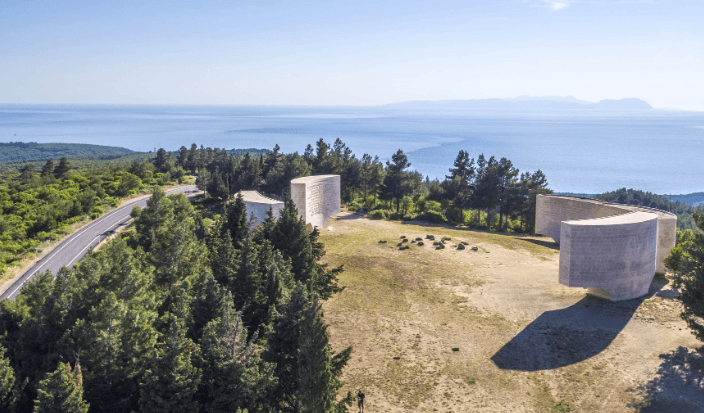
Conkbayırı Mehmetçik Inscription
The Conkbayırı Mehmetçik Inscription is a monumental structure located at Conkbayırı, one of the most critical fronts of the Çanakkale Wars, embodying the resistance and sacrifice shown by the Turkish army. Consisting of five plaques, the inscription documents the strategic developments of the course of the war and commemorates the memory of the soldiers who were martyred. Built as a result of a competition held in 1970, the structure was registered and placed under protection in 1980 by the Rep
ENAhsen Güneş
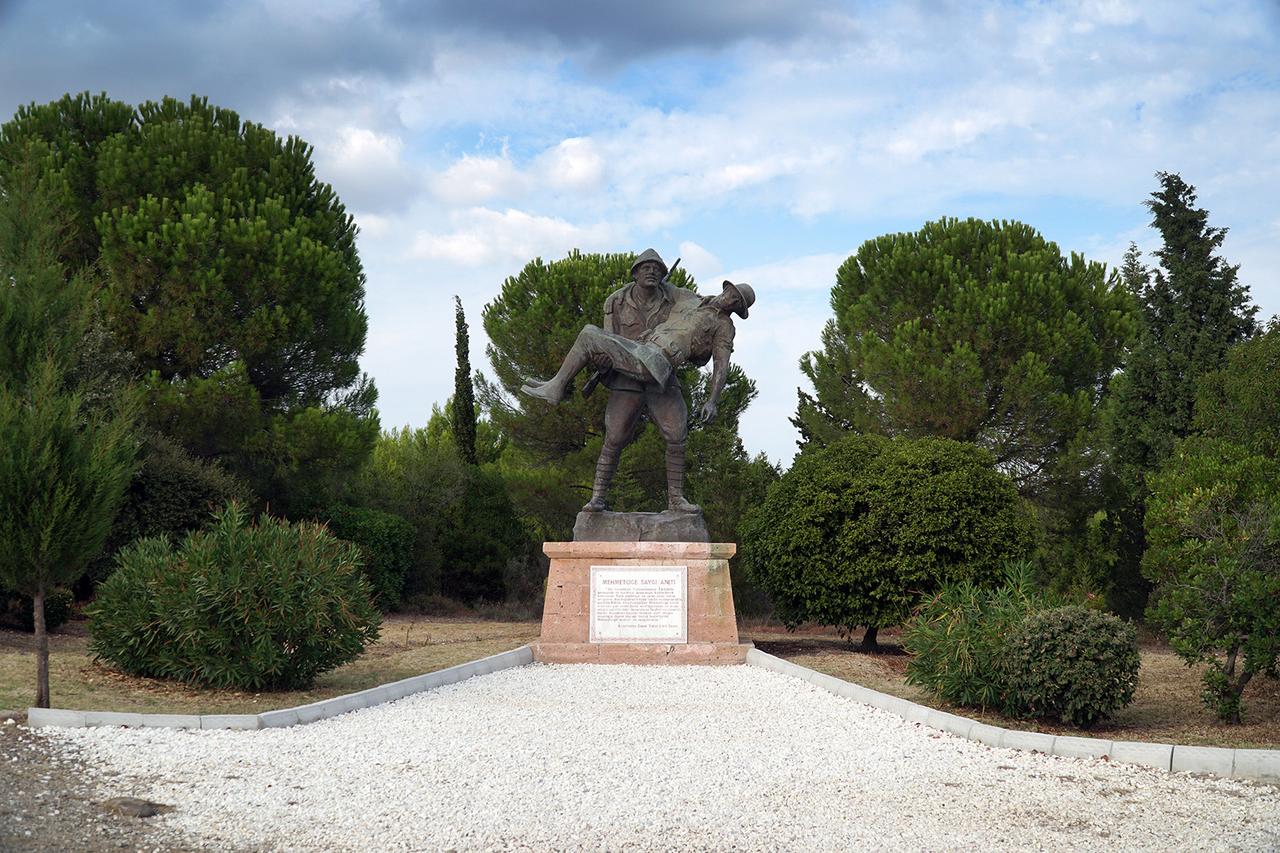
Deep Respect to Mehmetçik Monument
The Deep Respect to Mehmetçik Monument is a memorial statue located on the Kabatepe–Conkbayırı road in the Gallipoli Peninsula, one of the regions where the Çanakkale Wars took place. Said to represent an event highlighting the human dimension of the war, the monument draws attention with a scene in which a Turkish soldier helps a wounded ANZAC officer. The monument holds historical value for symbolizing not only the military aspect of the war but also the human contact experienced at the front.
ENAhsen Güneş
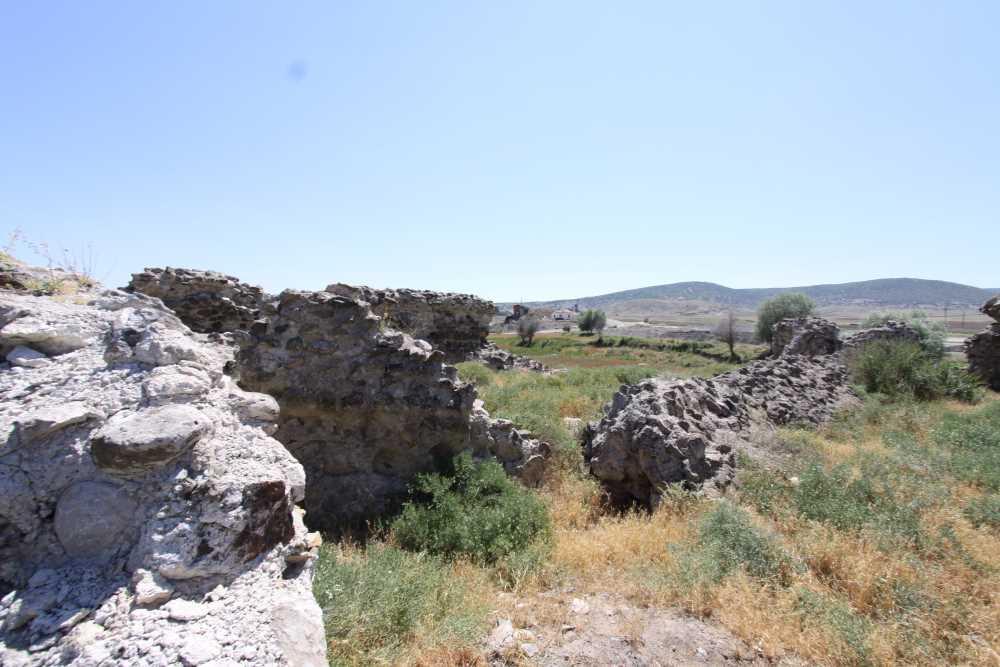
Çekereksu Hanı
Çekereksu Hanı is located near Kesikköprü Örencik Village, between the districts of Saraykent and Kadışehri in Yozgat Province, along the banks of the Çekerek River. This structure dates to the Anatolian Seljuk period and was constructed between 1239 and 1240. It is attributed to Melike Mahperi Hatun, one of the prominent female figures of the era. The route on which the caravanserai stands was historically a major trade artery, and the structure is understood to have served as a lodging and log
EN
Yusuf İslam Tuğla