


This article was automatically translated from the original Turkish version.
+2 More
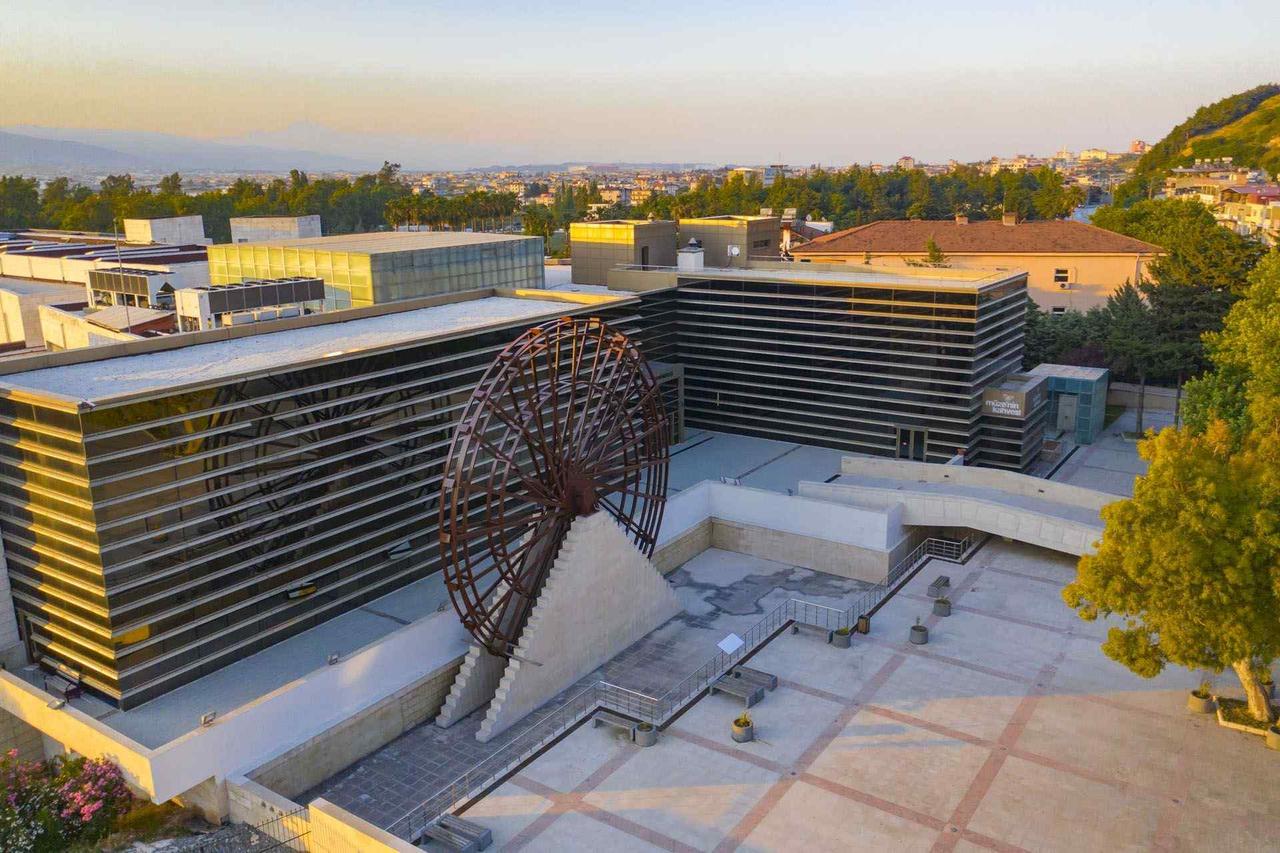
Hatay Archaeology Museum
Location | Hatay / Türkiye | ||||||||
|---|---|---|---|---|---|---|---|---|---|
Foundation Date | 1948 (first opening), 2014 (new building opening) | ||||||||
First Excavation Year | 1932 | ||||||||
Mosaic Area | Total 3,250 m² | ||||||||
Institutions Conducting Excavations | University of Chicago Oriental Institute Princeton University British Museum | ||||||||
Annual Visit Hours | Winter: 08:30-17:00, Summer: 08:30-19:00 | ||||||||
Notable Artifacts | Yakto Mosaic Skeleton Mosaic Statue of Tyche Statue of Suppiluliuma Antakya Larnax | ||||||||
Hatay Archaeology Museum is an important cultural institution located in the province of Hatay, Türkiye, shedding light on the region’s thousands-of-years-long history. The museum houses artifacts from various periods spanning the Paleolithic to the Middle Ages and is particularly renowned for its mosaic collection.
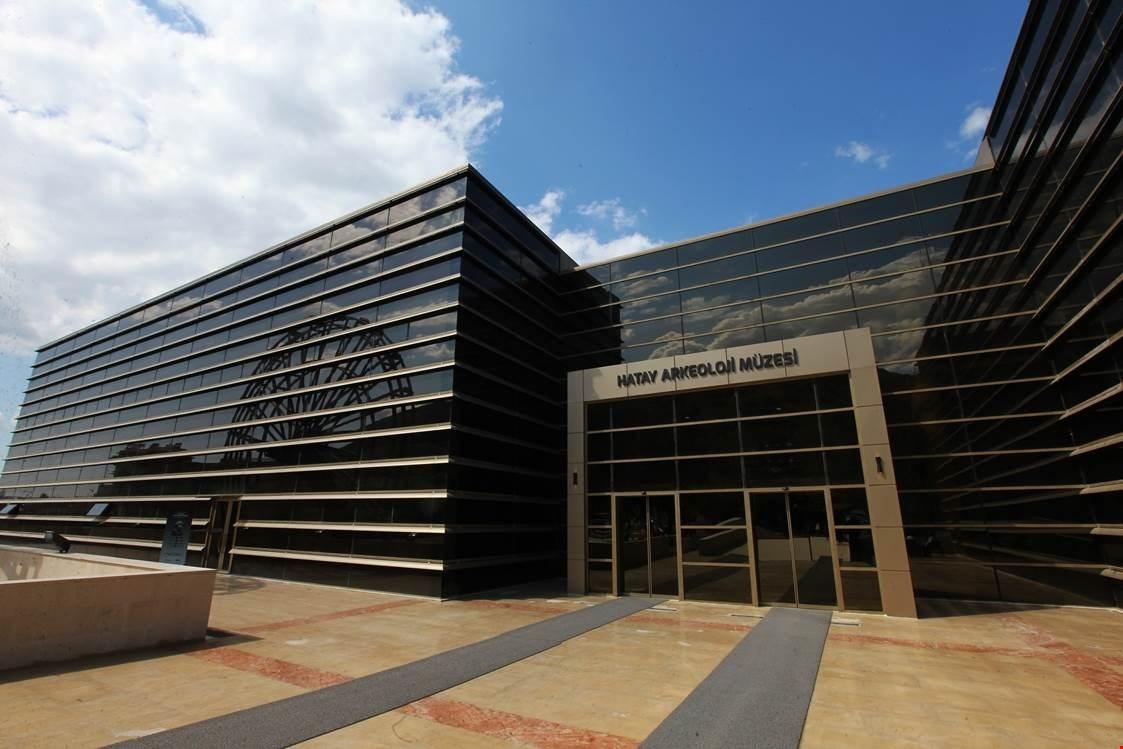
Hatay Archaeology Museum. (T.C. Hatay Valiliği)
Archaeological excavations in Hatay began in 1932 and were conducted between 1933 and 1938 by the Oriental Institute of the University of Chicago at sites such as Cüdeyde, Dehep, Çatalhöyük and Tell Tainat in the Amik Plain. In 1936, Sir Leonard Woolley carried out excavations on behalf of the British Museum at the El-Mina site in Samandağ; between 1937 and 1948, excavations were conducted at Tell Atçana (Aççana Höyüğü). The mosaics uncovered as a result of Princeton University’s excavations between 1932 and 1939 form the core of the museum’s collection.
The first building of the Hatay Archaeology Museum was completed in 1939 and opened to the public on 23 July 1948. However, due to the growing collection and increasing visitor numbers, the original building became inadequate, prompting construction of a new museum building in 2011. The new building was inaugurated on 28 December 2014.
The new museum building is situated on a site of 53,500 square meters and features 32,754 square meters of indoor space and 10,700 square meters of exhibition area. The museum has been enhanced with modern facilities including interactive panels, digital screens and architectural reconstructions. Additionally, reconstructions of structures from the Prehistoric period through the Roman and Byzantine eras enrich the visitor experience.
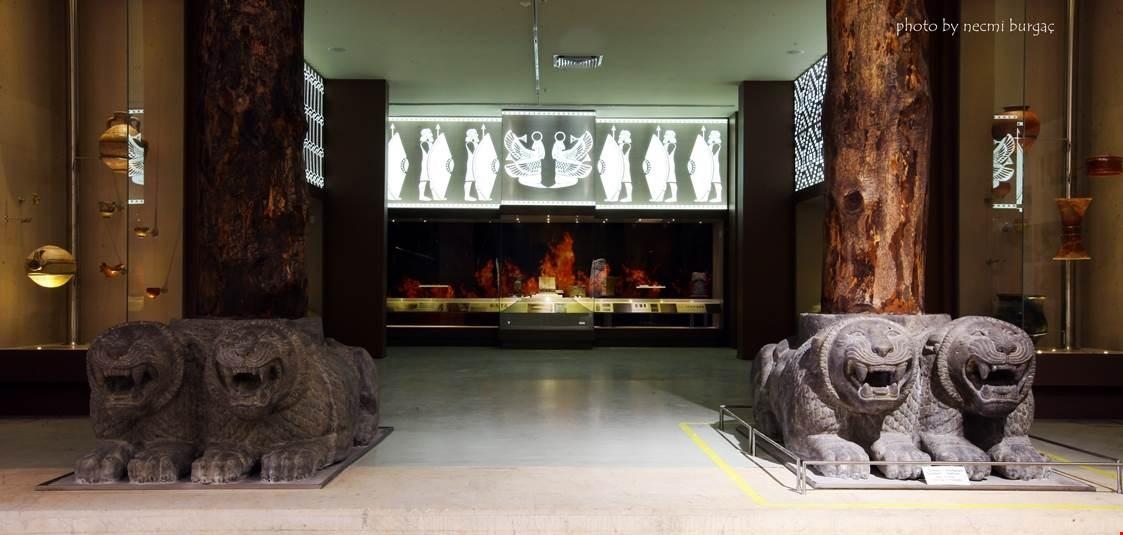
Interior. (T.C. Hatay Valiliği)
The museum’s archaeological collection is based on findings from numerous excavations conducted in Hatay and its surroundings. Excavations carried out by the Oriental Institute of the University of Chicago, the British Museum and Princeton University have yielded countless artifacts from sites such as Cüdeyde, Dehep, Tell Tainat, Tell Aççana, El-Mina and other mounds in the Amik Plain. Particularly, mosaics from the Roman and Byzantine periods constitute a major portion of the museum’s core collection. Some of these mosaics are currently on display at the Hatay Archaeology Museum while others are held in museums and private collections abroad.
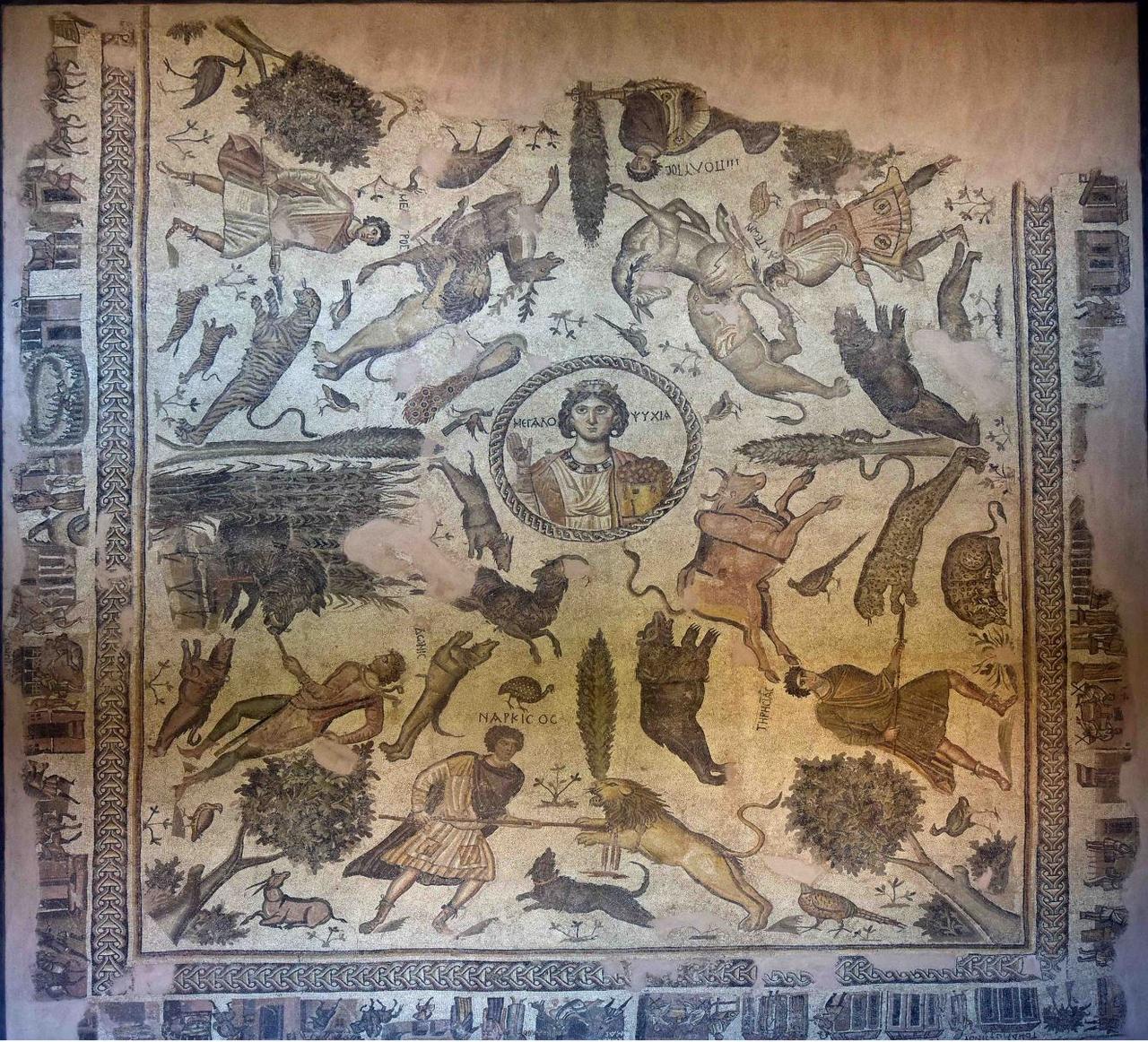
Yakto Mosaic. (Kültür Portalı)
The museum’s collection is presented chronologically under seven thematic categories:
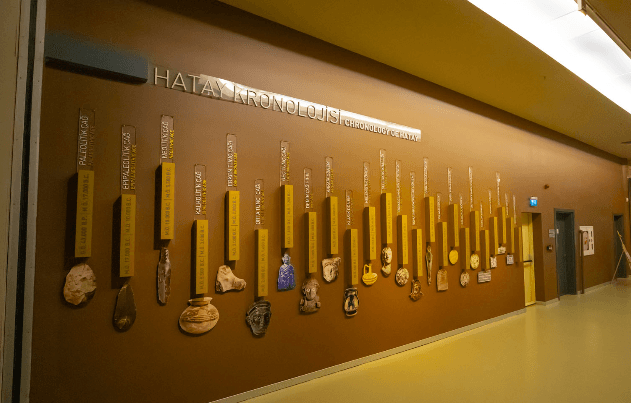
Hatay Chronology. (Turkish Museums)
The total surface area of the mosaics on display at the museum is 3,250 square meters, making the Hatay Archaeology Museum one of the largest mosaic collections in the world. Notable examples include the “Abandoned Ariadne Mosaic,” “Yakto Mosaic,” “Skeleton Mosaic,” “Seasons Mosaic,” and “The Birth of Venus.”
In addition to the mosaic collection, the museum houses stone sculptures, architectural elements, inscriptions, coins and everyday objects. Among the most striking pieces are the statue of Suppiluliuma from the Late Hittite period, discovered at Tell Tayinat, the Antakya Sarcophagus and the Tyche statue. The archaeological material, spanning from the Hellenistic period to the Islamic era, documents the cultural traces of diverse civilizations in the Hatay region.
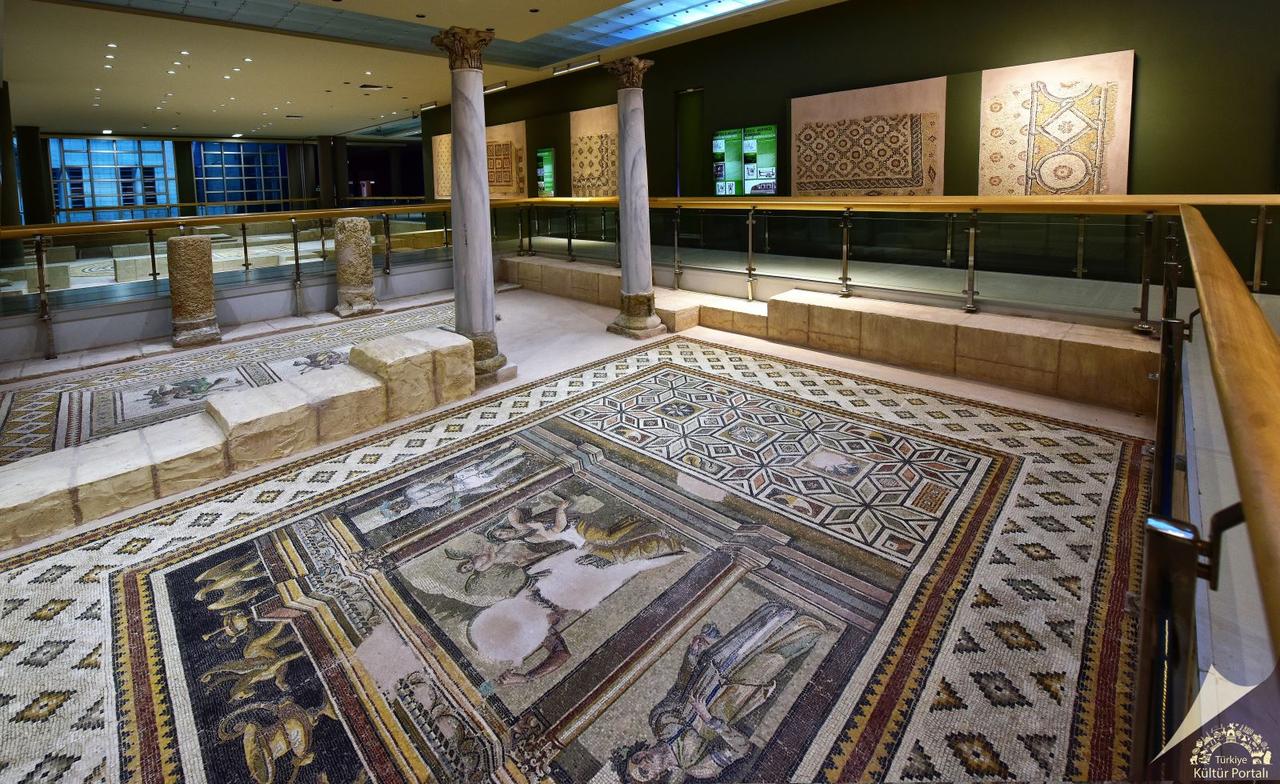
Floor Mosaic. (Kültür Portalı)
Each artifact in the museum reflects the cultural and artistic characteristics of its period. Some of the most significant pieces include:
Statue of King Suppiluliuma: This basalt statue, weighing approximately 1.5 tons and inscribed in the Luwian language, dates from the Late Hittite Kingdom. It was discovered at Tell Tayinat Höyüğü.
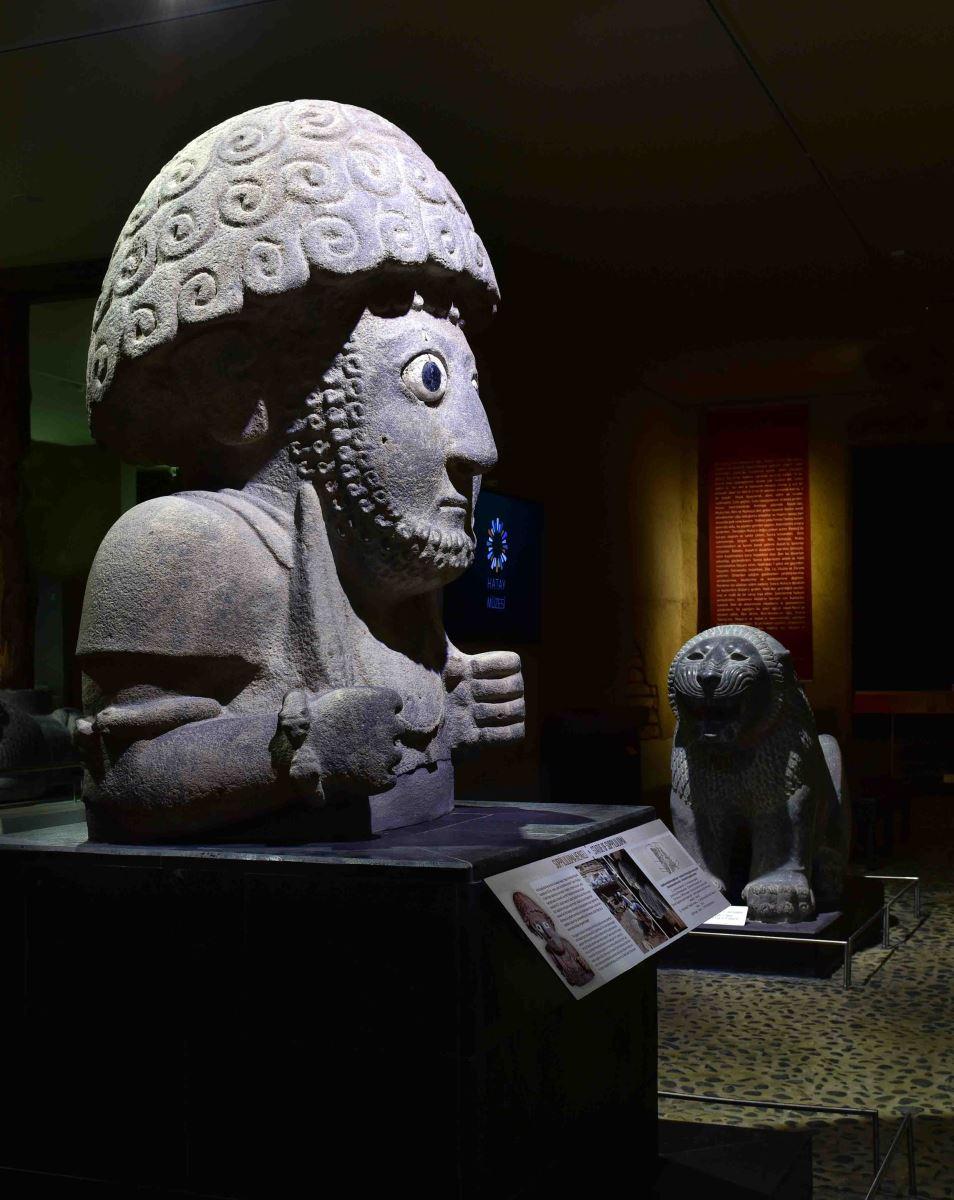
Statue of Suppiluliuma. (Kültür Portalı)
Antakya Sarcophagus: This Roman-period sarcophagus is adorned with figures suggesting it belonged to a person of high status.
Statuette of the Goddess Ishtar: Made of Lapis Lazuli, this artifact is dated to the Late Bronze Age and is among the museum’s most unique pieces.
Tyche Statue: This figure, representing the goddess of fortune of Antiocheia, dates from the Hellenistic and Roman periods.
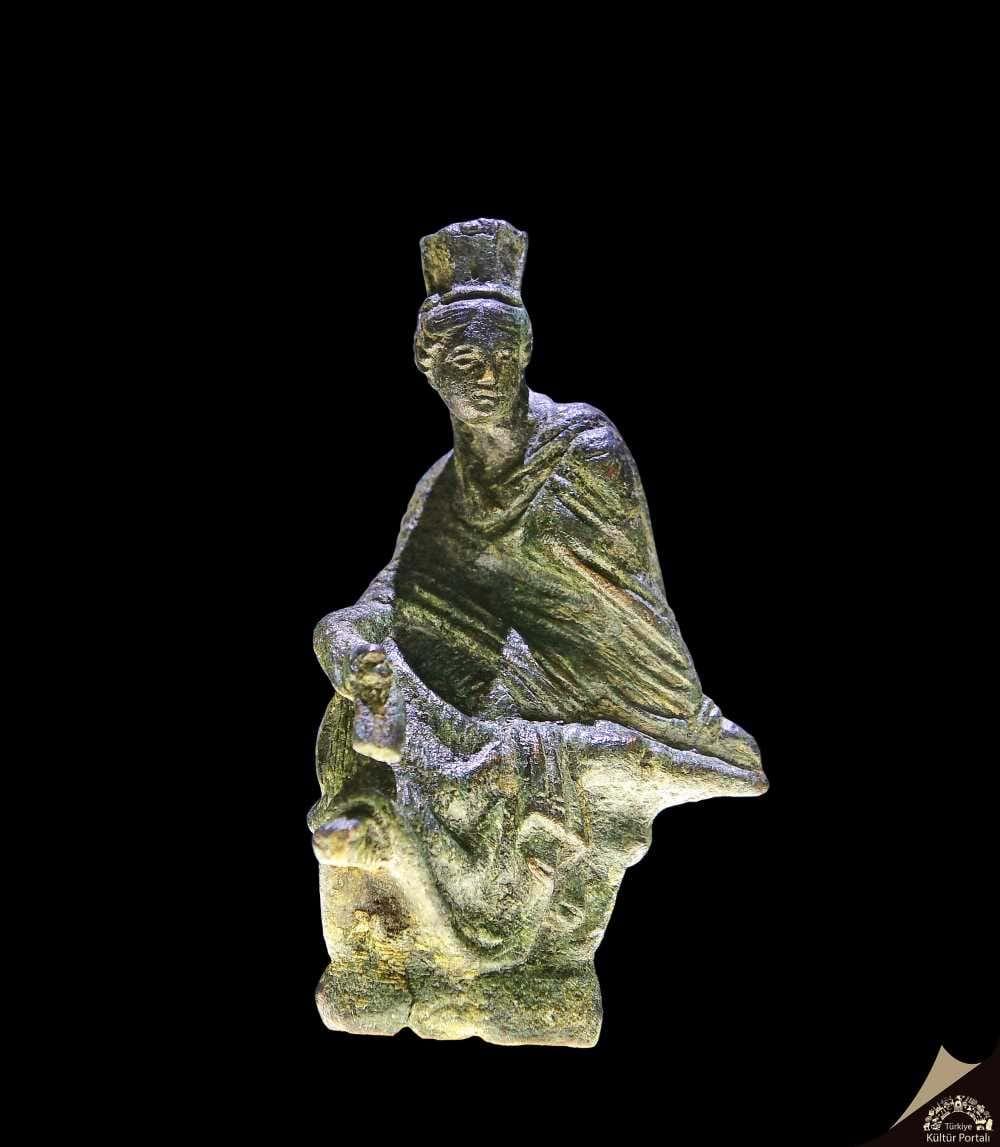
Tyche Statue. (Kültür Portalı)
The ethnography section of the museum features a special collection of aba and meşlah textiles from the Hatay region. These textiles were worn as indicators of social status and for protection against cold and heat. Five of the textiles in the Hatay Archaeology Museum’s inventory are sırma aba and one is meşlah. The warp is made of cotton, the weft of wool, and the decoration features silver thread and silk. Motifs include the eye, drop, hair tie, wolf’s mouth, stylized flowers and geometric patterns.
The museum is open daily throughout the year. During the winter season (2 October – 14 April), it operates from 08:30 to 17:00; during the summer season (15 April – 1 October), from 08:30 to 19:00. The museum is located on Atatürk Street in the Maşuklu neighborhood of the Antakya district in Hatay province. Visitors may enter using a Müzekart and benefit from audio guide services.
Anadolu Ajansı. "Hatay Arkeoloji Müzesi." Accessed May 1, 2025.https://www.aa.com.tr/tr/pg/foto-galeri/hatay-arkeoloji-muzesi
Arıöz, Begül. “Hatay Arkeoloji Müzesi Envanterinde Yer Alan Aba ve Meşlah Dokumaların Teknik, Renk ve Motif Özelliklerinin İncelenmesi.” *Korkut Ata Türkiyat Araştırmaları Dergisi*, no. 14 (2024): 195–209.https://doi.org/10.51531/korkutataturkiyat.1407139
Hatay Metropolitan Municipality. "Hatay Arkeoloji Müzesi." Hatay Büyükşehir Belediyesi Web Sitesi. Accessed May 1, 2025.https://hatay.bel.tr/hatay-arkeoloji-muzesi
T.C. Hatay Valiliği. "Arkeoloji Müzesi." T.C. Hatay Valiliği Web Sitesi. Accessed May 1, 2025.http://www.hatay.gov.tr/arkeoloji-muzesi
T.C. Kültür ve Turizm Bakanlığı. "Hatay Arkeoloji Müzesi." Muze.gov. Accessed May 1, 2025.https://muze.gov.tr/muze-detay?SectionId=HTY01&DistId=HTY
T.C. Ministry of Culture and Tourism. "Hatay Arkeoloji Müzesi." Türkiye Kültür Portalı. Accessed May 1, 2025.https://www.kulturportali.gov.tr/turkiye/hatay/gezilecekyer/arkeoloji-muzesi149365
Turkish Museums. "Hatay Arkeoloji Müzesi." Turkish Museums Web Sitesi. Accessed May 1, 2025.https://www.turkishmuseums.com/museum/detail/2056-hatay-arkeoloji-muzesi/2056/1

Hatay Archaeology Museum
Location | Hatay / Türkiye | ||||||||
|---|---|---|---|---|---|---|---|---|---|
Foundation Date | 1948 (first opening), 2014 (new building opening) | ||||||||
First Excavation Year | 1932 | ||||||||
Mosaic Area | Total 3,250 m² | ||||||||
Institutions Conducting Excavations | University of Chicago Oriental Institute Princeton University British Museum | ||||||||
Annual Visit Hours | Winter: 08:30-17:00, Summer: 08:30-19:00 | ||||||||
Notable Artifacts | Yakto Mosaic Skeleton Mosaic Statue of Tyche Statue of Suppiluliuma Antakya Larnax | ||||||||
No Discussion Added Yet
Start discussion for "Hatay Archaeology Museum" article
Foundation and History
Architecture and Technical Facilities
Archaeological Excavations
Collections
Mosaic Collection
Notable Artifacts
Aba and Meşlah Textiles
Visit Information