

`bosniaandherzegovina` Related Article Results
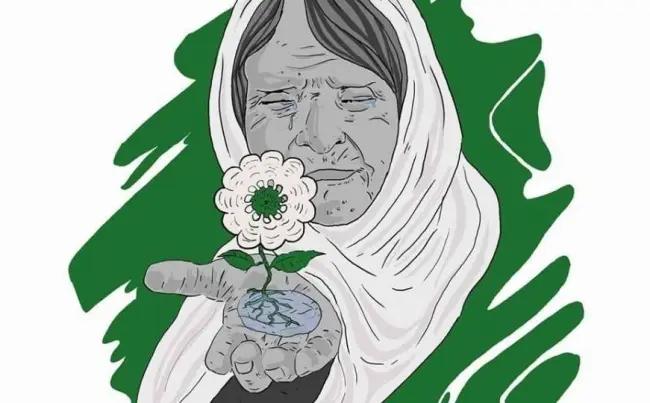
Srebrenica Genocide
The Srebrenica Genocide is a mass crime against humanity that began on July 11, 1995, during the Bosnian War, when Bosnian Serb forces captured the town of Srebrenica, which had been declared a “safe area” by the United Nations. The massacre resulted in the systematic killing of at least 8,372 Bosniak men and boys. Recognized as the largest genocide in Europe since World War II, this atrocity exemplifies both the devastating impact of ethnic cleansing policies and the international community’s f
EN
Sümeyye Akkanat Terzioğlu
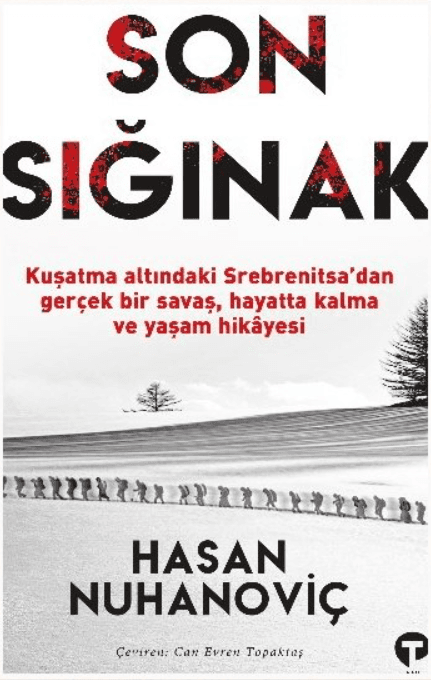
Last Shelter (Book)
Hasan Nuhanović’s work Son Sığınak is a study that examines the Srebrenica genocide during the Bosnian War through personal testimonies and an international context. The book recounts events the author witnessed firsthand, questioning the destructive impact of war on humanity and the responsibilities of the international community. This eser sheds light on the tragedy that unfolded in Srebrenica, declared a “safe bölge” by the United Nations, and carries the dual character of a tarihsel historic
EN
Ahsen Karakaş
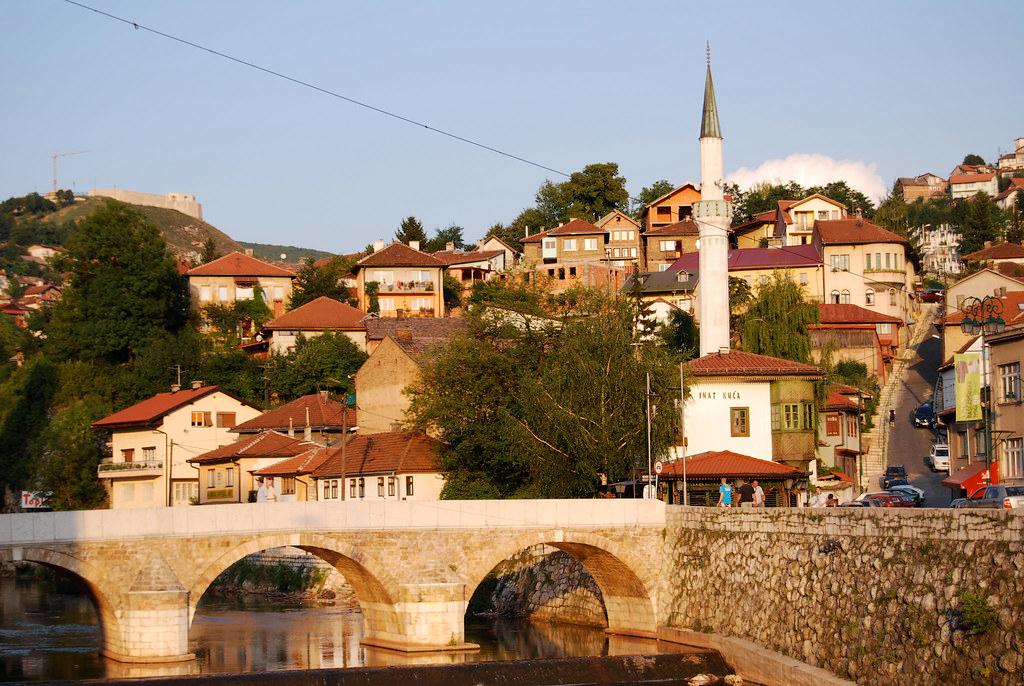
Inat House (Inat Kuça)
Inat Evi, Bosnia and Herzegovina’s capital Sarajevo, located on the southern bank of the Miljacka River, is a historic building exhibiting characteristics of 19th-century Ottoman civil architecture. Known in Bosnian as Inat Kuça, this structure is regarded as a symbol of individual resistance against urban transformation initiatives during the Austro-Hungarian Empire period. Historical Background and Construction Process The 1878 Treaty of Berlin altered the political map of the Balkans by trans
EN
Nursena Şahin
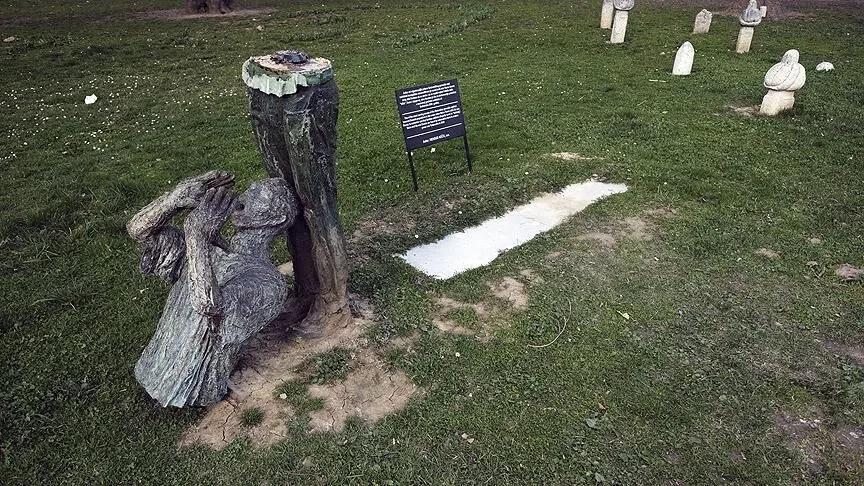
Nermin Gel! (Statue)
Nermin Gel! (Bosnian: Nermine, Dođi!), is a sculpture-installation located in Saraybosna, the capital of Bosnia and Herzegovina, dedicated to the memory of the Srebrenica genocide. Designed by artist Mensud Keča, the work stands two meters tall and is constructed from concrete, plaster, plastic, silicone, and other durable materials. Historical Context The sculpture depicts Father Ramo Osmanović calling out to his son Nermin as Serbian soldiers approach their area. Although the Serbian soldiers
ENNursena Şahin
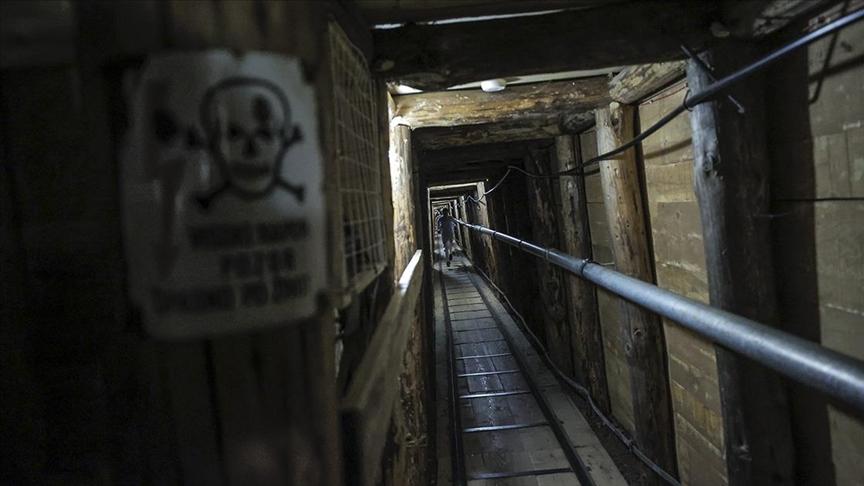
Sarajevo Umut Tunnel (Tunnel Spasa)
Sarajevo Tunnel of Hope is a strategic underground passage constructed during the 1425-day siege of Sarajevo, known as the longest siege in modern history, to connect the besieged capital with the outside world."Saraybosna'nın dünyaya açılan tek kapısı: Umut Tüneli," MECRA, erişim 28 Aralık 2025, https://www.gzt.com/mecra/saraybosnanin-dunyaya-acilan-tek-kapisi-umut-tuneli-3768759 ">【1】 Construction began in 1993 and linked the Dobrinja and Butmir areas under the control of the Army of Bosnia
ENNursena Şahin
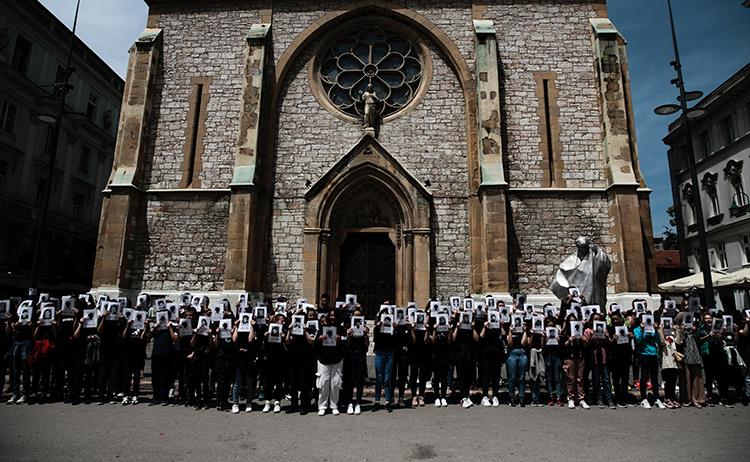
White Ribbon Day
White Ribbon Day (Bosnian: Dan bijelih traka) is an annual commemoration held on 31 May to remember the massacres carried out in 1992 by Serb forces against non-Serb civilians in the town of Prijedor and its surroundings in northern Bosnia and Herzegovina. Background and History At the outset of the Bosnian War, Serb forces seized the town of Prijedor in April 1992. On 31 May 1992, local radio broadcasts issued by Bosnian Serb authorities mandated that all non-Serb citizens must hang white flags
ENNursena Şahin
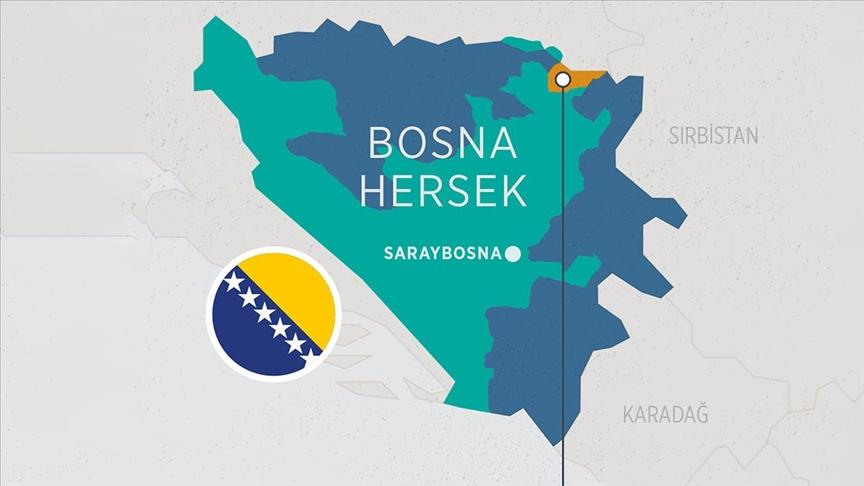
Dayton Peace Agreement
Dayton Peace Agreement is an international peace agreement designed to end the war in Bosnia and Herzegovina that lasted from 1992 to 1995. It was initialed on 21 November 1995 in Dayton and formally signed on 14 December 1995 in Paris. The agreement consists of eleven annexes that define the political structure, constitutional framework, administrative organization of Bosnia and Herzegovina, and the international mechanisms for implementing the post-war peace. Although hostilities officially en
EN
Burcu Sandıkçı