

`architecturalheritage` Related Article Results
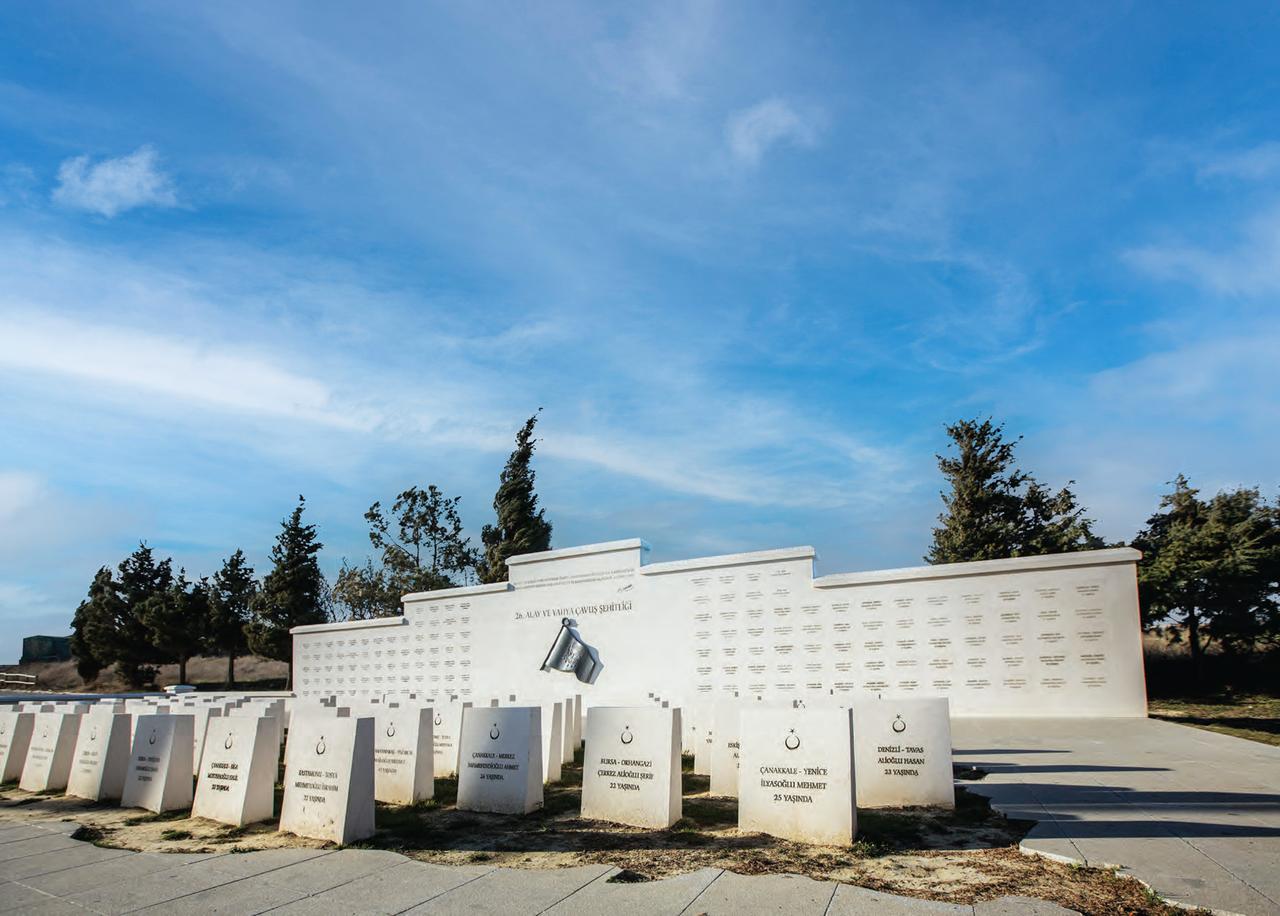
Yahya Çavuş Martyrdom
Yahya Çavuş Martyrdom Site is a memorial built in honor of the soldiers who lost their lives defending Ertuğrul Bay during the Gallipoli Campaign. The site is located directly opposite the Ertuğrul Battery. Constructed by the Ministry of Culture in 1992, this monument commemorates the Turkish soldiers of the 3rd Battalion of the 26th Regiment of the 9th Division who defended Ertuğrul Bay during the landing on 25 April 1915.【1】 Historical Background and Battle Process On 25 April 1915, as part of
EN
Gözde Cabadak
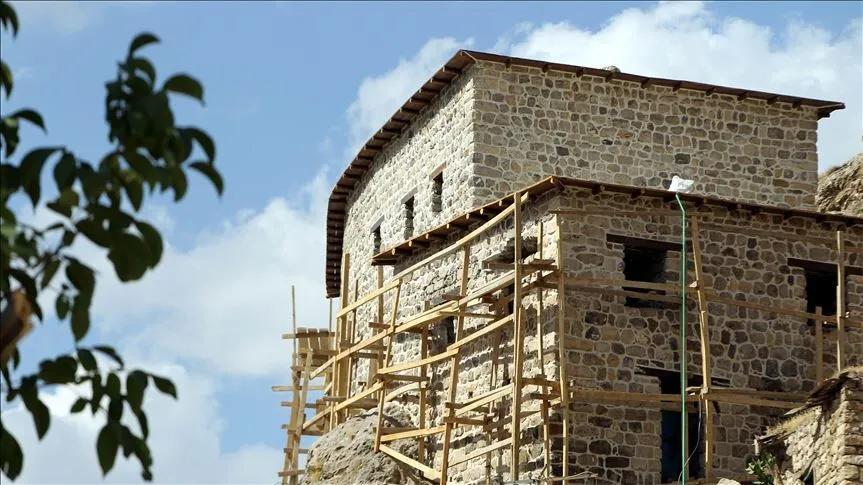
Çukurca Historical Stone Houses
The Historical Stone Houses of Çukurca are located in the Çukurca district of Hakkari province, on the border with Iraq in Türkiye’s Eastern Anatolia Region. Recognized as an example of civil architecture, these structures are situated within the boundaries of Cumhuriyet Mahallesi, built along the slopes of Çukurca Castle. This settlement consists of a total of 21 stone houses and is regarded as part of Ottoman cultural and architectural heritage.【1】 Architectural Structure and Technical Feature
ENGözde Cabadak
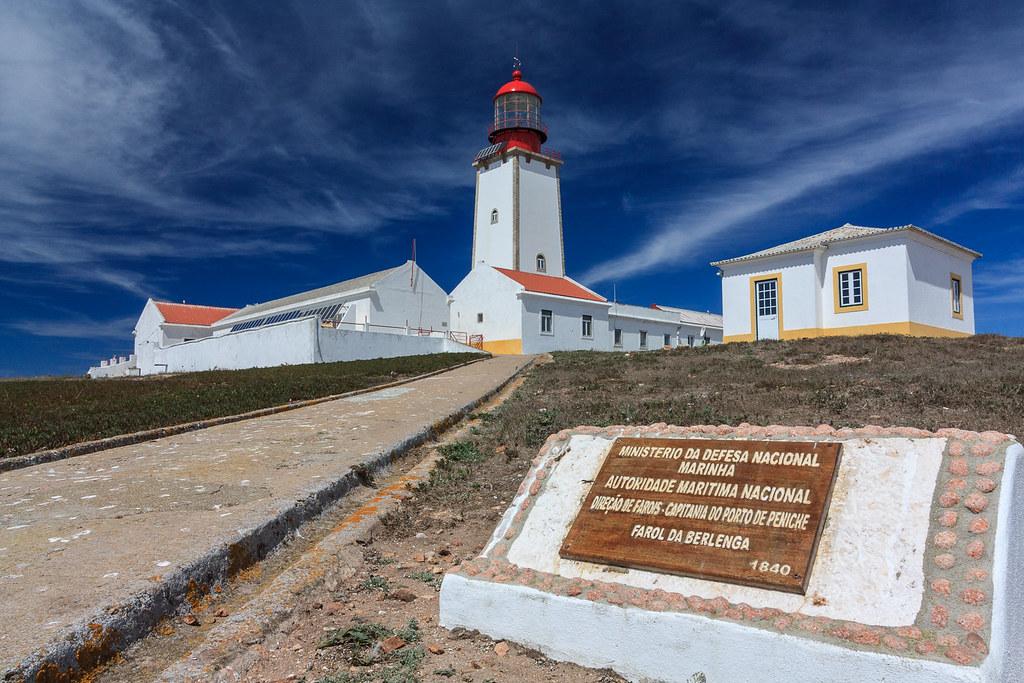
Berlenga Lighthouse
The Berlenga Lighthouse, officially known as the Duke of Bragança Lighthouse, is a historic structure located at the summit of Berlenga Grande Island in the Atlantic Ocean, Portugal. The island, a granite mass anchored several miles off the coast northwest of Peniche, hosts the lighthouse at its highest point, at coordinates 39º 24',99 N latitude and 09º 30',47 W longitude. The lighthouse is operated by the Portuguese Navy Directorate of Lighthouses (Direção de Faróis) and remains an active coas
EN
Nursena Şahin
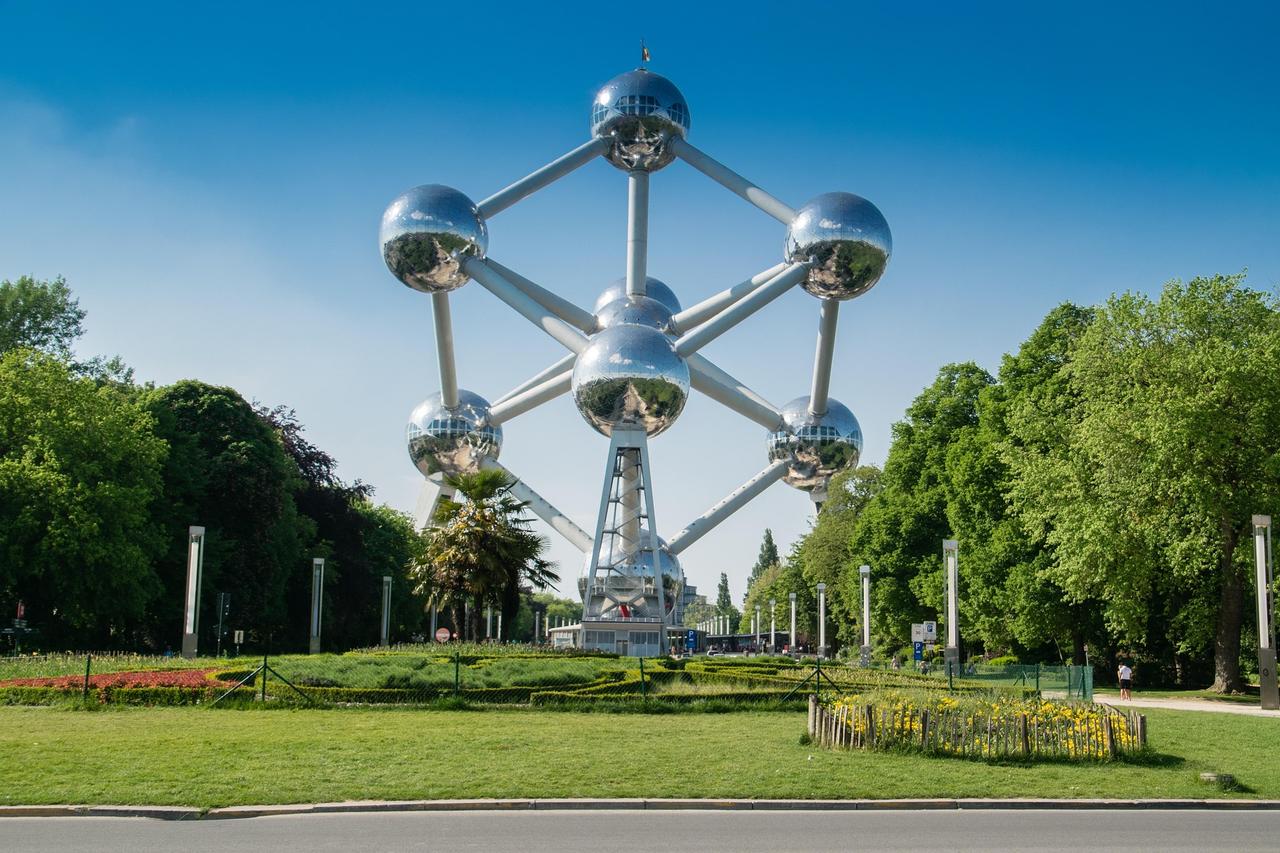
Atomium
Atomium is a monumental structure located in the city of Brussels, Belgium, constructed as part of the Brussels World’s Fair (Expo 58) in 1958. The structure, designed to represent in enlarged scale the atomic structure of an iron crystal, consists of nine spheres connected by a supporting system of tubes. Although originally conceived as a temporary structure for Expo 58, it was preserved after the fair and gradually acquired functions as an exhibition space, public venue, and tourist attractio
EN
Fatmanur Mavibaş
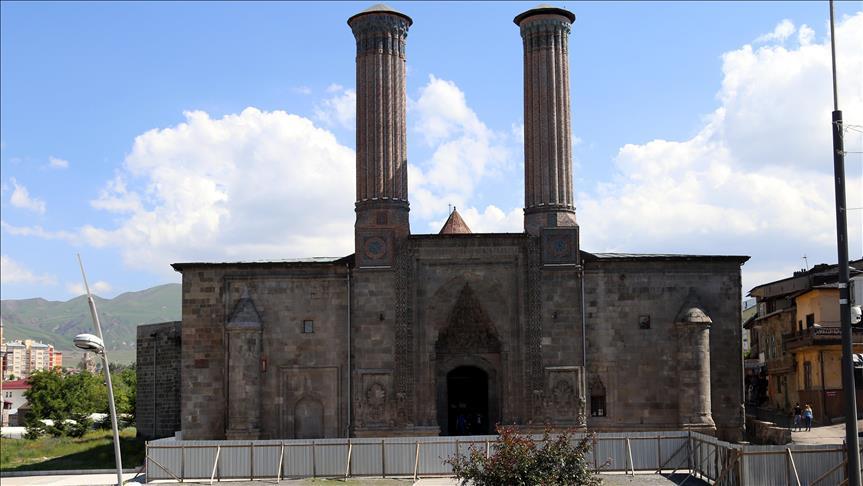
Erzurum Çifte Minareli Medrese (Hatuniye Medresesi)
Erzurum Çifte Minareli Medrese is one of the most monumental examples of Anatolian Seljuk architectural tradition and is a historical educational structure located in the city center of Erzurum. With dimensions of approximately 35 by 48 meters, it is regarded as the largest open courtyard medrese in Anatolia. The building, also known in popular tradition and foundation records as Hatuniye Medrese, holds a unique place within Turk-Islamic art due to its monumental crowned portal, vegetal and figu
EN
Emirhan Polat
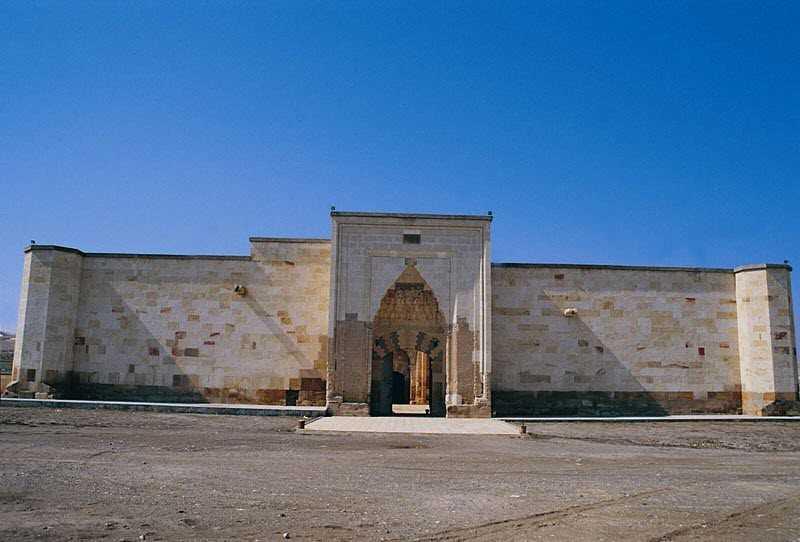
Avanos Sarı Han
Avanos Sarı Han, Anadolu Selçuklu period structure built as a caravanserai. Located on the Kayseri-Aksaray route approximately 10 km from the district of Nevşehir’s Avanos, and 6 km north of Ürgüp, it stands in the Damsa Çayı Valley on the left bank of the Kızılırmak River. The structure was built on a slope higher to the west than to the east. No trace of the historical caravan route remains to this day. Sarıhan (Anadolu Selçuklu Yapı Envanteri) " image-alternate="" image-element-format="right"
EN
Melahat Pamuk
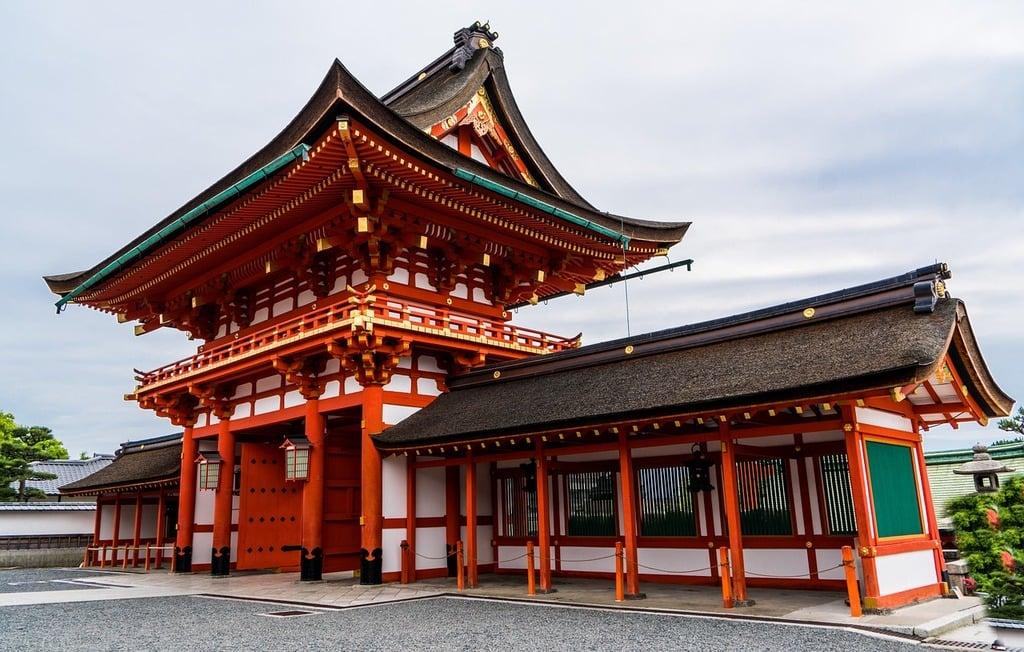
Fushimi Inari Shrine
Fushimi Inari Taisha is a nationally recognized and historically significant Shinto shrine located in the Fushimi district of southern Kyoto, Japan’s former capital. It serves as the head shrine (Sōhonsha) of approximately 30,000 Inari shrines (O-inari-san) throughout Japan. The shrine is especially famous for its thousands of vermilion-orange torii gates, arranged in continuous tunnel-like corridors (Senbon Torii) that stretch from the main shrine buildings up the slopes of the sacred hill know
ENNursena Şahin
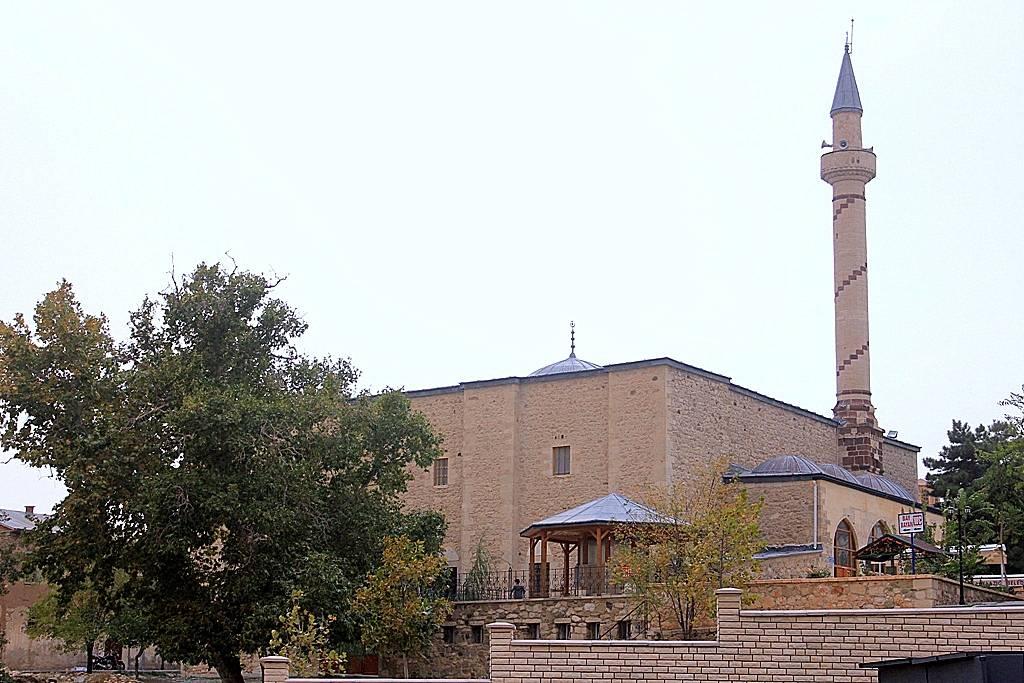
Sara Hatun Camii
Sara Hatun Camii was built as a mosque in 1465 by Sara (Sare) Hatun, mother of Akkoyunlu ruler Uzun Hasan, in the Elazığ district of Harput. This structure, bearing the religious and architectural traces of the Akkoyunlu period, stands out as a significant building that influenced the direction of Ottoman settlement in Harput. Restorations and Reconstruction Over time, the mosque underwent various repairs and structural modifications to reach its current form. The first major restoration was car
EN
Miray GÜR
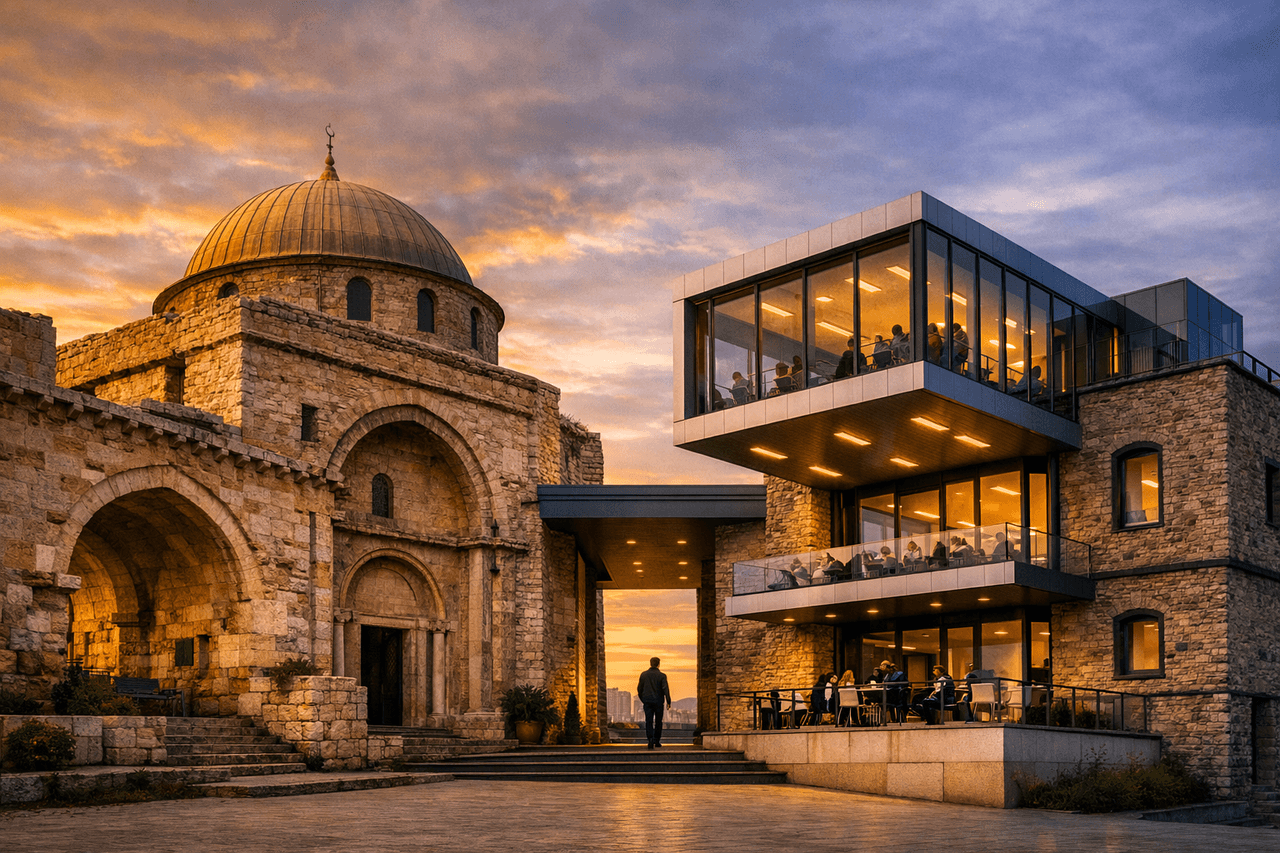
Modern Additions to Historical Structures: Harmony or Contrast?
Imagine you need to add a new structure next to a historic building. The most immediate solution is often to mimic the existing structure: using the same materials, a similar facade arrangement, comparable proportions, and similar details. This is because most of us define harmony through similarity. But is this truly necessary? Must a new addition resemble the historic structure to become part of it? Contemporary interventions added to historic buildings have long remained one of the most debat
EN
mesude zor
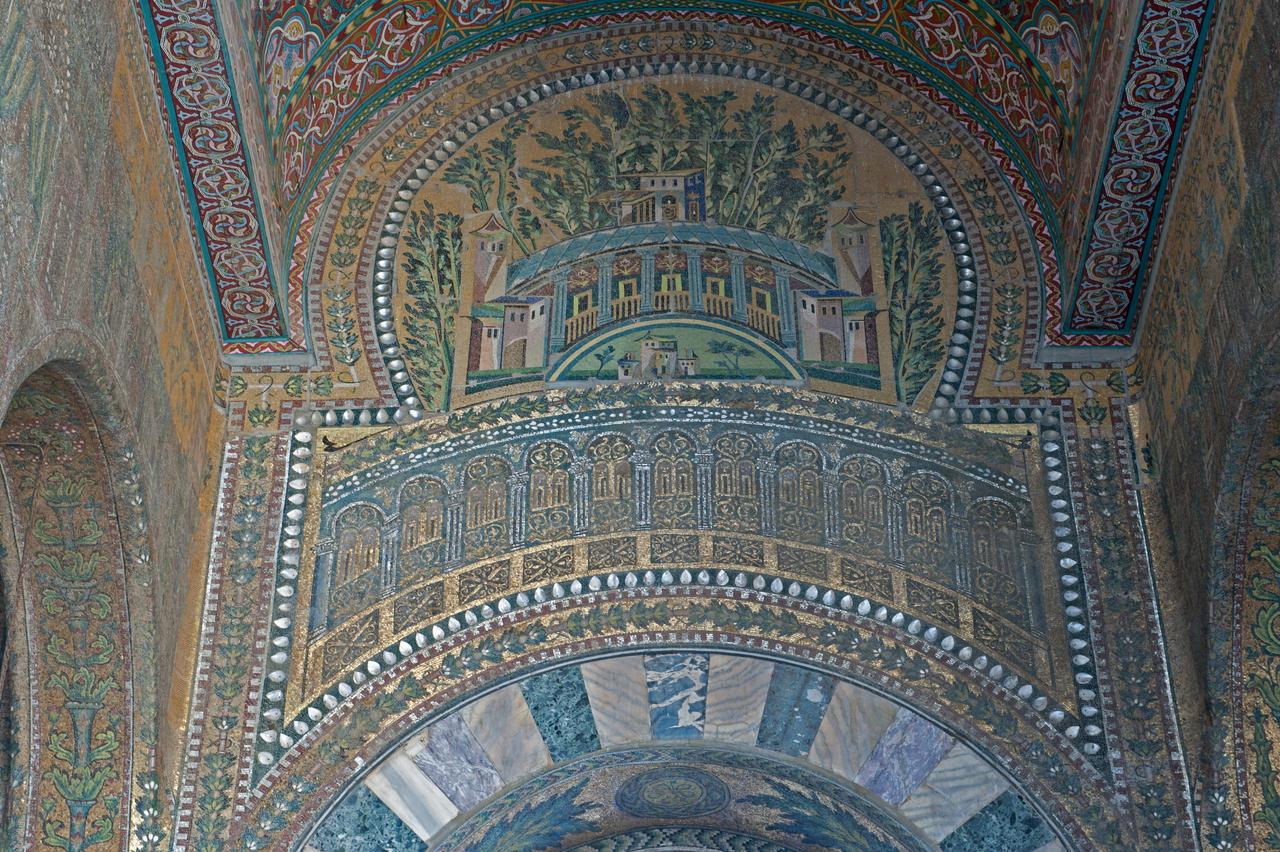
Mosaic
Mosaic is a two- or three-dimensional pictorial technique formed by arranging small pieces of stone, glass, ceramic, marble, paper, or similar hard materials side by side on a specific surface to create a pattern or figure. The visual images produced by this technique are also referred to by the same name. The art of mosaic has been widely used throughout history in architectural structures for flooring, wall, and ceiling coverings, both for aesthetic and functional purposes. Although the etymol
EN
Nazlı Kemerkaya