

`ancientarchitecture` Related Article Results
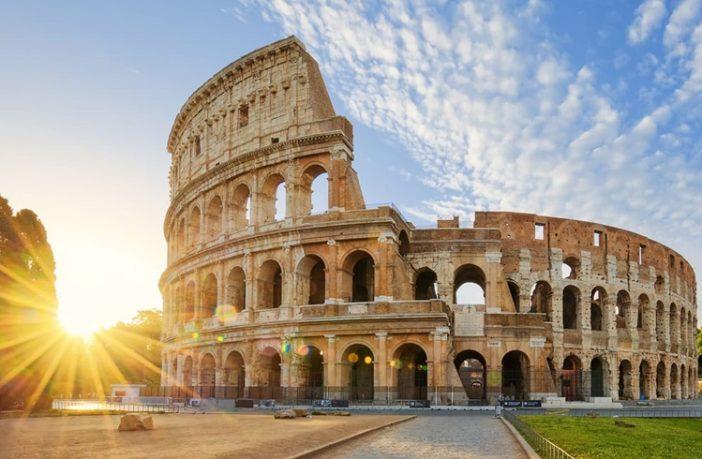
Colosseum
Colosseum is a structure built during the Roman Empire period and is regarded as one of the largest ancient amphitheaters in the world. Originally named "Amphitheatrum Flavium", the Colosseum is located east of the Palatine Hill in Rome. Construction began in the 1st century AD and was completed rapidly. The Colosseum became the center of public entertainment in Roman society and also transformed into an architectural symbol representing imperial power. History Construction of the Colosseum bega
EN
Ahsen Güneş
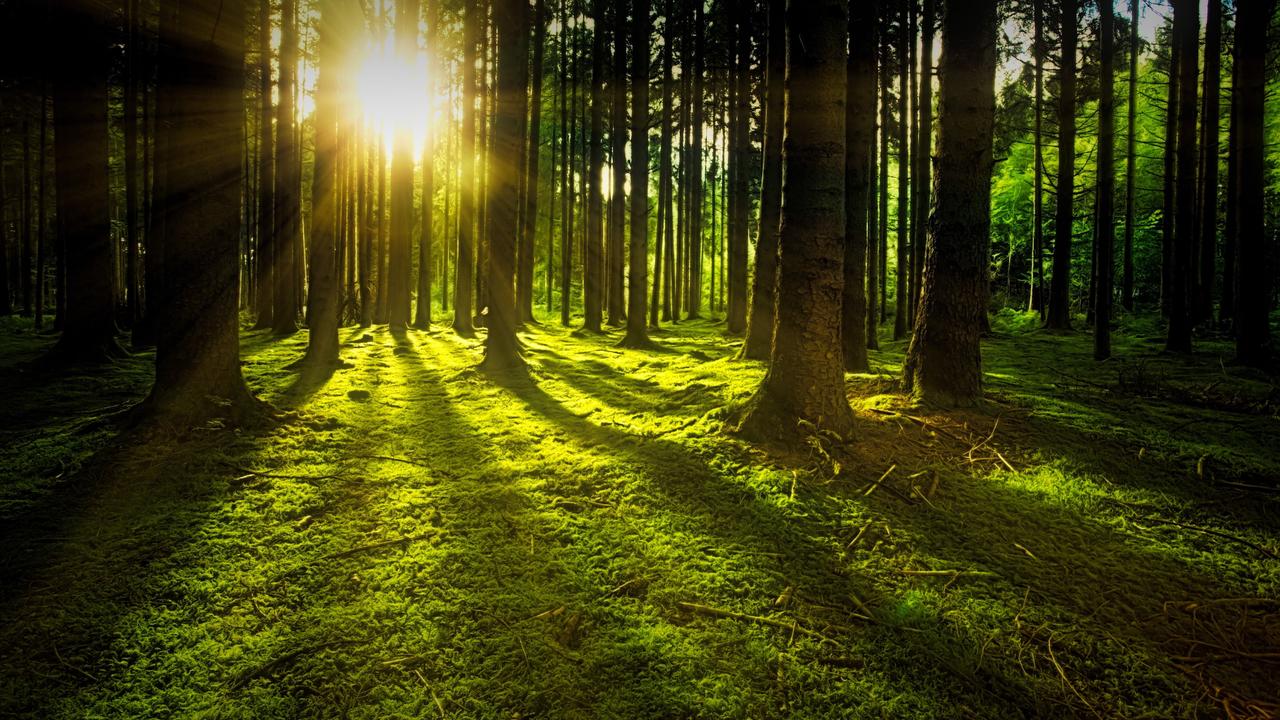
Summer Solstice
The summer solstice, occurs annually on June 21 and is an astronomical event marking the longest day and shortest night of the year in the Northern Hemisphere. It happens when the Sun reaches its northernmost position in the sky (the Tropic of Cancer) and is one of the four key turning points of the astronomical year. The term “solstice” derives from the Latin words sol (Sun) and sistere (to stand still). The summer solstice can be observed between June 20 and 22, with minor variations depending
EN
Mustafa Cem İnci
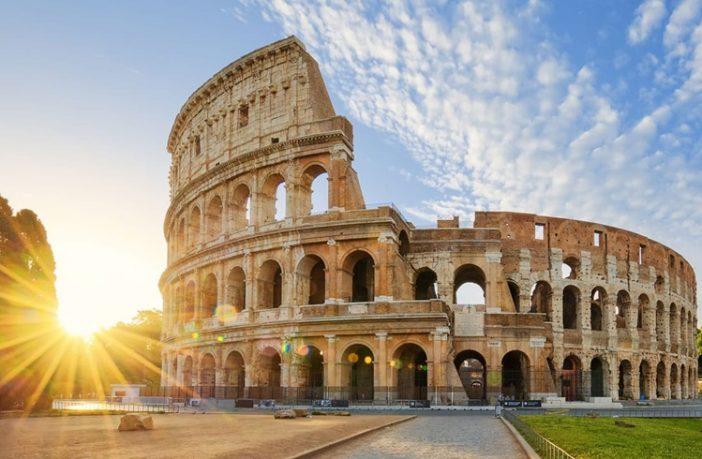
Colosseum
The Colosseum is a structure built during the Roman Empire and regarded as one of the largest ancient amphitheaters in the world. Originally named "Amphitheatrum Flavium," the Colosseum is located east of the Palatine Hill in Rome. Construction began in the 1st century CE and was completed rapidly. The Colosseum became the center of public entertainment in Roman society and evolved into an architectural symbol of imperial power. The Colosseum (Pexels) " image-alternate="" image-element-format="r
EN
Ahsen Güneş
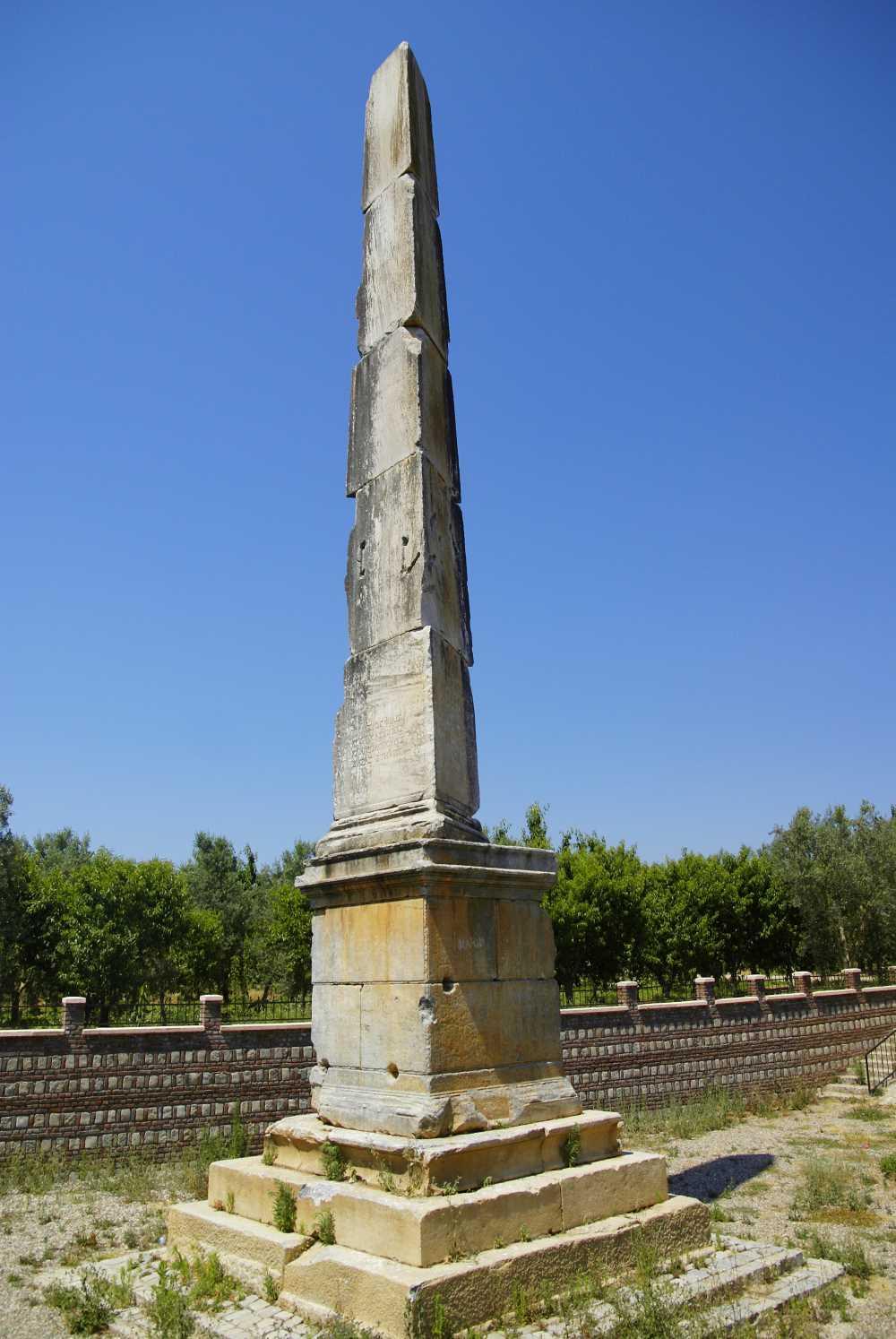
Dikilitaş (İznik)
Dikilitaş is an monumental burial structure located in the district of İznik, Bursa Province, dating to the second century of the Roman Empire. It is believed to have been erected in memory of Lucius Cassius Philiscus, son of Asklepiodos, and is regarded as one of the significant examples of Roman commemorative and funerary architecture in Anatolia. Situated within the İznik Plain, the structure has survived largely intact despite its nearly two-thousand-year history, making it one of the rare a
EN
Furkan Güçlü
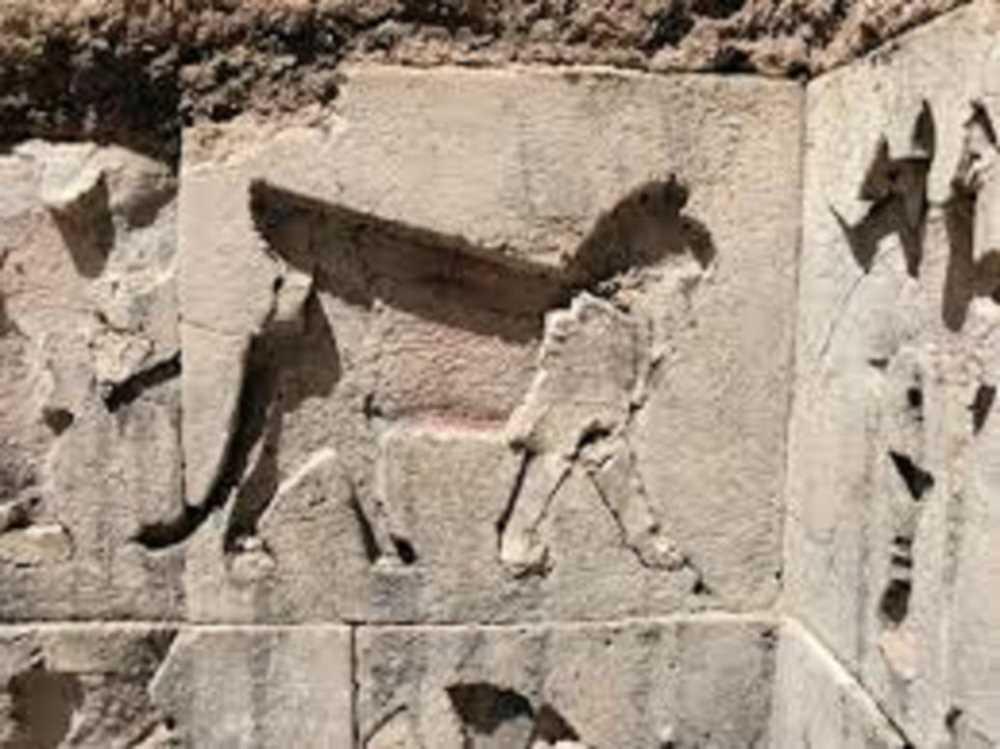
Ayanis Kalesi
Ayanis Kalesi is located within the boundaries of Ayanis village in the Tuşba district of Van Province. This archaeological site is situated on the eastern shore of Lake Van, approximately 35 kilometers from the city center of Van. The hill upon which the structure is built extends in an east-west direction, measuring 150 meters in width and 400 meters in length. The hilltop lies 250 meters above the level of Lake Van. Historical Background and Chronology The settlement, established as the final
EN
ibrahim Oruk
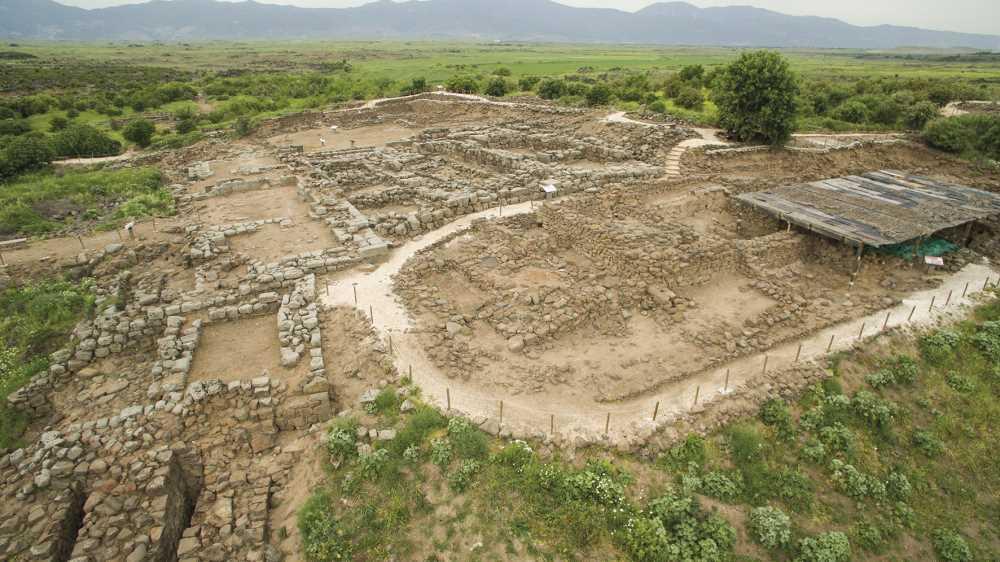
Tilmen Höyük
Tilmen Höyük is an important archaeological settlement located approximately 10 kilometers east of the district of Gaziantep, 2 kilometers west of the village of Yelliburun. It lies in the center of a hilly plain surrounded by volcanic basalt veins and hillocks. The mound consists of an oval-shaped hill 21 meters high, 220 meters long and 150 meters wide, with a 160-meter-long spur extending toward the west. The settlement area is surrounded by water channels formed by tributaries of the Karasu
EN
Meryem Şentürk Çoban