


This article was automatically translated from the original Turkish version.
+2 More
The summer solstice, occurs annually on June 21 and is an astronomical event marking the longest day and shortest night of the year in the Northern Hemisphere. It happens when the Sun reaches its northernmost position in the sky (the Tropic of Cancer) and is one of the four key turning points of the astronomical year. The term “solstice” derives from the Latin words sol (Sun) and sistere (to stand still).
The summer solstice can be observed between June 20 and 22, with minor variations depending on the year’s astronomical position and leap year cycles; however, in the modern calendar it is generally accepted as June 21.【1】 On these dates, the rate of change in the Sun’s rising and setting positions slows significantly; for approximately five days, its movement becomes so minimal as to be nearly imperceptible to the naked eye. This phenomenon has led many cultures since prehistory to regard this day as the most prominent astronomical marker of the year.
Summer solstice arises from the tilt of Earth’s axis, which is approximately 23.4°, and the elliptical nature of its orbit around the Sun. This axial tilt alters the angle at which sunlight strikes Earth throughout the year, creating seasonal variations in day and night durations.
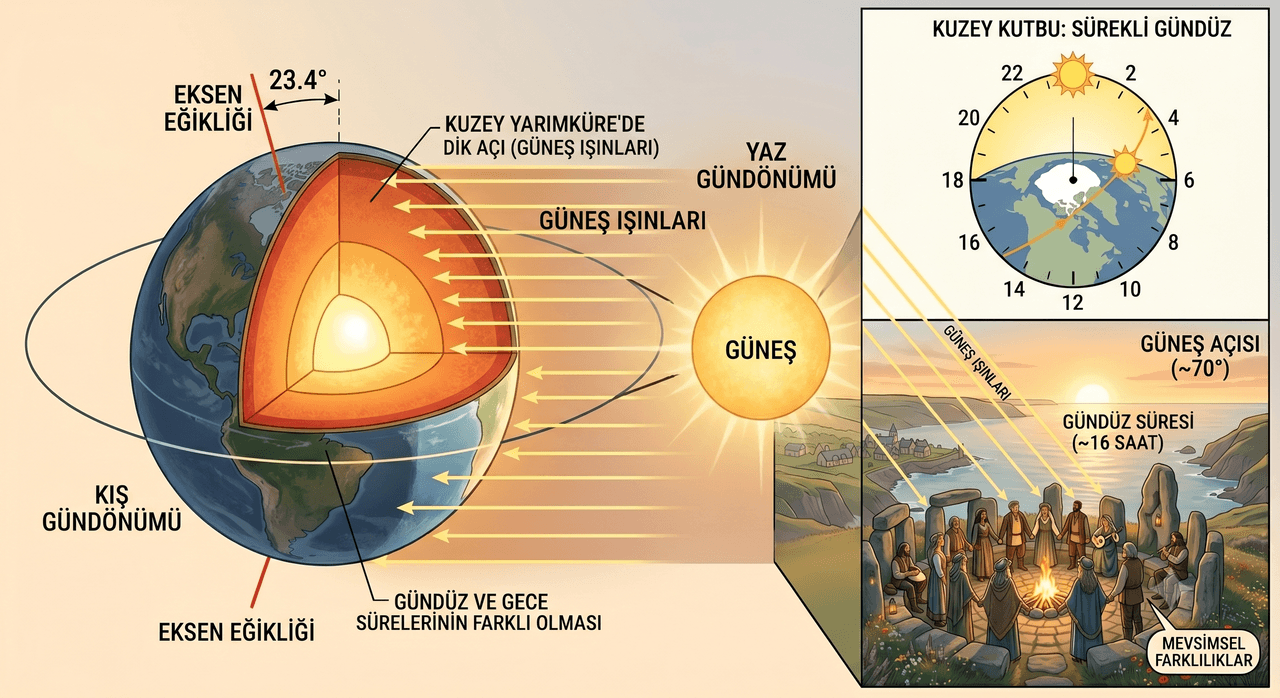
Representative visualization of the summer solstice (Generated by artificial intelligence)
On solstice days, the Sun’s rising position remains nearly stationary:
The summer solstice represents the peak of the annual maximum in photoperiod (day length). This period coincides with the highest levels of sunlight, rising temperatures, and peak primary productivity in ecosystems (photosynthesis and plant growth). In particular, at high latitudes, this marks a critical ecological threshold during which organisms maximize reproductive, energy storage, and growth activities.
Immediately after the summer solstice, snow and ice cover in the Northern Hemisphere reach their minimum, while land and ocean surfaces continue to absorb heat. Due to thermal lag, the highest temperatures occur weeks later—in July and August—despite the astronomical beginning of summer on June 21.
The Anatolian landscape has hosted numerous cultural and architectural heritage sites where solar movements and seasonal transitions have been observed for thousands of years. The summer solstice leaves tangible traces in both archaeological structures and intangible cultural heritage.
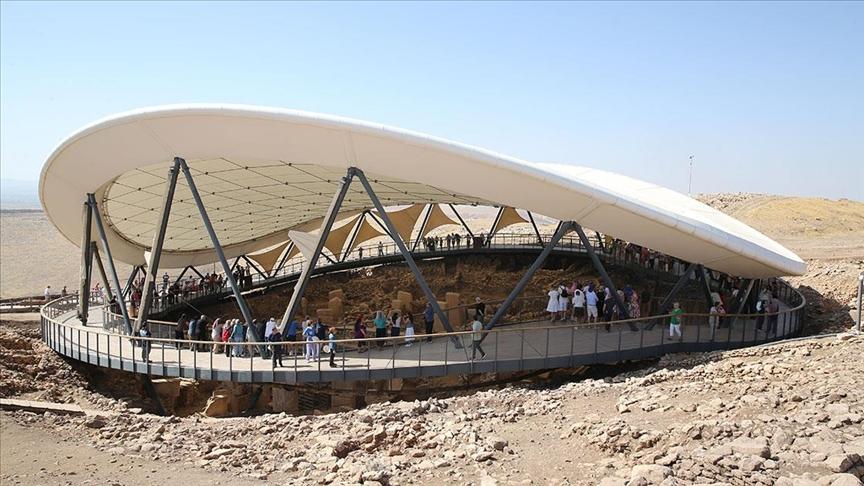
Göbeklitepe (AA)
Hıdırellez, a tradition originating in Anatolia and inscribed on UNESCO’s List of Intangible Cultural Heritage, symbolically marks the transition from spring to the summer solstice (the renewal of nature). Celebrated on May 5–6, it represents the arrival of summer. Practices such as leaping over fire (for purification and courage), leaving wishes beneath rose trees, and gathering by water bodies show direct parallels with Slavic Ivan Kupala and Northern European Midsummer traditions.
Cuneiform tablets from the Hittite State, which ruled Anatolia in the 2nd millennium BCE, document state-sponsored rituals celebrating seasonal transitions and the renewal of nature. The most significant of these was the AN.TAH.ŞUM festival, lasting approximately 38 days and beginning in spring; its name means “flower/spring plant.” Conducted in the capital Hattusa and sacred cities such as Arinna and Ziplanda with the participation of the king and queen, this ritual sequence provides objective and legal evidence that seasonal cycles, agricultural fertility, and solar movements were formally integrated into the calendar system.
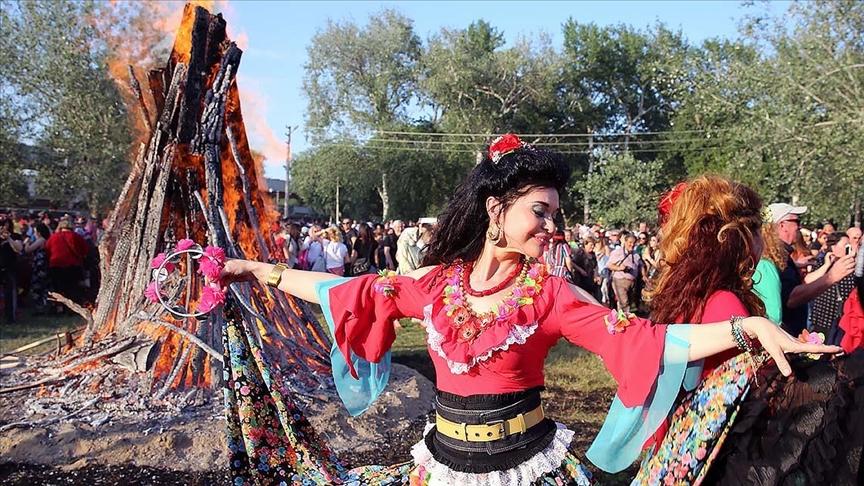
Hıdırellez celebrations (AA)
The Yazılıkaya Open-Air Temple, built into a natural rock gallery near Hattusa, functions as an astronomical calendar through its carvings of gods and goddesses. Archaeoastronomical measurements show that the 64 rock reliefs in Chamber A are arranged in specific groups to calculate lunar phases (synodic month) and the solar year. Calculations reveal that the temple’s primary orientation and light angles were deliberately designed to determine key seasonal transitions, such as the summer solstice, and synchronize the religious-agricultural calendar.
At Alacahöyük, a major Hittite cultural center, sphinx-lined gates and temple-palace complexes are architecturally aligned with seasonal cycles. Archaeoastronomical measurements indicate that the axes of monumental entrances and specific cult chambers were constructed to correspond with the Sun’s rising and setting angles on solstice and equinox dates. This architectural engineering allowed sunlight to directly illuminate sacred interior spaces during solstice mornings, enabling the spatial observation of calendrical cycles.
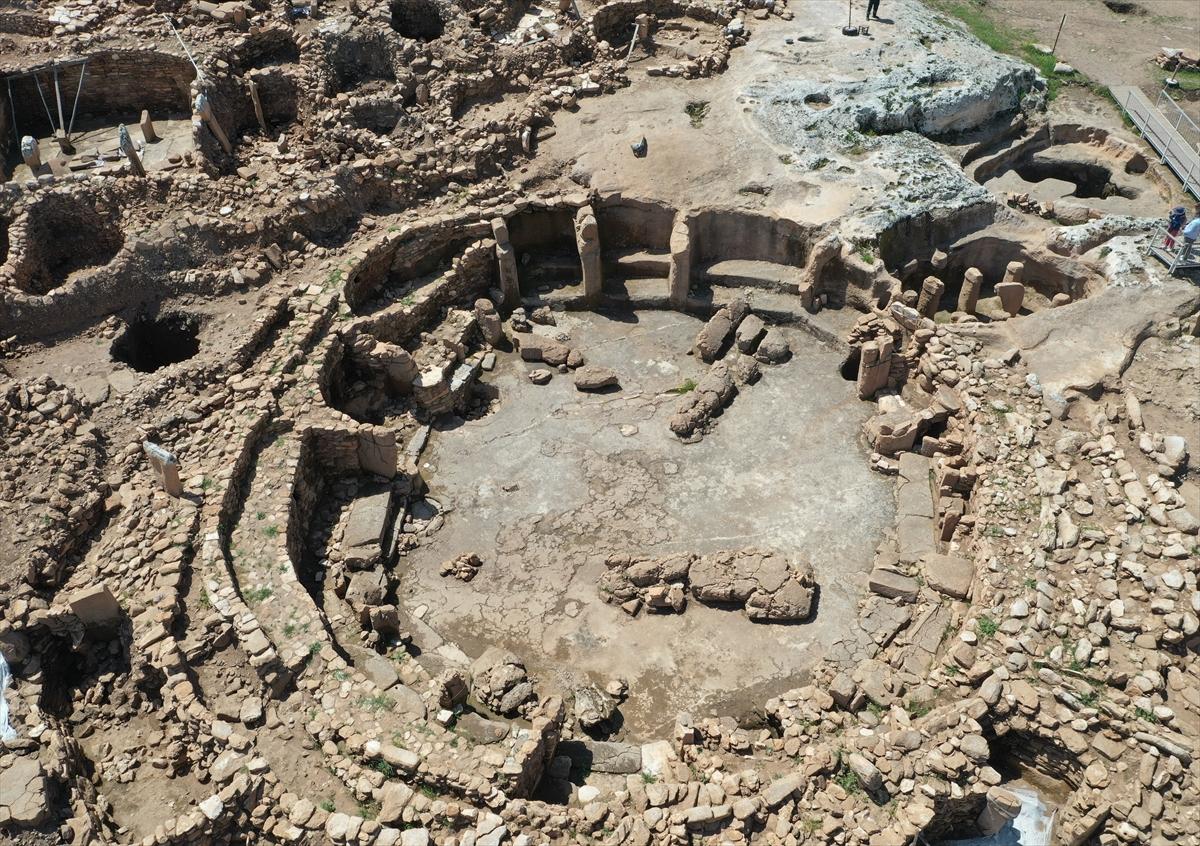
Karahantepe (AA)
In the Taş Tepeler region, home to some of the world’s oldest Neolithic sites, astronomical alignments are present. Archaeoastronomical measurements show that certain megalithic pillars at Göbeklitepe and specially designed structures at Karahantepe were positioned to mark the Sun’s extreme positions on the horizon (solstices). Particularly at Karahantepe, the way sunlight enters specific columned chambers at a precise angle during the solstice demonstrates a clear example of this engineering.
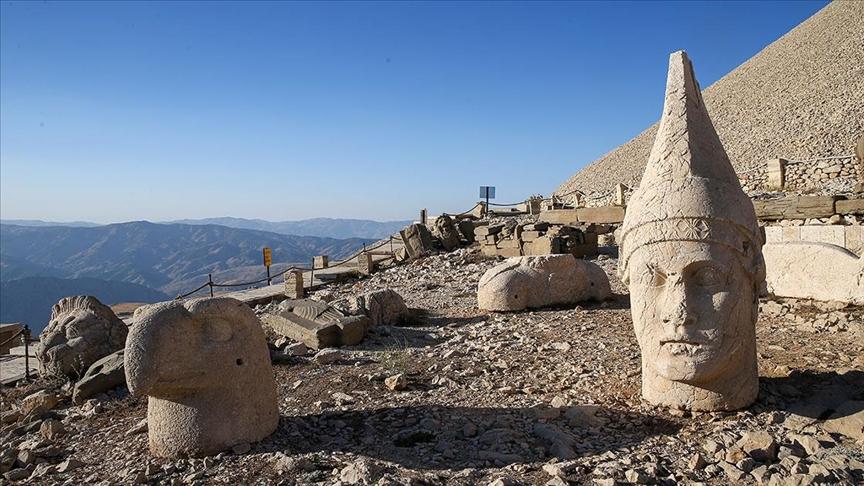
Nemrut Dağı (AA)
The sacred site of Nemrut Dağı, belonging to the Kingdom of Commagene, was constructed according to an astronomical alignment. The eastern terrace faces the sunrise, while the western terrace faces the sunset. The highest solar altitude and setting position reached during the summer solstice correspond mathematically with the arrangement of statues on the terraces and the astrological/astronomical data depicted in the lion-horoscope reliefs.
In Scandinavian countries, particularly Sweden, the summer solstice following long winter darkness is one of the most significant celebrations, symbolizing nature’s renewal. People weave floral crowns, dance around traditional maypoles, and light large bonfires outdoors. These fires are believed to ward off evil spirits and enhance agricultural fertility.
In Scandinavian countries, especially Sweden, the summer solstice (around June 21), occurring after prolonged winter darkness, is one of the most enduring cultural phenomena, representing not only an astronomical cycle but also the renewal of nature and the beginning of the agricultural cycle.
The foundation of Midsummer celebrations lies in the sharp climatic transition between winter and summer. Communities gather in open spaces to perform collective rituals. Central practices include:
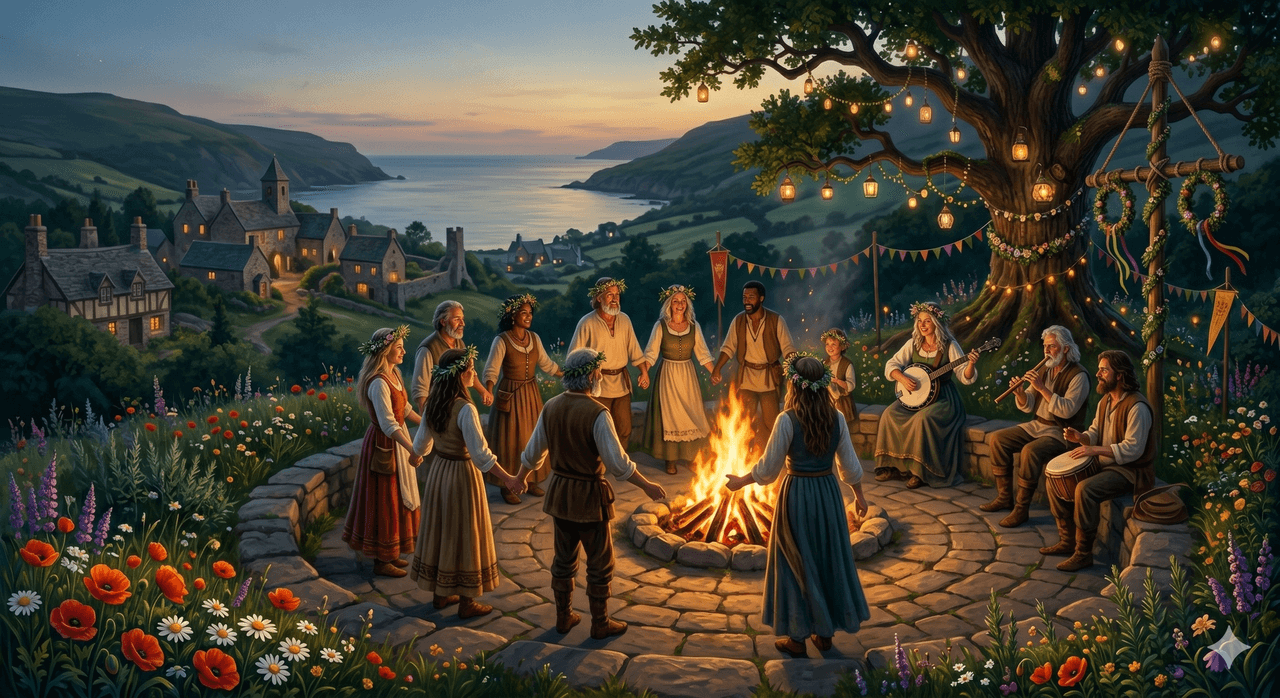
Celebrated as a Solstice Festival (Generated by Artificial Intelligence)
Celebrated in Slavic regions such as Ukraine, Belarus, and Russia, Ivan Kupala is directly linked to the summer solstice. Rituals include bathing in rivers at night, leaping over fires to seek courage and fortune, and young women releasing flower wreaths into water to divine their future.
The Ivan Kupala tradition, celebrated across Eastern and Western Slavic regions, is a syncretic practice directly tied to the summer solstice. It emerged from the fusion of pre-Christian pagan nature cults with the figure of John the Baptist (Ivan), drawing power from elemental forces.
Rituals performed on Ivan Kupala night make visible the elemental connection between humans and nature:
Indigenous tribes of North America (Lakota, Cheyenne, etc.) mark the summer solstice with sacred “Sun Dance” rituals, symbolizing life, growth, and cosmic connection. Communities that regard the Sun as the source of life hold collective ceremonies during the solstice to express communal solidarity and gratitude.
Indigenous tribes of the Great Plains region of North America (Lakota, Cheyenne, Arapaho, etc.) regard the summer solstice as a cosmic renewal period. The highest religious and social mechanism of this period is the sacred “Sun Dance” ritual.
The Sun Dance is not merely a visual ceremony; it is a structural institution ensuring the existential continuity of the tribe:
Because solstices create a highly visible pause in the horizon’s movement, prehistoric societies were able to construct calendars without instruments and determine agricultural and social ritual timing.
In Neolithic architecture, certain structures were carefully designed to capture the first or last sunlight of the summer solstice, as they did for the winter solstice.
One of the world’s most famous archaeoastronomical sites, Stonehenge is aligned with the summer solstice. On the morning of June 21, as the Sun rises, its first rays pass over the monumental “Heel Stone” and directly illuminate the Altar Stone at the center of the structure. This arrangement confirms the astronomical engineering knowledge of observers who lived thousands of years ago.
The pyramids of Khufu and Khafre at Giza possess a symbolic alignment with the summer solstice sunset. Viewed at a 21-degree angle, the setting Sun on the solstice appears to descend precisely between the pyramids and the Sphinx, forming the ancient Egyptian hieroglyphic symbol for “Akhet” (horizon).
When examining traditions such as Midsummer, Ivan Kupala, and the Sun Dance across different geographic regions, it becomes evident that the symbols of Fire, Water, and Flower/Plant have shared psychological and functional meanings throughout human history:
Durukan, Ertuğ, Mehmet Çözeli, Yasin Yaşar, and Mehmet Necip Taşdemir. "The Trigonometric Calculation of the Sun's Angle of Incidence and Daytime." *Journal of Social and Humanities Sciences Research* 9, no. 81 (2022): 344–354. http://dx.doi.org/10.26450/jshsr.2990
Jplenio. "Ağaçlar Yosun Orman Güneş Işığı." Pixabay. Accessed June 16, 2026. https://pixabay.com/tr/photos/a%C4%9Fa%C3%A7lar-yosun-orman-g%C3%BCne%C5%9F-%C4%B1%C5%9F%C4%B1%C4%9F%C4%B1-3294681/.
Kocalar, Ali Osman, and Hüseyin Toros. "Yaz ve Kış Saati Uygulamasının Türkiye için Değerlendirilmesi." *Avrupa Bilim ve Teknoloji Dergisi* 1, no. 3 (December 2014): 59–68. https://dergipark.org.tr/tr/pub/ejosat/article/73006
National Weather Service. "Summer Solstice." National Oceanic and Atmospheric Administration. Accessed June 16, 2026. https://www.weather.gov/abq/clifeatures_summersolstice.
Orhan Pehlül, "Nemrut Dağı'nı 7 Yılda 1 Milyon 38 Bin Kişi Ziyaret Etti," *Anadolu Ajansı*, Accessed June 17, 2026. https://www.aa.com.tr/tr/kultur/nemrut-dagini-7-yilda-1-milyon-38-bin-kisi-ziyaret-etti/3686396.
PBS NewsHour. "What to Know About Summer Solstice, the Longest Day of the Year." June 21, 2017. Accessed June 16, 2026. https://www.pbs.org/newshour/science/what-to-know-about-summer-solstice-the-longest-day-of-the-year
Rauf Maltaş, "Göbeklitepe'de 30 Yıldır Süren Kazılarla Tarihin Sırları Gün Yüzüne Çıkarılıyor," *Anadolu Ajansı*, Accessed June 17, 2026. https://www.aa.com.tr/tr/kultur/gobeklitepede-30-yildir-suren-kazilarla-tarihin-sirlari-gun-yuzune-cikariliyor/3740643.
Sheposh, Richard. "Solstice." *Research Starters*. EBSCO Information Services. Accessed June 16, 2026. https://www.ebsco.com/research-starters/astronomy-and-astrophysics/solstice.
Yasemin Kalyoncuoğlu and Cebrail Caymaz, "Karahantepe'de 12 Bin Yıl Öncesinde Ağırlıklı Ceylan Eti ve Baklagil Tüketildiği Belgelendi," *Anadolu Ajansı*, Accessed June 17, 2026. https://www.aa.com.tr/tr/kultur/karahantepede-12-bin-yil-oncesinde-agirlikli-ceylan-eti-ve-baklagil-tuketildigi-belgelendi/3919088.
Şahin, Halil. "Hıdırellez Yüzlerce Yıldır Renkli Ritüellerle Kutlanıyor." Anadolu Ajansı. Accessed June 17, 2026. https://www.aa.com.tr/tr/yasam/hidirellez-yuzlerce-yildir-renkli-rituellerle-kutlaniyor/2888826.
[1]
"What to Know About Summer Solstice, the Longest Day of the Year," PBS NewsHour, June 21, 2017, accessed: June 16, 2026,https://www.pbs.org/newshour/science/what-to-know-about-summer-solstice-the-longest-day-of-the-year.
[2]
Ertuğ Durukan, Mehmet Çözeli, Yasin Yaşar, and Mehmet Necip Taşdemir, "The Trigonometric Calculation of the Sun's Angle of Incidence and Daytime," Journal of Social and Humanities Sciences Research 9, no. 81 (2022): 347. https://www.jshsr.org/index.php/pub/article/view/558/547.


Astronomical Mechanism
Ecological Context and the Start of Summer
Summer Solstice in Türkiye
Hıdırellez and Rituals Marking the Start of Summer
Hittite Written Sources and the AN.TAH.ŞUM Festival
Yazılıkaya Open-Air Temple (Çorum)
Alacahöyük Architectural Alignments
Göbeklitepe and Karahantepe (Şanlıurfa)
Nemrut Dağı Tumulus (Adıyaman)
Summer Solstice in Other Countries
Midsummer in Northern Europe
Traditional Practices and Agricultural Infrastructure
Ivan Kupala in Slavic Culture
Purification and Fortune-Telling
Ancient America and the Sun Dance
Cosmic Connection and Tribal Cohesion
Summer Solstice in Archaeoastronomy
Stonehenge (United Kingdom)
The Great Pyramids (Egypt)
Common Symbols and Their Roles Across Cultures
The Symbol of Fire
The Symbol of Water
Flower and Plant Symbols