


This article was automatically translated from the original Turkish version.
+2 More
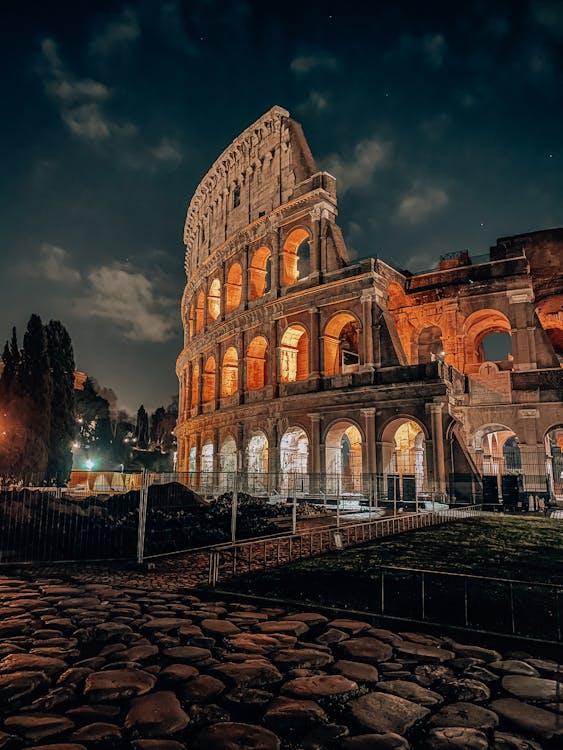
Colosseum (Amphitheatrum Flavium)
Location | Italy Rome | ||||||||
|---|---|---|---|---|---|---|---|---|---|
Construction Date(s) | AD 72–80 | ||||||||
Patron | Emperor Vespasian (Flavian Dynasty) | ||||||||
Capacity | 50,000–80,000 people | ||||||||
Plan | 189 m x 156 m Elliptical in shape | ||||||||
Height | ~48 m | ||||||||
Material | travertine stone concrete tuff brick | ||||||||
Purpose of Use | animal hunts executions gladiator fights theatre | ||||||||
UNESCO World Heritage | since 1980 | ||||||||
Modern Period Use | Tourist site, archaeological heritage, Catholic commemorative ceremonies | ||||||||
Prominent Feature | dramatic executions Velarium (canopy system) hypogeum (underground structure) social seating arrangement | ||||||||
Colosseum is a structure built during the Roman Empire period and is regarded as one of the largest ancient amphitheaters in the world. Originally named "Amphitheatrum Flavium", the Colosseum is located east of the Palatine Hill in Rome. Construction began in the 1st century AD and was completed rapidly. The Colosseum became the center of public entertainment in Roman society and also transformed into an architectural symbol representing imperial power.
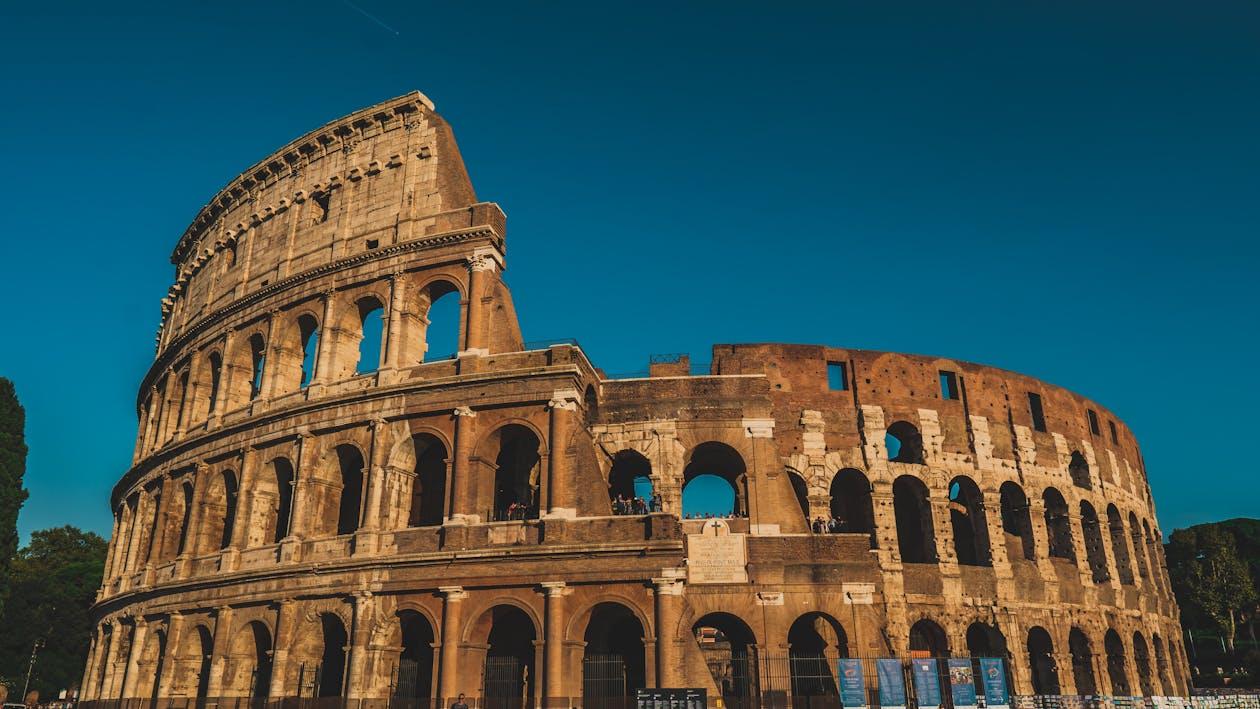
Kolezyum (Pexels)
Construction of the Colosseum began around 70 AD and was inaugurated in 80 AD. Initiated by Emperor Vespasian, the project was completed during the reign of his son Titus and later modified under Domitian to attain its present form. The site was chosen on the grounds of Nero’s demolished palace complex; this choice is believed to have been intended to erase the traces of tyranny by constructing a public building.
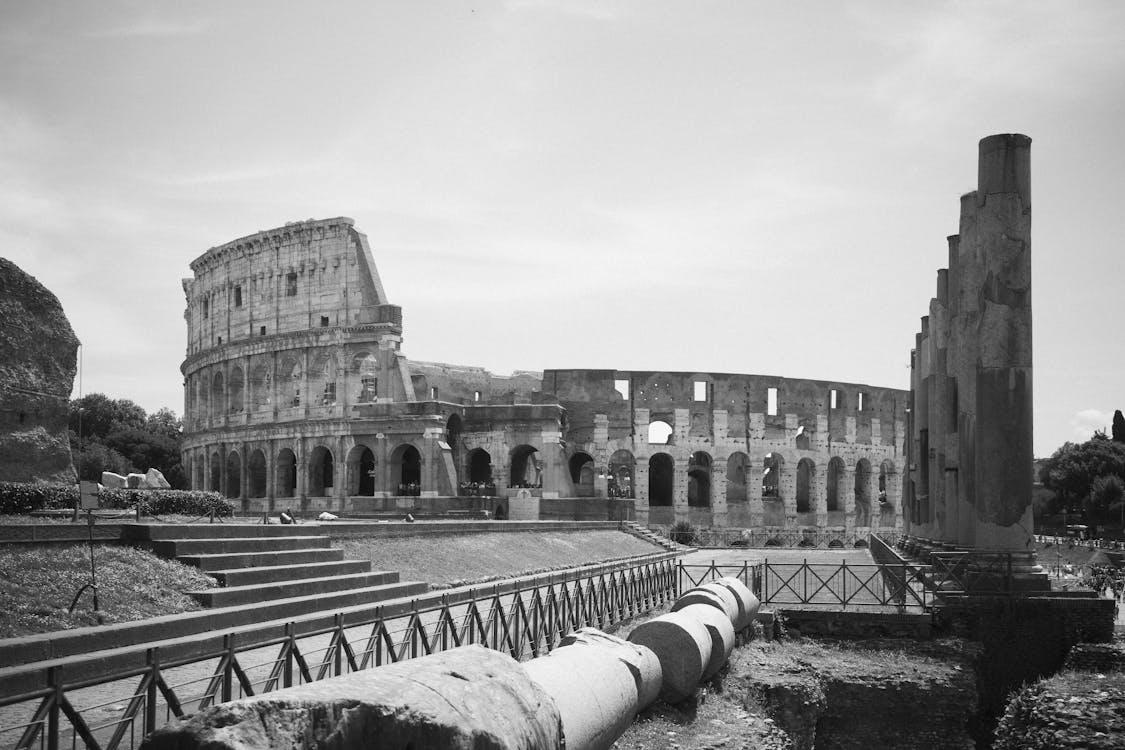
Kolezyum (Pexels)
The Colosseum has an elliptical plan measuring 189 meters in length and 156 meters in width. Its height is approximately 48 meters. The first three levels feature arched openings while the fourth level is constructed with solid walls. Each level employs a different column order: Doric, Ionic, and Corinthian respectively. With 80 arched entrances, spectators could easily enter and exit the arena. The seating capacity of the structure ranged between 50,000 and 80,000 people.
The arena at the center measures 87.5 by 54.8 meters. Beneath the arena lies a two-story underground structure known as the hypogeum. The hypogeum housed gladiators, animals, and stage equipment. Approximately 80 vertical elevator systems allowed the transportation of chariots, animals, and stage scenery up to the arena.
The arena floor was covered with a wooden platform and layered with sand. The sand was used to absorb blood and prevent the surface from becoming slippery. The arena was surrounded by a 10-meter protective wall, while the seating area (cavea) was divided according to social class. The podium was reserved for senators, the middle tiers for ordinary citizens, and the uppermost level for women and lower classes.
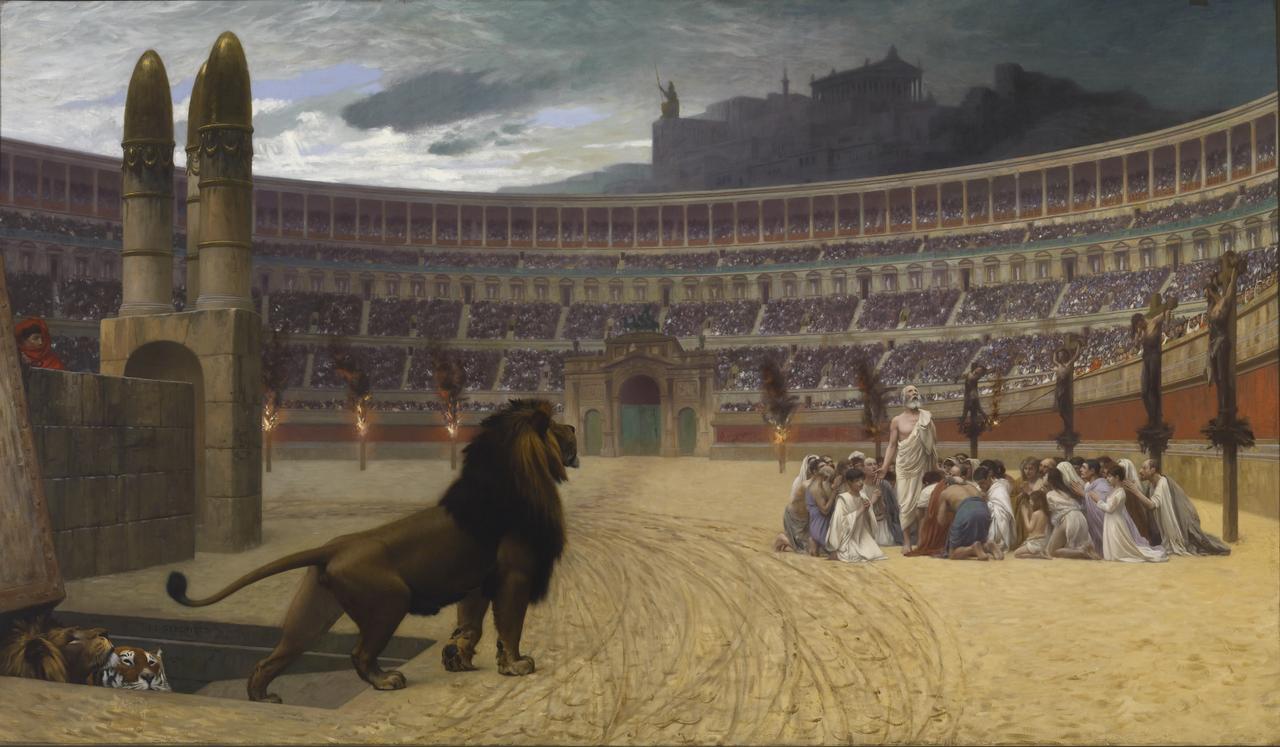
The Christian Martyrs' Last Prayer (The Walters Art Museum)
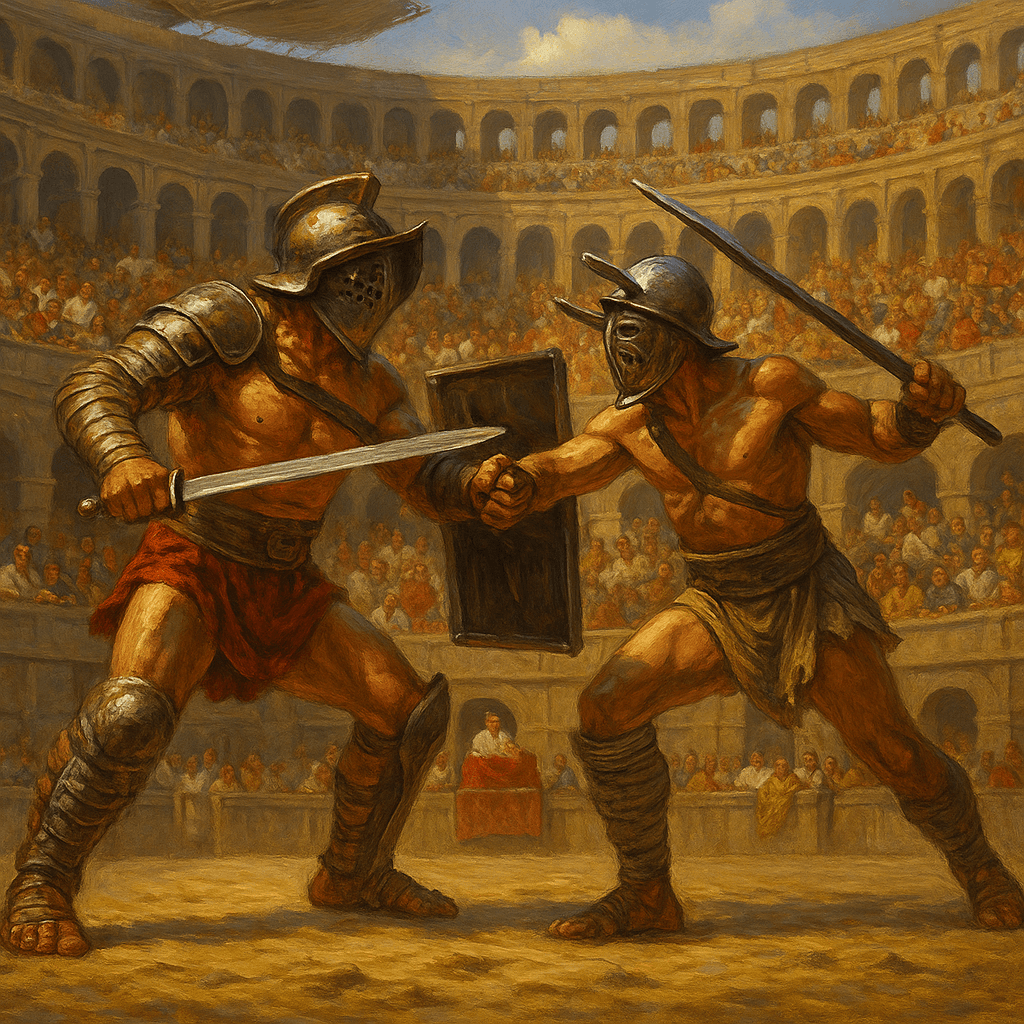
Temsili Gladyöterler (Yapay Zeka Tarafından Oluşturulmuştur)
To protect spectators from the sun, the Colosseum employed a large canopy system known as the velarium. This system consisted of fabric awnings stretched across masts and ropes mounted on the building’s upper rim. The operation of the velarium was managed by specialized personnel attached to the Roman navy.
The Colosseum hosted gladiator fights (munera), wild animal hunts (venationes), executions, historical battle reenactments, and mythological dramas. At its inauguration, a 100-day series of spectacles was held, during which thousands of gladiators and wild animals fought in the arena. Executions were dramatized through mythological narratives; condemned individuals were identified with figures such as "Hercules" or "Prometheus" and burned alive on stage. For Roman citizens, these spectacles served both as entertainment and as a reflection of Roman authority.
Special themed fights, including those featuring female gladiators (gladiatrices) and dwarfs, were occasionally organized. Animals such as lions, tigers, and elephants brought from Africa participated in the shows, with hundreds of animals killed in a single day. Condemned prisoners were executed publicly, with these executions staged as religious rituals accompanied by representations of gods and goddesses.
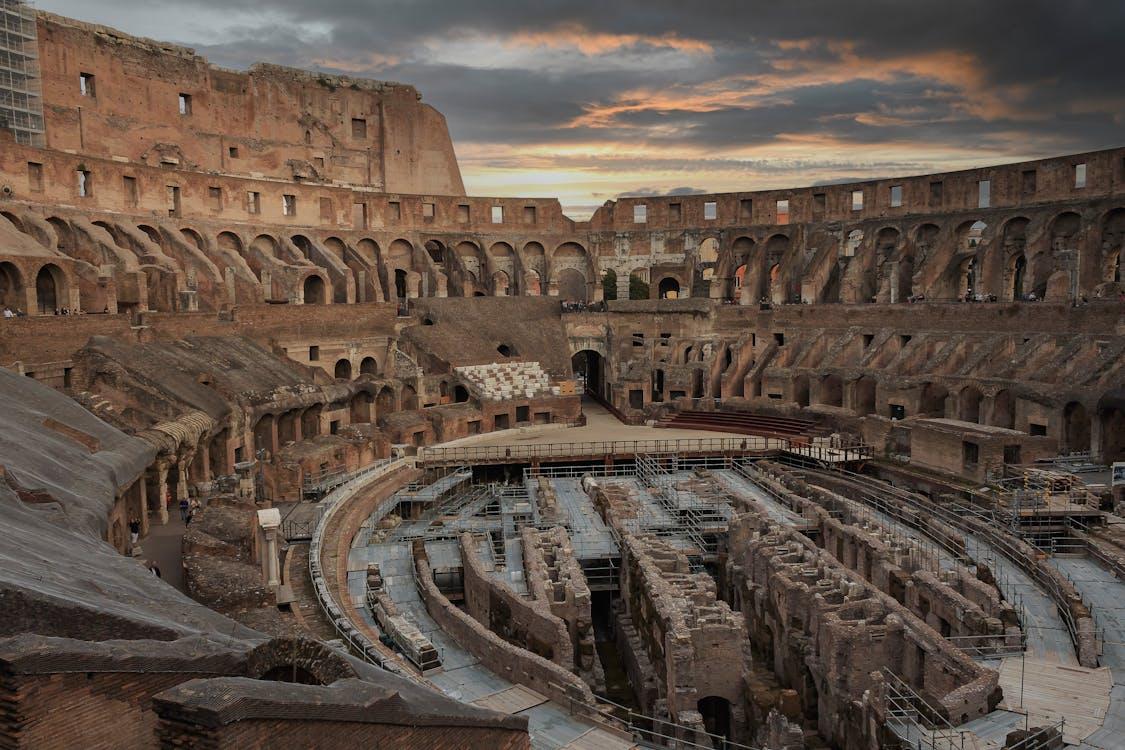
Kolezyum (Pexels)
Following the collapse of the Roman Empire, the Colosseum was repurposed for various uses, including as a church, residence, and fortress. Over time, the structure suffered extensive damage due to earthquakes, natural disasters, and the removal of its stones for use in other buildings.
The first serious efforts to preserve the Colosseum began in the 18th century, and restoration work accelerated during the 19th century. Today, the structure is being restored with support from the Italian state and various international organizations, while urban development around it is being regulated. The Colosseum is also listed as a UNESCO World Heritage Site and is visited by millions of tourists each year.
Today, the Colosseum continues to exist as both an archaeological site and a historical symbol. Temporary exhibitions, cultural events, and guided tours are held within its grounds. It also serves as a venue for symbolic events commemorating universal values such as peace and human rights.
AA. “Kolezyum’da Yerli ve Yabancı Turistler İçin Yeni Asansör Girişi Açıldı.” Anadolu Ajansı. Accessed May 2, 2025.https://www.aa.com.tr/tr/pg/foto-galeri/kolezyumda-yerli-ve-yabanci-turistler-icin-yeni-asansor-girisi-acildi
Pexels. "Colosseum, Italy." Photograph: Chait Goli. Accessed May 2, 2025.https://www.pexels.com/tr-tr/fotograf/kolezyum-italya-1797161/
Pexels. "Kent Simgesi, Görülecek Yer, İtalya." Photograph: Chait Goli. Accessed May 2, 2025.https://www.pexels.com/tr-tr/fotograf/kent-simgesi-gorulecek-yer-italya-mimari-6490328/
Pexels. “Kolezyum, Roma, İtalya.” Photograph: Alvaro Camacho. Accessed May 2, 2025.https://www.pexels.com/tr-tr/fotograf/30599147/
The Walters Art Museum. *Sarcophagus with Scenes from the Life of Achilles*. Accessed May 2, 2025.https://art.thewalters.org/object/37.113/
“Colosseum.” *World History Encyclopedia*. Accessed May 2, 2025.https://www.worldhistory.org/Colosseum/
“Kolezyum.” UNESCO Dünya Mirasları. Accessed May 2, 2025.https://www.unescodunyamiraslari.com/italya/kolezyum/
“The Architecture of the Colosseum.” The Colosseum.net. Accessed May 2, 2025.https://www.thecolosseum.org/architecture/

Colosseum (Amphitheatrum Flavium)
Location | Italy Rome | ||||||||
|---|---|---|---|---|---|---|---|---|---|
Construction Date(s) | AD 72–80 | ||||||||
Patron | Emperor Vespasian (Flavian Dynasty) | ||||||||
Capacity | 50,000–80,000 people | ||||||||
Plan | 189 m x 156 m Elliptical in shape | ||||||||
Height | ~48 m | ||||||||
Material | travertine stone concrete tuff brick | ||||||||
Purpose of Use | animal hunts executions gladiator fights theatre | ||||||||
UNESCO World Heritage | since 1980 | ||||||||
Modern Period Use | Tourist site, archaeological heritage, Catholic commemorative ceremonies | ||||||||
Prominent Feature | dramatic executions Velarium (canopy system) hypogeum (underground structure) social seating arrangement | ||||||||
History
Architectural Features
Velarium System
Events and Usage
Middle Ages and Deterioration
Conservation and Restoration Efforts
The Colosseum Today