

`anatolianarchaeology` Related Article Results
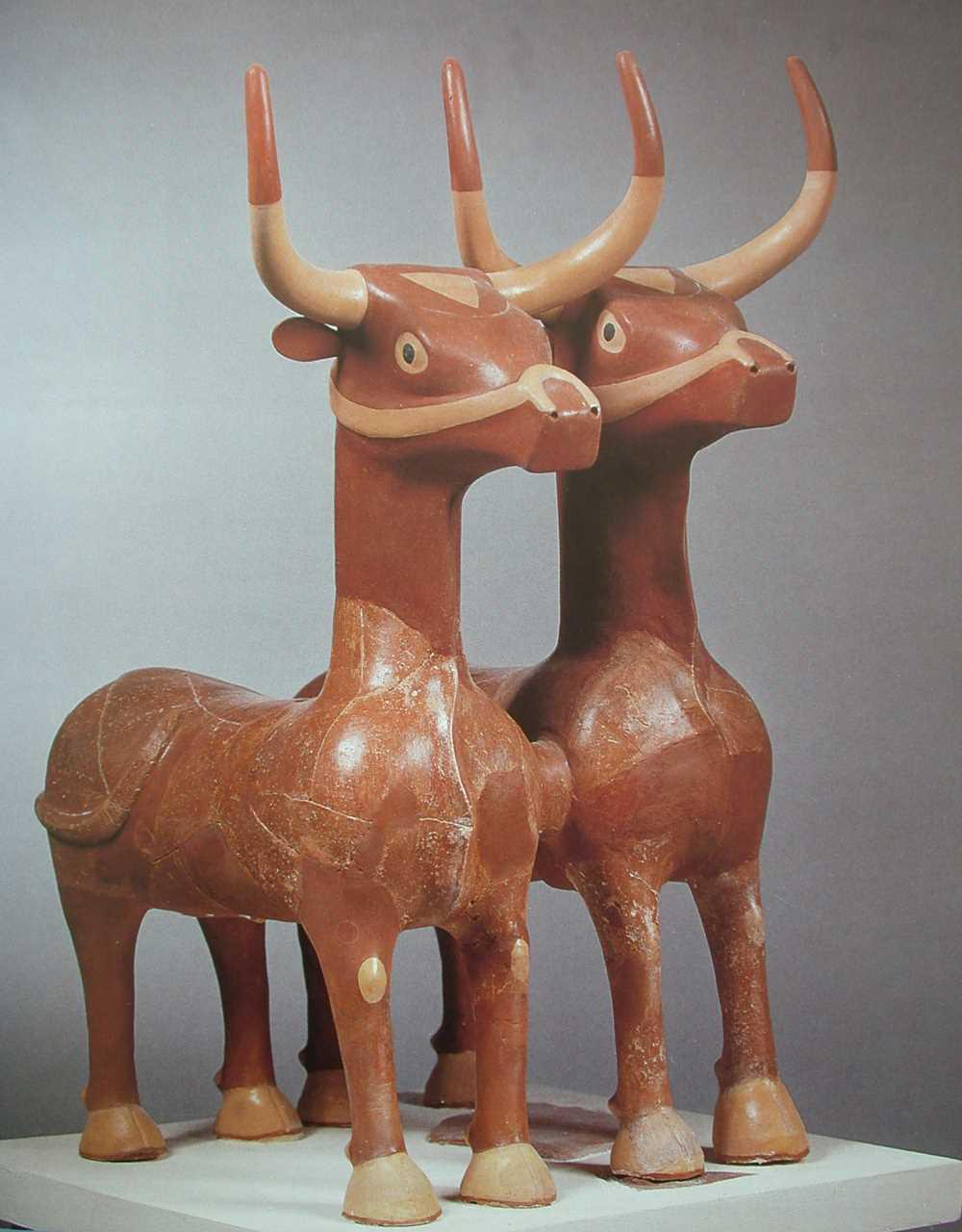
Sarissa Ancient City
One of the settlements shedding light on the prehistoric and early historical periods of Anatolia, the Ancient City of Sarissa is known as one of the cities of the Hittite Empire. Located today in the Kuşaklı region, approximately four kilometers east of Başören Village in the Altınyayla district of Sivas Province, the settlement occupies a strategic position atop a natural hill. Believed to have been founded in the 16th century BCE, the city holds a unique position within the Hittite settlement
EN
Hikmet Can Urhan
Güven Arsebük
Güven Arsebük is a scholar who specialized in prehistoric archaeology in Türkiye, known particularly for his field research on Neolithic settlements. He spent the majority of his academic career at the Department of Prehistory at Istanbul University, making significant contributions to Turkish archaeology through his efforts to document the prehistoric cultures of Anatolia. Excavations he conducted at early settlement sites such as Suberde, Erbaba, and Baradız have provided important data on the
EN
Seviye Nur Gönülölmez
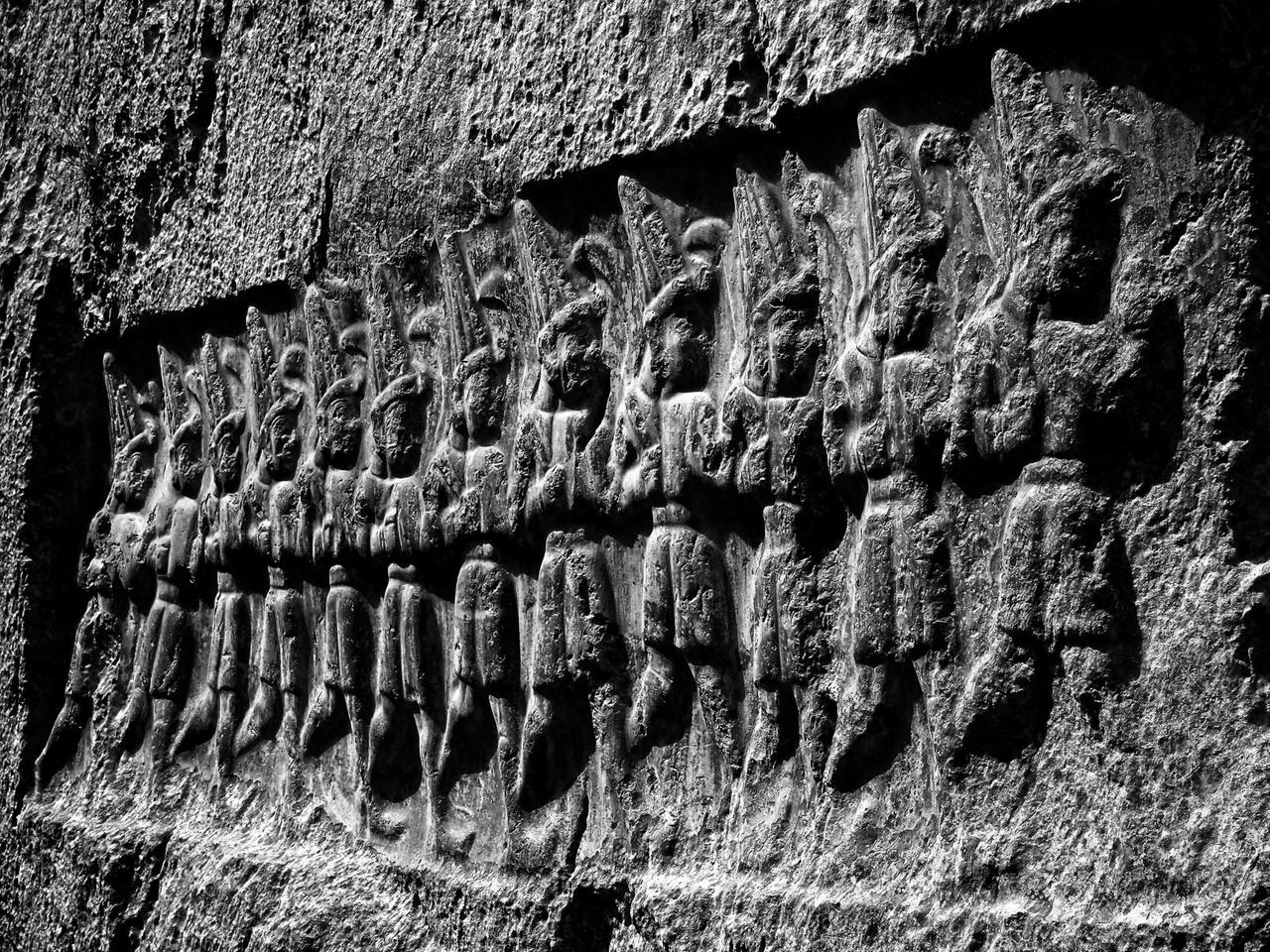
Hittite Art
Hittite art is one of the most powerful religiously grounded artistic traditions in Anatolia. For the Hittites, art was not merely an aesthetic expression; it was a means to make the presence of the gods visible, to solidify ritual practice, and to sanctify social order. Therefore, understanding Hittite art is equivalent to understanding their religion and mythological worldview. Artistic production was constructed entirely upon the foundations of worship, ritual, and divine representation. The
EN
Meryem Şentürk Çoban
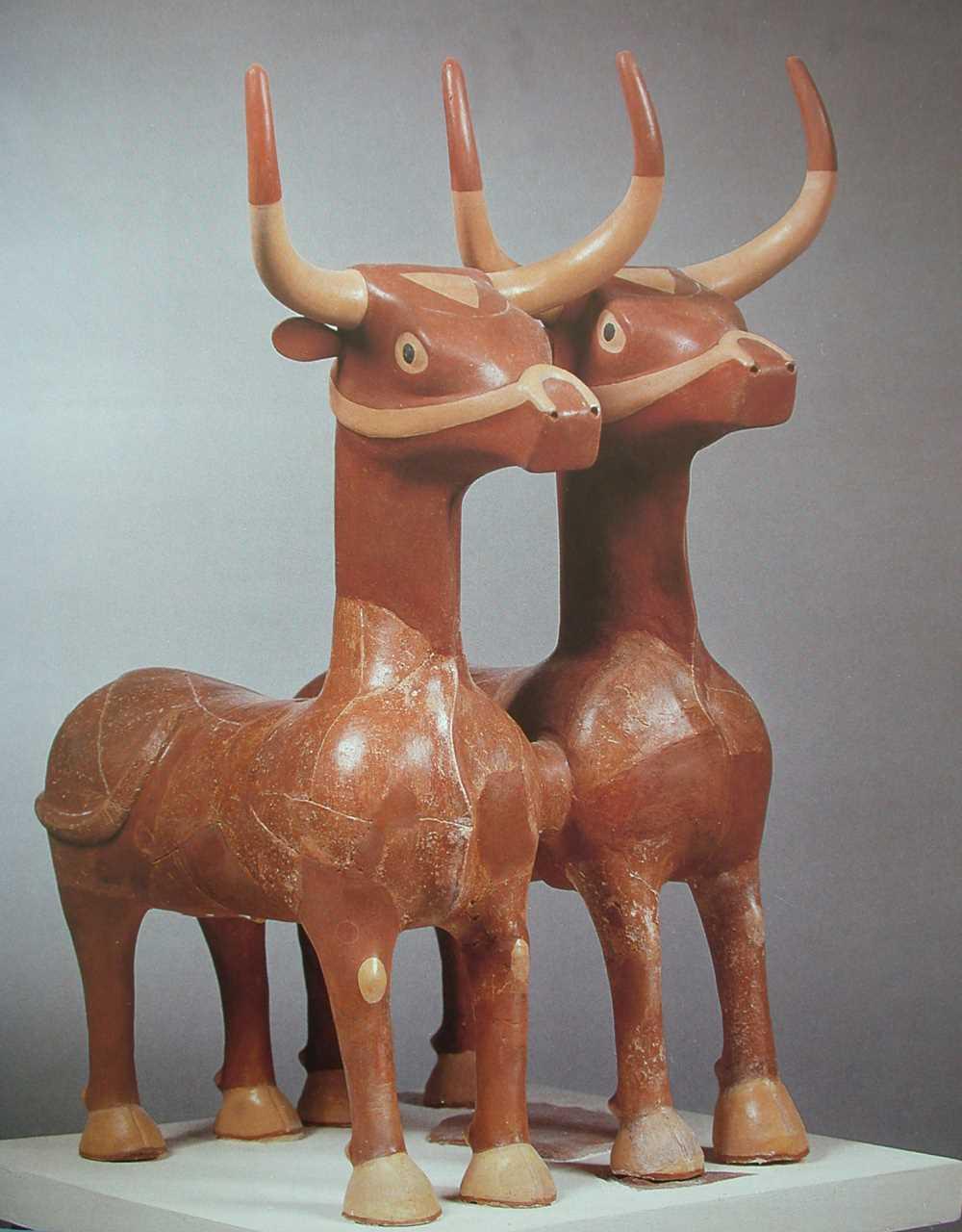
Sarissa Ancient City
One of the settlements shedding light on the prehistoric and early historical periods of Anatolia is the Ancient City of Sarissa, known as one of the cities of the Hittite Empire. Located today in the Kuşaklı region, four kilometers east of Başören Village in the Altınyayla district of Sivas Province, this settlement occupies a strategic position on a natural hill. The city, believed to have been founded in the 16th century BCE, holds a unique position within the Hittite settlement network in te
EN
Hikmet Can Urhan
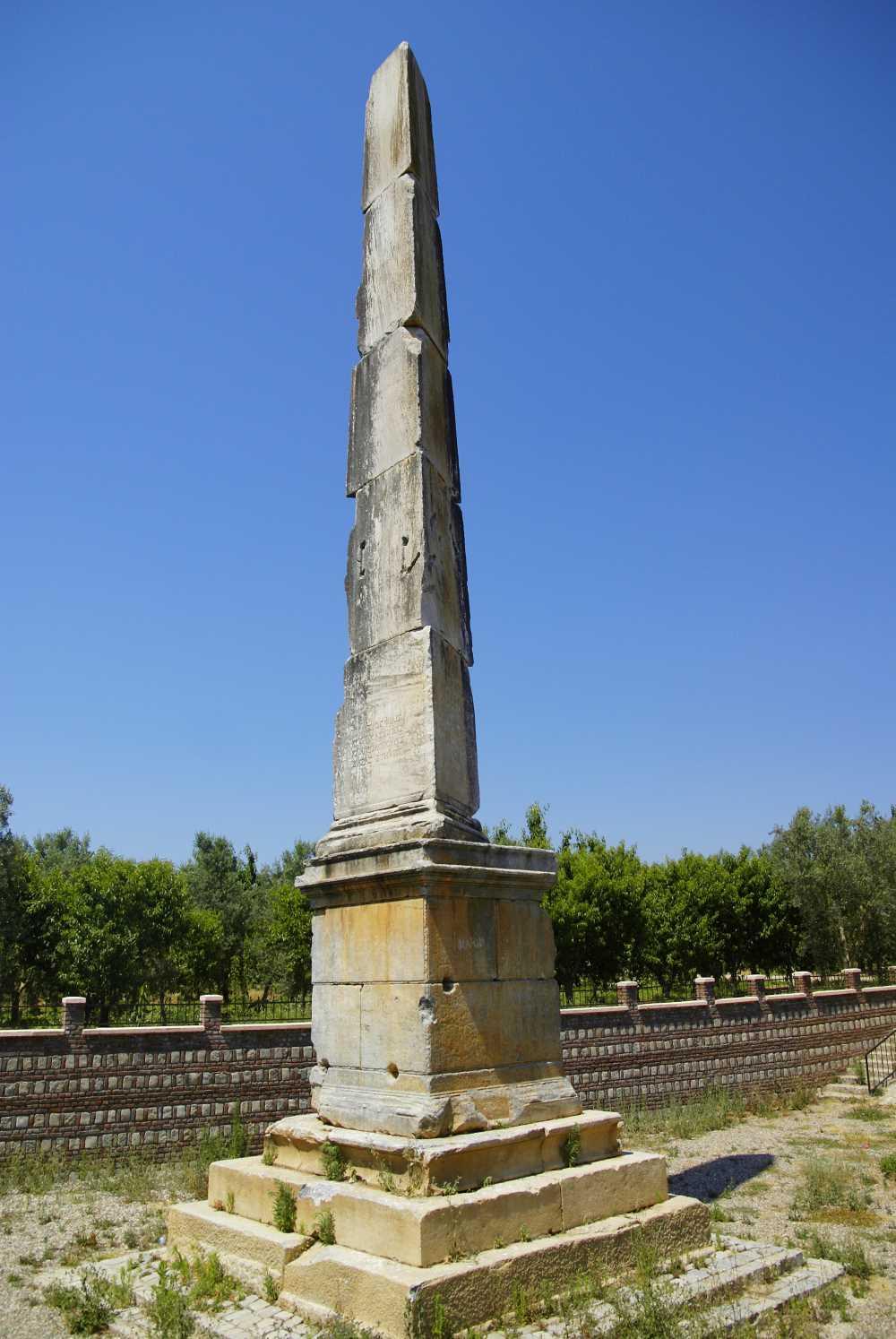
Dikilitaş (İznik)
Dikilitaş is an monumental burial structure located in the district of İznik, Bursa Province, dating to the second century of the Roman Empire. It is believed to have been erected in memory of Lucius Cassius Philiscus, son of Asklepiodos, and is regarded as one of the significant examples of Roman commemorative and funerary architecture in Anatolia. Situated within the İznik Plain, the structure has survived largely intact despite its nearly two-thousand-year history, making it one of the rare a
EN
Furkan Güçlü
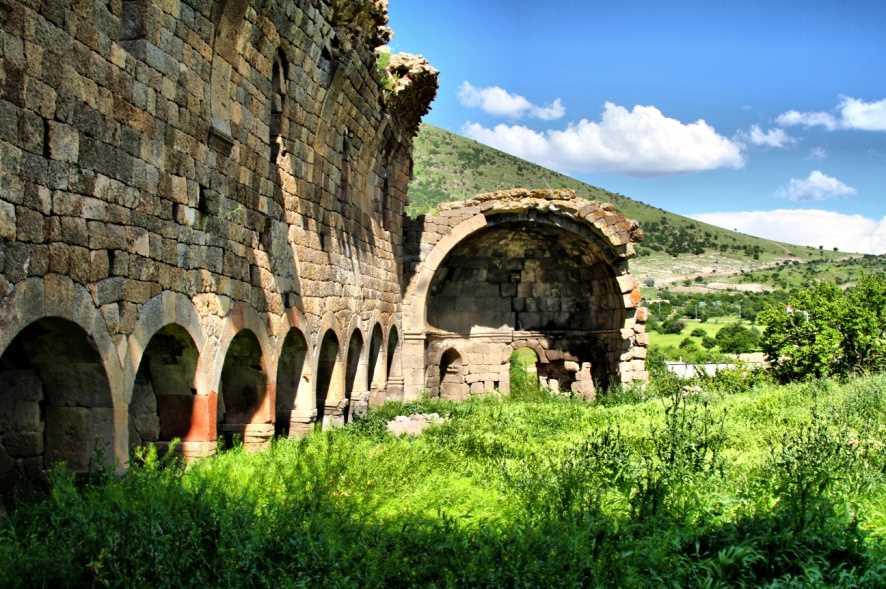
Madenşehir Archaeological Site
Madenşehir Örenyeri is located approximately 37 km north of the city center of Karaman, on the slopes of Karadağ, within and around the village of Madenşehir. The site is one of the historical settlements developed on the volcanic terrain of Karadağ. The settlement consists of clusters of historical structures concentrated around the village of Madenşehir, Yukarı Ören, and Değle. Karadağ, with its highest point at Mahalaç Tepe standing at 2,288 meters, dominates the region’s topography. The sett
EN
Berna Çamur