

`anatolian-archaeology` Related Article Results
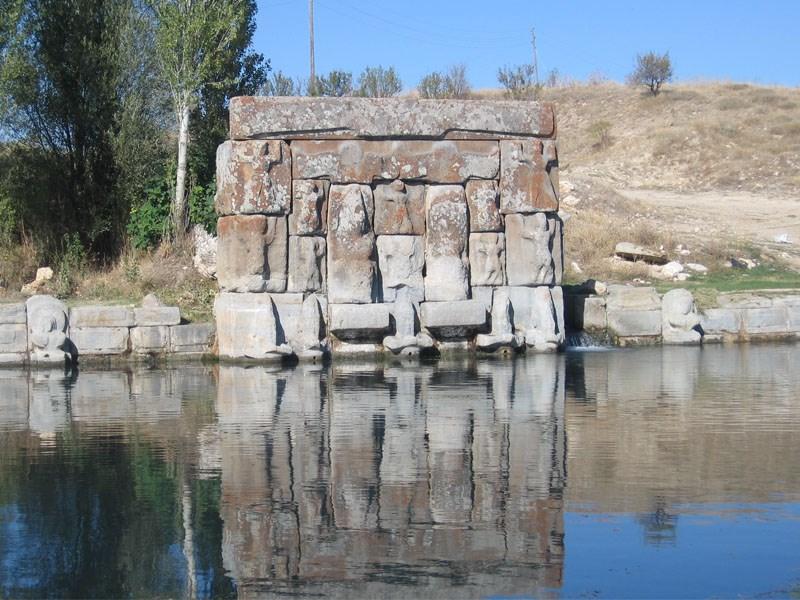
Eflatunpınar Hittite Water Monument
Eflatunpınar Hittite Water Monument is an archaeological structure dated to the final quarter of the 13th century BCE, located within the boundaries of Sadıkhacı Village in the Beyşehir district of Konya Province, Türkiye. It is believed to have been constructed during the reign of the Hittite Great King Tudhaliya IV. The monument is regarded as one of the most significant open-air sacred sites of the Hittite period due to its architectural design, reliefs, and water system.
EN
Ahsen Güneş
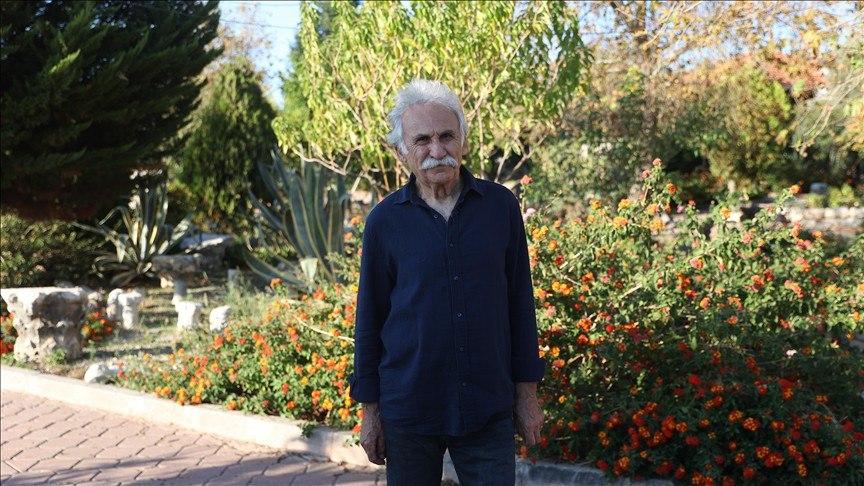
Fahri Işık
Fahri Işık is a Turkish archaeologist and academic renowned for his work in Anatolian archaeology, particularly for establishing a scholarly school through his approaches to the origins of Anatolian civilizations, the Lycian culture, and the excavations at Patara. Interview on Professor Dr. Fahri Işık’s Approach “Civilization Was Born in Anatolia” (Current Archaeology Magazine) " youtube-video-element-format="right"> Life and Education Fahri Işık was born on 27 October 1944 in Kileyik village
EN
Nurten Yalçın
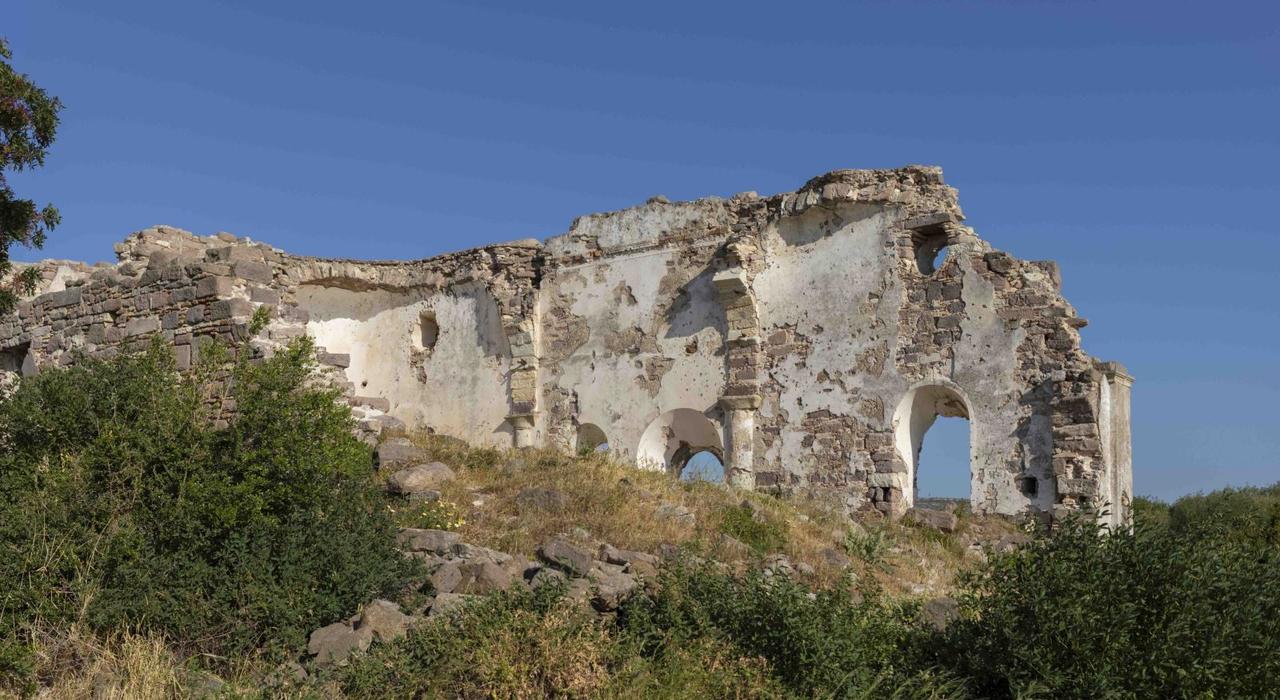
Erythrai Ancient City
Erythrai Ancient City is an Ionian settlement located within the boundaries of Ildırı Village, Çeşme District, İzmir Province, on the western Anatolian coastlineTürkiye Turizm Ansiklopedisi, “Erythrai Örenyeri ve Kazıları,” erişim 29 Ocak 2026, https://turkiyeturizmansiklopedisi.com/erythrai-orenyeri-ve-kazilari ">【1】. The ancient city developed on a peninsula with direct maritime access, situated on the western part of the Urla Peninsula. Architectural remains of the settlement largely overl
EN
Seren Yanık
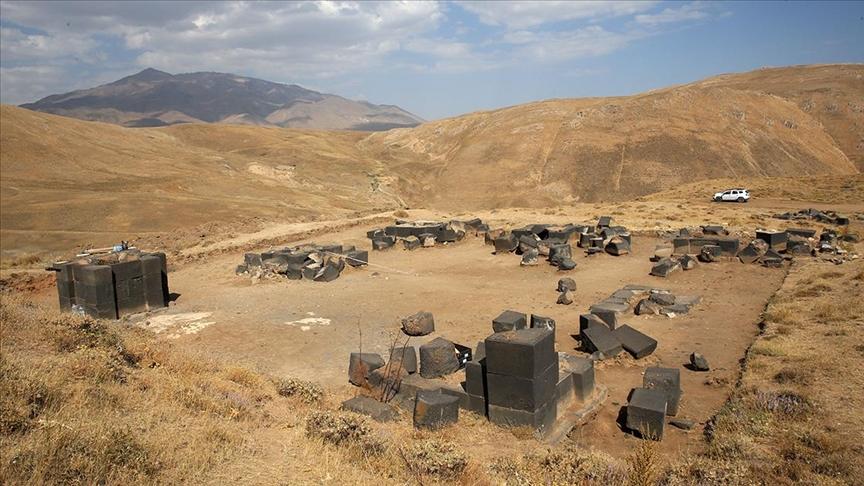
Kef Castle
Kef Kalesi is a historical fortress located near the district of Adilcevaz in Bitlis province, on the southern slopes of Mount Süphan, commanding a strategic position over the Van Lake basin. Situated at an elevation of 2300 meters above sea level, the fortress occupies a dominant location overlooking Van Lake and controls the critical route between Erciş and Bitlis. Due to its natural topography, the eastern, western and southern sides consist of steep and sheer cliffs, making access from these
EN
Aleyna Bozarslan
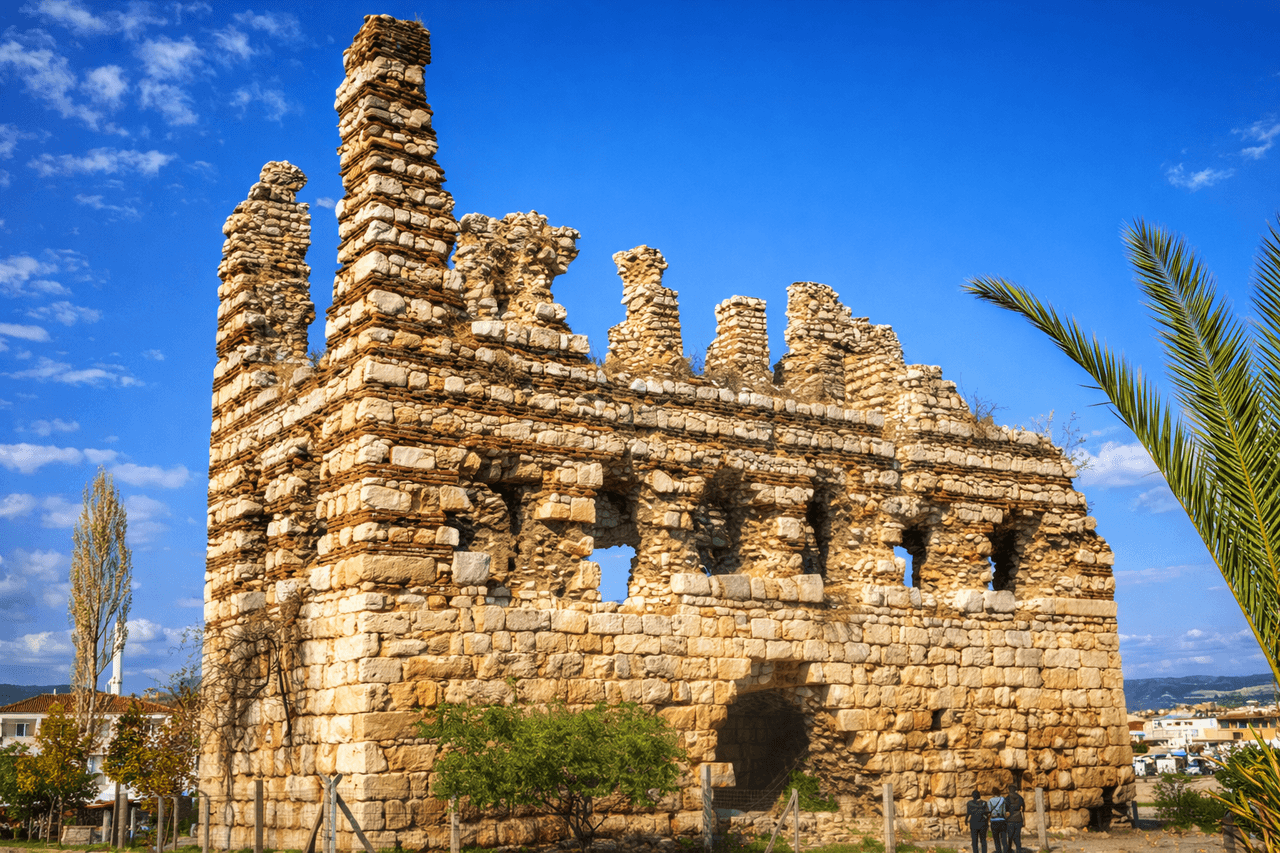
Laskaris Palace (Kız Kulesi)
Laskaris Sarayı is an important palace structure dating to the period of the Empire of Nicaea, which emerged after the Latin occupation of Istanbul in 1204 following the Fourth Crusade. Located in the Kemalpaşa district of İzmir (ancient Nymphaion/Nif), it is considered one of the rare surviving examples of Byzantine palace architecture from the 13th century. The structure was used as a summer residence by the Laskaris dynasty and is recognized for its historical and architectural significance.【
EN
İremsu Ümit
 Ni
NiNiğde Museum
Niğde Museum is one of the institutions that preserve, exhibit, and research the historical and cultural heritage of the Central Anatolia Region. Niğde province has witnessed continuous settlement from the Paleolithic Age to the present day and has carried the traces of many civilizations throughout this process. Museum activities are important for the preservation, promotion, and transmission of the rich cultural heritage formed as a result of this long historical process to future generations.
EN
Meltem Saraç
Boubon Ancient City
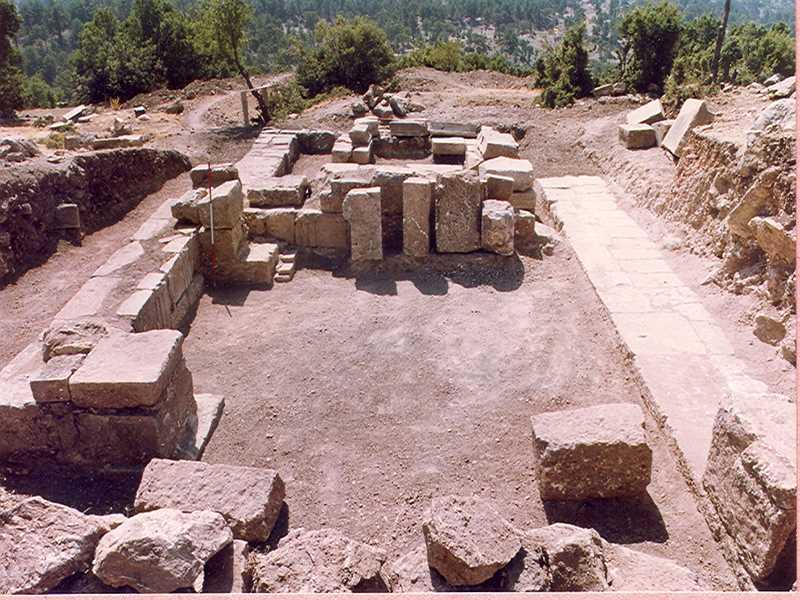
Boubon Ancient City is an ancient Lycian city situated on Dikmen Tepe near İbecik Village in the Gölhisar district of Burdur. The city persisted from the Hellenistic Period through the Roman Imperial Period and at one time formed part of the Kibyra Tetrapolis, along with Kibyra, Balbura, and Oinoanda. Later, it joined the Lycian League. The city bears the name βουβών, which in Hellenistic Greek means “projection, prominence, or swelling.” 【1】This usage reflects the correspondence between the cit
EN
Berna Çamur