+2 More

Title(s) | Prof. Dr. | ||||||||
|---|---|---|---|---|---|---|---|---|---|
Birth | 27 October 1944, Yeşilyurt (Kileyik), Malatya | ||||||||
Field | Classical Archaeology, Anatolian Archaeology | ||||||||
Specialization | Lycian civilization, Anatolian civilizations, sarcophagus art | ||||||||
Position(s) | Patara Ancient City Excavations (founding director of excavations - honorary president) Akdeniz University Department of Archaeology (founder) Atatürk University Department of Archaeology (founding academician) | ||||||||
Award(s) | 2025 Presidency Culture and Art Grand Award | ||||||||
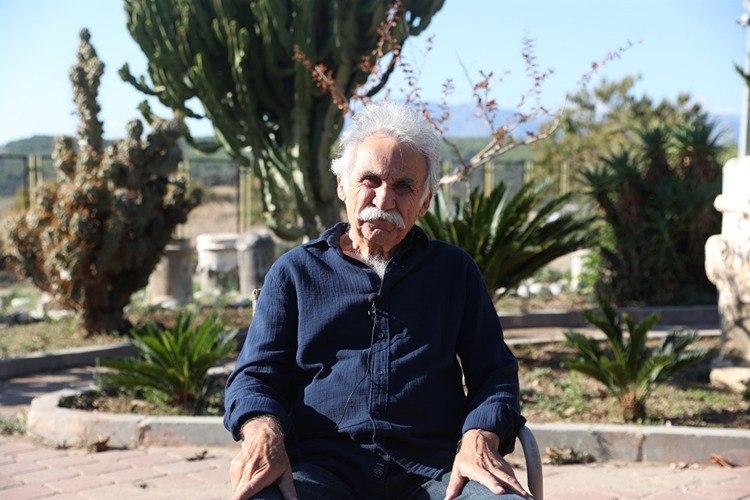
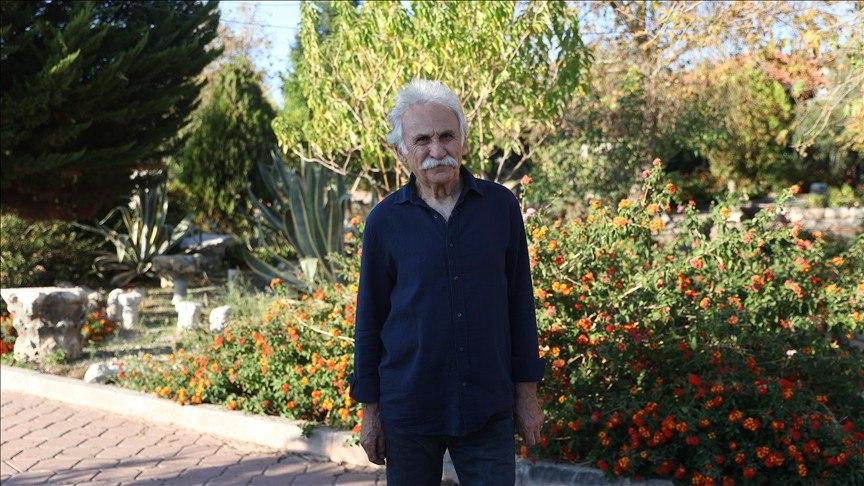
Fahri Işık is a Turkish archaeologist and academic renowned for his work in Anatolian archaeology, particularly for establishing a scholarly school through his approaches to the origins of Anatolian civilizations, the Lycian culture, and the excavations at Patara.
Interview on Professor Dr. Fahri Işık’s Approach “Civilization Was Born in Anatolia” (Current Archaeology Magazine)
Fahri Işık was born on 27 October 1944 in Kileyik village, part of the Yeşilyurt district of Malatya. He completed his primary and secondary education in Malatya and graduated in 1965 from the Department of Classical Archaeology and Contemporary Anatolian Archaeology at Ankara University’s Faculty of Language, History and Geography. After completing his undergraduate studies, he went to Germany and began his doctoral research at the Institute of Archaeology of the University of Bonn Rhein Friedrich-Wilhelm. He completed his doctoral thesis titled “Die Koroplastik von Theangela in Karien und ihre Beziehungen zu Ostionien zwischen 560–270 v. Chr.” in 1973.
After completing his doctorate, Fahri Işık returned to Türkiye and began his career in 1973 as an assistant at the Faculty of Letters and Sciences of Erzurum Atatürk University. He was promoted to associate professor in 1976 and to full professor in 1983 at the same university. During his tenure at Atatürk University, he contributed significantly to the institutionalization of the Department of Archaeology, serving as Head of the Department of Archaeology, Head of the Department of Archaeology and History of Art, and Head of the Atatürk Principles Research Unit.
In 1990, he founded the Department of Archaeology at Akdeniz University, where he taught at the undergraduate, master’s and doctoral levels until his retirement in 2011. After retirement, he continued his academic work at the Department of Classical Archaeology, Faculty of Letters and Sciences, Burdur Mehmet Akif Ersoy University.
In 1988, Fahri Işık initiated the excavations at the ancient city of Patara and served as director of the project for many years. He later handed over the directorship to Professor Dr. Havva İşkan and continued to serve as honorary president of the Patara excavations. The findings from the Patara excavations have played a significant role in discussions concerning the historical origins and cultural structure of the Lycian civilization.
Işık did not limit his scholarly activities to excavations alone; he conducted research in Germany, Italy, Greece and Crete, and was a member of the German Archaeological Institute, the Austrian Archaeological Institute and the AKMED Scientific Board.
Fahri Işık’s work is notable for its critical stance against the Western-centric historiography that often attributes the origins of Anatolian civilizations to Greek roots. Reinterpreting East-West relations within the context of Anatolian archaeology, Işık emphasized the indigenous Anatolian origins of the Phrygian, Lycian and Ionian cultures. This approach contributed to the formation of a recognized scholarly school within the literature of Anatolian archaeology.
In recognition of his scientific contributions to archaeology, Fahri Işık was awarded the 2025 Presidency Culture and Arts Grand Prize. This honor was bestowed upon him as a culmination of his long-term academic research on Anatolian archaeology and the history of civilizations.
Fahri Işık has authored numerous books and articles published in Turkish and foreign languages. His major works include Die Koroplastik von Theangela in Karien, Doğa Ana Kubaba, Patara, and Uygarlık Anadolu’da Doğdu, along with many scientific publications related to the Patara excavations. These works are regarded as fundamental reference sources in the fields of Anatolian archaeology and the history of civilizations.
Aktüel Arkeoloji Dergisi. "Prof. Dr. Fahri Işık ile ‘Uygarlık Anadolu’dan Doğdu’ Yaklaşımı Üzerine Röportaj." Vid-Röp: Aykan Özener. YouTube Video. Accessed December 18, 2025. https://www.youtube.com/watch?v=AswOoWIvKrQ
Anadolu Ajansı. "Prof. Dr. Işık, Cumhurbaşkanlığı Kültür ve Sanat Büyük Ödülü'ne layık görülmenin gururunu yaşıyor." Accessed December 18, 2025. https://www.aa.com.tr/tr/kultur/prof-dr-isik-cumhurbaskanligi-kultur-ve-sanat-buyuk-odulune-layik-gorulmenin-gururunu-yasiyor/3733995
Anadolu Ajansı. “Prof. Dr. Işık, Cumhurbaşkanlığı Kültür ve Sanat Büyük Ödülü’ne Layık Görülmenin Gururunu Yaşıyor.” AA, Accessed December 18, 2025. https://www.aa.com.tr/tr/kultur/prof-dr-isik-cumhurbaskanligi-kultur-ve-sanat-buyuk-odulune-layik-gorulmenin-gururunu-yasiyor/3733995
Bilici, Handan. “Işık, Fahri, Prof. Dr.” In Online Türkiye Turizm Ansiklopedisi, edited by N. Kozak. Accessed December 18, 2025. https://turkiyeturizmansiklopedisi.com/isik-fahri-prof-dr
Işık, Fahri. “Uygarlık Anadolu’dan Doğdu.” *Atatürk Üniversitesi Güzel Sanatlar Enstitüsü Dergisi (Journal of the Fine Arts Institute)*, no. 35 (2015): 9–15. Accessed December 18, 2025. https://dergipark.org.tr/tr/pub/ataunigsed/article/562986
Title(s) | Prof. Dr. | ||||||||
|---|---|---|---|---|---|---|---|---|---|
Birth | 27 October 1944, Yeşilyurt (Kileyik), Malatya | ||||||||
Field | Classical Archaeology, Anatolian Archaeology | ||||||||
Specialization | Lycian civilization, Anatolian civilizations, sarcophagus art | ||||||||
Position(s) | Patara Ancient City Excavations (founding director of excavations - honorary president) Akdeniz University Department of Archaeology (founder) Atatürk University Department of Archaeology (founding academician) | ||||||||
Award(s) | 2025 Presidency Culture and Art Grand Award | ||||||||
Life and Education
Academic Career
Excavations and Scientific Activities
Scientific Approach and Views
Awards and Honors
Publications