

`algorithm` Related Article Results

Bubble Sort (Bubble Sorting) Algorithm
Bubble Sort (Bubble) Algorithm is a comparison-based algorithm. Work operates on the principle of comparing each element in the list with its adjacent element, and if the value of the first element is greater than that of the second, the two elements place are swapped. Subsequently, the values of the second and third elements are compared; if the second element is greater than the third, these two elements are also swapped. This process continues until the entire array is fully processed. Workin
EN
Beyza Nur Türkü

Scratch (Programming Language)
Scratch is a block-based programming language and online platform developed by the MIT Media Lab, designed for users aged 8 to 16. Its primary goal is to teach programming logic and develop algorithmic thinking skills. Users can create interactive stories, games, and animations using Scratch. History Scratch was developed in 2003 by the Lifelong Kindergarten group at the MIT Media Lab. The Scratch 3.0 version, introduced in 2019, transitioned to an HTML5-based infrastructure, enhancing compatibi
EN
Pelin Bilgin
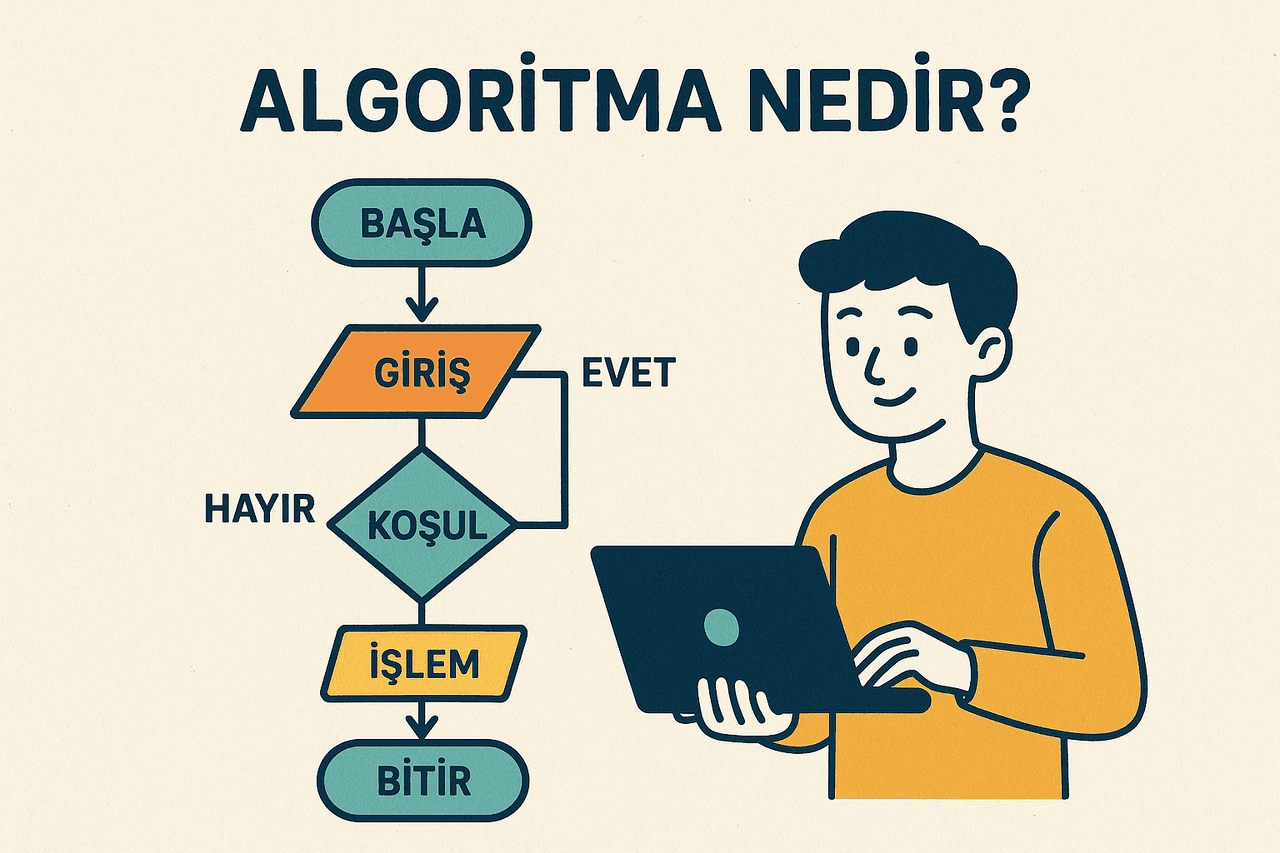
What Is an Algorithm?
Have you ever thought through a problem step by step to solve it? That is called an algorithm! An algorithm is a plan for completing a task through a sequence of ordered steps. Just like a recipe: you add ingredients in order, mix them, and cook. Similarly, an algorithm is a roadmap that tells you exactly what to do, step by step. 📦 Algorithms in Daily Life Algorithms are not only found in computers—they are everywhere in our lives. Think about what you do when you wake up in the morning: Wake
EN
Mehtap Pamuk

Culture of Fame
Culture of Fame is defined as a social structure shaped around the individual’s desire for recognition and sustained by visibility and public attention. This culture is not only constructed through an individual’s inherent qualities or achievements but also through images, narratives, and symbols built via media. Unlike traditional heroic narratives, fame in modern society has often become synonymous with popularity, accessibility, and transient attention. Especially with digitalization, individ
EN
Hümeyra Yılmaz
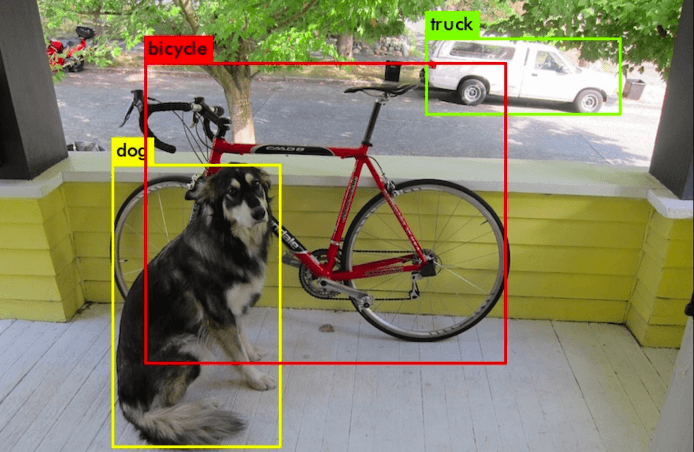
YOLO
YOLO is an object detection algorithm that simultaneously predicts the location and class of all objects in an image through a single pass of a neural network. YOLO, which has become a significant method in the fields of artificial intelligence and deep learning, is particularly preferred in video processing and autonomous systems due to its real-time analysis capability. YOLO’s most prominent feature is its ability to detect objects in a single step, delivering efficient results in terms of bot
EN
Semih Yeşil
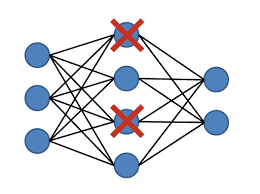
Dropout Technique
Dropout is a regularization method developed to prevent overfitting in deep learning models and is now widely used. It was first proposed by Geoffrey Hinton and colleagues in 2012 and later thoroughly analyzed in 2014 under the leadership of Nitish Srivastava. Dropout çalışma prensibi tasviri (Yapay Zekâ ile oluşturulmuştur) " image-element-format="right" image-source="https://cdn.t3pedia.org/media/uploads/2025/06/22/OSfR2gHLwJOEcOthhc3dmhlyiiW1vYk7.png"> Mechanism of Operation Dropout is a r
ENYağmur Nur Küçükarslan

The Idea of Algorithmic Management and Artificial Intelligence
In classical algorithmic governance, the subject who sets the rules, accepts their logic, and modifies them when necessary is the human. The machine’s regularity is a tool, but the true safeguard is human reasoning. When artificial intelligence is involved, however, the dominant idea is that a mind free from human shortcomings may exist. Even if we cannot fully comprehend the wisdom behind its decisions, the possibility that one day we might entrust our own will to this intelligence is dangerous
EN
KÜME Vakfı
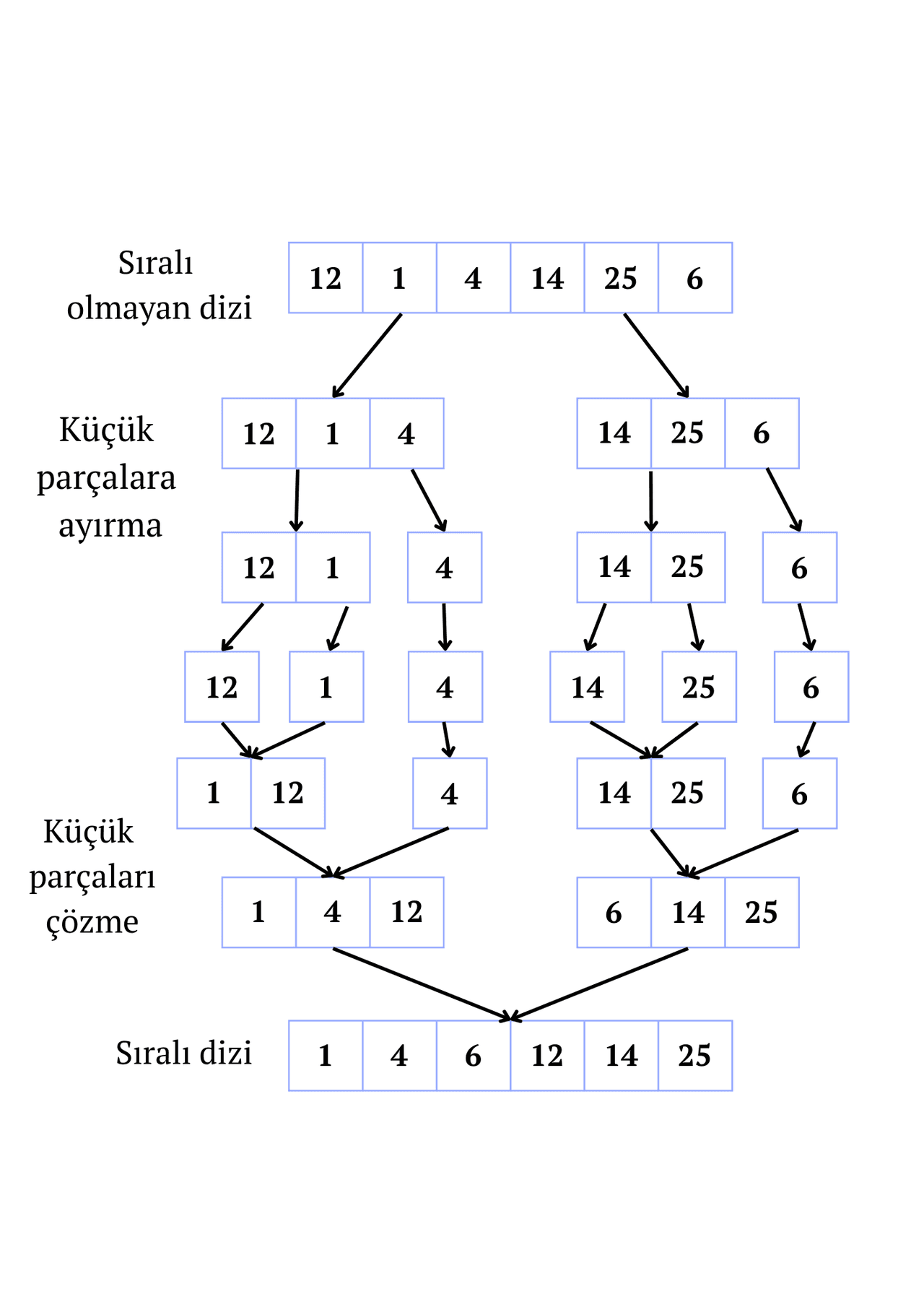
Divide and Conquer Algorithm: Merge Sort
Divide and Conquer algorithms are an approach that solves a large problem by breaking it down into smaller smaller subproblems. These algorithms typically consist of three stages: Divide: The problem is divided into smaller and more manageable subproblems. Conquer: The subproblems are solved independently. Combine: The solutions to the subproblems are combined to obtain the solution to the main problem. This method is effectively used in many computer science problems such as sorting, searching,
ENAbdulsamet Ekinci
Programming
What is Programming? Programming is the collection of instructions given to computers so they can perform specific tasks accurately and systematically. Through these instructions, computers learn when, how, and which operations to perform. This process can be compared to a recipe. To prepare a meal, the steps must be followed in order. Similarly, computers carry out their tasks by following commands step by step. For example, first put water in the pot, then add the pasta, then stir… Computers c
EN
Hilal Oruç Yıldırım

The Shelf Life of Our Passwords
When a food product is purchased, the packaging displays the production date and the expiration date. The period between these two dates represents the product’s shelf life. Although digital data do not have an expiration date, the cryptographic methods that protect them also have a limited period of resilience against technological advancements. Some encryption methods currently considered secure may not provide the same level of protection against future computing technologies that may emerge.
EN
Gökhan Güller