This article was automatically translated from the original Turkish version.
+2 More
Information Card
Full Name | Yeniköy Summer Residence (Ayazma) Spa | ||||||||
|---|---|---|---|---|---|---|---|---|---|
Location | Within the boundaries of Yeniköy, Gölcük district, Kocaeli | ||||||||
Distance to Sea | Approximately 3 kilometers | ||||||||
Historical Origin | Byzantine (Eastern Roman) Empire period | ||||||||
Water Temperature | Between 22°C and 37°C | ||||||||
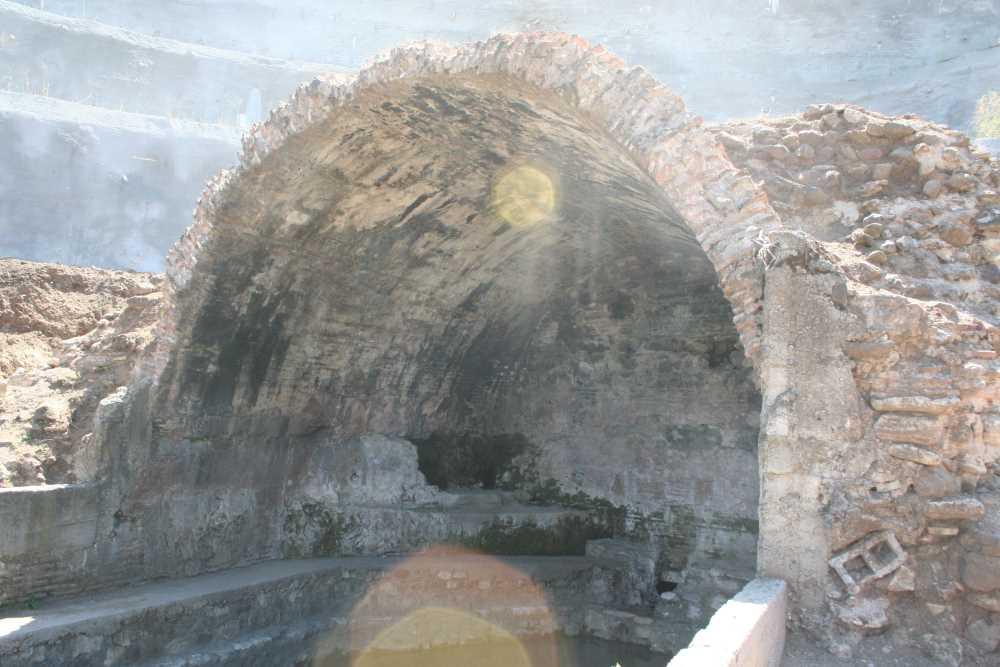
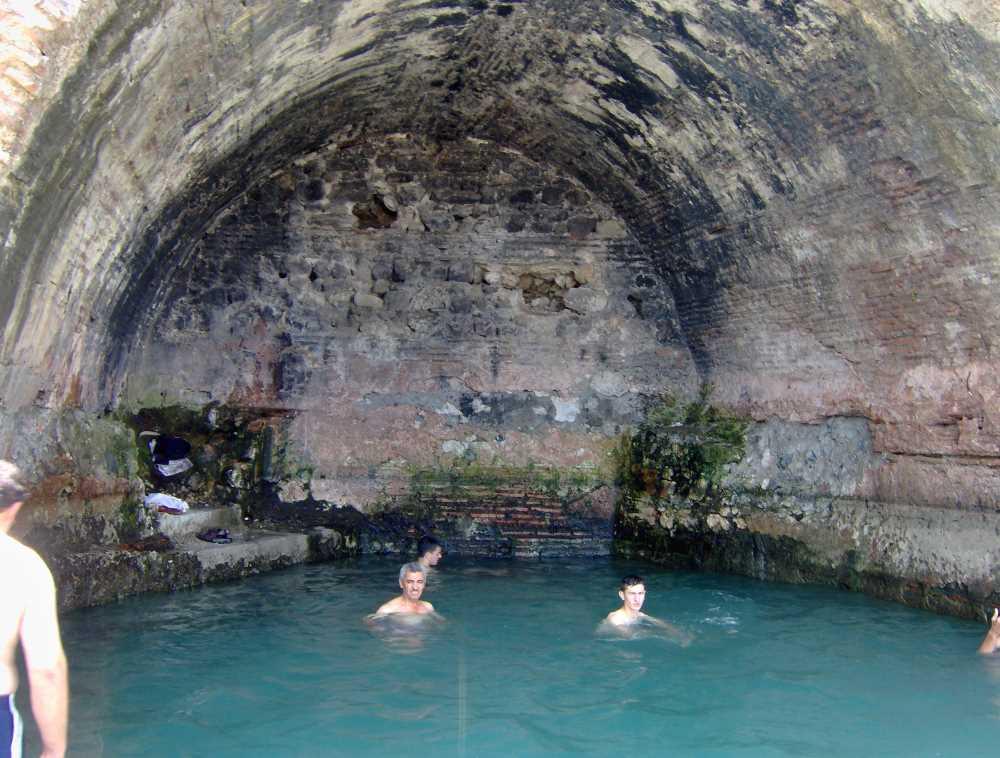
Yeniköy Yazlık (Ayazma) Ilıcası is a thermal water source located in the Gölcük district of Kocaeli, featuring sulfuric and calcareous properties with a history extending back to the late Eastern Roman period.
Yeniköy Yazlık Ilıcası (Türkiye Kültür Portalı)
This spa, which served as an important health center during the Roman, Byzantine, and Ottoman periods, continues to provide services in the field of health tourism today through modern facilities restored by the Gölcük Municipality.【1】
Yazlık Ilıcası is situated approximately 500 meters from Yazlık Village in the Gölcük district of Kocaeli, within the bed of Ilıca Stream. The facility lies 15 kilometers south of the Gölcük road, within the boundaries of Yeniköy, and is about 3 kilometers from the sea. Access is provided by Gölcük municipal buses departing from İzmit city center. The area, evaluated within the framework of nature tourism due to its geographical structure, also exhibits characteristics of cave tourism.【2】
The primary source of the spa water is the “Ayazma,” dating back to the Byzantine period. The demographic and architectural character of the region changed following the settlement of families from the eastern Black Sea region in the late 19th century.
Administratively, Yazlık, formerly a neighborhood of Yeniköy, gained independent muhtarlık status by the decision of the Provincial Administrative Board dated 04.07.1950 and transitioned to town municipality status on 30.12.1999. The area, which functioned as an active healing center during the Roman and Ottoman periods, has been preserved under restoration in accordance with its original form as part of the Gölcük Municipality’s “Respect for History” project.【3】
The spa water is classified as sulfuric and calcareous oligometallic waters. The temperature of the water at the source varies between 22 and 37°C. Due to the structural characteristic of containing both hot and cold water sources simultaneously, all channels feeding the reservoir were thoroughly cleaned during the restoration process to preserve water quality.【4】
The modern facilities have been constructed on an area of approximately 10,000 square meters. The complex includes separate thermal pools for women and men, Turkish baths, saunas, steam rooms, a salt room, massage and therapy rooms, and a “doctor fish” unit. Unlike many other thermal facilities, Yazlık Ilıcası permits children under the age of 12 to enter the pools in compliance with hygiene regulations, and special children’s pools have been provided for this purpose.
There is no accommodation unit (hotel or guesthouse) within the current complex; therefore, visitors from outside the region utilize accommodation options in neighboring areas such as Başiskele, Gölcük, and İzmit.【6】
Demirel, Demokaan. “Yeniköy Yazlık (Ayazma) Ilıcası.” Türkiye Turizm Ansiklopedisi. Accessed June 11, 2026. https://turkiyeturizmansiklopedisi.com/yenikoy-yazlik-ayazma-ilicasi
Türkiye Kültür Portalı. "Yazlık Ilıcası / Ayazma - Kocaeli." Accessed June 11, 2026. https://www.kulturportali.gov.tr/turkiye/kocaeli/gezilecekyer/yazlik-ilicasi--ayazma
[1]
Türkiye Kültür Portalı. "Yazlık Ilıcası / Ayazma - Kocaeli." Access Date 11 June 2026. https://www.kulturportali.gov.tr/turkiye/kocaeli/gezilecekyer/yazlik-ilicasi--ayazma
[2]
Demokaan Demirel, “Yeniköy Yazlık (Ayazma) Ilıcası,” Türkiye Turizm Ansiklopedisi. Access Date 11 June 2026. https://turkiyeturizmansiklopedisi.com/yenikoy-yazlik-ayazma-ilicasi
[3]
Demokaan Demirel, “Yeniköy Yazlık (Ayazma) Ilıcası,” Türkiye Turizm Ansiklopedisi. Access Date 11 June 2026. https://turkiyeturizmansiklopedisi.com/yenikoy-yazlik-ayazma-ilicasi
[4]
Demokaan Demirel, “Yeniköy Yazlık (Ayazma) Ilıcası,” Türkiye Turizm Ansiklopedisi. Access Date 11 June 2026. https://turkiyeturizmansiklopedisi.com/yenikoy-yazlik-ayazma-ilicasi
[6]
Demokaan Demirel, “Yeniköy Yazlık (Ayazma) Ilıcası,” Türkiye Turizm Ansiklopedisi. Access Date 11 June 2026. https://turkiyeturizmansiklopedisi.com/yenikoy-yazlik-ayazma-ilicasi

Information Card
Full Name | Yeniköy Summer Residence (Ayazma) Spa | ||||||||
|---|---|---|---|---|---|---|---|---|---|
Location | Within the boundaries of Yeniköy, Gölcük district, Kocaeli | ||||||||
Distance to Sea | Approximately 3 kilometers | ||||||||
Historical Origin | Byzantine (Eastern Roman) Empire period | ||||||||
Water Temperature | Between 22°C and 37°C | ||||||||
No Discussion Added Yet
Start discussion for "Yeniköy Summer Spa (Ayazma)" article
Geographical Location and Access
Historical Development and Administrative Structure
Physical and Chemical Properties of the Water
Facilities and Operational Principles