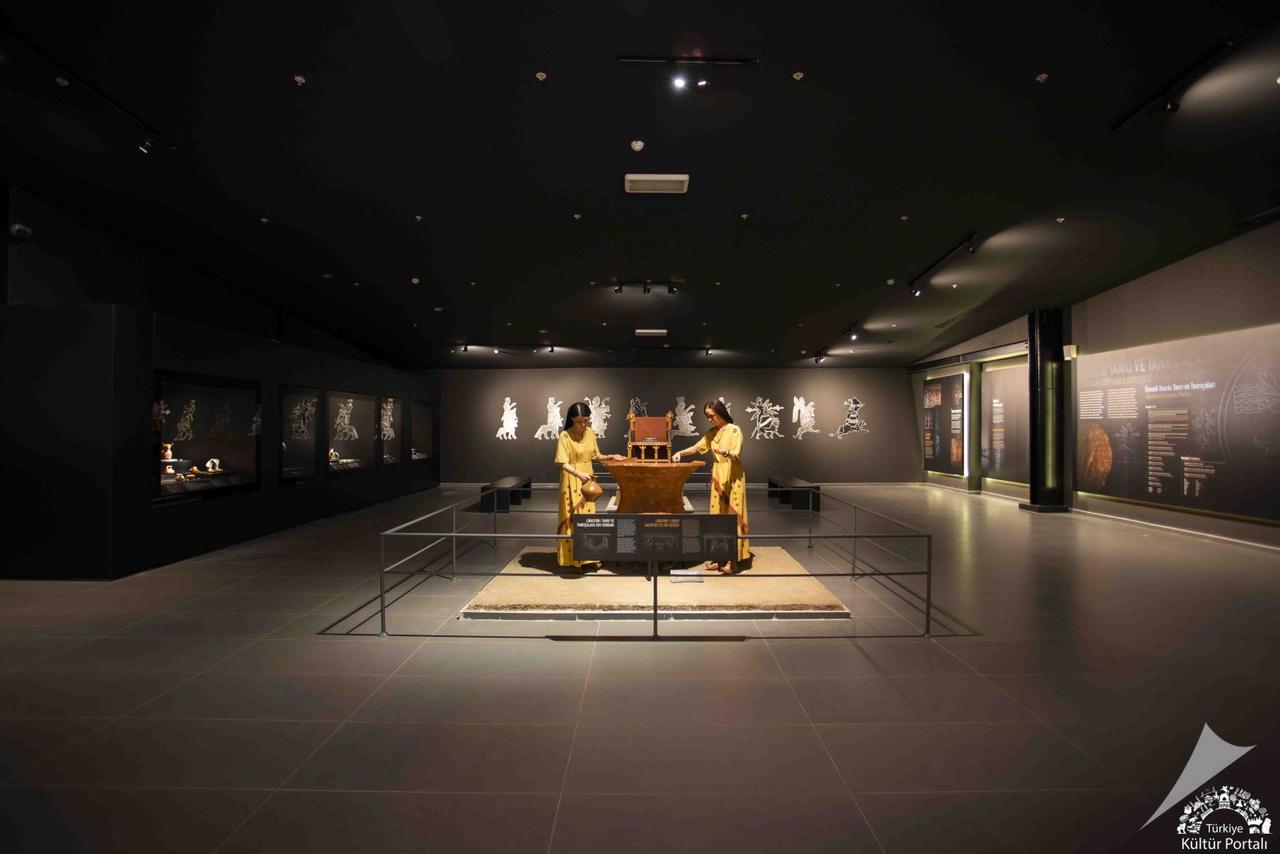
Van Museum
Van Museum is not merely a local exhibition space; it is a global center of science and culture specializing in Urartian archaeology and the history of Eastern Anatolia. The museum’s depth stems from its collection of over 42,000 artifacts, its chronological continuity spanning from the Paleolithic Age to the Ottoman period, and its housing of some of the world’s most exquisite examples of Urartian metalwork.
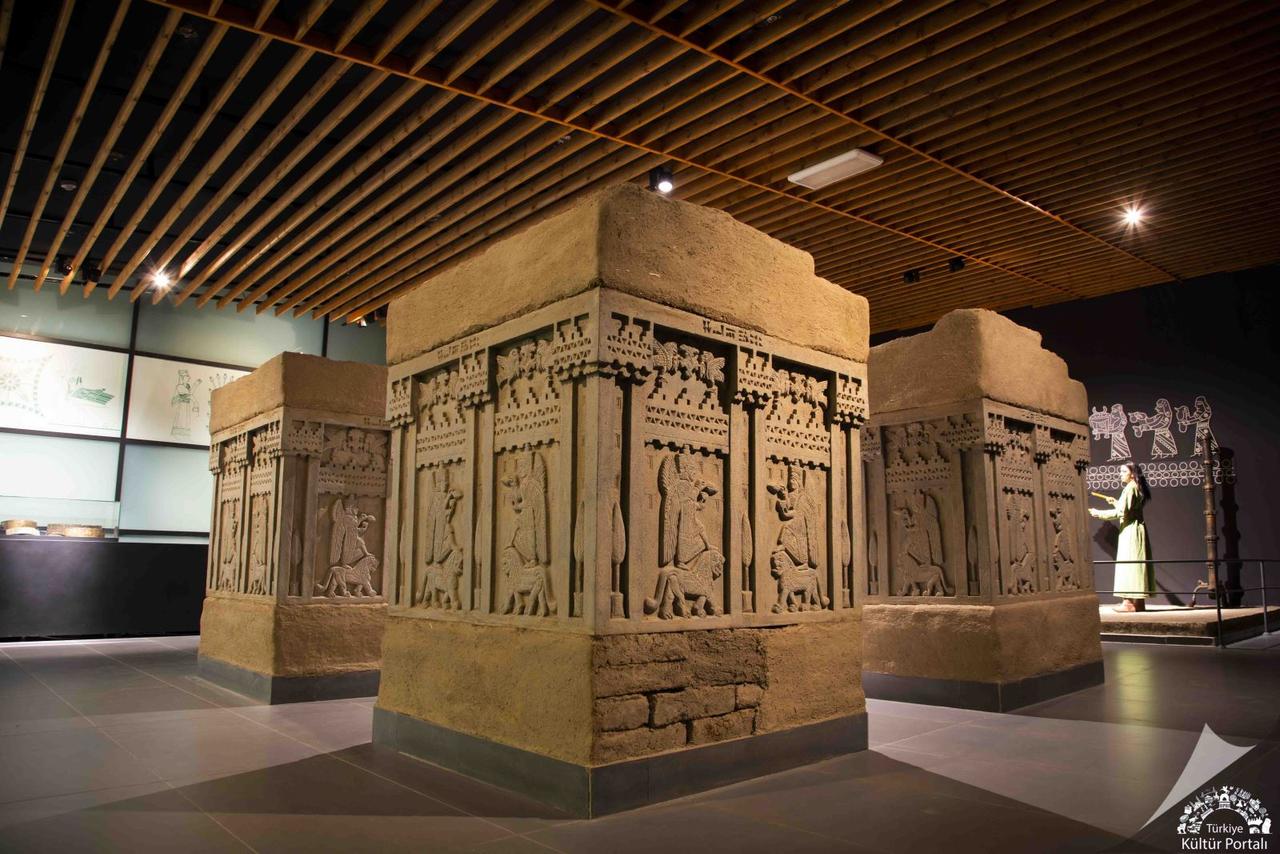
Interior (Culture Portal)
Institutional Development and Architectural Structure
The museum’s foundations were laid in 1932 when cuneiform stelae and ram-and-sheep-shaped burial stones from the Akkoyunlu and Karakoyunlu periods were collected in a storage facility. In 1972 the institution gained museum directorate status and, following damage to its old building in the 2011 Van earthquake, relocated in 2019 to a modern complex covering 50,000 square meters (10,000 square meters of which are indoor space). The museum complex includes 23 exhibition halls, modern restoration and conservation laboratories, a specialized library, and archaeological park educational areas for children.
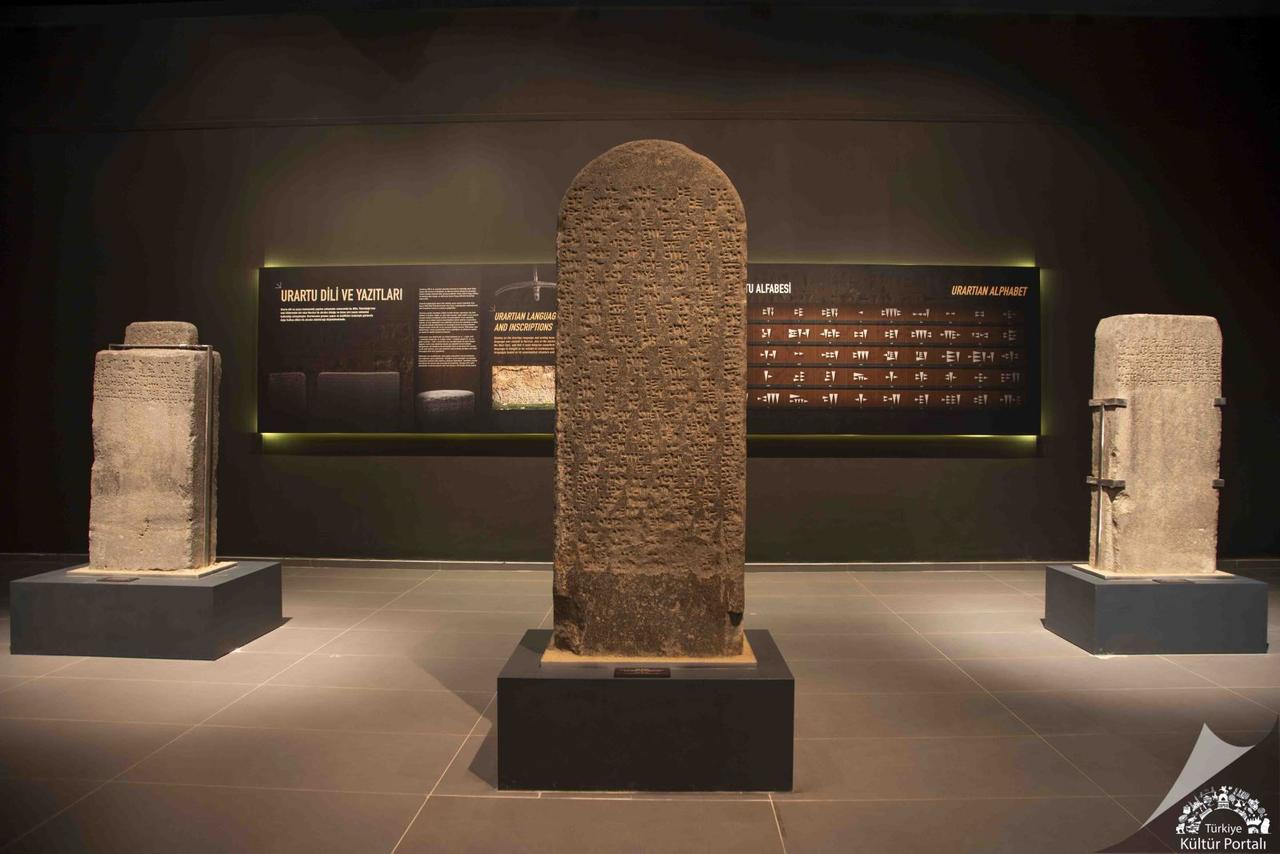
Interior (Culture Portal)
Details of the Urartian Collection
As the museum holds the world’s richest Urartian collection, it presents the following unique insights into the social, religious, and artistic life of this ancient empire:
- Metalwork and Jewelry: Mastery in bronze, gold, and silver craftsmanship is crystallized in spiral spiral bracelets, lion-headed armlets, and sandal-shaped earrings. A cache of nearly forty earrings found in a single tomb documents the widespread use of such accessories in the society of the period.
- Clothed (Hirkani) Votive Plaques: These bronze plaques discovered in Gürpınar are unique artifacts reflecting Urartian religious beliefs. The depiction of deities with animal features and horned headdresses illuminates the religious iconography of the era.
- Inscribed Documents and Symbols: A cuneiform bead belonging to King Argishti I serves as a historical record proving that war booty was offered to the goddess Aurabaini. Additionally, the Bronze Urartian Lion statuette, discovered in 1960, holds significant international importance because it is identified as a missing component of a candlestick currently exhibited in Israel.
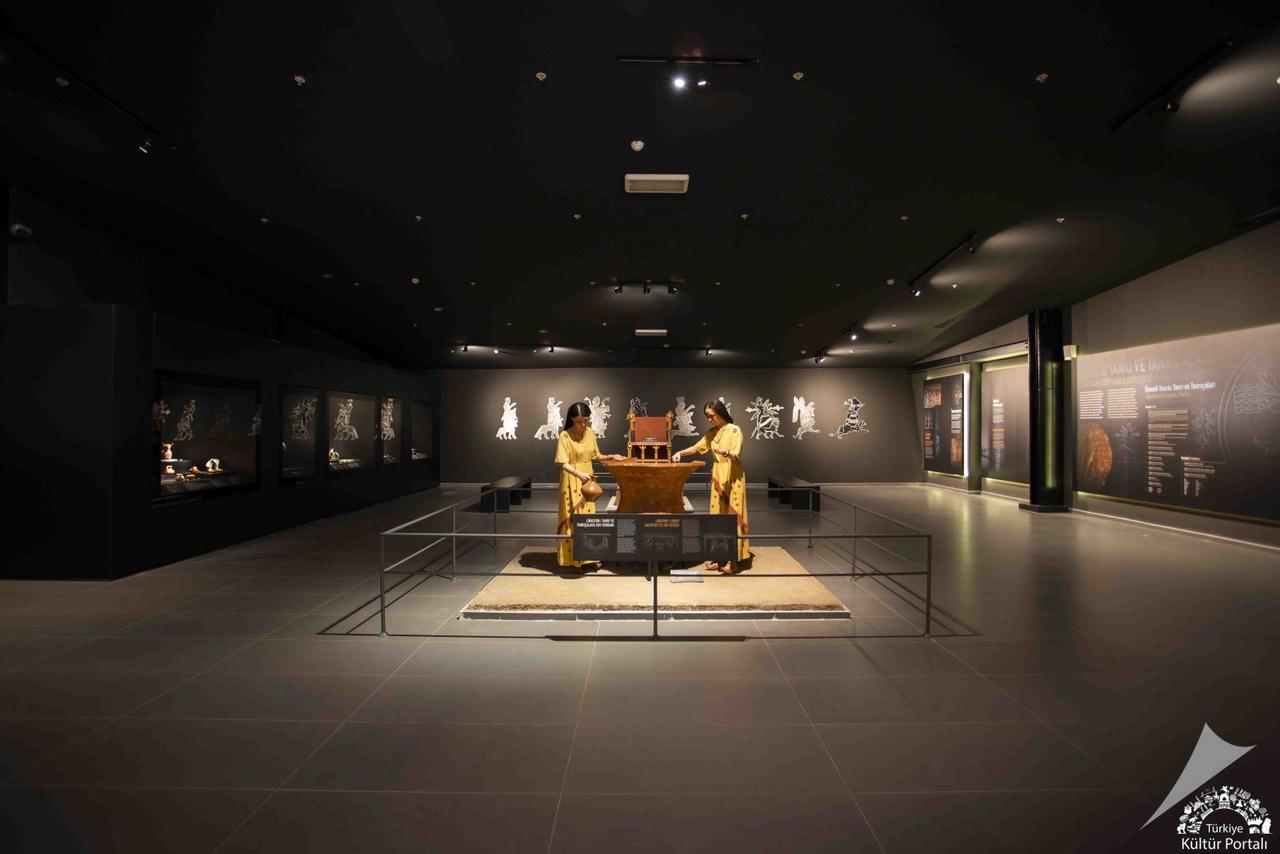
Interior (Culture Portal)
Hakkâri Stelae and Regional Significance
Discovered in 1998, the 13 stelae shed light on the Early Iron Age history of the region. Carved from limestone and depicting eleven male and two female figures, these stelae are among the region’s most distinctive archaeological finds, portraying local rulers’ weapons, attire, and wild life through relief techniques.