

`prehistory` Related Article Results
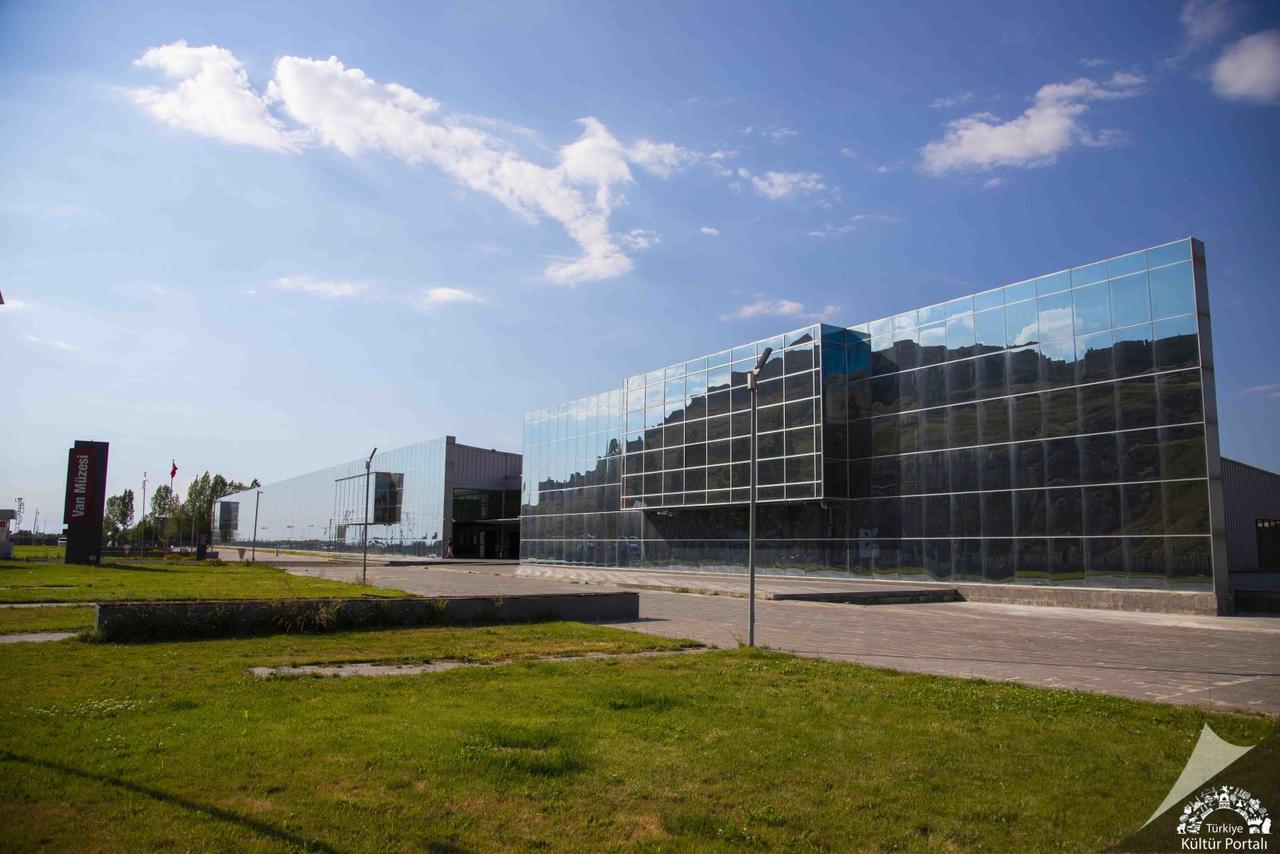
Van Museum
Van Museum is not merely a local exhibition space; it is a global center of science and culture specializing in Urartian archaeology and the history of Eastern Anatolia. The museum’s depth stems from its collection of over 42,000 artifacts, its chronological continuity spanning from the Paleolithic Age to the Ottoman period, and its housing of some of the world’s most exquisite examples of Urartian metalwork. Institutional Development and Architectural Structure The museum’s foundations were lai
EN
Helin ciftsüren
 Ta
TaTaş Tepeler Project
Taş Tepeler (Şanlıurfa Neolithic Research) Project, Şanlıurfa and its surrounding 11 archaeological sites constitute a large-scale archaeological project aimed at investigating the transition to settled life and the early phases of the Neolithic period. The project seeks to comprehensively document and evaluate settlements, cult structures, public spaces, elements of daily life, and symbolic traditions dating between the 10th and 7th millennia BCE. In scope, Taş Tepeler addresses one of the earl
EN
Meryem Şentürk Çoban