

`historical-artifacts` Related Article Results
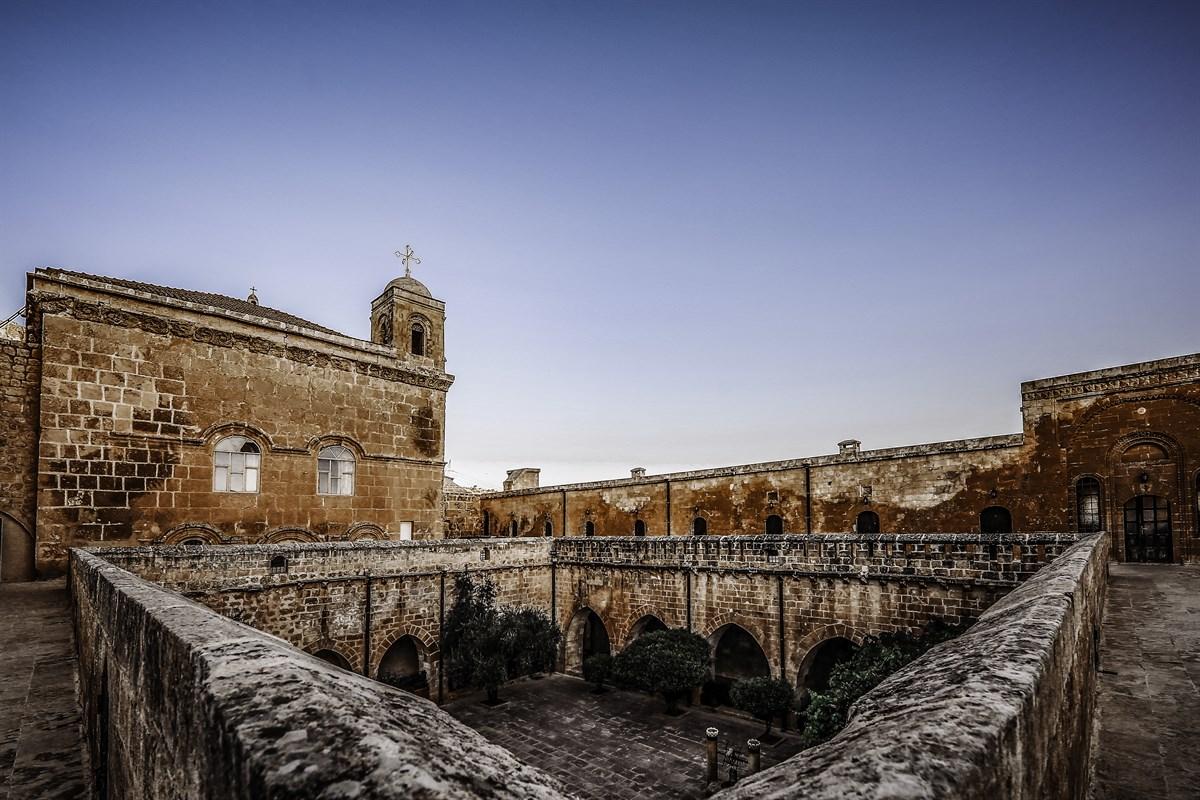
Church of Saint Michael the Archangel (Burç Monastery)
Mor Mihail Kilisesi is a historic place of worship belonging to the Syriac Orthodox community, located in the city center, at the foot of the citadel, along Yeniyol Street. The structure is primarily referred to in sources as “Mor Mihail Kilisesi”, but due to its integration within a larger architectural complex and its development alongside monastic units, it is also known as “Burç Manastırı”. Today, it continues to serve its original function as a place of worship for the Syriac Orthodox commu
EN
Milena Bennu CAN
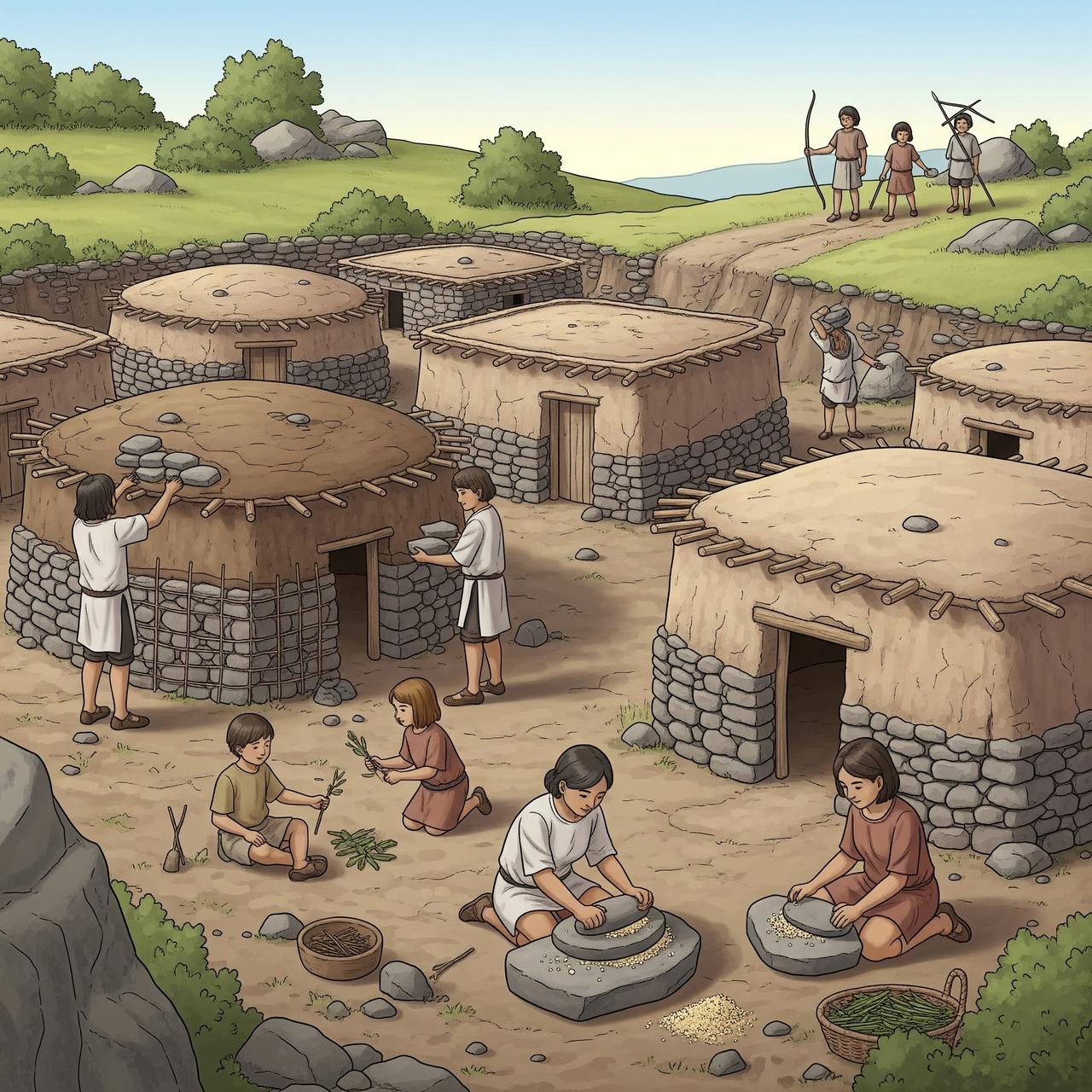
Taşlıtepe
Hello, curious explorer! How about traveling back thousands of years before our time, to an era when humans had not yet built cities or invented writing? This is Taşlıtepe, a mysterious site that leads us precisely to that thrilling period. It is like a legacy left behind by people who lived in the distant past. Like Göbeklitepe, famous for its massive stone monuments, Taşlıtepe is one of the oldest and most important settlements in human history. This ancient village whispers to us how people l
EN
Kasım Emre Anıl
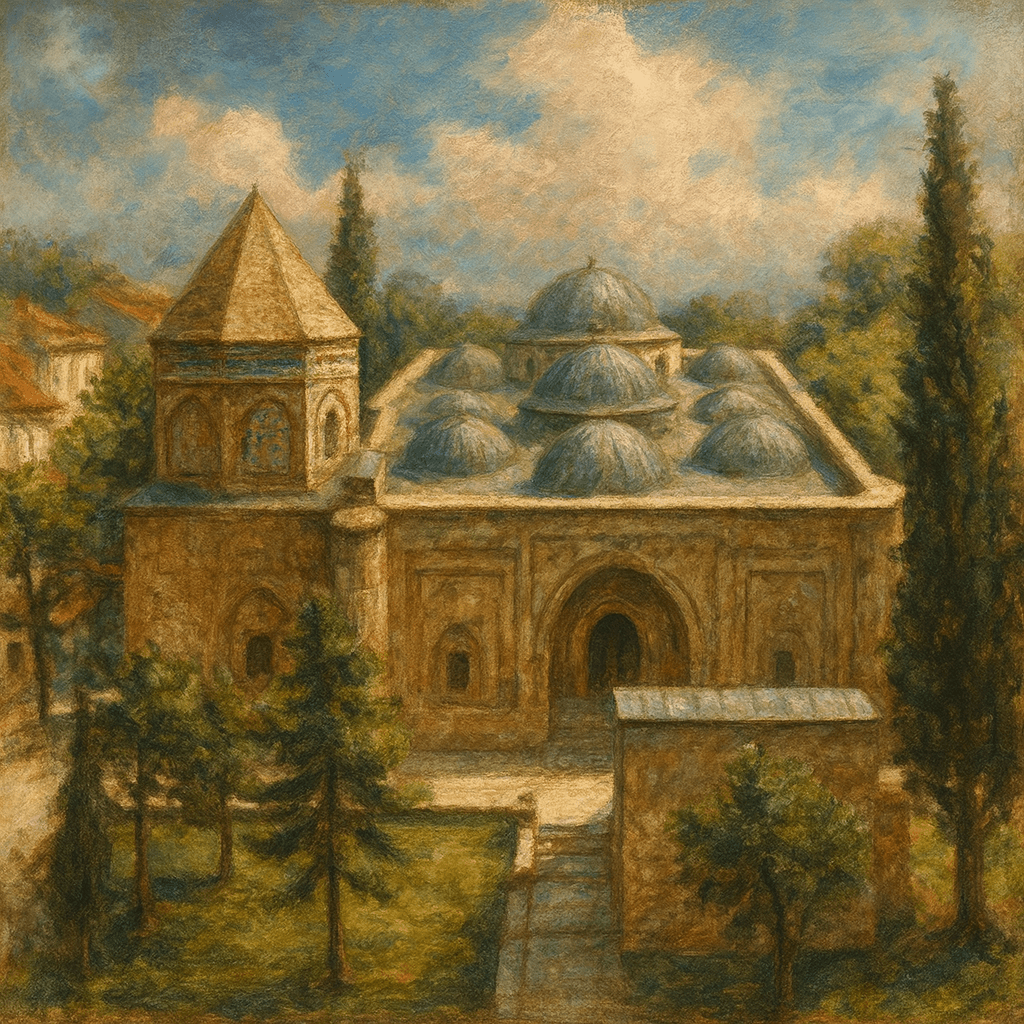
Torumtay Tomb
The Torumtay Türbesi, located in the center of Amasya, was built in 1278 by Amasya’s governor Seyfeddin Torumtay. The tomb serves as the eternal resting place not only for Torumtay but also for his children and grandchildren. Its structure, decorations, and layout exhibit distinctive features different from other Seljuk tombs. (Generated by Artificial Intelligence) " image-element-format="right" image-source="https://cdn.t3pedia.org/media/uploads/2025/08/25/PS2zN3xItllvFzw3yTyREk7KZVbntAdZ.png"&
EN
Hikmet Can Urhan
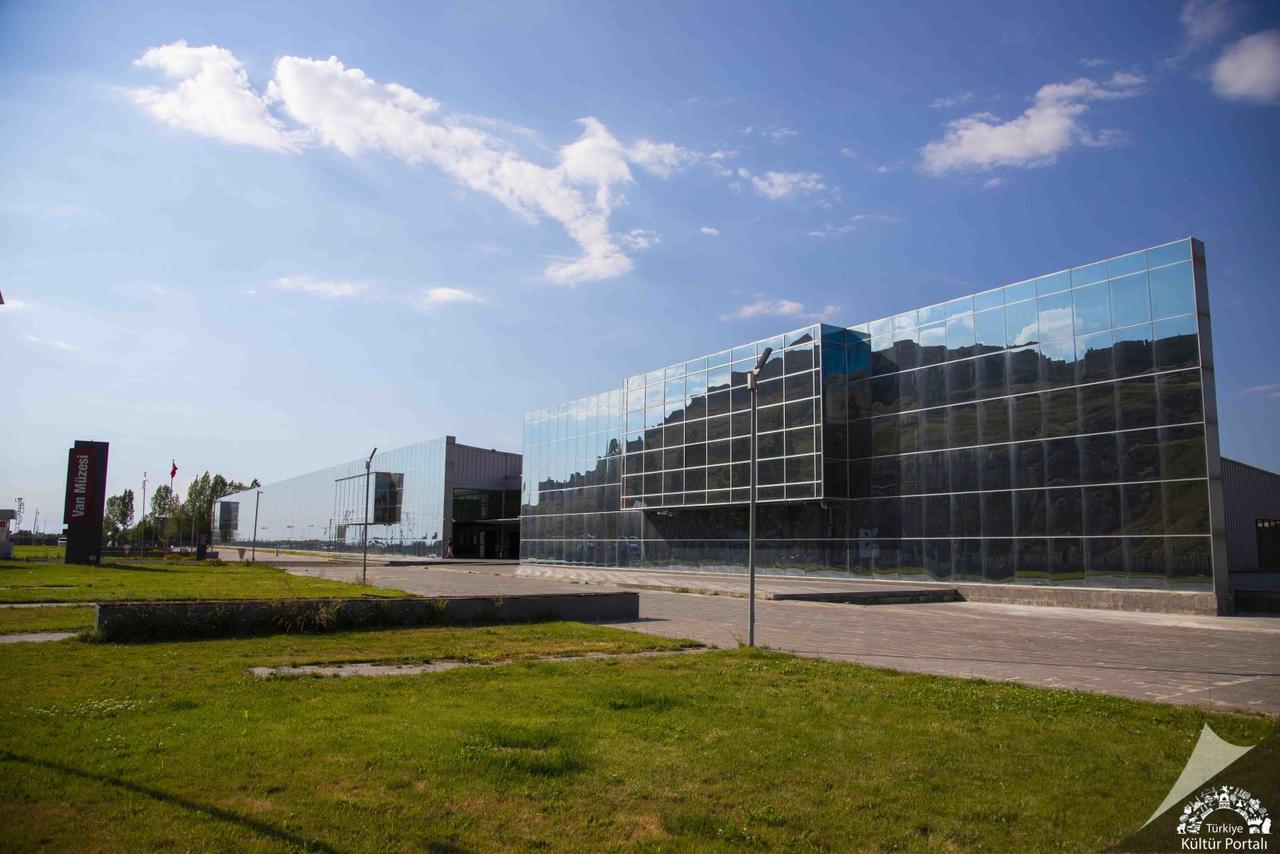
Van Museum
Van Museum is not merely a local exhibition space; it is a global center of science and culture specializing in Urartian archaeology and the history of Eastern Anatolia. The museum’s depth stems from its collection of over 42,000 artifacts, its chronological continuity spanning from the Paleolithic Age to the Ottoman period, and its housing of some of the world’s most exquisite examples of Urartian metalwork. Institutional Development and Architectural Structure The museum’s foundations were lai
EN
Helin ciftsüren
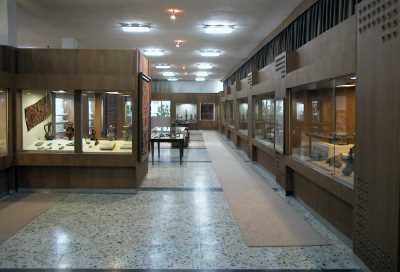
Karaman Museum
Karaman Museum is a museum established to preserve and display archaeological and ethnographic artifacts from Karaman and its surrounding region. It is located in the city center, behind the Hatuniye Medresesi, a structure dating back to the Karamanid Beylik period. History Museum activities in Karaman began in 1961. The initial collection, formed through artifacts gathered from the surrounding area and donations, gradually expanded over time. Archaeological excavations in the Karaman region, al
ENÖzlem Çetin
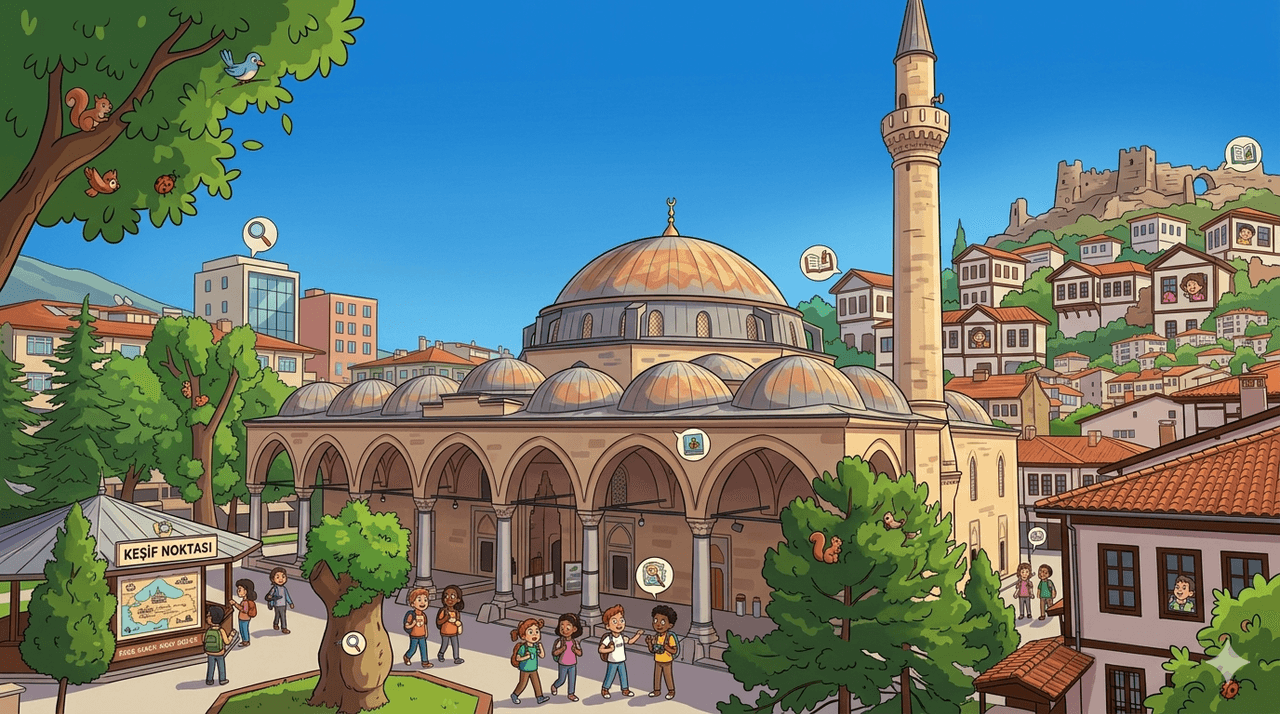
Ali Pasha Mosque (Tokat)
Tokat’s center hosts a magnificent structure that stands as if it were a giant seal stretching from the past to the present: Ali Paşa Camii. How did people living hundreds of years ago, without machines like those we have today, manage to construct such enormous domes? Let us uncover the mysteries of this historic building together! Who Built Ali Paşa Camii and When? This beautiful mosque was constructed in 1572, approximately 450 years ago, by Ali Paşa. Although there are differing views on Ali
EN
PELİN SU Sönmez
Reuse of Historical Structures in Architecture
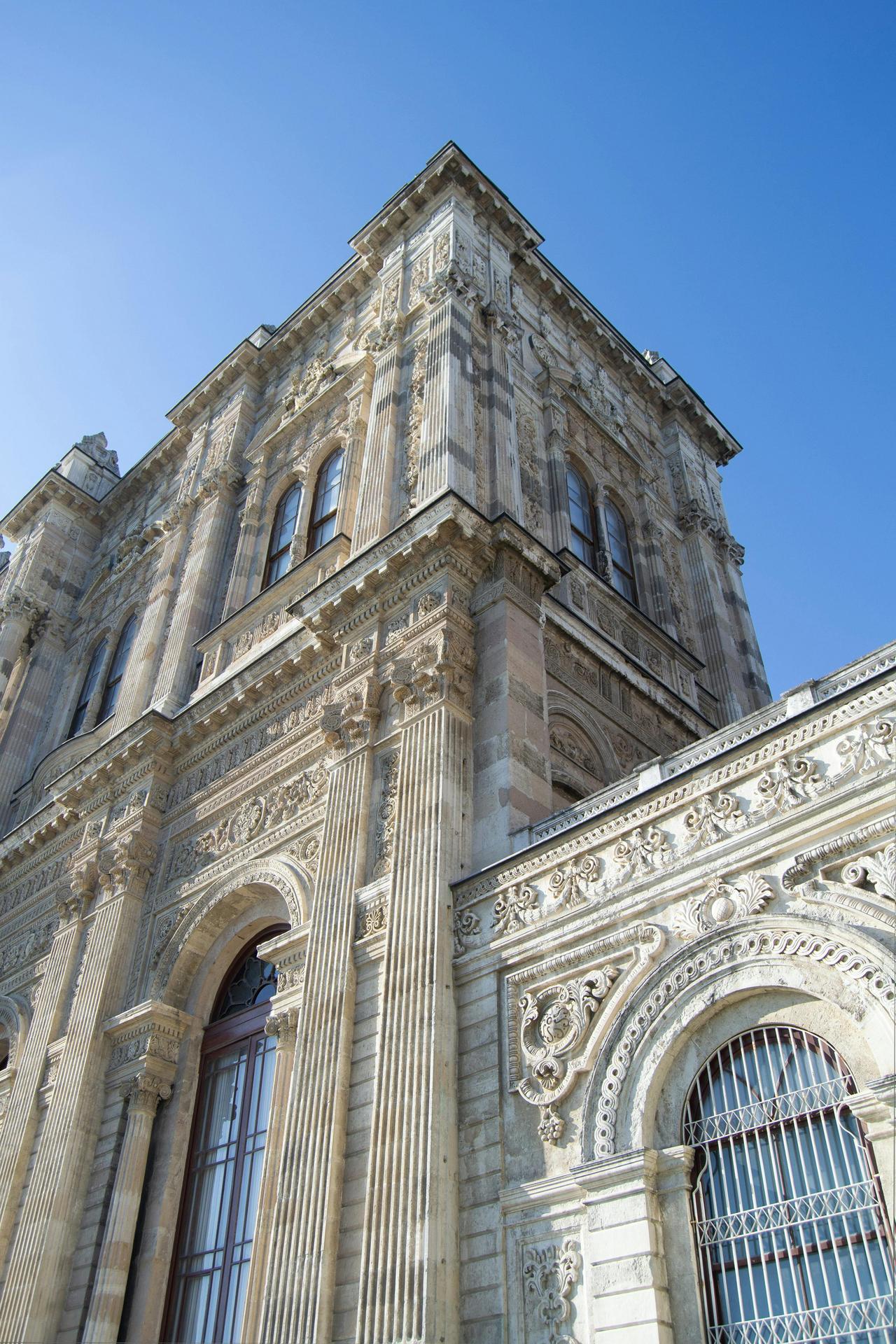
The adaptive reuse of historical buildings is an approach within architecture that integrates preservation with functionality. Although structures reflecting a society’s cultural, economic, and social past may lose their original functions over time, sustaining these buildings is essential for preserving cultural identity and promoting sustainable urban development. The concept of “adaptive reuse” refers to transforming buildings to meet contemporary needs without compromising their physical and
EN
Esra Özkafa
Bursa Ulu Camii
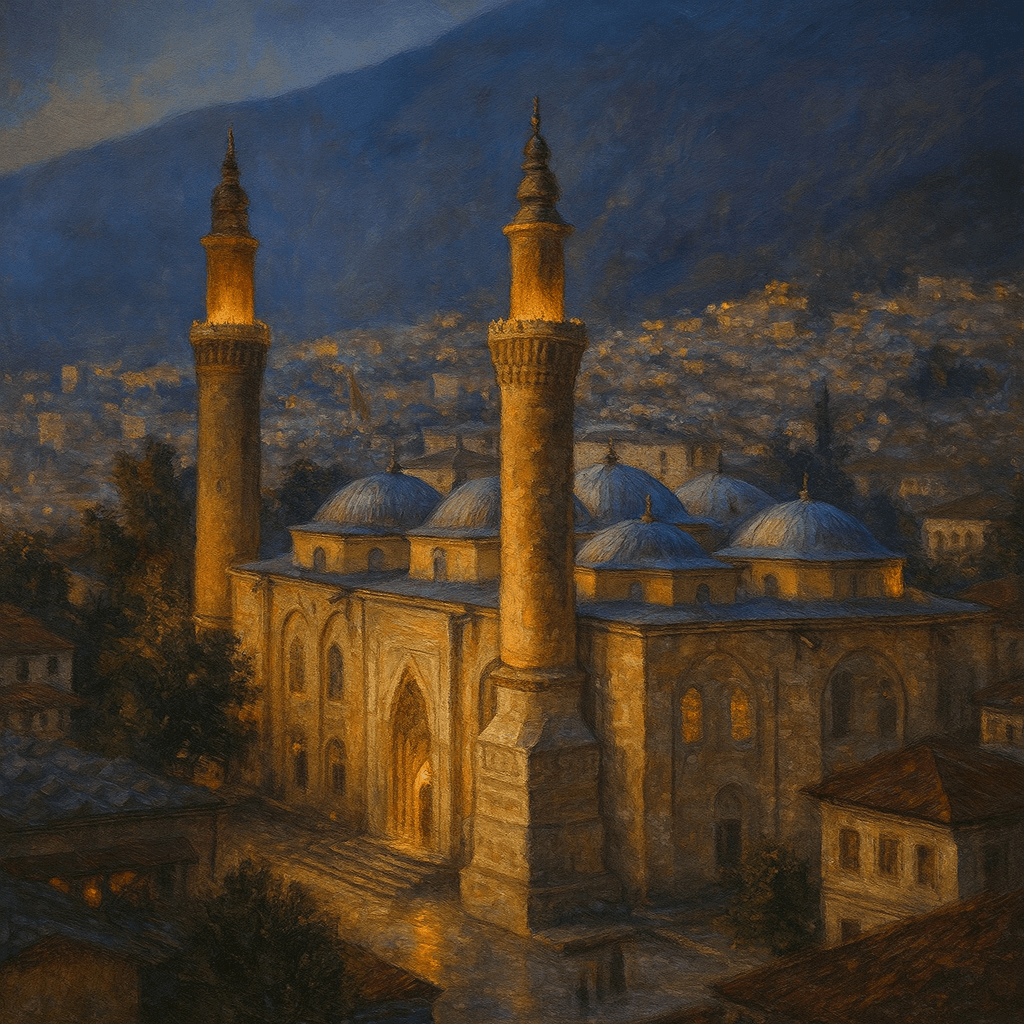
Bursa Ulu Cami is a mosque notable for its size and architecture, constructed during the early Ottoman period. Built by Yıldırım Bayezid between 1396 and 1400, it is known as the "father of Ottoman mosques." Its fountain, pulpit, and monumental calligraphy make it an important work both historically and artistically. (Generated by Artificial Intelligence) " image-element-format="justify" image-source="https://cdn.t3pedia.org/media/uploads/2025/08/16/8RYyahgZdfdD3WTg3GVucrFTkknRtO6v.png"> Wher
ENHikmet Can Urhan
Museum of Anatolian Civilizations
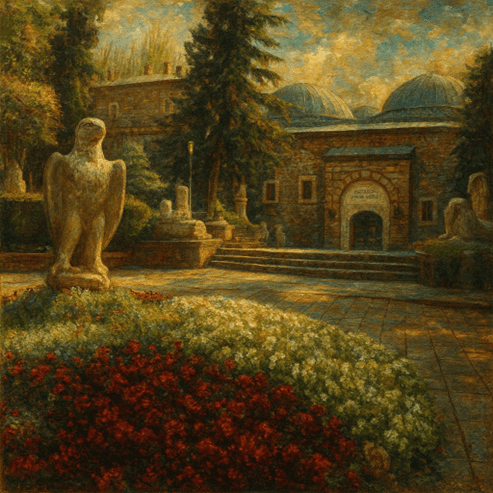
Where is the Museum of Anatolian Civilizations? The Museum of Anatolian Civilizations is located in the Ulus district of Ankara, southeast of the outer walls of the historic Ankara Castle. The museum was created through the restoration of two Ottoman-era structures previously used for different purposes: the Mahmut Paşa Bedesteni and the Kurşunlu Han. Following a long-term renovation initiative undertaken at the request of Atatürk to display artifacts collected from all corners of Anatolia, the
ENHikmet Can Urhan
The Wedding of Dionysus Mosaic
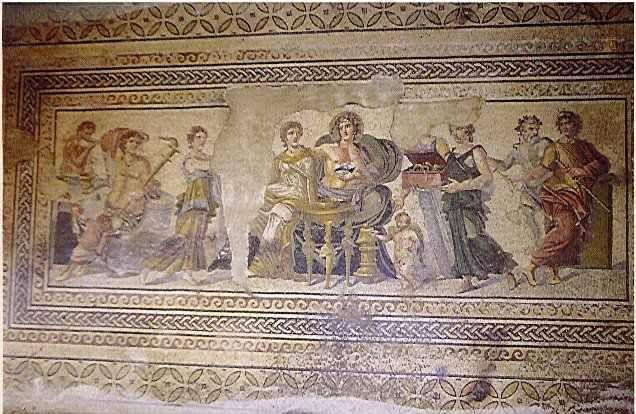
The Wedding of Dionysus Mosaic is an important floor mosaic dating to the Roman Imperial period, discovered in the Dionysus Villa within the boundaries of the ancient city of Zeugma in Gaziantep Province. The artwork is dated to between the 2nd and 3rd centuries AD and depicts the mythological marriage of the wine god Dionysus and Ariadne, the daughter of King Minos of Crete. Location and Discovery The mosaic was found in 2000 during rescue excavations at the ancient city of Zeugma, embedded in
EN
Şira Dörtkaşlı