

`archaeology` Related Article Results
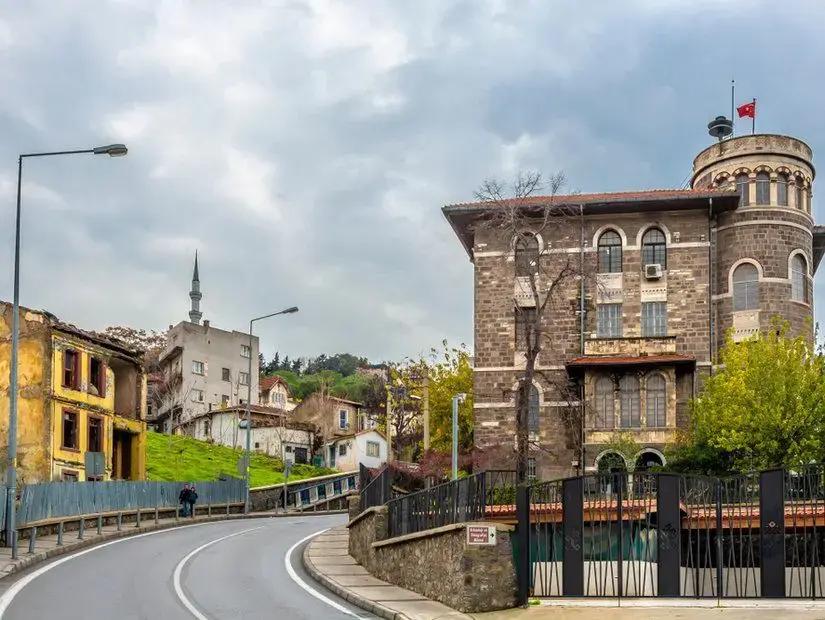
İzmir Archaeological Museum
İzmir, one of the most historically and culturally significant cities of the Aegean Region, boasts a rich heritage that stretches from ancient times to the present day. One of the most valuable reflections of this heritage is the İzmir Archaeological Museum. The museum exhibits artifacts uncovered through archaeological excavations conducted in and around İzmir, shedding light on the region's history from the Prehistoric Ages to the Byzantine Period. Initially opened in 1927 in the Aya Vukla Chu
AZ
Yunus Emre Sağlam
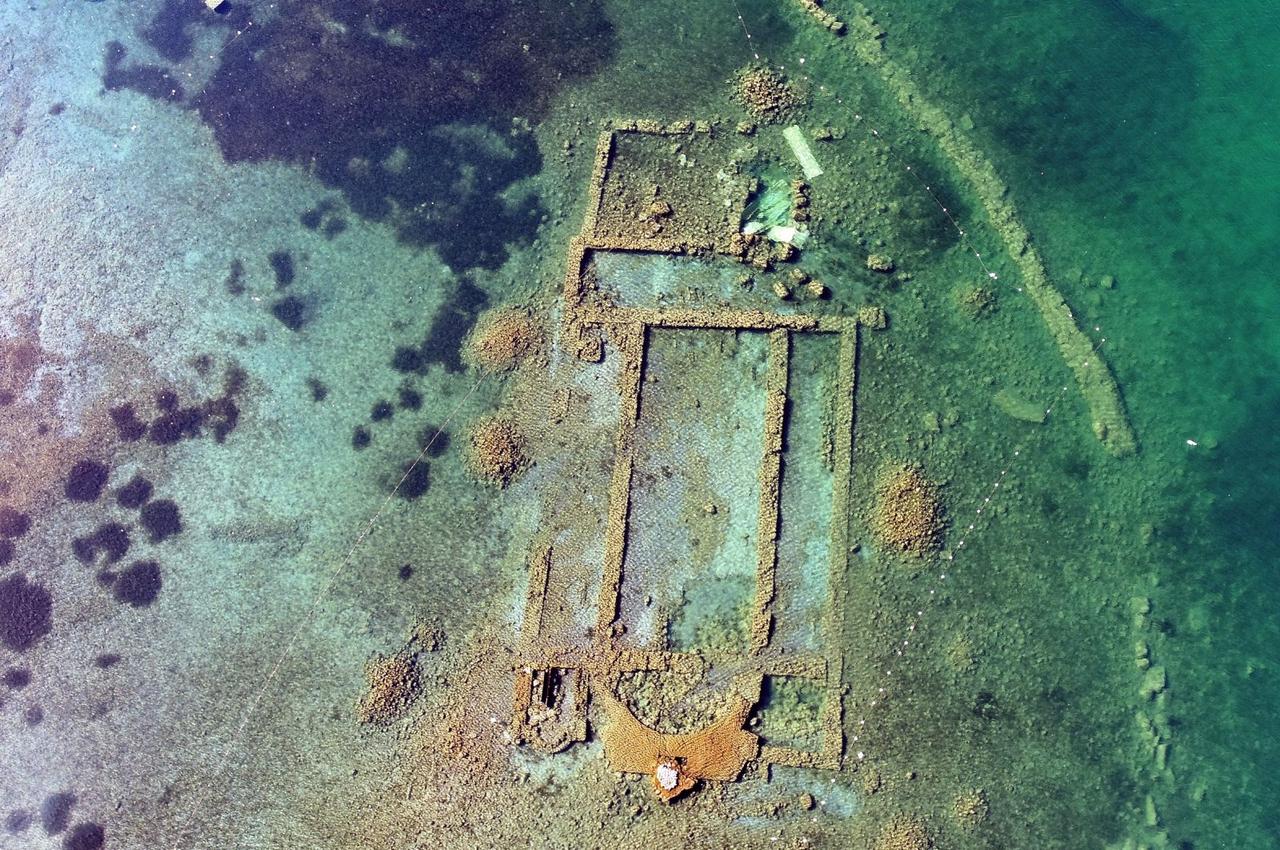
Basilica of İznik
The Basilica of İznik consists of submerged remains of an early Christian-era church with a basilical plan, located approximately 50 metres offshore and at a depth of 2–3 metres within the boundaries of Selçuk neighbourhood, İznik district, Bursa Province, beside İznik Lake. The structure lies just outside the lake-facing section of the ancient walls surrounding the city of Nicaea, situated in the transitional zone between the city’s land walls and the lakeshore, aligned parallel to the coastlin
EN
Melike Sude Nar
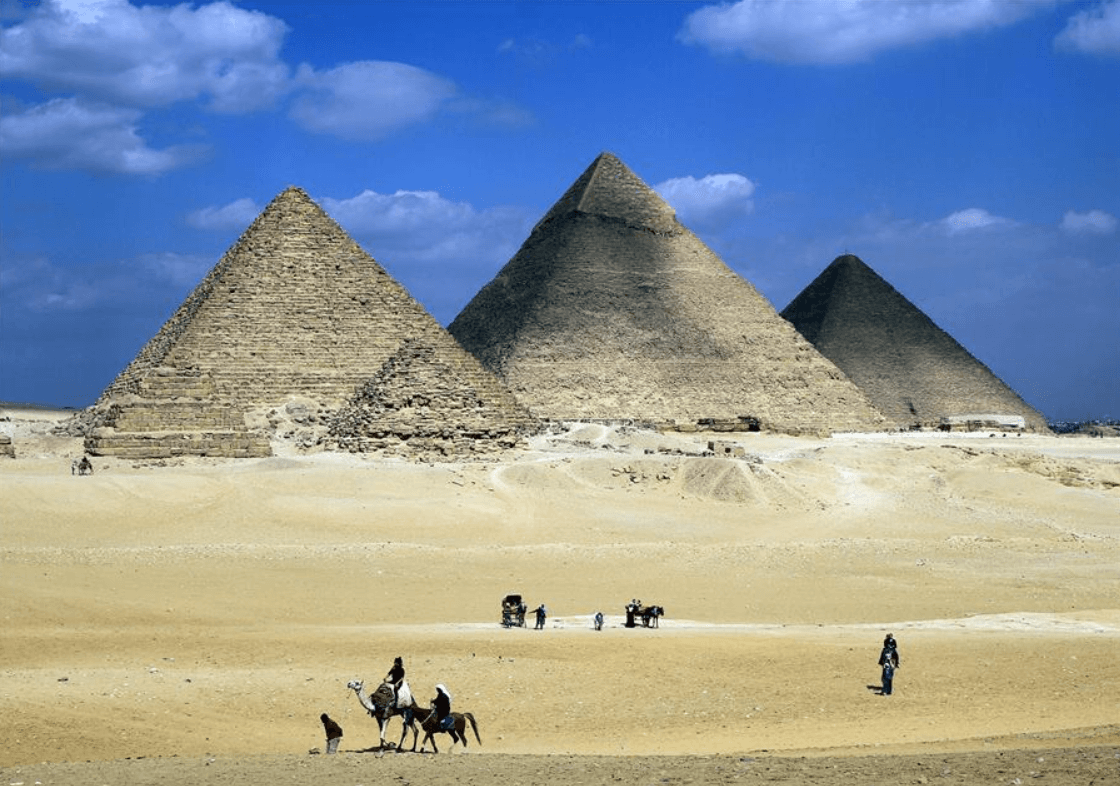
Egyptian Pyramids
Egyptian Pyramids are monumental burial structures of ancient Egyptian civilization, constructed primarily during the Old Kingdom period (2686–2181 BCE) as sacred edifices prepared for pharaohs after death to ensure their passage to the afterlife. These structures evolved from earlier step-like tombs known as mastabas, progressing through stepped pyramids to the final form of smooth-sided geometric pyramids. One of the earliest and most complete examples is the Step Pyramid at Saqqara, built by
ENZeliha Sevde Tan
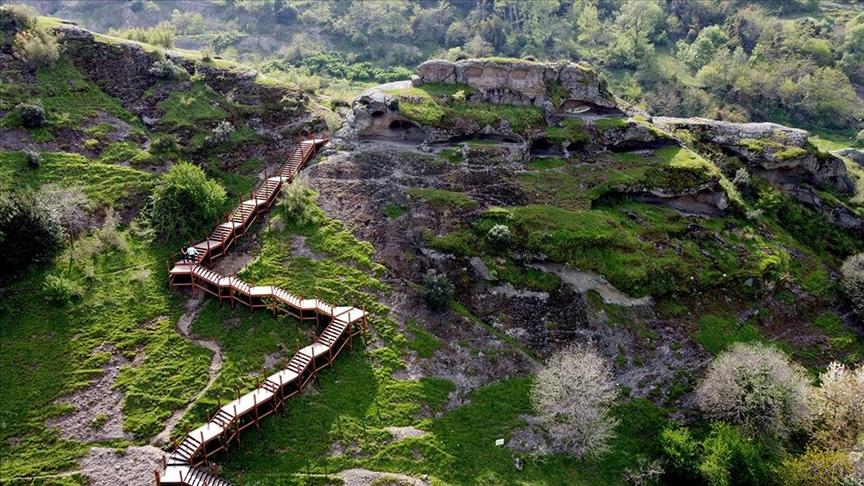
Tekkeköy Caves
Tekkeköy Caves are located within the boundaries of the Tekkeköy district of Samsun province in Türkiye. They are approximately 14 kilometers from the district center. The caves are situated along rock formations stretching through a valley watered by the Fındıcak Stream and Çınarlı Stream. Historical Process and Archaeological Excavations The Tekkeköy Caves are among the earliest known examples of human settlement in the Black Sea region. Archaeological research has dated the earliest settlemen
EN
Bilge Öztürk
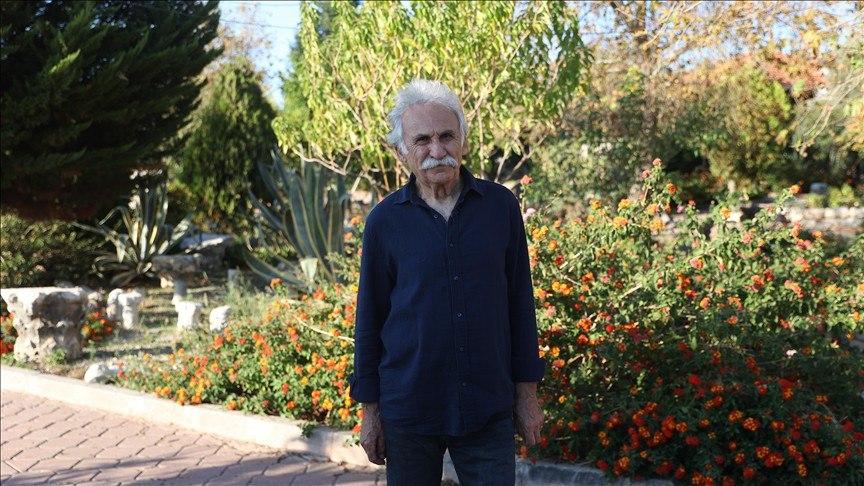
Fahri Işık
Fahri Işık is a Turkish archaeologist and academic renowned for his work in Anatolian archaeology, particularly for establishing a scholarly school through his approaches to the origins of Anatolian civilizations, the Lycian culture, and the excavations at Patara. Interview on Professor Dr. Fahri Işık’s Approach “Civilization Was Born in Anatolia” (Current Archaeology Magazine) " youtube-video-element-format="right"> Life and Education Fahri Işık was born on 27 October 1944 in Kileyik village
EN
Nurten Yalçın
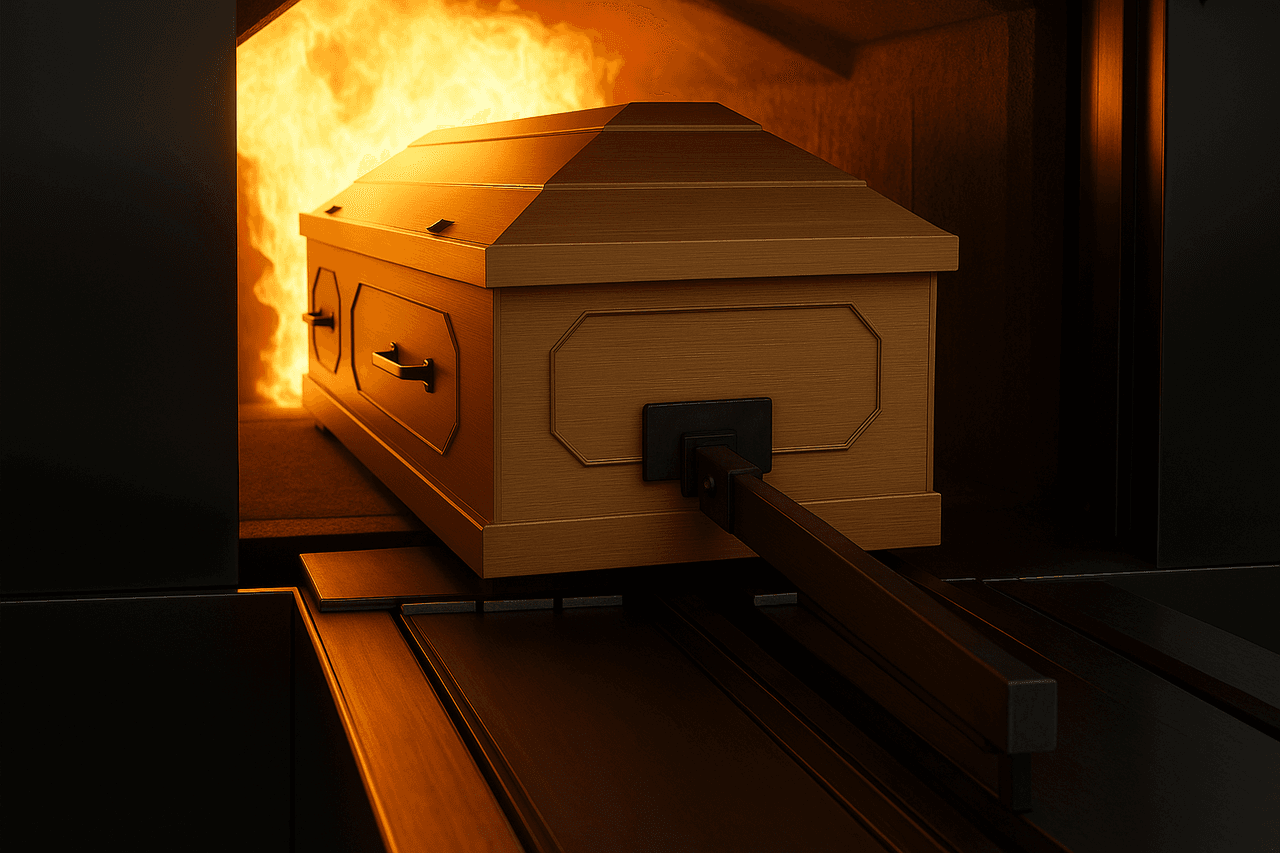
Cremation
Cremation is a practice involving the burning of a deceased body and the burial of its remains, derived from the Latin verb "cremare," meaning "to burn." Throughout history, this burial method has been applied in various societies for religious, symbolic, or practical reasons. Archaeological evidence and written sources document its use in different periods across diverse regions, especially in Anatolia. Definition and Methods of Practice Cremation involves burning the deceased body at high temp
EN
Samet Şahin
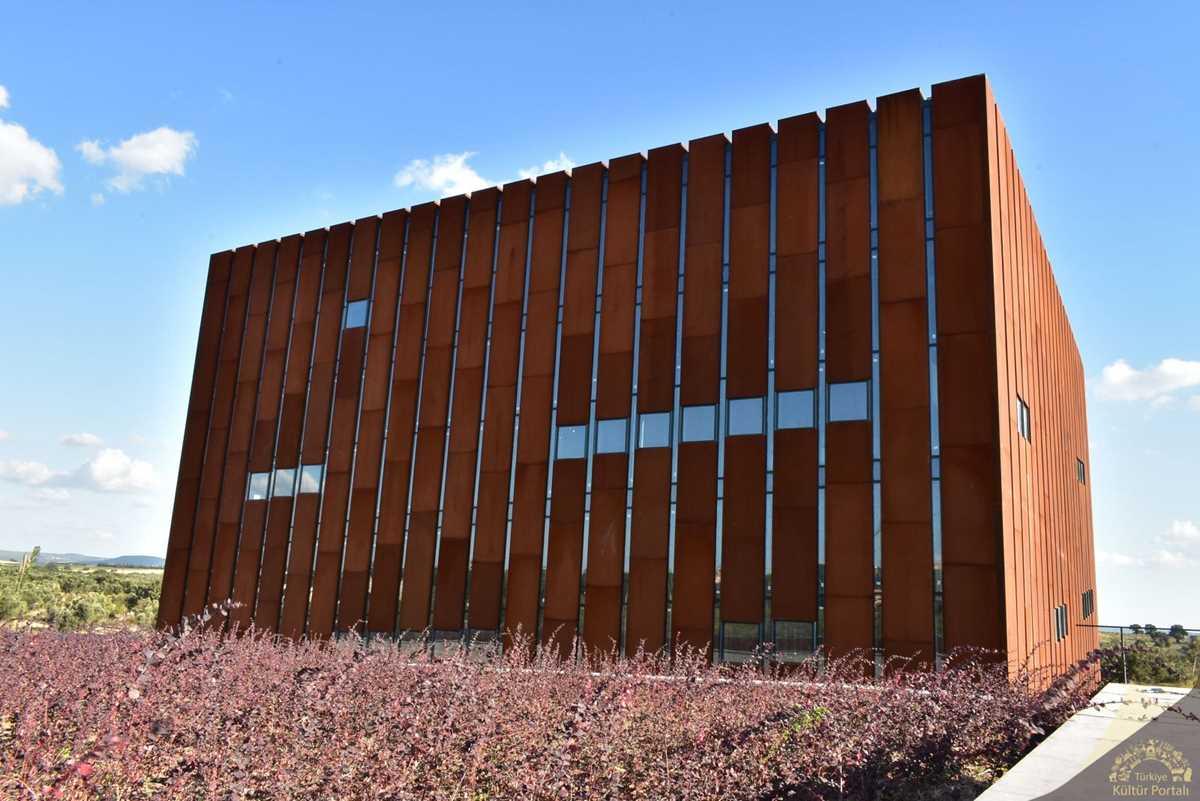
Troy Museum
Located in the village of Tevfikiye in the province of Çanakkale, the Troy Museum is an archaeology museum situated at the entrance of the ancient city of Troy. Opened to visitors in 2018, the museum was constructed following the implementation of a project selected in a national architectural competition launched in 2013. Built on a 100,000-square-meter plot, the museum has an indoor area of 11,200 square meters and embraces a contemporary museology approach. The museum building is characterize
EN
Sinem Bostan
 Bi
BiBilecik Museum
Bilecik Museum is an archaeology and ethnography museum located in the city center of Bilecik, Türkiye. Housed in a historical building, the museum has served various public functions in the past and now operates under the Ministry of Culture and Tourism. The structure is notable for its architectural history and functional transformation, and it hosts collections that reflect the cultural heritage of the region. History The building that houses the museum was originally constructed in 1794 as a
EN
Meltem Saraç
KrKremna Ancient City
Kremna Ancient City is an ancient city located within the borders of Çamlık Village in the Bucak district of Burdur Province, on a dominant hill overlooking the Aksu (Kestros) Valley. The city lies at an elevation of approximately 1,250 meters, to the west of Boğadiç Mountain, in a rugged and mountainous terrain. It is about 10 kilometers from the Bucak district center and 60 kilometers from Burdur city center. Kremna Ancient City (Türkiye Kültür Portalı) " image-element-format="justify" image-
EN
Melike Saraç
DoDonuktaş Roman Temple
Donuktaş is a monumental Roman-era temple structure located in the modern city of Tarsus. Commonly referred to by locals as “Donuktaş” (meaning “Frozen Stone”) or “Dönüktaş”, it is considered one of the largest religious buildings in the region. Today, access to the temple is quite limited due to irregular urban development and surrounding modern constructions. Donuktaş Roman Temple (T.C. Tarsus Kaymakamlığı) " image-element-format="justify" image-source="https://cdn.t3pedia.org/media/uploads/20
ENMelike Saraç