

`cultural-heritage` Related Article Results
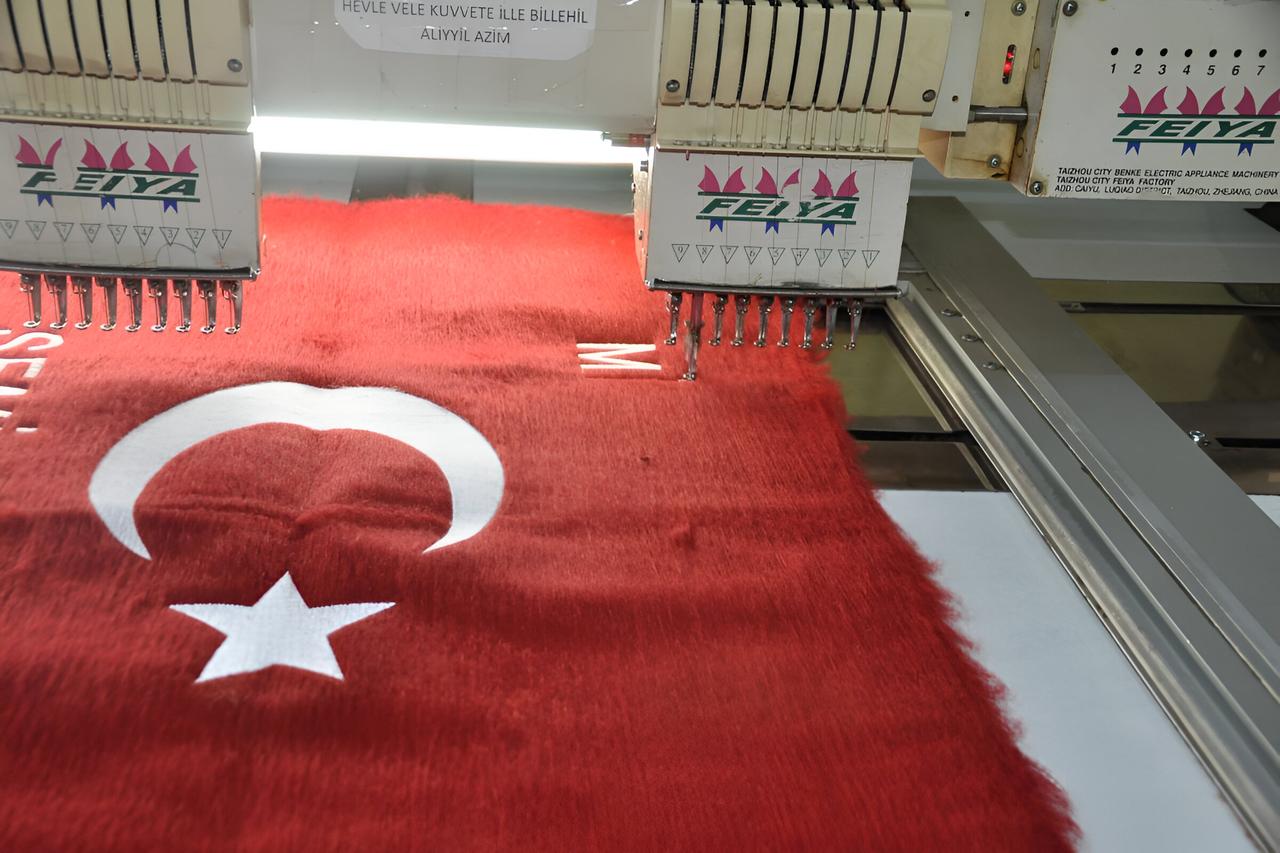
Siirt Blanket
Siirt Blanket is a traditional handcraft product woven on handlooms using the fleece of tiftik goats native to Siirt province in Türkiye. These blankets, with a history spanning over a century, hold a significant place in the people culture and have been passed down from generation to generation until the present day. Noted for both their functionality and aesthetic value, Siirt blankets are more than just a means of warmth; they also stand out as a cultural heritage and a popular gift item. Sii
EN
Muhammed Samed Acar
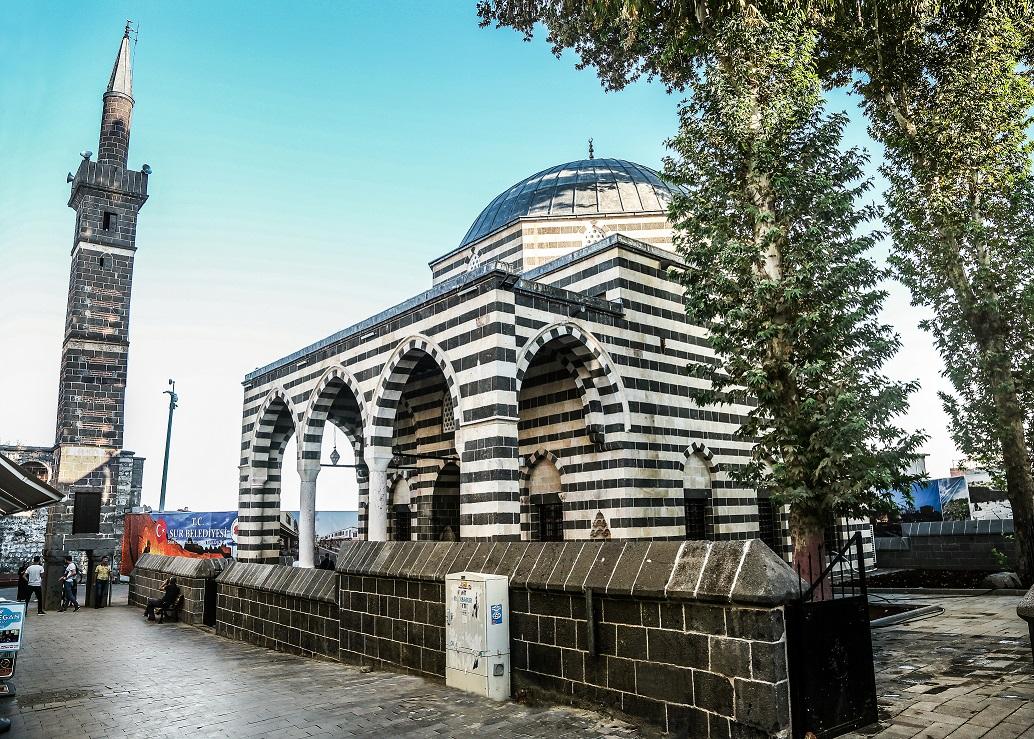
Sheikh Mutahhar (Four-Legged Minaret) Camii
Sheikh Mutahhar Mosque is one of Diyarbakır’s most monumental structures, built in 1500 (Hijri 906) by Akkoyunlu ruler Sultan November Bey. According to the inscription on the mosque’s minaret, it was constructed during the reign of Sultan Kasım Inn through the efforts of Hacı Omar Oğlu Hüseyin. The mosque is also known as "Şeyh Matar Mosque" between people due to the presence of the tomb of Şeyh Mutahhar on the site where it was built. However, its primary fame derives from its minaret, which r
EN
Mehmet Tahir Özbey
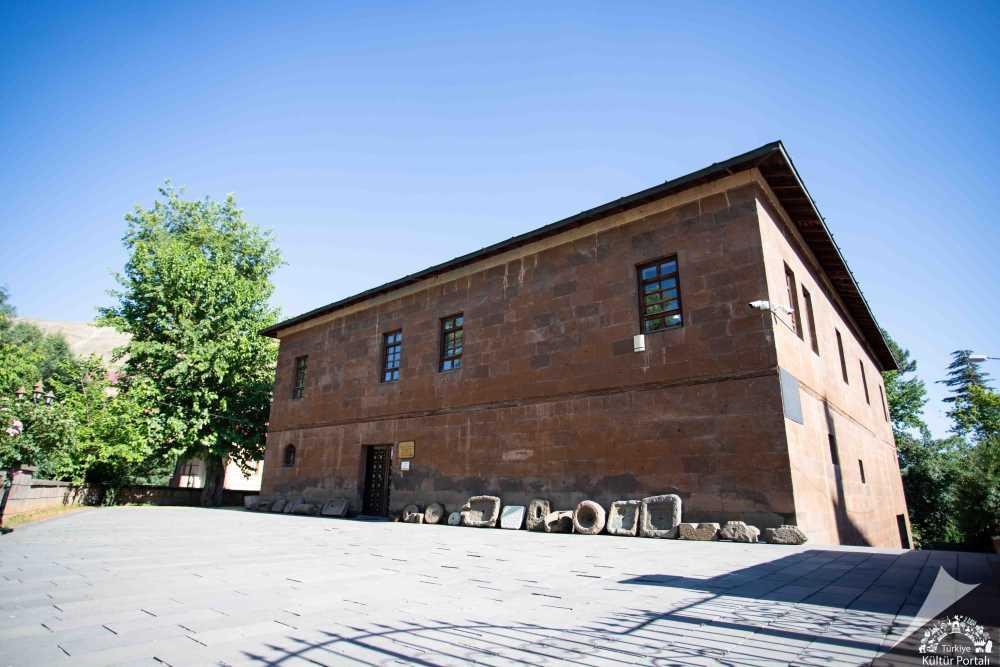
Bitlis Ethnography Museum
Bitlis Ethnography Museum is located in the center of Bitlis city and operates as a unit under the Ahlat Museum Directorate. The museum was opened to the public on 13 September 2005 with the aim of preserving and promoting the region’s historical and cultural heritage. Bitlis Ethnography Museum(Archaeology House Art Publications) " image-alternate="" image-element-format="right"> Historical Building and Architectural Features The building used as a museum previously served as the Governor Man
EN
Asiye Tan
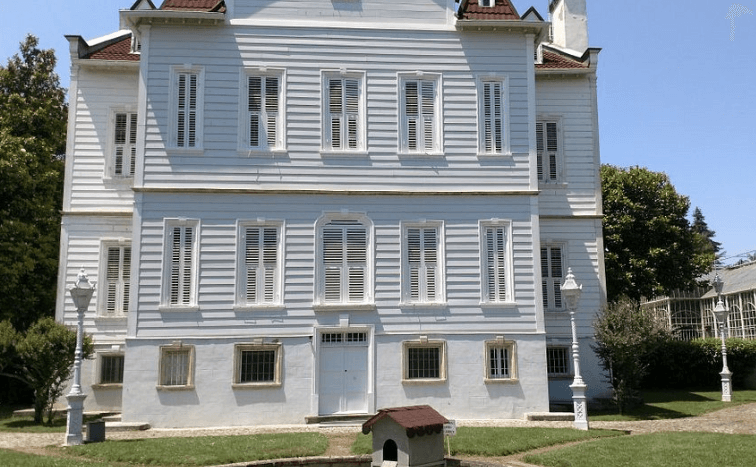
Maslak Kasırları
The Maslak Palaces, located in the Maslak neighborhood of the Sarıyer district in the northern region of Istanbul, are a historical complex representing one of the late Ottoman palace architectural examples. Situated within a forested area of approximately 170,000 square meters, the Maslak Palaces consist of the Kasr-ı Hümâyûn, Mâbeyn-i Hümâyûn, Seyir Köşkü, Limonluk, a bathhouse, the Ağalar Dairesi, a kitchen, and a greenhouse. They served as a residence during both the princehood and sultanate
EN
Ahsen Güneş
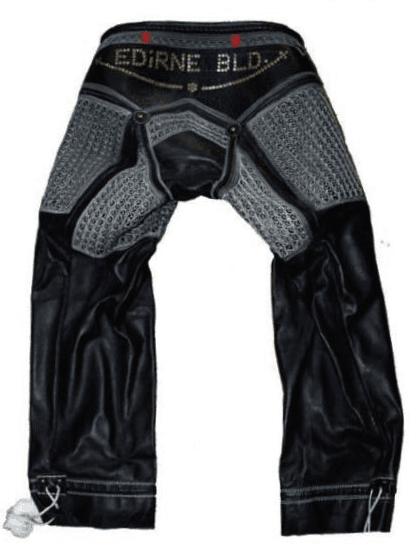
Kıspetçilik
Kıspetçilik, geleneksel Turkish oil wrestling is a craft profession focused on the production of the kıspet worn by wrestlers. The kıspet is a durable and flexible wrestling garment extending from the waist to below the knee, made from buffalo, cattle or male goat leather. As one of the fundamental elements of Turkish wrestling culture, the kıspet has a unique design that allows wrestlers to maintain their mobility while preventing opponents from easily gripping it. The profession of kıspetçilik
EN
Sümeyra Uzun
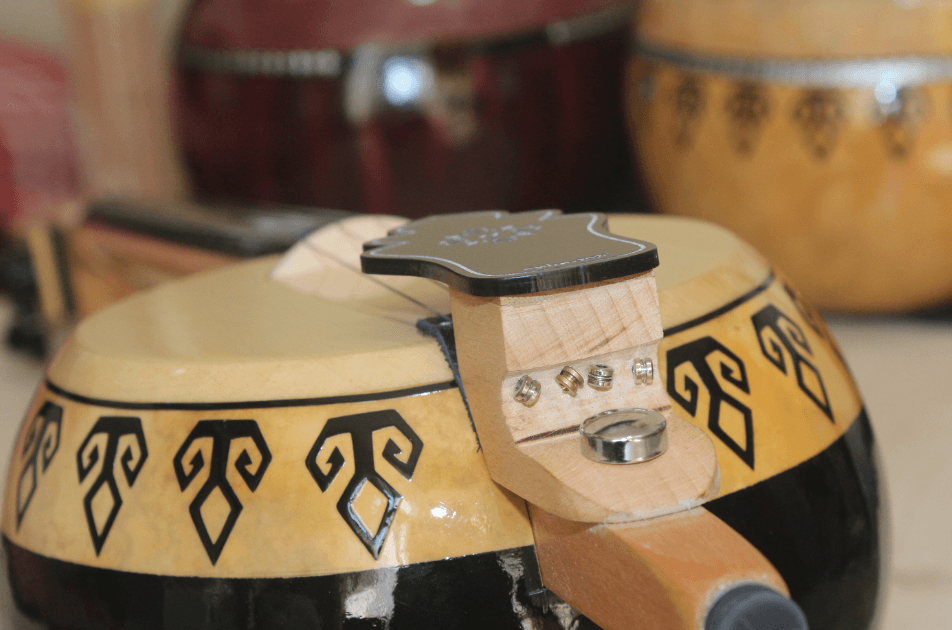
Kabak Kemane
Kabak kemane is a Turkish folk music instrument with a body traditionally made from a gourd, a skin-covered soundboard, and played with a bow. Distinguished among stringed and bowed instruments by its skin covering, this instrument gained widespread popularity in Anatolia, particularly in the western and southwestern regions, and over time evolved from a local instrument into one recognized and performed throughout Türkiye. Image of Kabak Kemane (Visit İzmir) " image-alternate="" image-element-f
EN
İremsu Ümit
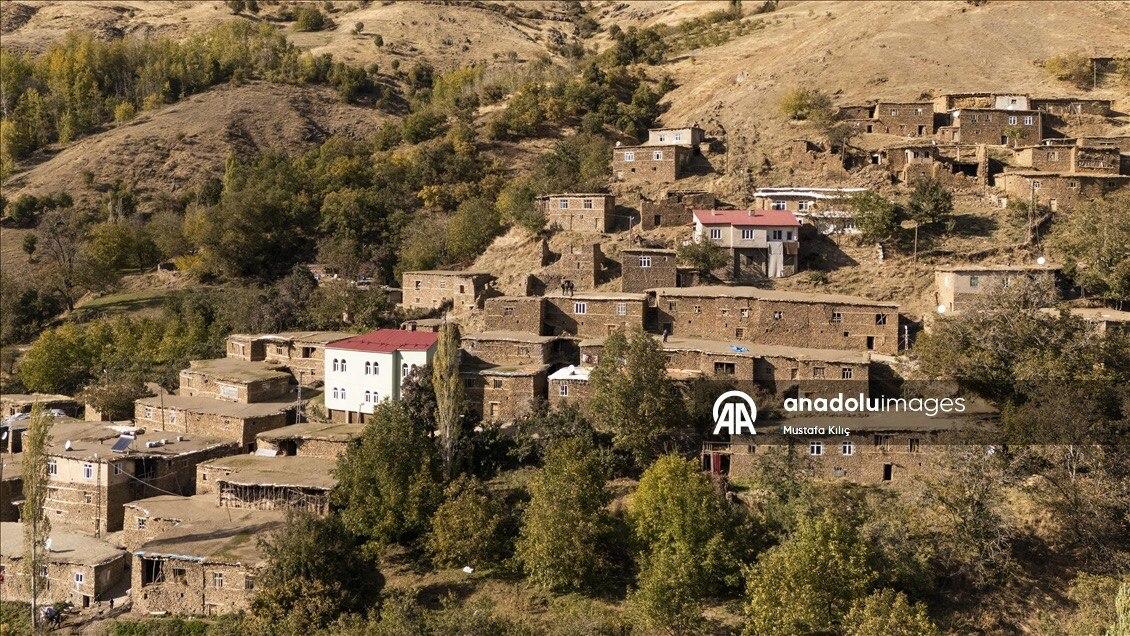
Bitlis Stone Houses
Bitlis Stone Houses are stone-built dwellings located in the rural areas of Hizan district,隶属于 Türkiye’s Bitlis province, particularly in villages such as Koçlu and Uzuntaş, constructed over a historical process. These structures consist of residential buildings made from stone and wood using traditional materials and techniques, and have remained standing for many years while preserving their architectural features. Although their history is estimated to span approximately 300 years, the buildi
EN
Fatmanur Mavibaş
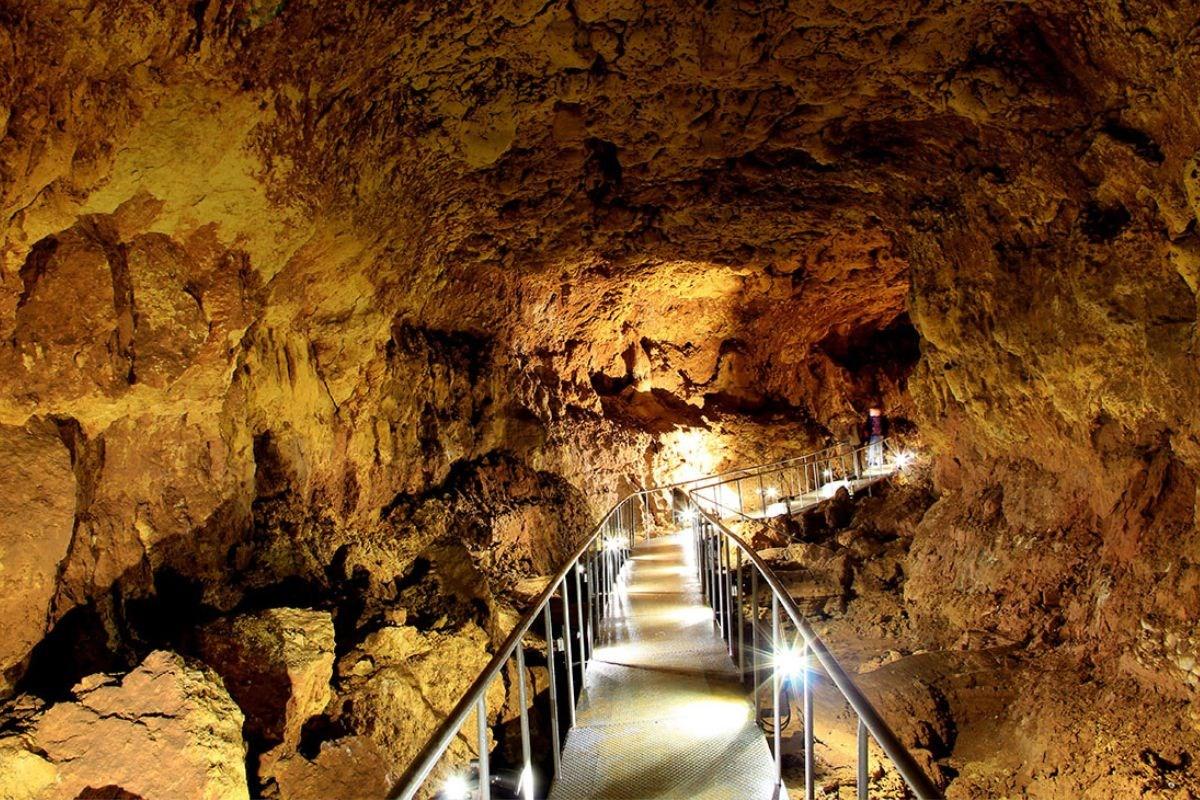
İncesu Cave
İncesu Mağarası is a subterranean formation located within the boundaries of Karaman in Türkiye’s Central Anatolia Region, notable for its natural features and developed tourist infrastructure. The cave was formed over millions of years through the erosion of limestone by underground water and exhibits natural speleothems such as stalactites, stalagmites, and columns, giving it the status of a natural heritage site. İncesu Mağarası (AA) " image-alternate="" image-element-format="right"> Geogr
EN
Beyza Başar

Kimchi
Kimchi is one of the most iconic dishes of Korean cuisine. This traditional dish, made from fermented vegetables, is typically prepared using napa cabbage and turnip like ingredients. It is enriched with garlic, ginger, chili powder (gochugaru), fish sauce, and green onion to create a strong aroma and sharp flavor. Kimchi is not merely a garnish but is also regarded as a nutritional powerhouse and is served at nearly every meal in Korean cuisine. History The origins of kimchi extend back to Kore
EN
Doğan Eşkinat
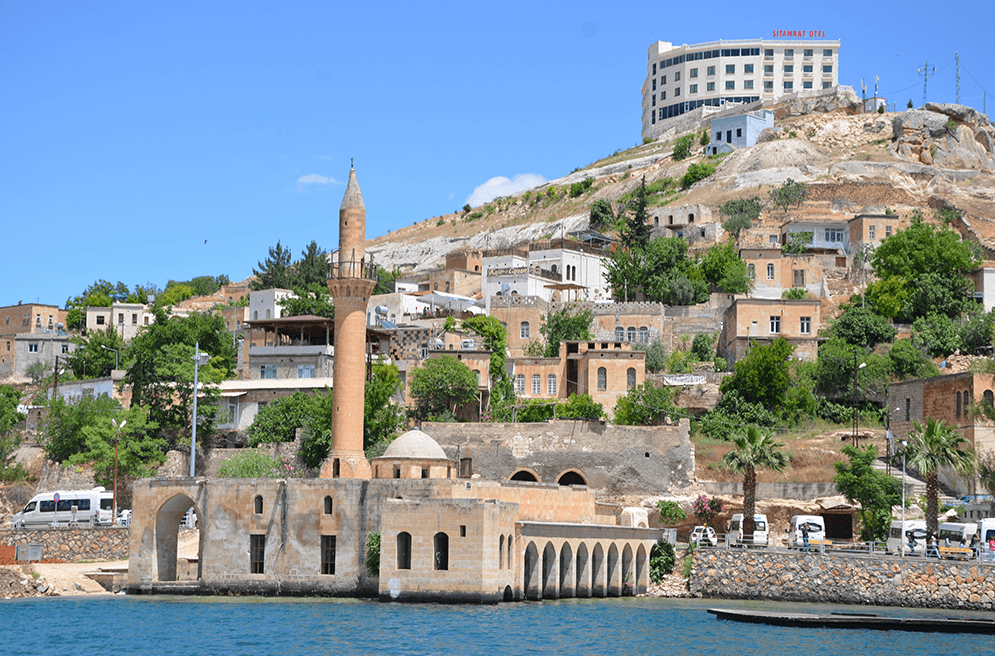
Halfeti (District)
Halfeti is a district in southeastern Türkiye,隶属于 Şanlıurfa Province, known for its historical and natural richness. Located along the Euphrates River, Halfeti has become a tourist destination due to its geographical position and cultural heritage. With the completion of the Birecik Dam in 2000, a large part of the district was submerged, leading to significant changes in the region’s settlement patterns and economic structure. Following this development, Halfeti was divided into “Old Halfeti” a
EN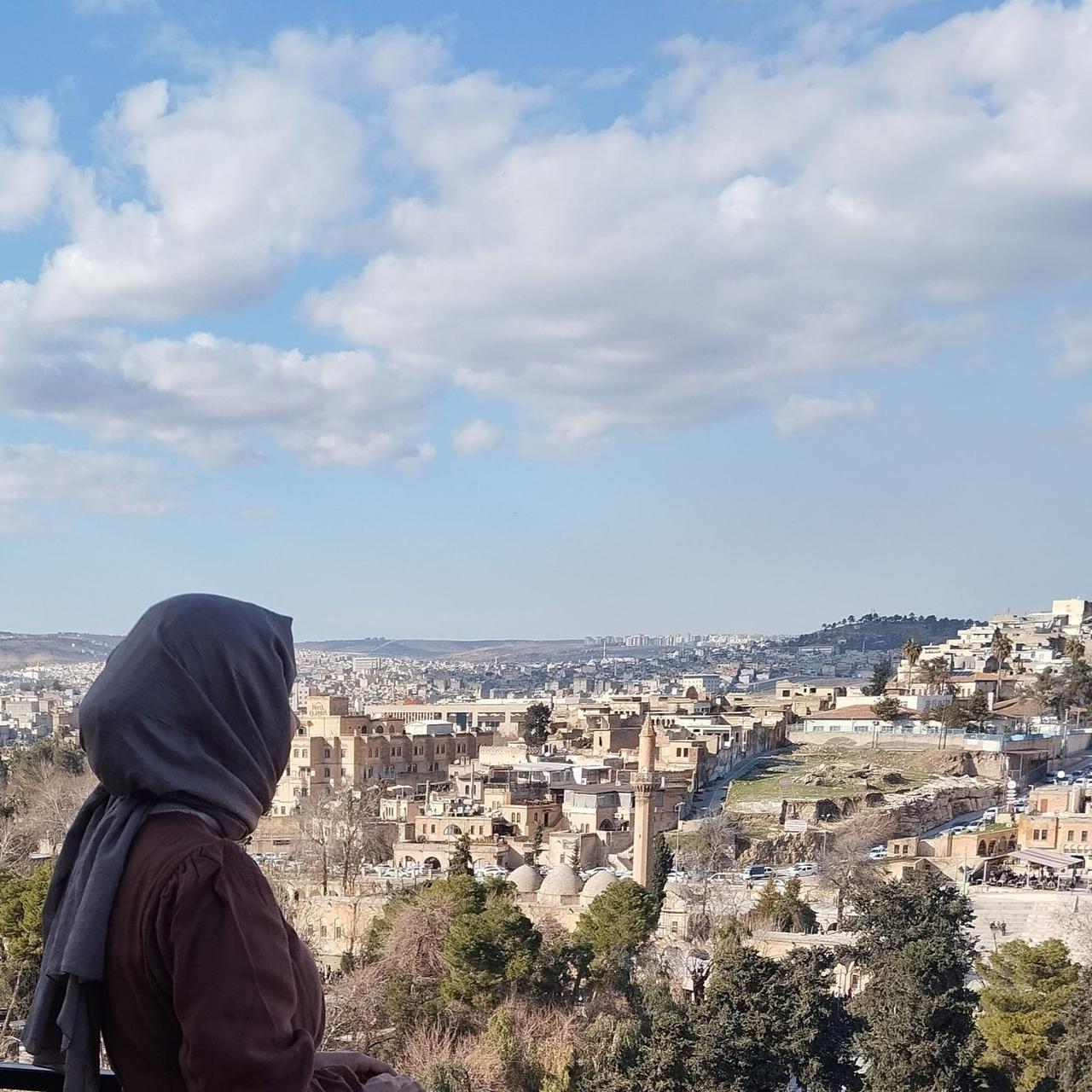
Sevgi Kıraç