

`museology` Related Article Results
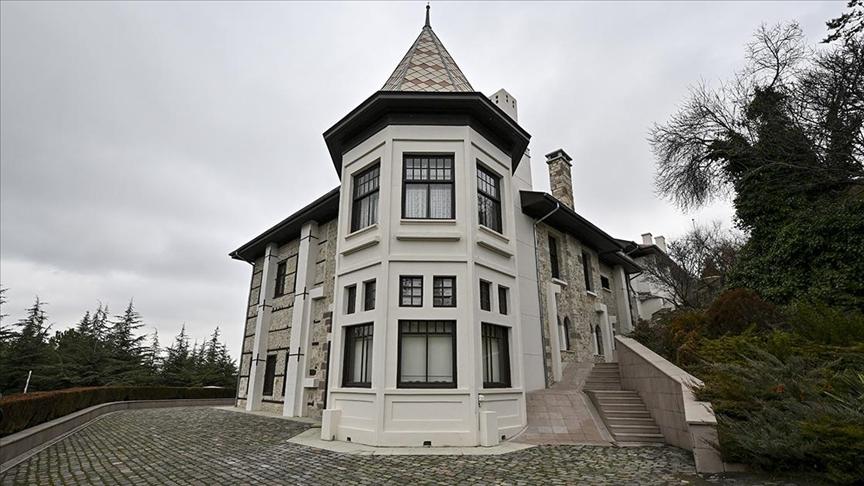
Atatürk Museum Pavilion
The Atatürk Museum House is located within the Çankaya Campus of the Presidency in Ankara. It was used by Mustafa Kemal Atatürk as both a residence and a workplace between 1921 and 1932. This house served as the official residence of Gazi Mustafa Kemal until his move to the Pink House and hosted significant developments during the War of Independence and the early years of the Republic. In 1950 it was converted into a museum and opened to the public. Origin and Structural Development of the Hous
EN
Ahsen Güneş
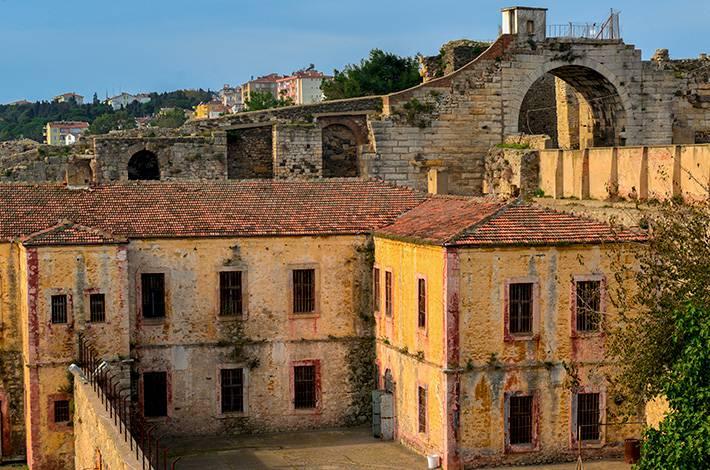
Sinop Historical Prison
Sinop Historical Prison is an important prison located within the walls of the fortress in Sinop, one of the oldest settlement sites on the Black Sea, and holds a special place on Turkey’s cultural heritage list as one of the country’s historic structures. Built during the Ottoman Empire in 1887, the prison served as one of Turkey’s most secure penitentiaries until 1999. Today, it is open to visitors as a museum. Historical and Architectural Structure The prison was constructed within the fortre
EN
Melda Kabak
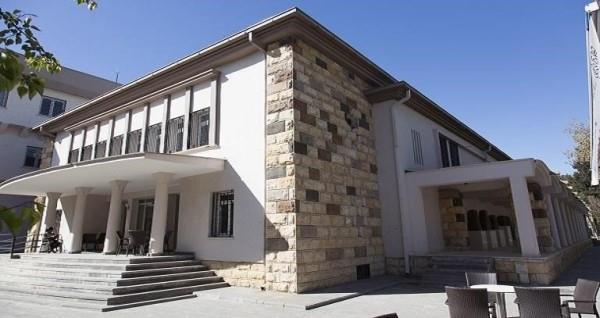
Gaziantep Archaeology Museum
Gaziantep Archaeology Museum is one of the most important archaeological centers in Southeastern Anatolia. It attracts attention with its rich collection spanning a broad chronological range from the Paleolithic period to the Roman and Byzantine eras. The museum systematically displays artifacts obtained from mounds and excavations in the region, presenting the development of Anatolian civilizations in a chronological order. Foundation and History Museum activities in Gaziantep began in 1944. Th
EN
Meryem Şentürk Çoban
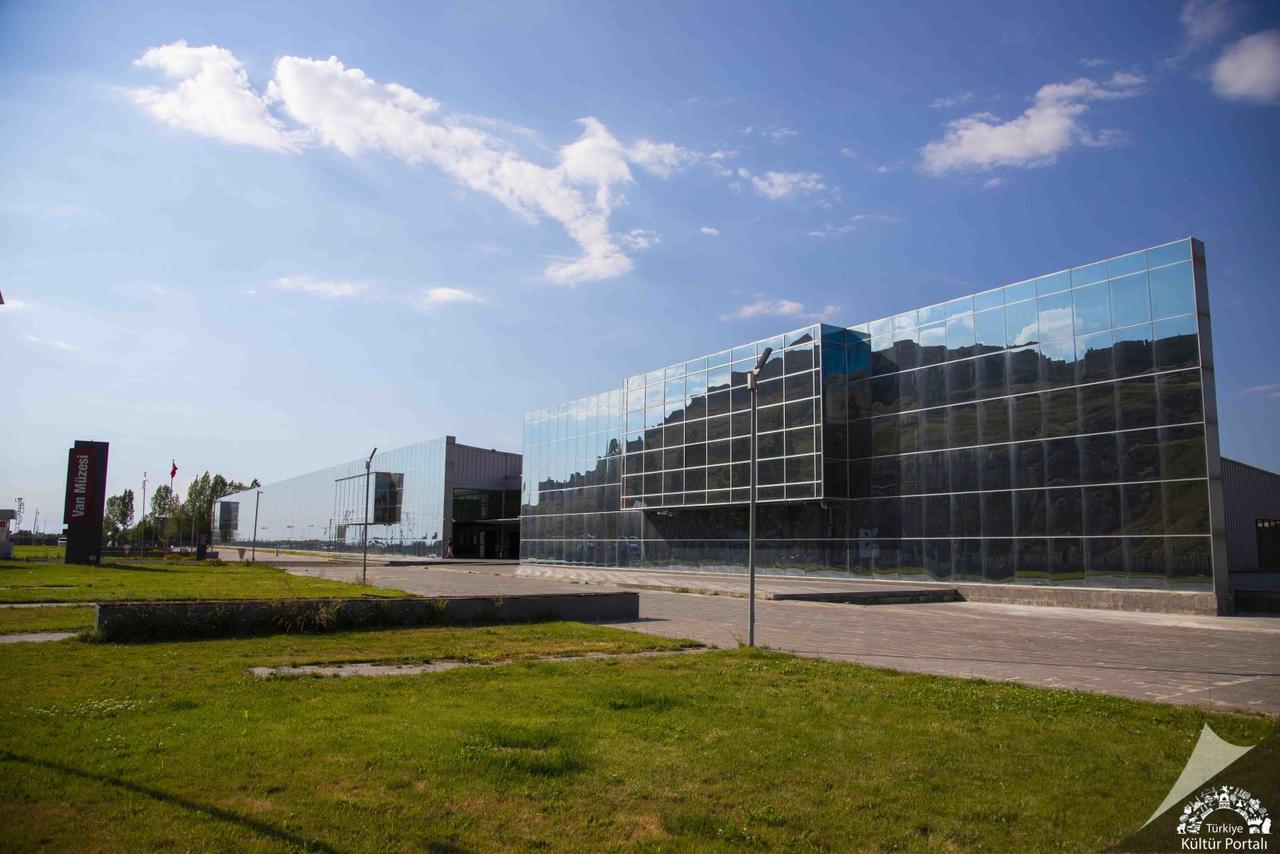
Van Museum
Van Museum is not merely a local exhibition space; it is a global center of science and culture specializing in Urartian archaeology and the history of Eastern Anatolia. The museum’s depth stems from its collection of over 42,000 artifacts, its chronological continuity spanning from the Paleolithic Age to the Ottoman period, and its housing of some of the world’s most exquisite examples of Urartian metalwork. Institutional Development and Architectural Structure The museum’s foundations were lai
EN
Helin ciftsüren
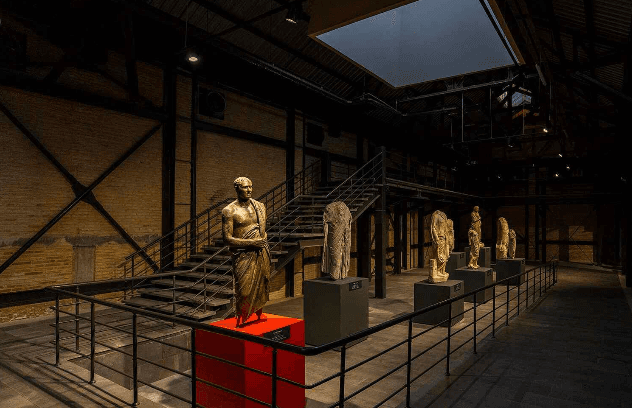
Adana Archaeology Museum
Adana Archaeology Museum was established in 1924 shortly after the proclamation of the Republic and is one of Türkiye’s oldest ten museums. The museum’s foundations were laid with the collection of nearby column capitals and sarcophagi displayed in the Adana Police Department building. Its development began after Halil Kamil Bey was appointed as its first director. In 1928 it was opened to the public in the madrasa section of the Cafer Paşa Camii, located at the head of Taşköprü and now demolish
EN
Ahsen Güneş
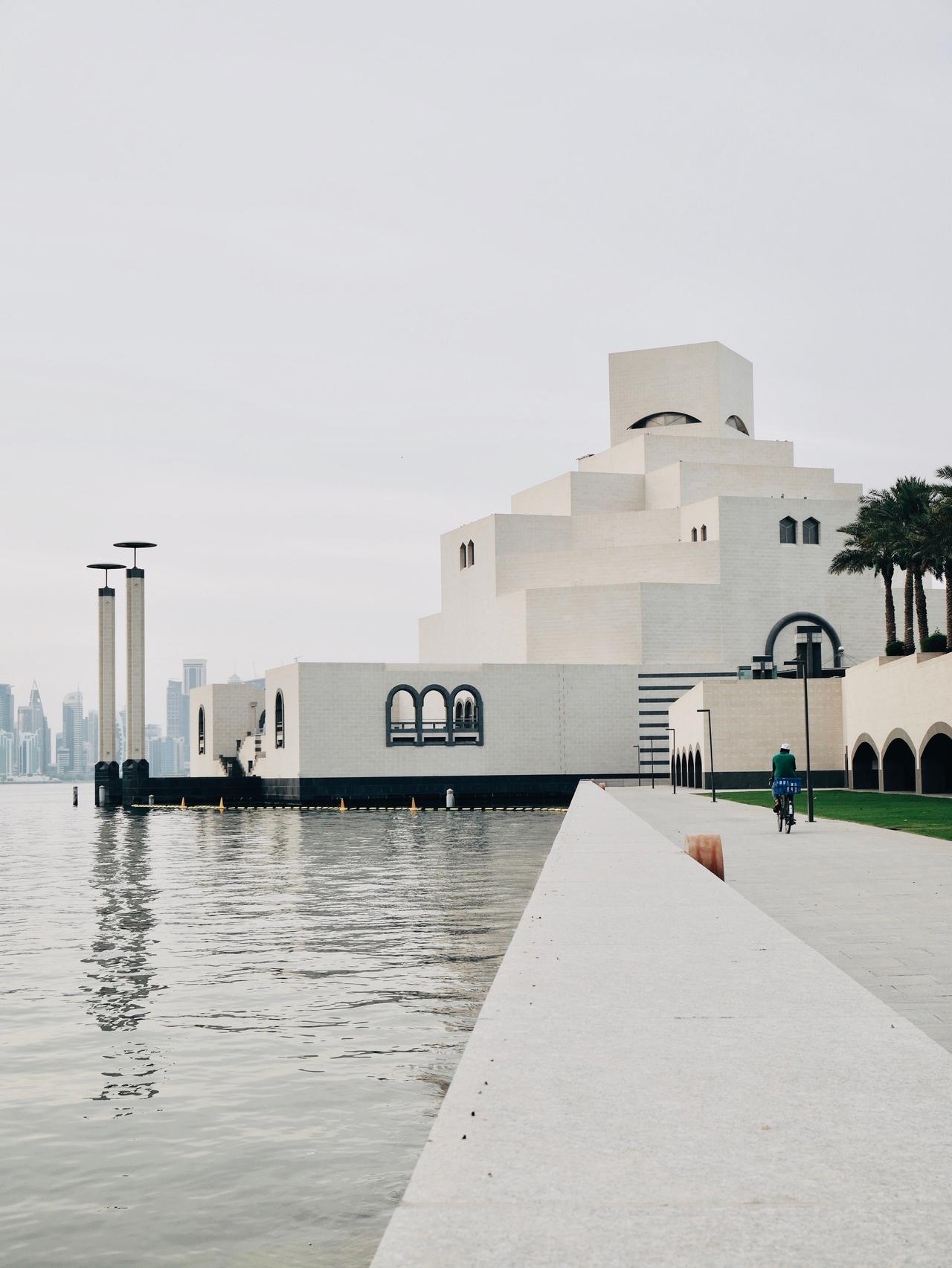
Museum of Islamic Art (Doha)
Museum of Islamic Art, located in Doha, Qatar, is a museum dedicated to preserving, exhibiting, researching, and making accessible to the public artworks of Islamic art spanning from the 7th to the 20th century. The museum houses one of the world’s most comprehensive collections of Islamic art, including manuscripts, ceramics, metalwork, woodwork, textiles, jewelry, glassware, coins, and precious stones. Among the first projects undertaken by Qatar Museums, the museum was designed by Chinese-Ame
EN
mesude zor
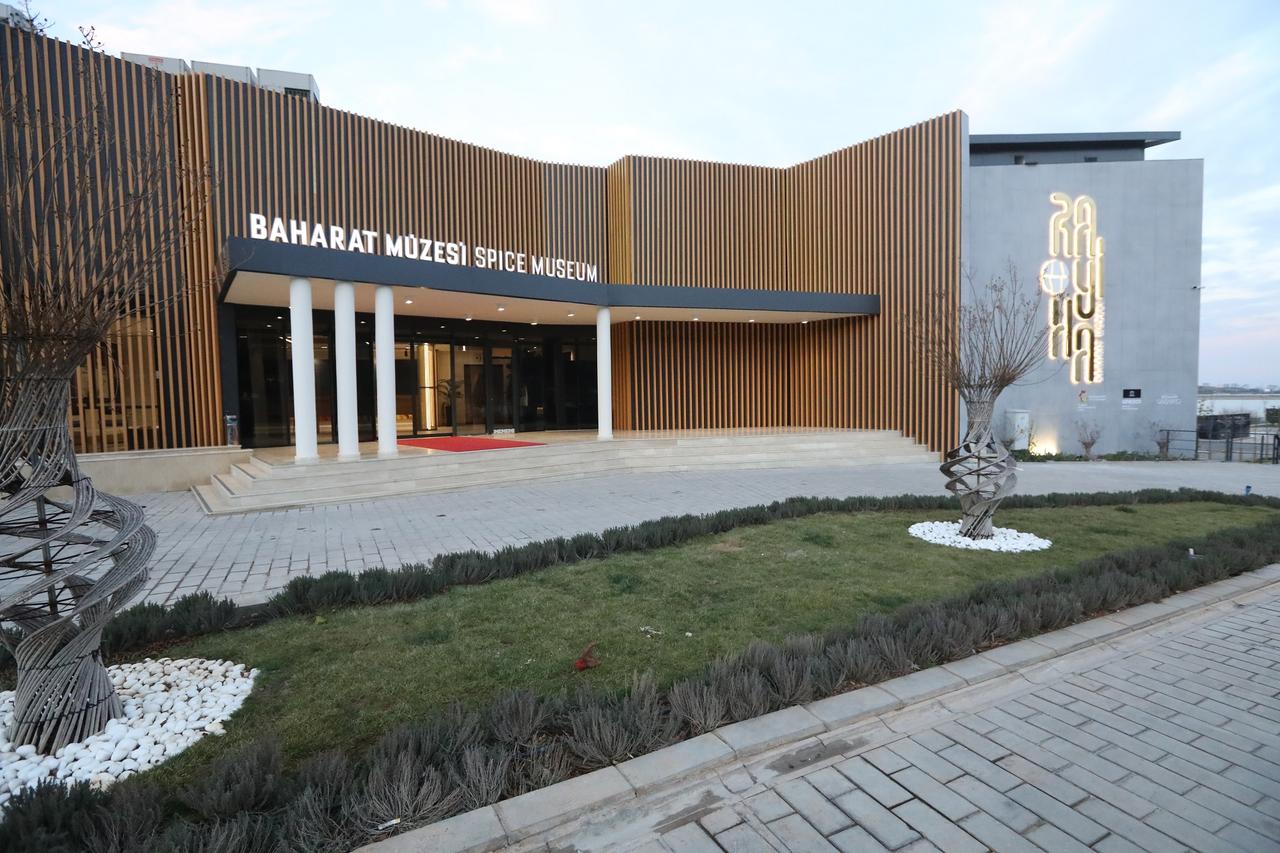
Rayiha Spice Museum
The Rayiha Spice Museum is a thematic museum established in Gaziantep to introduce, preserve, and present the culture of spices to visitors through an experiential museum approach. The museum serves by integrating the historical, cultural, and gastronomic dimensions of spices in its exhibitions. Foundation and Purpose The museum was founded to introduce Gaziantep’s spice culture, preserve its traditional knowledge, and support gastronomy tourism. It also aims to convey to visitors the historical
EN
Berna Çamur
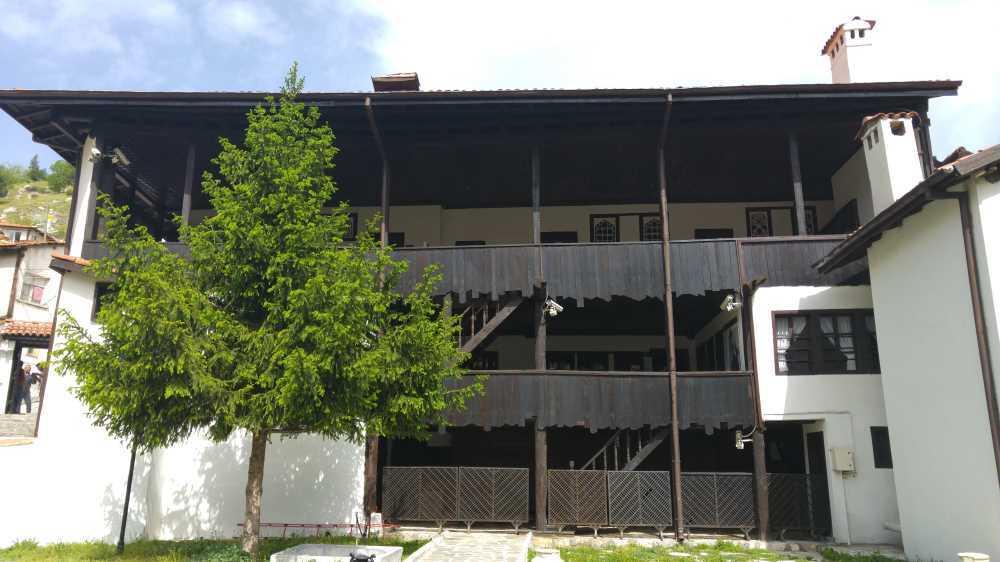
Kossuth House Museum
Kossuth House Museum is a historic house museum located in the Kütahya province of Türkiye, reflecting 18th-century civil architectural features. It served as the residence of Lajos Kossuth, the national hero of Hungary, during his period of exile and now functions as a symbol of Turkish-Hungarian friendship. Known locally as the "Hungarian House," the structure is recognized as one of the most significant cultural assets representing Kütahya’s history and its place in international diplomacy. H
EN
Yazgül Bulut
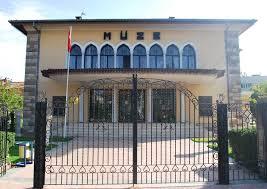
Isparta Yalvaç Museum
Isparta’s Yalvaç district is home to the Yalvaç Museum, which, like a treasure chest, preserves and displays objects left behind by people who lived thousands of years ago. Have you ever wondered how people lived in ancient times? This museum is an important place where you can find answers to such questions. It houses particularly valuable artifacts from the nearby great ancient city of Pisidia Antiocheia and other sites. Isparta Yalvaç Museum (Kültür Portal) " image-element-format="right" imag
EN
Nida Üstün
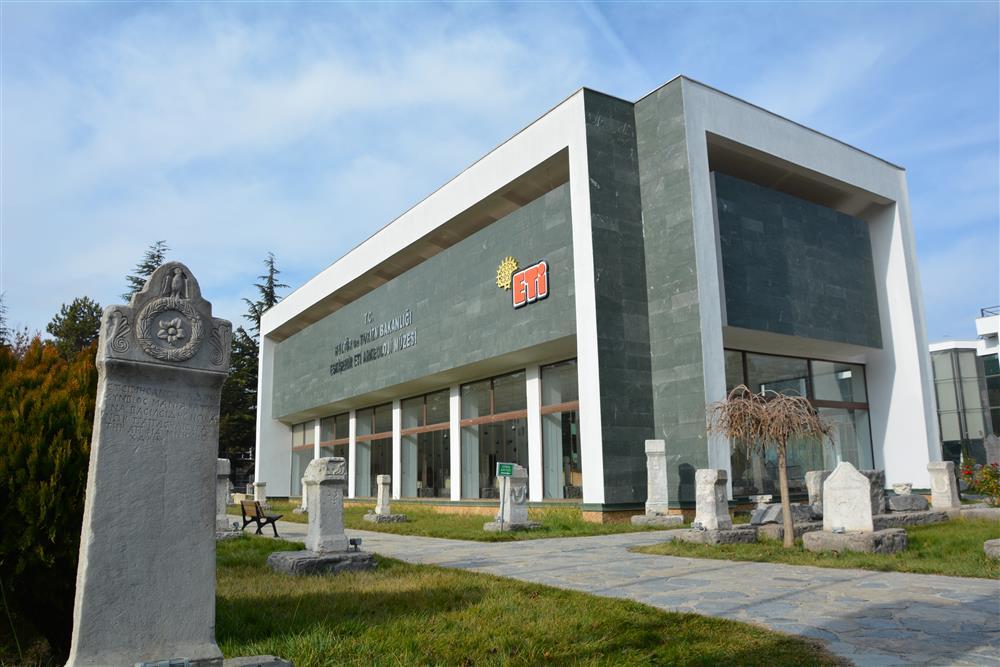
Eskişehir Eti Archaeology Museum
Eskişehir Eti Archaeology Museum is a cultural institution established to preserve, display and scientifically document the cultural heritage of the region spanning a broad historical spectrum from the Neolithic Age to the end of the Ottoman period. It holds a unique place in the history of Turkish museology as the first museum in Türkiye constructed with private sector funding and donated to the state. Founding History and Development The origins of museum activities in Eskişehir date back to t
EN
Bahtiyar Bora ERGÜN