This article was automatically translated from the original Turkish version.
Purpose | to preserve and transmit to future generations To introduce the historical and cultural heritage of Antep cheese | ||||||||
|---|---|---|---|---|---|---|---|---|---|
Location | Gaziantep, Şahinbey | ||||||||
Origin of Name | The word "udma" in Kâşgarlı Mahmud's work Divânu Lügati’t-Türk | ||||||||
Featured Elements | Antep cheese, traditional cheese production, cheese models, reenactments, exhibition areas | ||||||||
Theme | Cheese culture and gastronomy | ||||||||
Opening Date(s) | 15 September 2022 | ||||||||
Building Type | Restored historical double bath | ||||||||
UDMA Cheese Museum is a thematic museum located in the Şahinbey district of Gaziantep. It was established through the restoration of a historical building known as one of Gaziantep’s oldest double baths and opened to the public on 15 September 2022. The museum is part of the gastronomy and culture projects initiated by the Gaziantep Metropolitan Municipality.
Udma Peynir Müzesi (Okul Dışı Öğrenme Ortamları)
The museum’s name derives from the word “udma,” found in Kâşgarlı Mahmud’s 11th-century work Divânu Lügati’t-Türk. In this context, the term “udma” refers to the process of “putting milk to sleep” rather than fermenting it. This concept, closely associated with cheese production, was chosen as the museum’s name.【1】
UDMA Cheese Museum was established to introduce the historical background production methods and cultural significance of Antep cheese. The museum aims to preserve traditional cheese-making knowledge and transmit it to future generations.
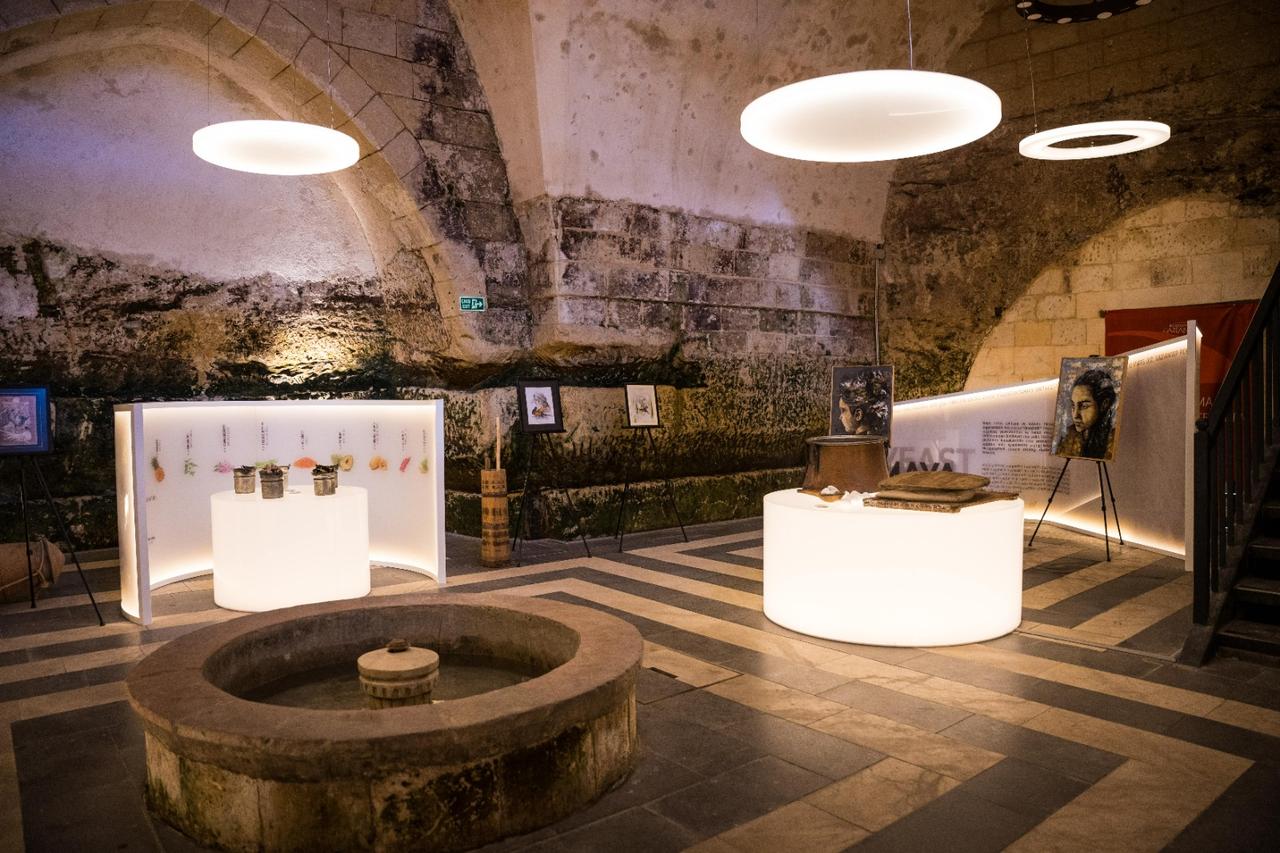
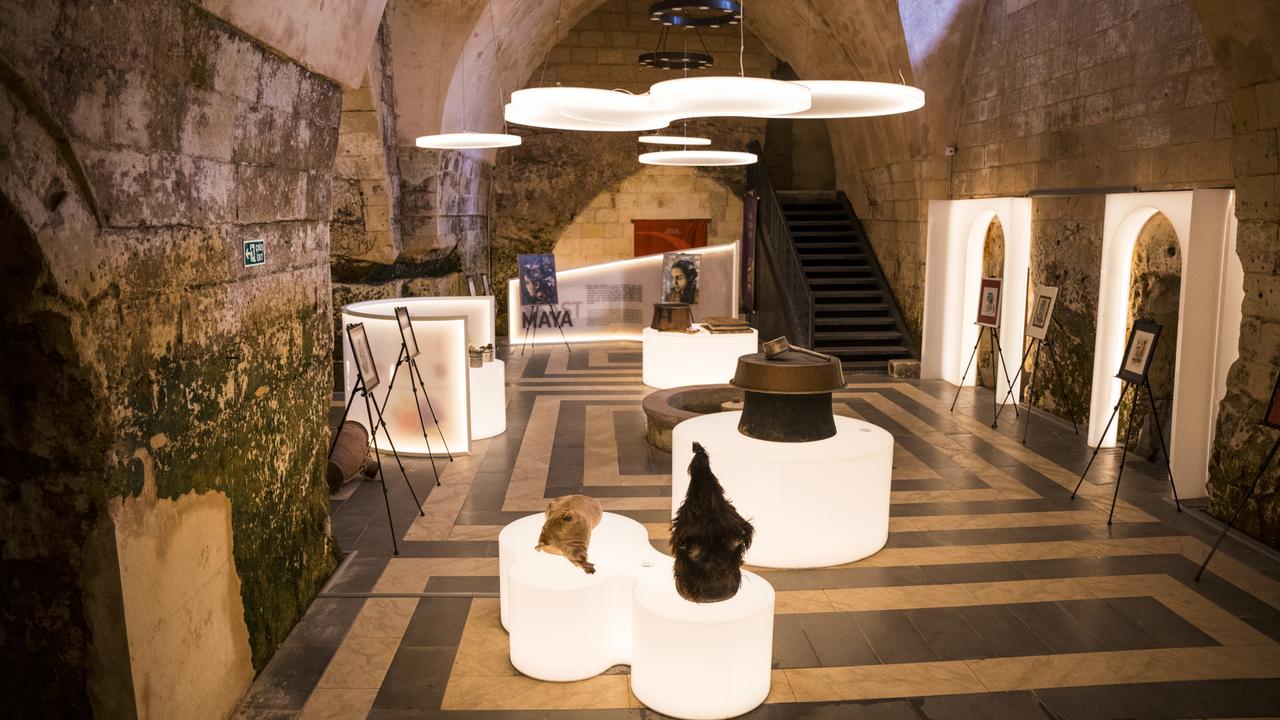
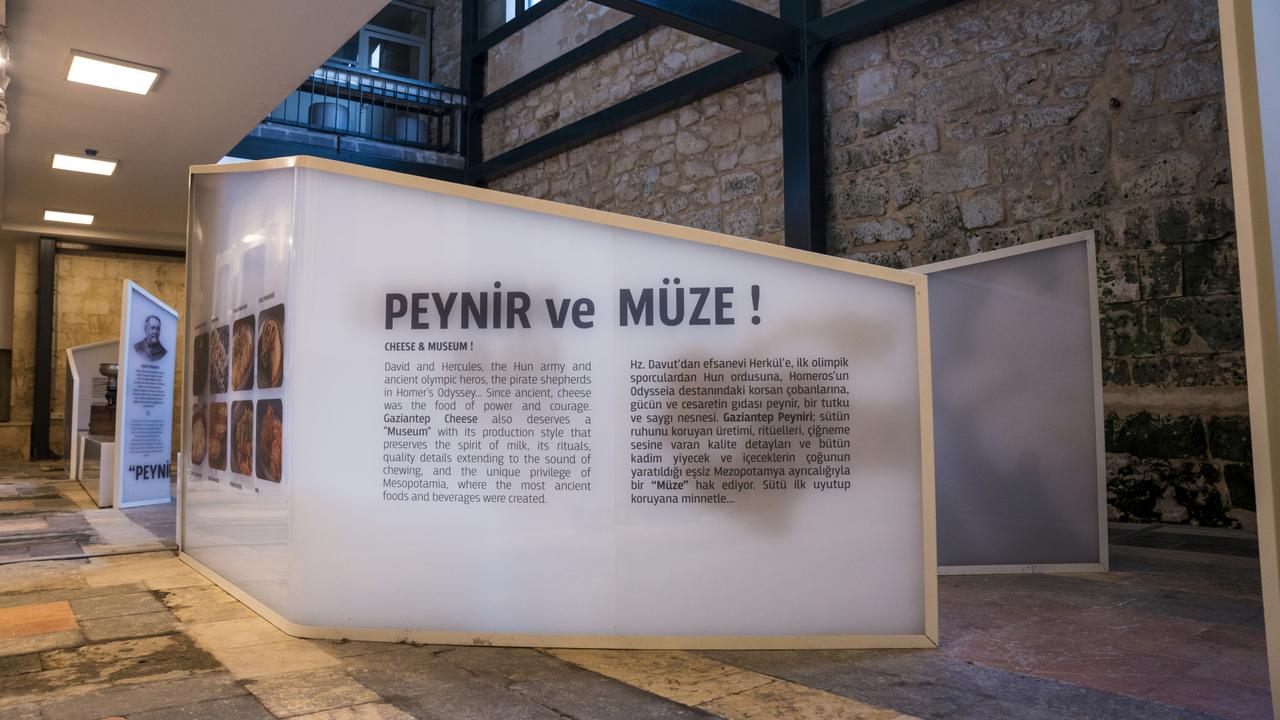
The museum features various exhibition areas that illustrate the stages of Antep cheese production. These areas display traditional tools and equipment used in cheese making cheese models animations and visual presentations. Through these exhibits visitors learn about the historical evolution and cultural importance of cheese production.
Udma Peynir Müzesi (Okul Dışı Öğrenme Ortamları)
Workshops held within the museum provide visitors with hands-on experience of traditional cheese-making processes. These activities offer information on the stages of cheese production the methods employed and the journey the product undergoes before reaching the table.
The restaurant within UDMA Cheese Museum offers breakfast items characteristic of Gaziantep cuisine. The menu includes Antep cheese omaç zahter cheese wraps broken baklava pies and various regional delicacies. In the museum’s sales area visitors can purchase local and natural products.
UDMA Cheese Museum is one of the important cultural spaces contributing to the promotion of Gaziantep’s gastronomic heritage. Created through the adaptive reuse of a historical building the museum plays a key role in promoting Antep cheese and enhancing the city’s gastronomic tourism.
Gaziantep Büyükşehir Belediyesi. "Gaziantep Büyükşehir UDMA Peynir Müzesi'nin Açılışını Yaptı." Accessed May 30, 2026.
Gaziantep Büyükşehir Belediyesi. "UDMA Peynir Müzesi ve Restorana Ziyaretçilerden Tam Not." Accessed May 30, 2026.
Gaziantep Kültür Sanat. "UDMA Peynir Müzesi." Accessed May 30, 2026.https://www.gaziantepkultursanat.com/merkez-udma-peynir-muzesi-48
Ministry of National Education. "UDMA Peynir Müzesi."EBA Okul Learning. Accessed May 30, 2026.https://okuldisiogrenme.eba.gov.tr/place-detail/udma-peynir-muzesi-4896
UDMA Peynir Müzesi. "Ana Sayfa." Accessed May 30, 2026.
[1]
UDMA Peynir Müzesi. “Ana Sayfa.” Erişim 30 Mayıs 2026.

Purpose | to preserve and transmit to future generations To introduce the historical and cultural heritage of Antep cheese | ||||||||
|---|---|---|---|---|---|---|---|---|---|
Location | Gaziantep, Şahinbey | ||||||||
Origin of Name | The word "udma" in Kâşgarlı Mahmud's work Divânu Lügati’t-Türk | ||||||||
Featured Elements | Antep cheese, traditional cheese production, cheese models, reenactments, exhibition areas | ||||||||
Theme | Cheese culture and gastronomy | ||||||||
Opening Date(s) | 15 September 2022 | ||||||||
Building Type | Restored historical double bath | ||||||||
Name and Meaning
Purpose
Exhibition Areas and Content
Education and Workshop Programs
Restaurant and Sales Area
Cultural and Touristic Significance