This article was automatically translated from the original Turkish version.
+1 More
Location | Tokat city center Behzat Neighborhood | ||||||||
|---|---|---|---|---|---|---|---|---|---|
Period(s) | 15th century Ottoman Period | ||||||||
Name Etymology | "Takiye" means a place where dervishes reside; the mosque was named accordingly due to this function | ||||||||
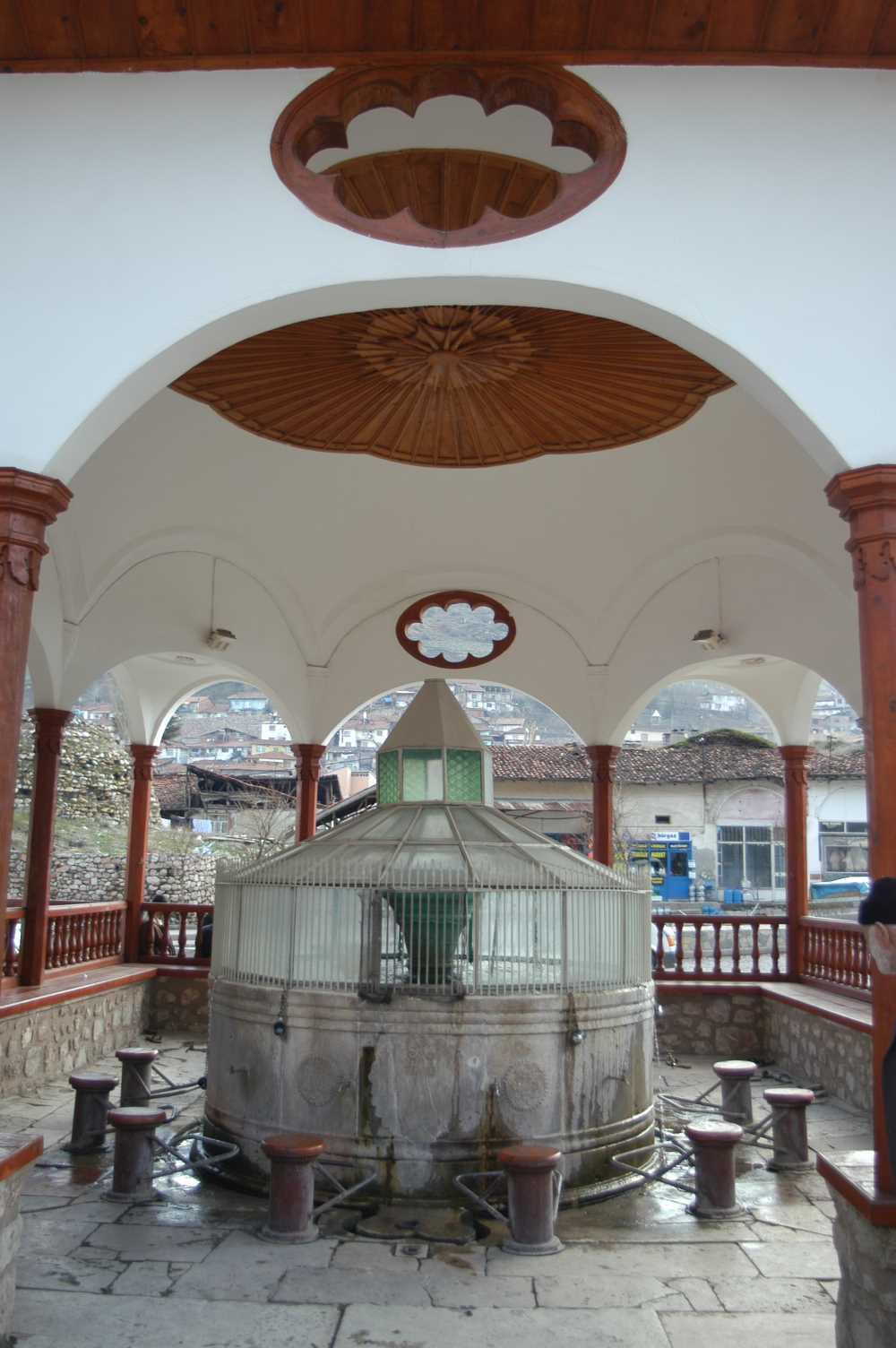
Feature(s) | wooden columned final congregation area material: rubble stone and brick harem Rectangular plan with flat ceiling | ||||||||
Status | The structure is generally preserved and open for worship | ||||||||
Takyeciler Camii is a historical place of worship located in the center of Tokat province, built during the Ottoman period. The mosque holds significance not only for its architectural features but also for its social functions linked to the waqf system and its position within the urban fabric. Takyeciler Camii, as a tangible example of Ottoman urban architecture and social life, has been regarded as both a religious and socio-cultural center.
Although the exact construction date of the mosque is uncertain, Ottoman sources and waqf documents indicate that the building was one of the waqf structures operating in the center of Tokat during the 15th century. The term “takye,” from which the mosque derives its name, generally refers to small structures within Sufi establishments where dervishes resided and worshipped. In this context, Takyeciler Camii is believed to have emerged as a place of worship associated with Sufi activities in Tokat.
As a structure serving within the Ottoman waqf system, the mosque was supported by various income-generating assets. Waqf revenues enabled the maintenance of the mosque and the provision of services to those in need. Archival records show that income from properties owned by the mosque waqf was used to cover personnel expenses and occasionally to finance repair works.
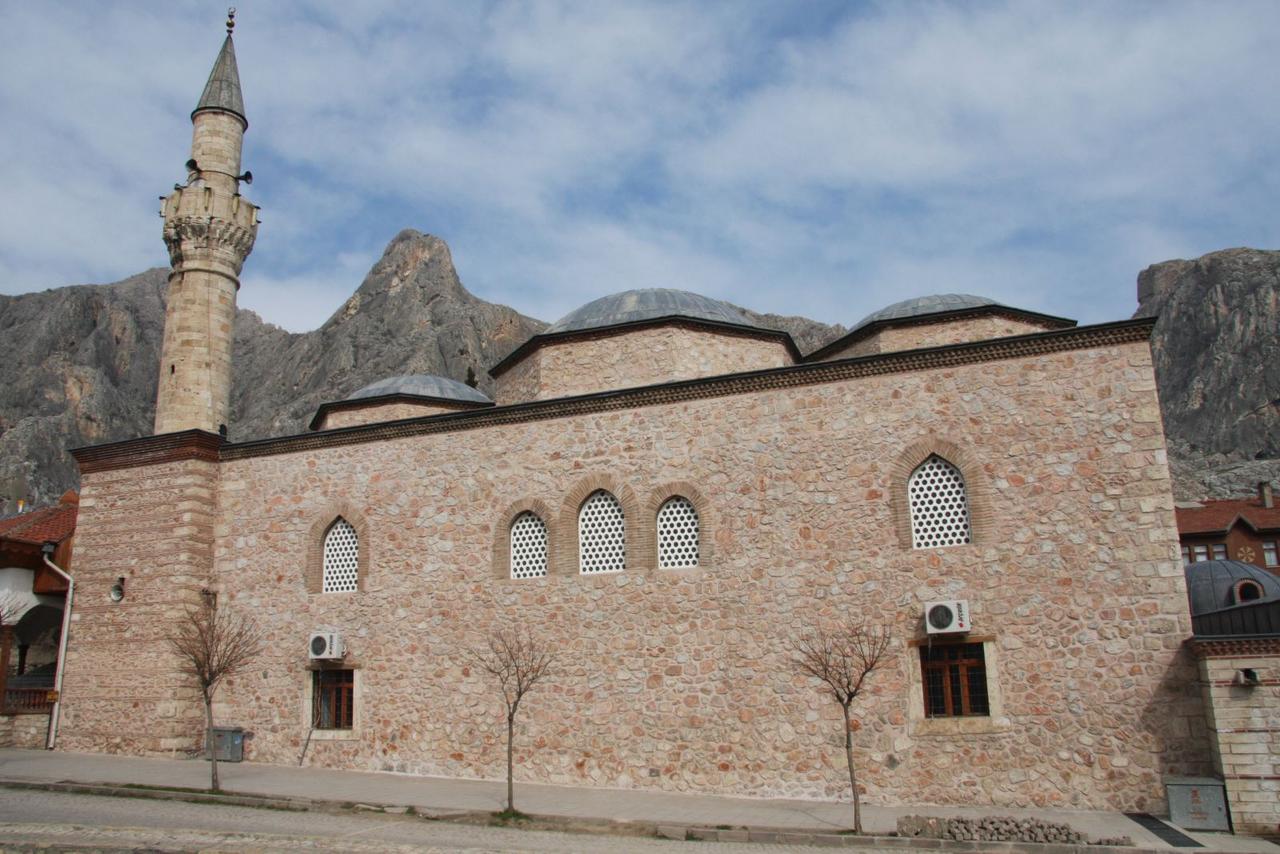
Takyeciler Camii (Culture Portal)
Takyeciler Camii is a simple yet functional structure exhibiting the architectural characteristics of Ottoman classical period provincial mosques. Its plan consists of a rectangular harim (main prayer hall) and a final congregation area. The building is constructed using cut stone and brick. The harim is covered by a single dome and features a modest mihrab and minbar arrangement.
The final congregation area on the northern facade is defined by pointed arch openings. Examples of stone masonry can be found above the entrance door and window openings. The minaret was added later and has a square base with a cylindrical shaft. Interior wooden elements were used sparingly, primarily in the construction of the mahfil gallery.
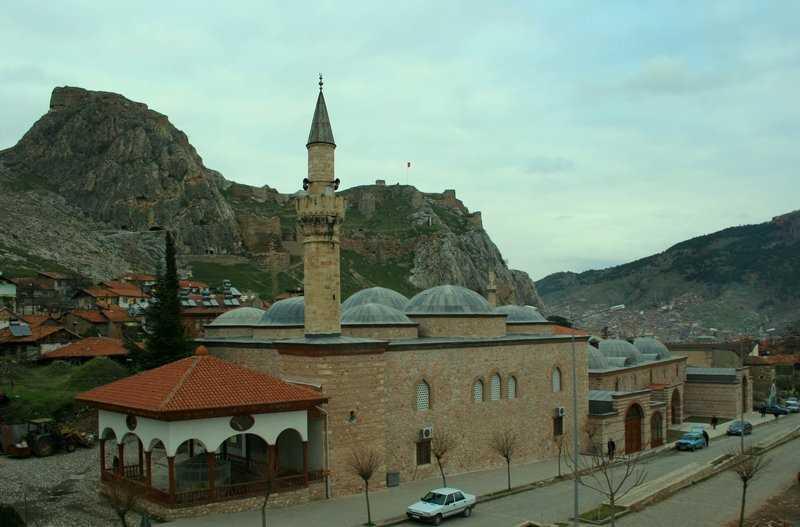
Takyeciler Camii (Culture Portal)
Takyeciler Camii operated as an integral part of the Ottoman waqf tradition. Various immovable properties—such as fields, gardens, and shops—were endowed to meet the mosque’s needs. Income generated from these properties funded the salaries of mosque personnel and covered maintenance and repair costs. Archival records list mosque staff including the imam, muezzin, and kayyım, demonstrating that the mosque functioned as a regularly active place of worship. The waqf system also facilitated social solidarity in the region, with the mosque waqf playing a key role in organizing charitable services such as aid to the poor and hospitality for travelers.
Takyeciler Camii continues to function as an active mosque open for worship today. The structure has been officially registered as a cultural heritage site under the responsibility of the Ministry of Culture and Tourism and is protected. Due to its location in the center of Tokat, the mosque remains accessible to both the local population and visitors.
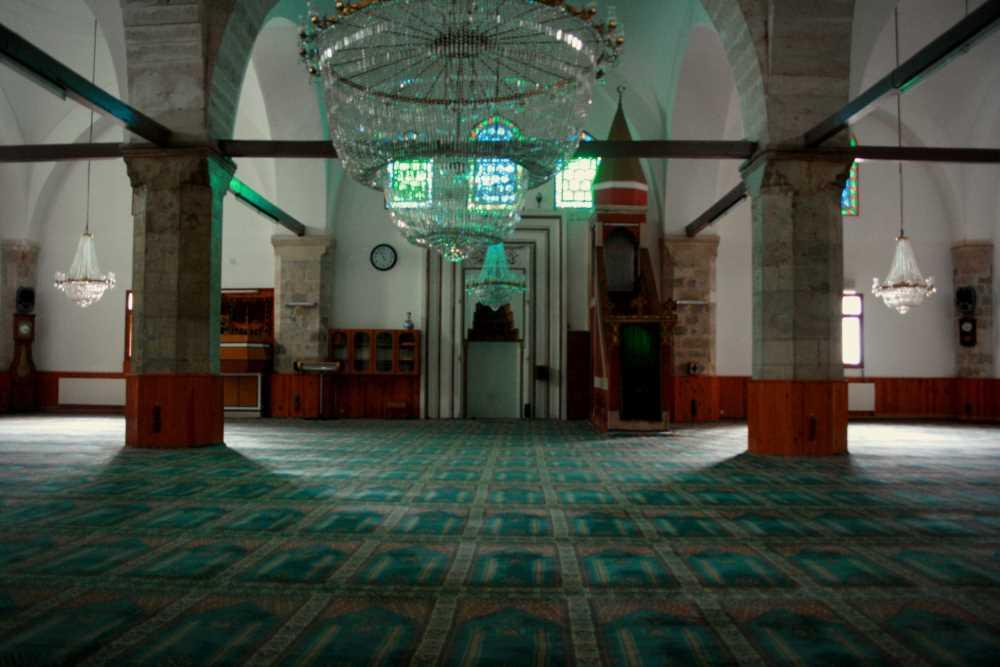
Takyeciler Camii (Culture Portal)
Açıkel, Ali. “Osmanlılar Döneminde Tokat Takyeciler Camii Vakıfları.” *Tokat Gaziosmanpaşa Üniversitesi Yayınları*. Accessed July 17, 2025. https://unis.gop.edu.tr/yayin-detay/2_CZGtD0_60/osmanlilar-doneminde-tokat-takyeciler-camii-vakiflari
Açıkel, Ali. “Takyeciler Camii (Tokat) Vakfiyesi ve Vakıf İşleyişi.” *Vakıflar Dergisi* 54 (2020): 235–258. Accessed July 17, 2025. https://dergipark.org.tr/tr/pub/vakiflar/issue/63384/765687
Ministry of Culture and Tourism of the Republic of Türkiye. "Takyeciler Camii – Photo." *Kalkınma Galerisi*. Accessed July 17, 2025. https://kalkinmagalerisi.org.tr/gorsel/takyeciler-camii-2204
T.C. Ministry of Culture and Tourism. "Takyeciler Camii." *Turkey Culture Portal*. Accessed July 17, 2025. https://www.kulturportali.gov.tr/turkiye/tokat/gezilecekyer/takyecler-cam
Location | Tokat city center Behzat Neighborhood | ||||||||
|---|---|---|---|---|---|---|---|---|---|
Period(s) | 15th century Ottoman Period | ||||||||
Name Etymology | "Takiye" means a place where dervishes reside; the mosque was named accordingly due to this function | ||||||||
Feature(s) | wooden columned final congregation area material: rubble stone and brick harem Rectangular plan with flat ceiling | ||||||||
Status | The structure is generally preserved and open for worship | ||||||||
Historical Background
Architectural Features
Waqf System and Social Functions
Conservation Status and Contemporary Function