

`taxonomy` Related Article Results
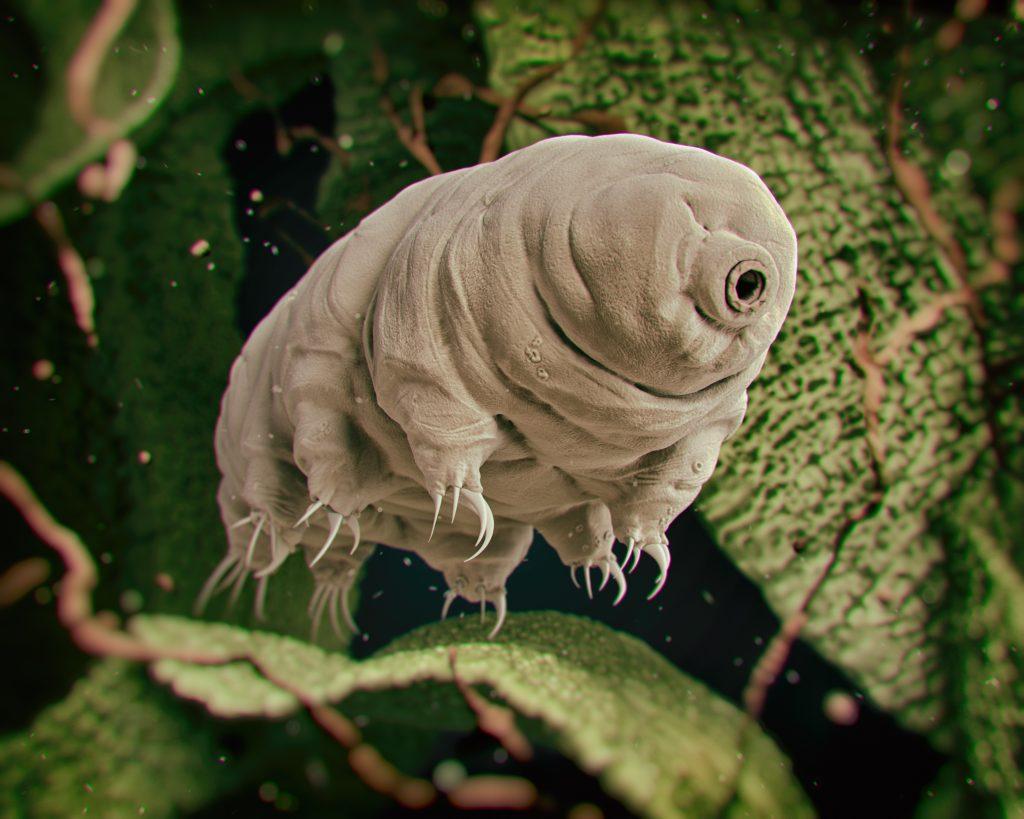
Water Bear (Tardigrada)
Tardigrada (commonly known as water bears or moss piglets) are small invertebrate animals found in marine, freshwater, and terrestrial habitats worldwide. They typically measure between 0.1 and 1 mm in length and consist of a head segment and four body segments, each bearing a pair of clawed legs. Terrestrial tardigrades require a thin film of water to remain active. Taxonomy and Systematics The phylum Tardigrada has a controversial and complex taxonomy. Traditionally it is divided into three cl
EN
Asil Can Yılmaz

Pothos (Epipremnum Aureum)
Pothos (Epipremnum aureum) is a tropical, multi-purpose climbing vine belonging to the Araceae (arum) family and commonly known as “Devil’s Ivy,” “Golden Pothos,” “Indoor Ivy,” or “Money Plant.” Although it was formerly classified under the name Scindapsus aureus, this designation is now considered a synonym, and the plant is currently classified within the genus Epipremnum. It is widely favored due to its ease of cultivation as an indoor ornamental plant and its low maintenance requirements. Un
EN
Emre Karataş
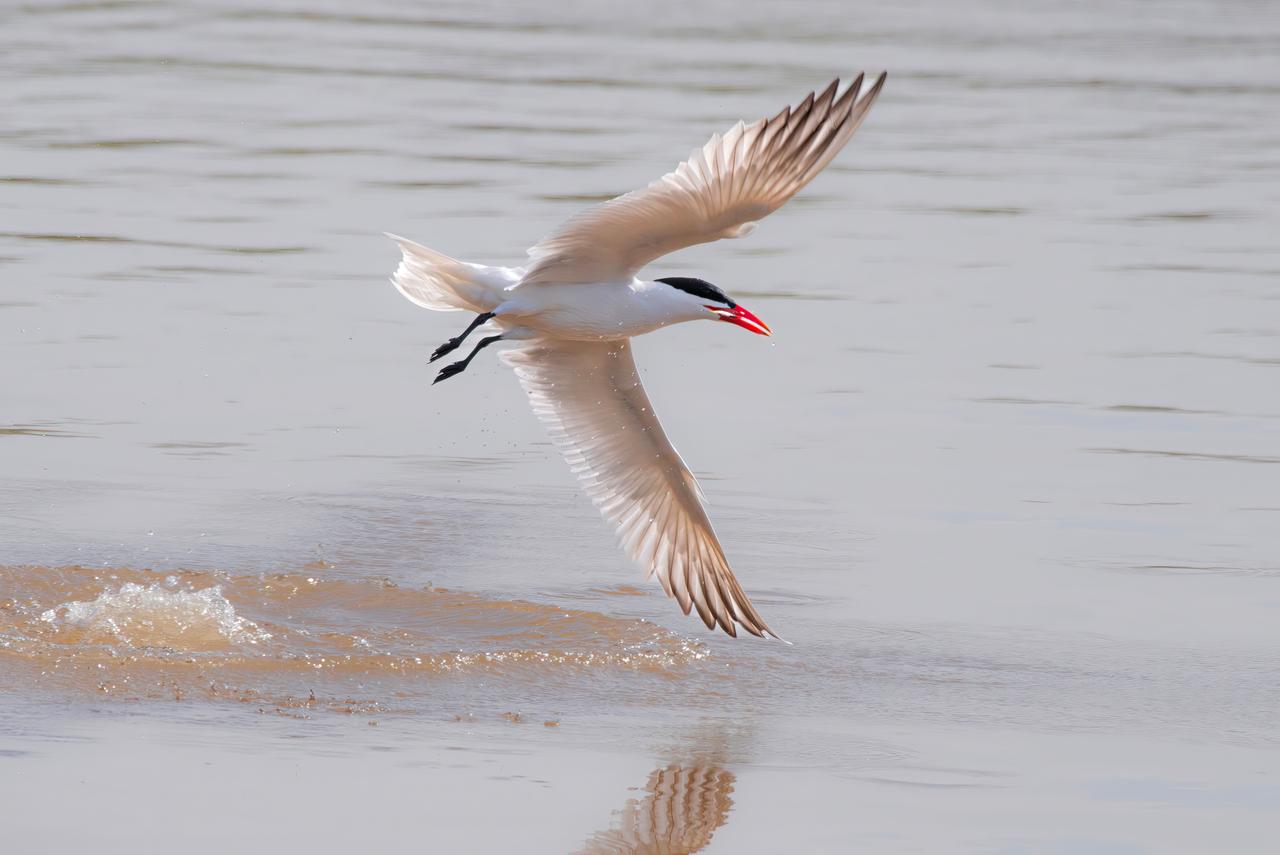
Caspian Tern (Hydroprogne caspia)
Caspian Tern (Hydroprogne caspia) is a bird species belonging to the family Laridae, recognized by its bright red bill and black head. It is the largest member of the Laridae family.【1】 Its large size and broad wings clearly distinguish it from other tern species. The species is also distinguished by its distinctive low, harsh calls and its appearance in flight, which resembles large gulls. Taxonomy The Caspian Tern (Hydroprogne caspia) has undergone various taxonomic revisions over time. Early
EN
Hanifenur Yaman
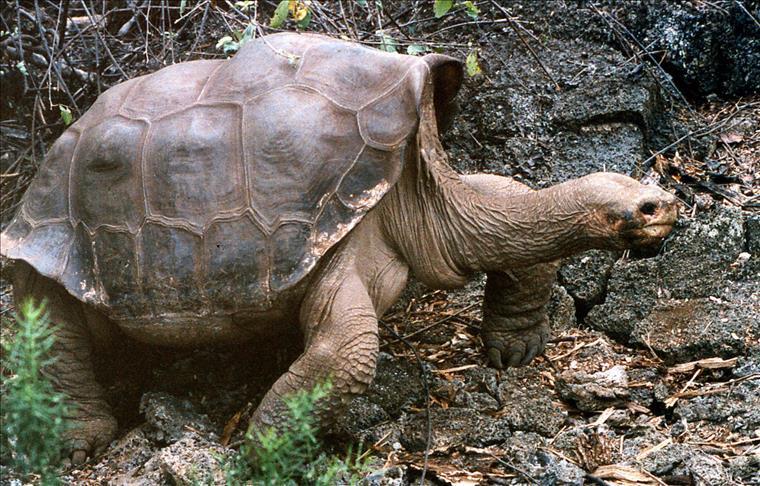
Only George
Lonesome George is the last known male individual of the Pinta Island giant tortoise, a subspecies of the giant land tortoises endemic to the Galápagos Islands. Lonesome George represents the abingdoni subspecies native to Pinta Island. Because of this, Lonesome George has become not only a member of the Galápagos fauna but also one of the iconic symbols of conservation biology.【1】 Lonesome George is described as “the world’s most famous conservation icon.”【2】 Discovery of Lonesome George The la
EN
Meryem Şentürk Çoban

Carl Linneaus
Carl Linnaeus (1707–1778), a Swedish physician, naturalist, and scientist, worked in the field of systematic biology. In the 18th century, he developed and applied the binomial nomenclature system, which is used to classify living organisms. He is best known for his work Systema Naturae, in which he divided plant, animal, and mineral species into hierarchical categories. His work Species Plantarum is considered the starting point of modern plant taxonomy. Youth and Education Carl Linnaeus was bo
ENGülhan Yaşar
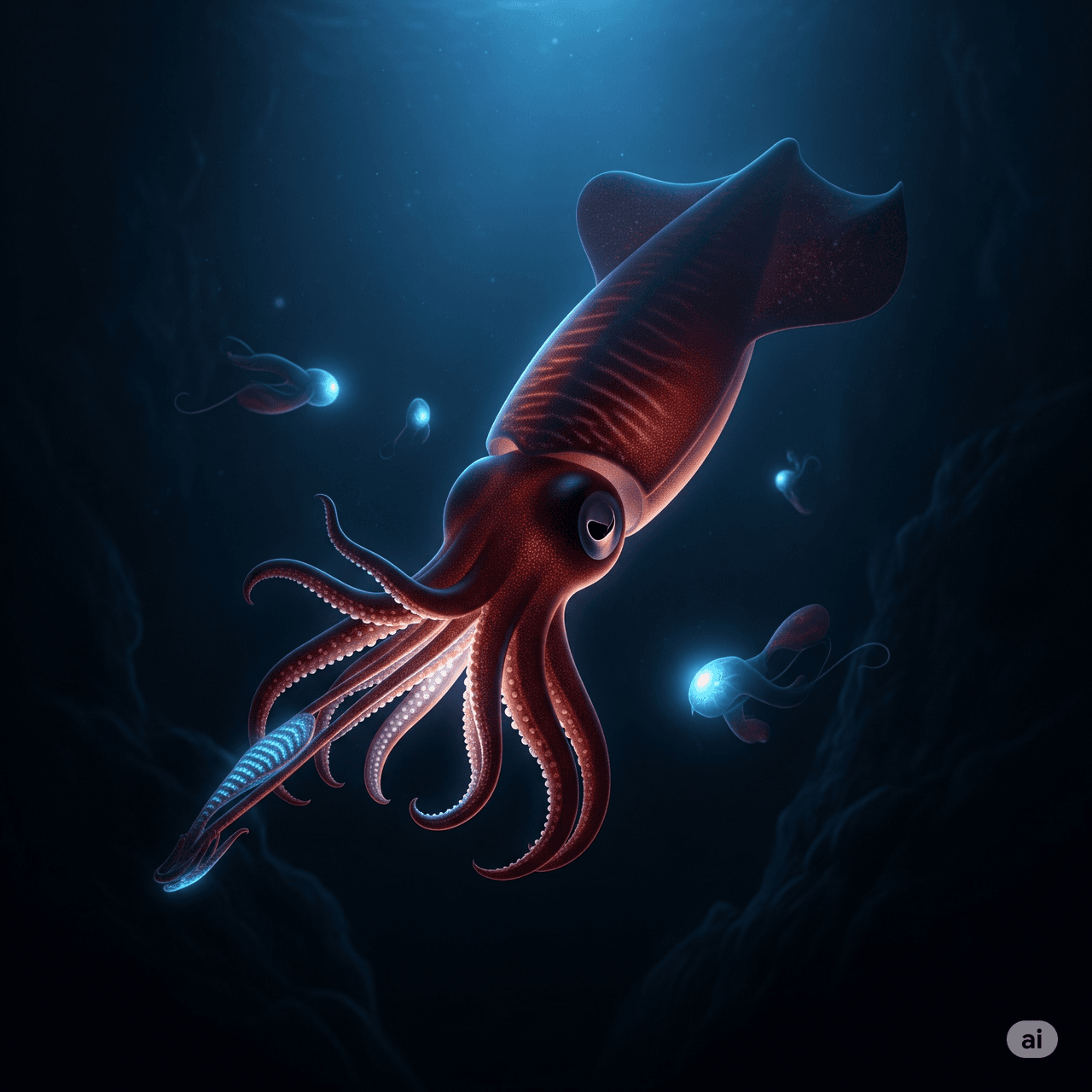
Vampire Squid (Vampyroteuthis infernalis)
The vampire squid (Vampyroteuthis infernalis) is a rare species distinguished by its unique structure and adaptations among deep-sea cephalopods. This organism thrives in cold, dark, oxygen-poor pelagic environments at depths ranging from 600 to 900 meters and beyond. Taxonomically belonging to the order Vampyromorpha, the vampire squid represents a distinct group that serves as an evolutionary bridge between squids and octopuses. It typically reaches a length of 30 cm and exhibits morphological
ENEmre Özen
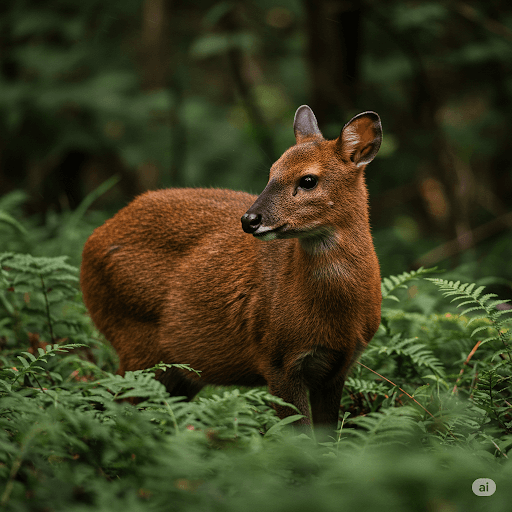
Pudu
The pudu is one of the smallest deer species in the world and is native to South America. This genus includes two species: Pudu puda, which inhabits the temperate rainforests of southern and central Chile and western Argentina, and Pudu mephistophiles, found in the high-altitude forests of the Andes Mountains. Both species are protected due to habitat loss, hunting, and other human-induced threats. Taxonomy and Morphological Characteristics Taxonomic Classification Kingdom: Animalia Phylum: Chor
ENEmre Özen
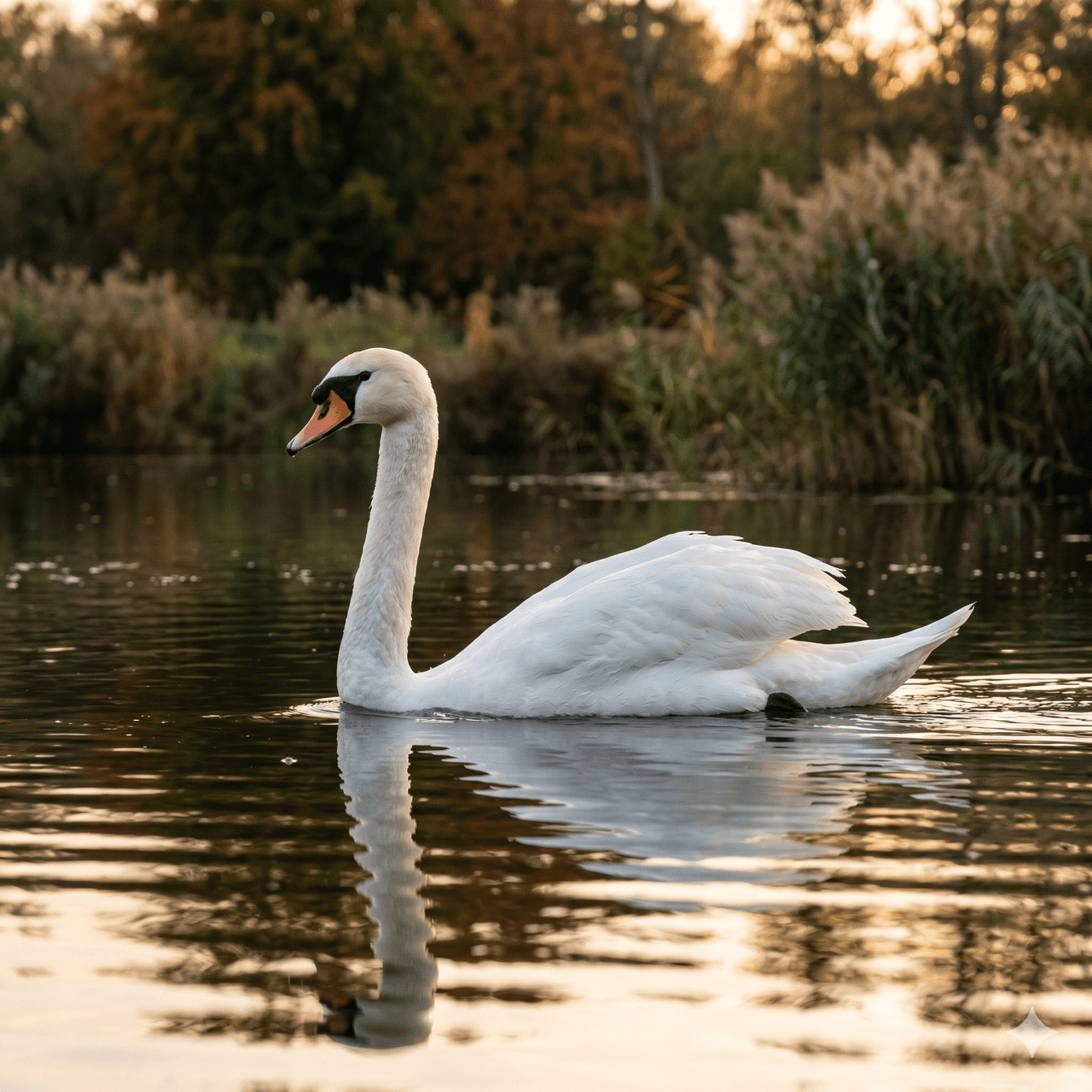
Swan (Cygnus)
Swans are large-bodied, long-necked aquatic birds belonging to the family Anatidae (ducks, geese, and swans) and the genus Cygnus. They generally inhabit temperate climates across both the Northern and Southern Hemispheres. Six main Cygnus species have been identified worldwide: the mute swan, the whooper swan, the trumpeter swan, the tundra swan, the black swan, and the black-necked swan. The coscoroba swan, once classified under Cygnus, is now categorized under its own genus, Coscoroba. Taxono
EN
Esra Nur Bulut
 EC
ECECRIF Taxonomy
The ECRIF Taxonomy is a student-centered pedagogical framework designed for foreign language and content instruction from the learner’s perspective. Developed by Josh Kurzweil and Mary Scholl between 2004 and 2005 under the auspices of McGraw-Hill and the School for International Training (SIT), this system was initially created for English language teachers but has gained applicability across disciplines due to its flexible structure. The acronym ECRIF stands for Encounter, Clarify, Remember, I
EN
Beyza Yıldız