

`ornithology` Related Article Results
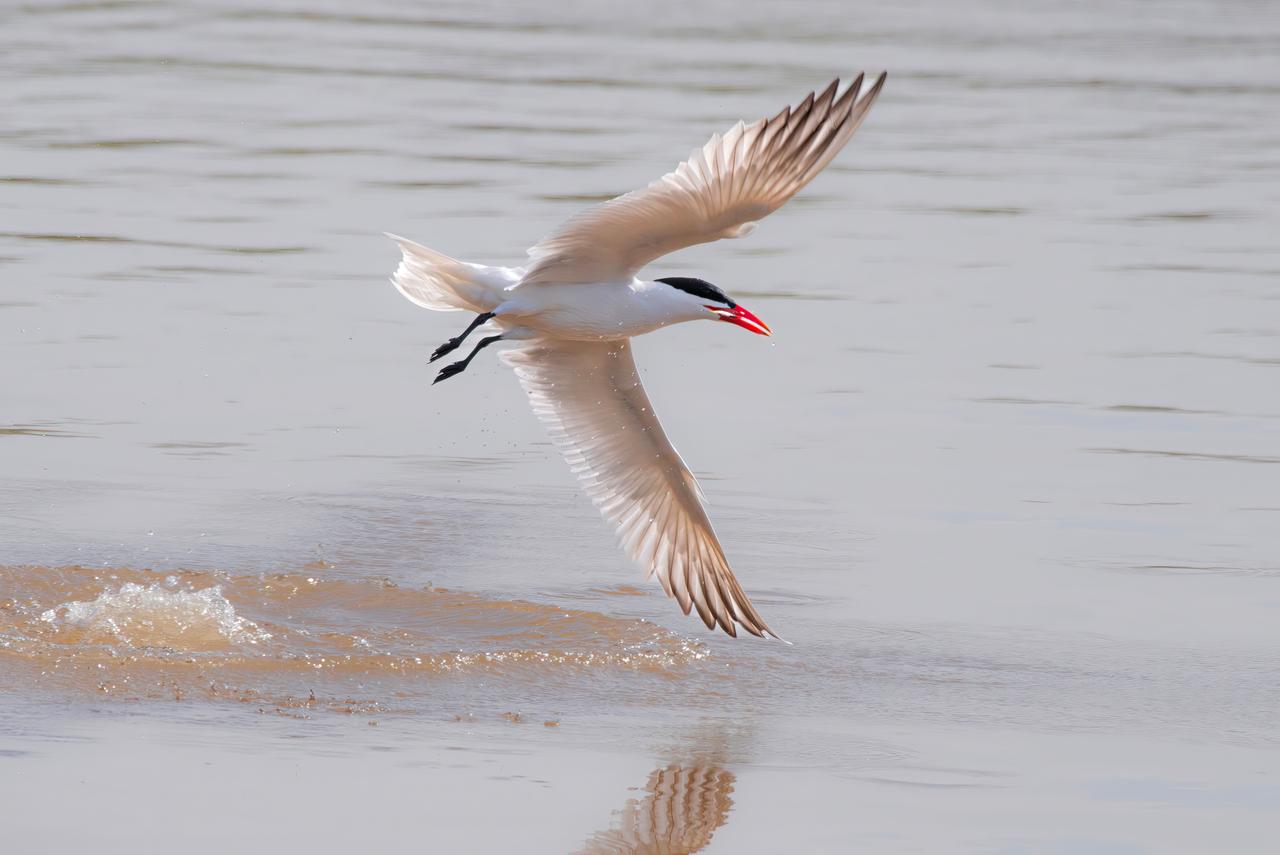
Caspian Tern (Hydroprogne caspia)
Caspian Tern (Hydroprogne caspia) is a bird species belonging to the family Laridae, recognized by its bright red bill and black head. It is the largest member of the Laridae family.【1】 Its large size and broad wings clearly distinguish it from other tern species. The species is also distinguished by its distinctive low, harsh calls and its appearance in flight, which resembles large gulls. Taxonomy The Caspian Tern (Hydroprogne caspia) has undergone various taxonomic revisions over time. Early
EN
Hanifenur Yaman
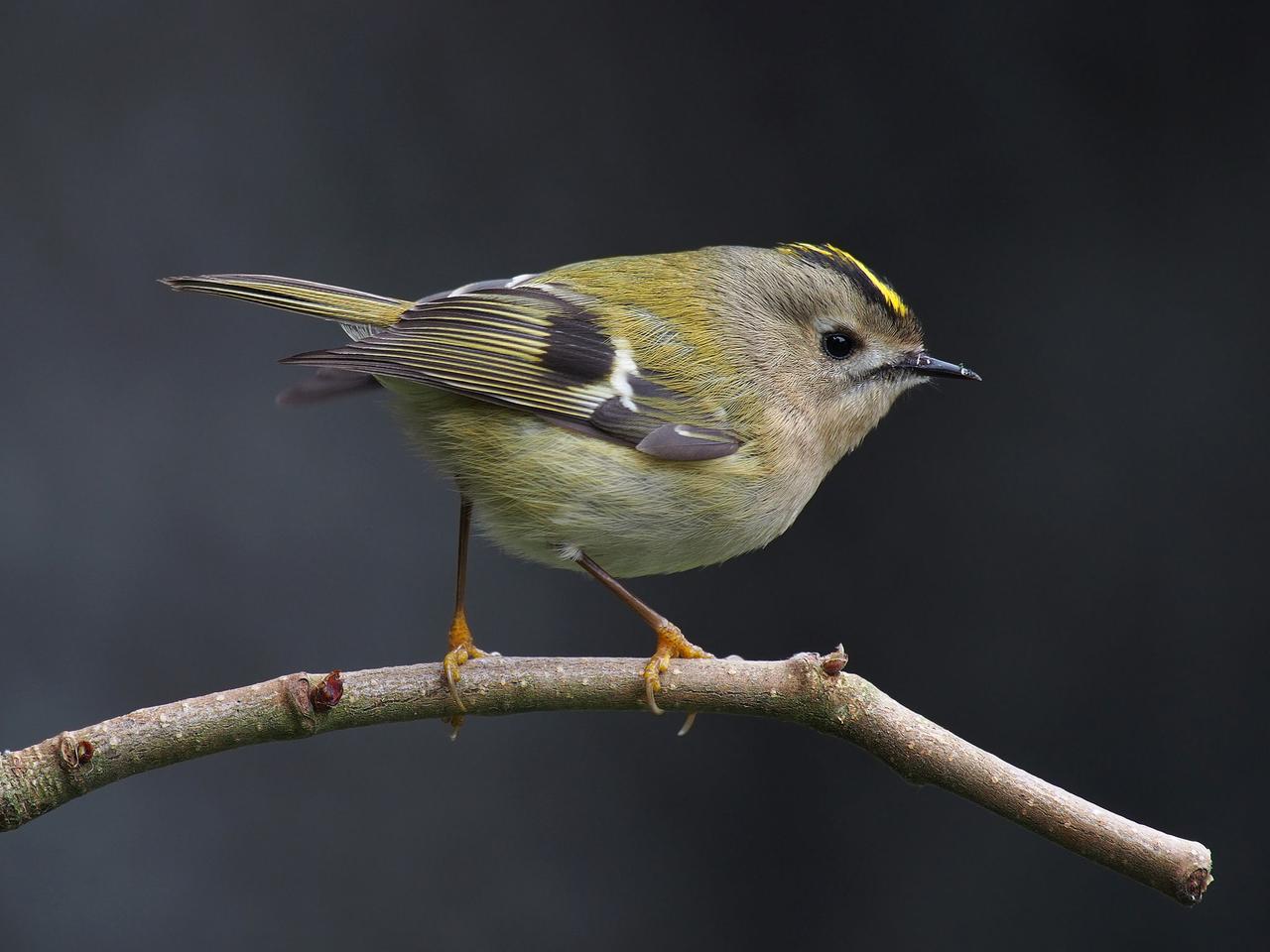
Common Firecrest (Regulus regulus)
Common Goldcrest (Regulus regulus) is one of the world’s smallest bird species, native to both the Palearctic and Oriental biogeographic regions. This species has a wide distribution and is found across the Middle East, Eastern and Central Asia, India, and much of Europe. Known in English as the goldcrest, it was first described by Linnaeus in 1758. It is recognized by its small body size, high metabolic rate, and a distinctive yellow or orange stripe on the top of its head. Morphological Charac
EN
Nursena Şahin
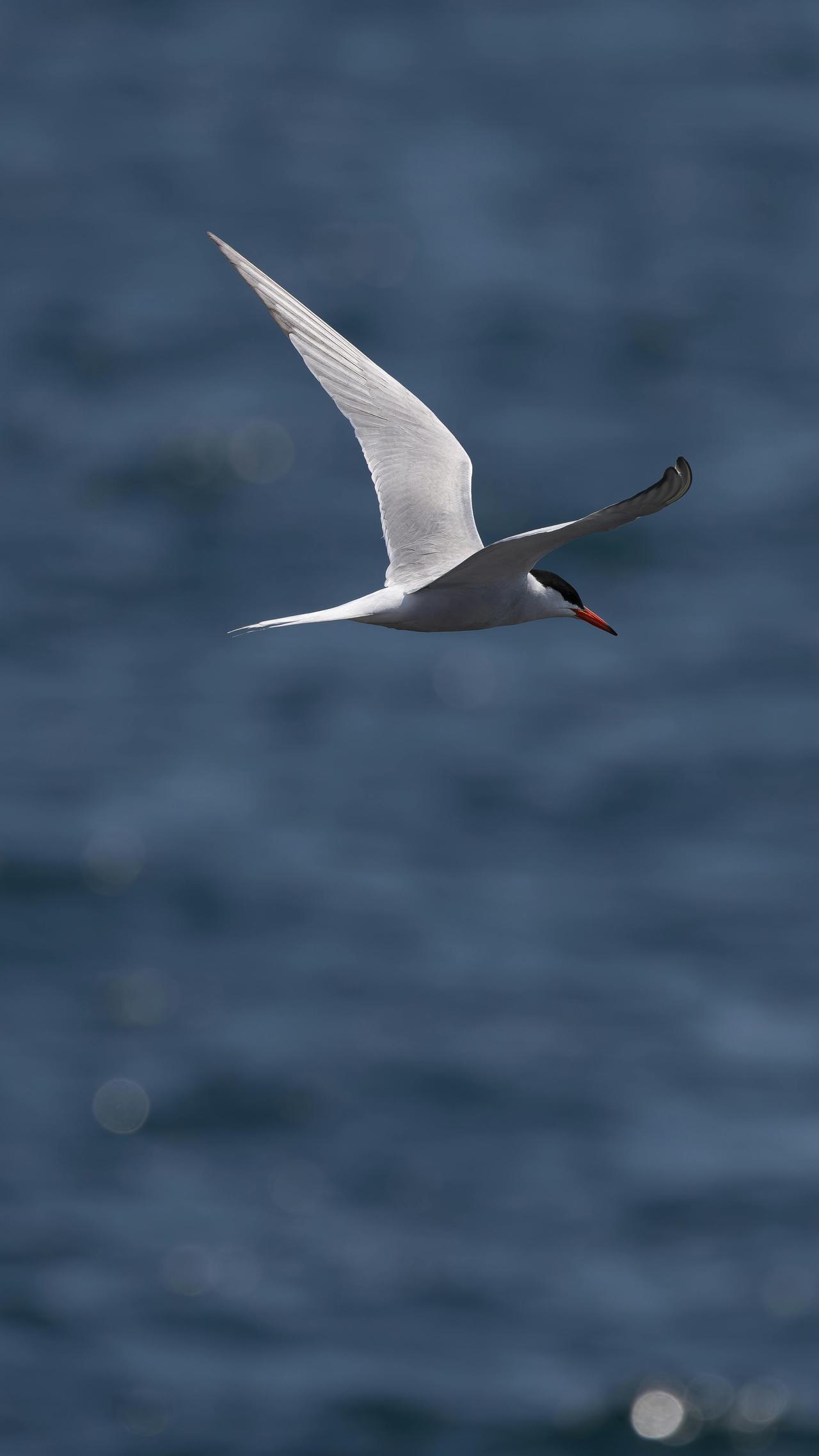
Arctic Tern (Sterna paradisaea)
Arctic Tern (Sterna paradisaea) is a species of seabird belonging to the family Sternidae. The species is particularly known for its extremely long-distance migrations. It attracts attention through its migration route, which moves between the polar regions of the Northern and Southern Hemispheres throughout the year. Its breeding grounds are primarily located in the polar and subarctic regions of the Northern Hemisphere, while during the nonbreeding season it exhibits a wide distribution extend
ENHanifenur Yaman

Green parrot
Have you ever seen a bird flying in parks with green feathers and a red beak? If so, you have likely encountered a rose-ringed parakeet (Psittacula krameri). Although these birds are native to a different geographical region, they now thrive in urban green spaces. Let us take a closer look at these birds. What Do They Look Like? The length of a rose-ringed parakeet is largely made up of its tail. Male birds have a black or pinkish-red ring around their necks, which is precisely why they are know
EN
Emir Erensayın
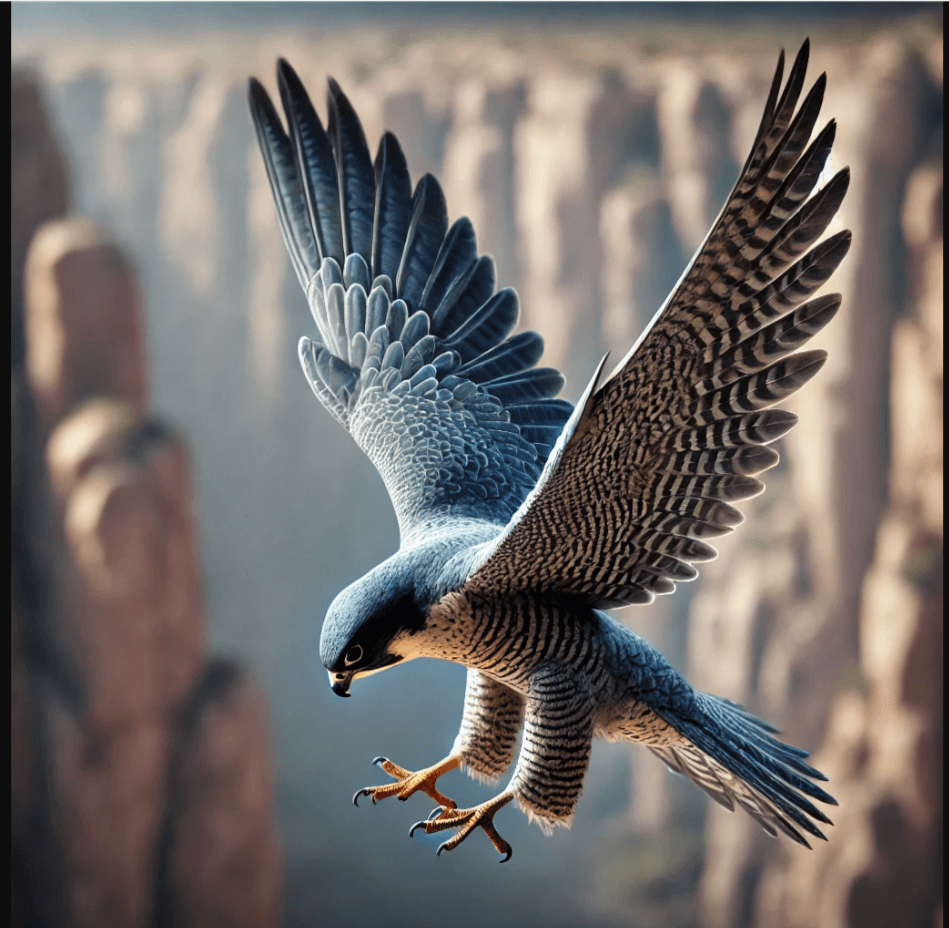
Peregrine Falcon
A bird of prey known as the fastest animal in the world, possessing keen eyesight and exceptional agility, making it one of nature’s most impressive hunters. The peregrine falcon catches its prey mid-air by diving at speeds of up to 390 km/h, playing a crucial role in maintaining the balance of the ecosystem with its impeccable hunting abilities. The word "Gökdoğan" in Turkish is derived from “gök” (sky) and “doğan” (falcon). Its Latin name, Falco peregrinus, means "wandering falcon." Throughout
EN
Furkan Üresin
 Bl
BlBlue Rock Thrush (Monticola solitarius)
The Blue Rock Thrush (Monticola solitarius) is a lithophilic (rock-dwelling) bird species belonging to the Muscicapidae (flycatcher) family within the Passeriformes (songbirds) order. It is distributed across the rocky and mountainous ecosystems of the Palearctic region. Males are distinguished by their characteristic slate-blue plumage and exhibit high adaptability to human-made structures such as ancient ruins and isolated stone buildings, in addition to natural cliffs and canyons. The Blue Ro
EN
Mehmet Çağlar
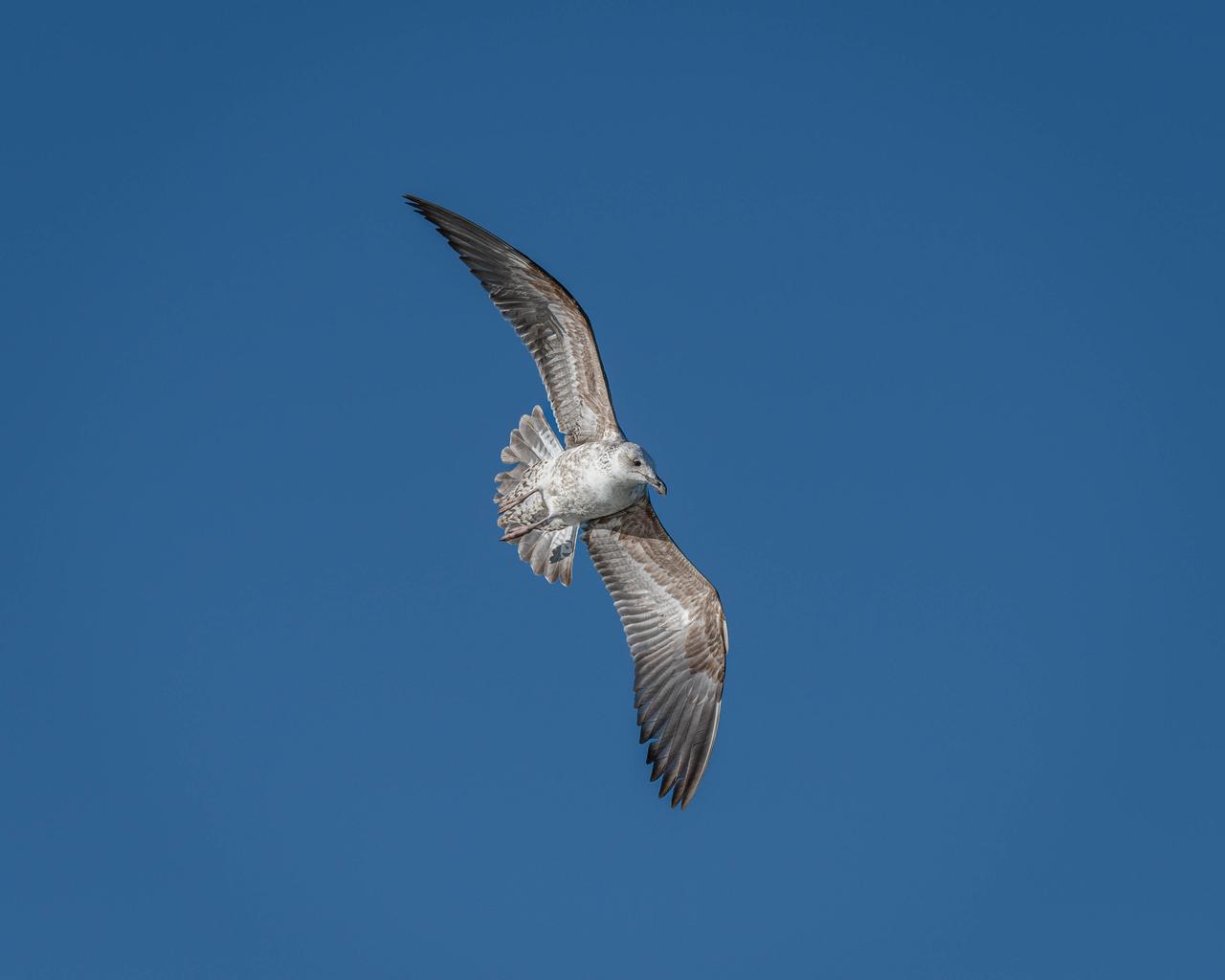
The Miracle of Bird Flight: How Do Birds Fly?
Birds are beings endowed by their very creation with the ability to fly, distinguishing them from all other vertebrates through this unique capacity. This ability is not solely dependent on their physical structure; it also relies on their capacity to utilize aerodynamic principles to regulate their movements in the air. When flapping their wings and directing their bodies, birds harness the four fundamental forces that form the basis of aircraft design: thrust, lift, drag, and weight. The delic
EN
Mehmet Bağcı
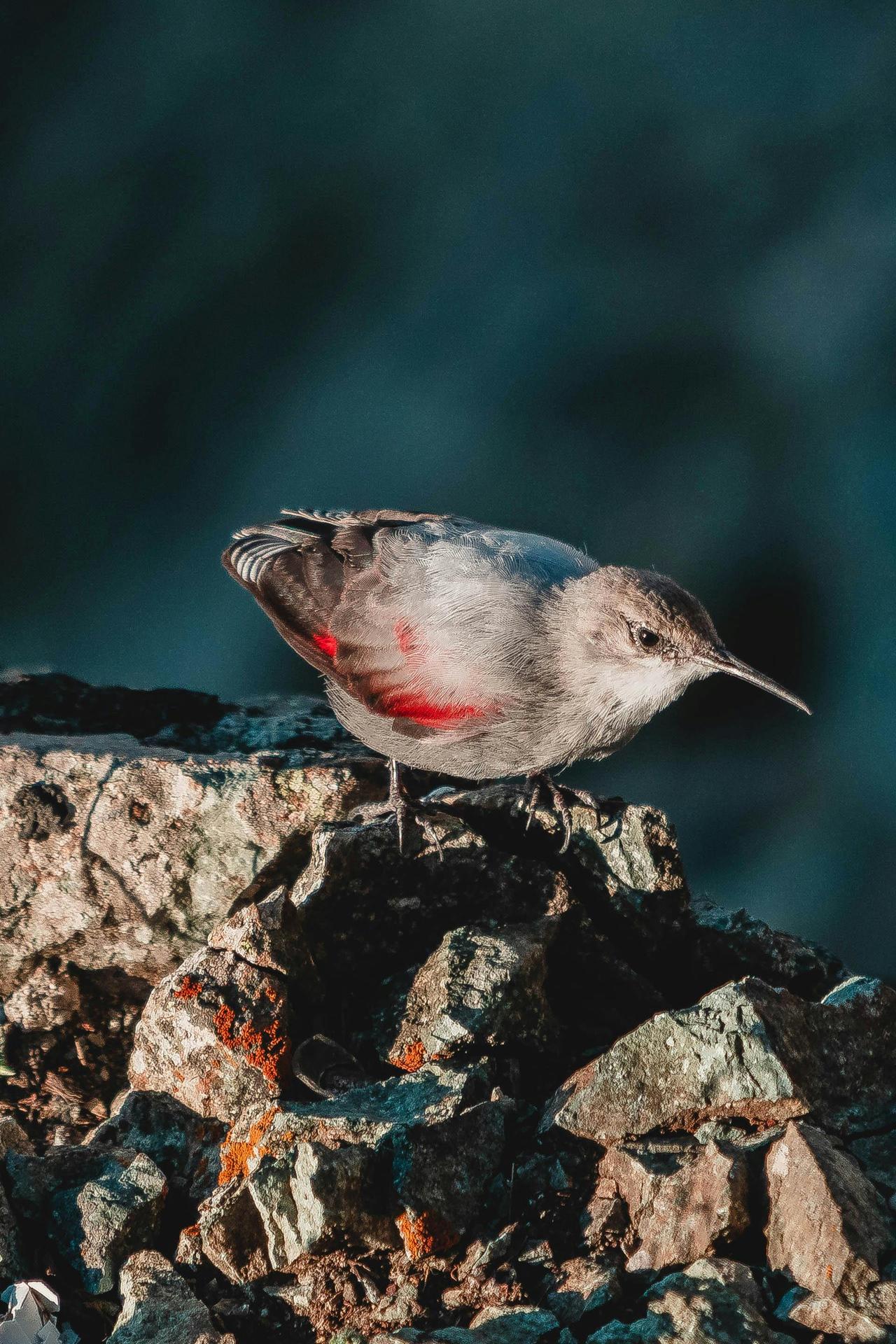
Wallcreeper (Tichodroma muraria)
Wallcreeper (Tichodroma muraria) is a songbird distinguished by its long slender bill and colorful wings, which inhabit rocky surfaces and steep terrain. It is of medium size, recognized by its gray body and striking red-black wing patterns visible during flight. It typically moves by climbing on rocks and walls, a behavior that sets it apart from other birds. Taxonomy The wallcreeper belongs to the order Passeriformes, the songbirds. Its scientific name is Tichodroma muraria. It is a polytypic
ENHanifenur Yaman
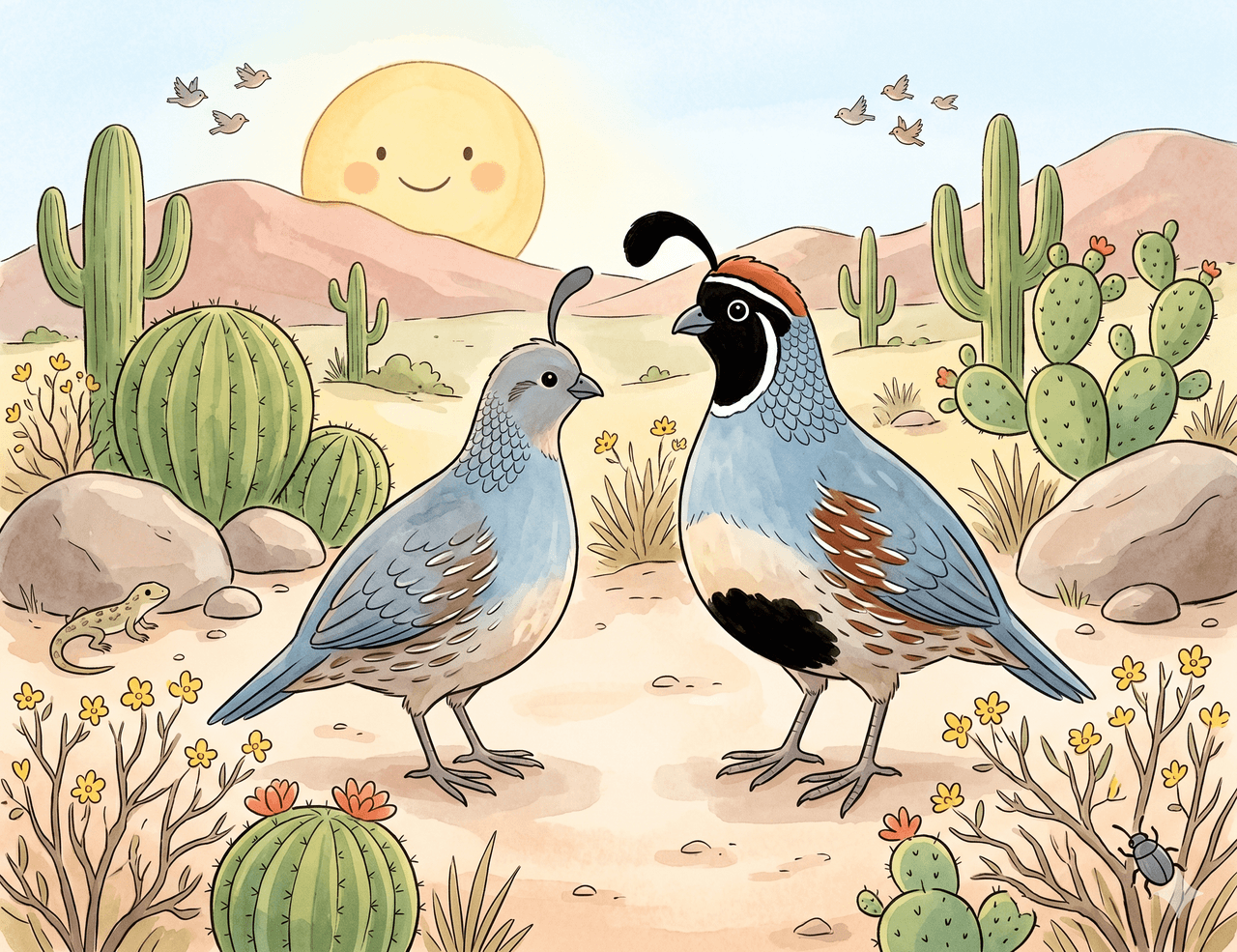
Gambel's Quail
If you saw a cute bird walking through the desert with a tiny, upside-down tear drop on its head, what would you think? This peculiar-looking bird is called the Gambel's Quail. They have adapted so well to hot and dry deserts that they can survive easily even under harsh conditions. Have you ever wondered about the secrets of a bird that lives in the desert? Let’s get to know these charming birds closely! Gambel bıldırcınları çöl ortamında sürüler halinde koşturmayı çok severler. (Yapay zeka ile
EN
Sevde Köktaş
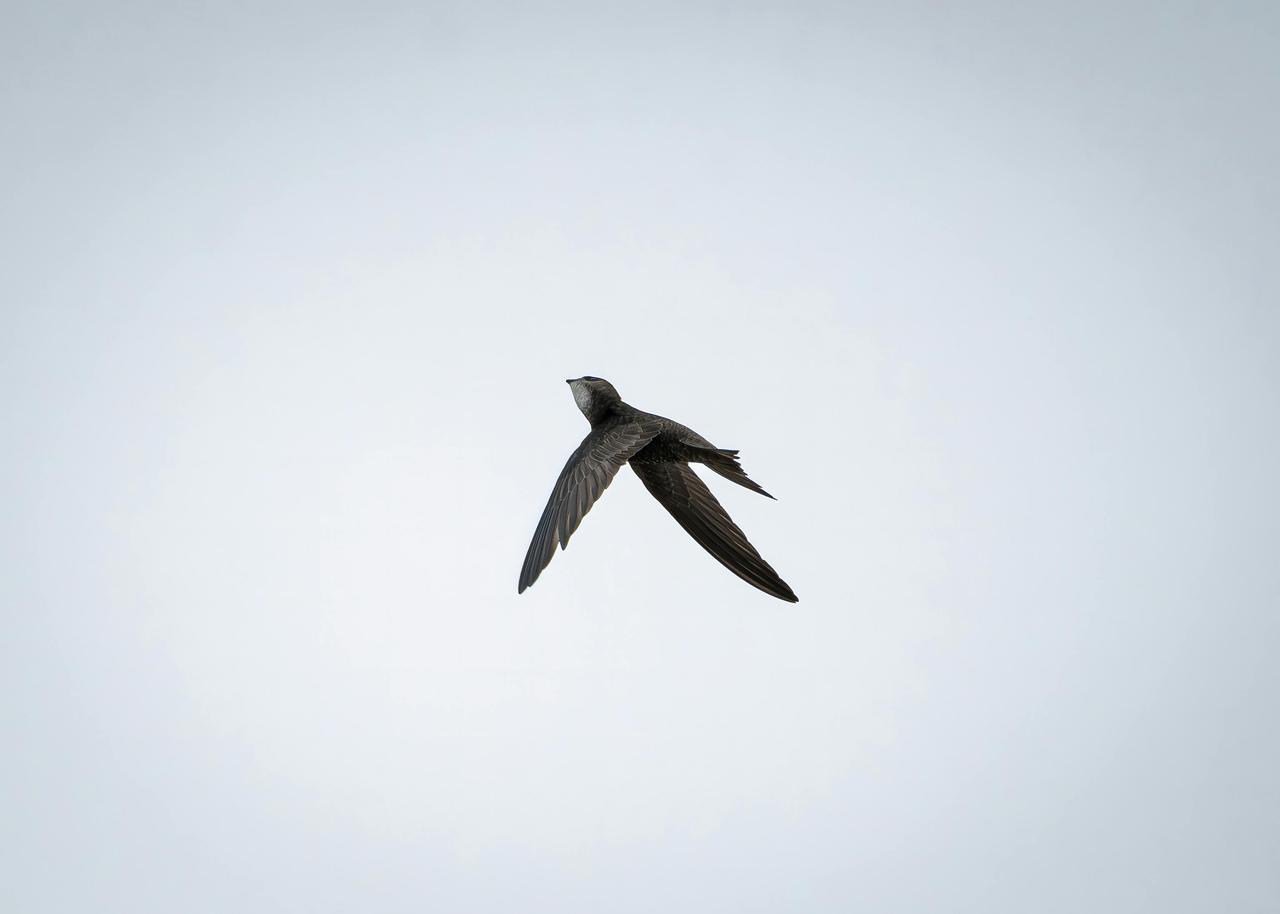
Swift (Apus apus)
Common Swift (Apus apus) is a bird species belonging to the family Apodidae, recognized by its sickle-shaped wings and spending the majority of its life in flight. This species breeds across a wide area from northern Europe to Siberia and northern Africa, and spends most of the year in Africa south of the Sahara. It is a migratory species that feeds on insects while flying and typically uses cavities and hollows in human-made structures during the breeding season. Taxonomy The Common Swift (Apus
ENHanifenur Yaman