


This article was automatically translated from the original Turkish version.
Suppression of Enemy Air Defenses (SEAD), is the comprehensive set of operations aimed at neutralizing or temporarily degrading an adversary’s ground-based air defense elements during an air campaign. Within this scope, threats such as surface-to-air missile (SAM) systems and anti-aircraft artillery (AAA), as well as their associated early warning radars and command-and-control infrastructure, are all targets of SEAD operations.
SEAD encompasses both direct destructive (lethal) attacks and disruptive (non-lethal) methods such as jamming and deception. If effective SEAD is not applied, friendly air forces face significantly increased operational risks and the achievement of air superiority becomes much more difficult. For this reason, SEAD is regarded as a critical component of modern air warfare and has played a central role in air power employment over the past half-century. Historically, the fact that in some major conflicts up to 15–30 percent of total sorties were dedicated to SEAD missions underscores its operational importance.
SEAD - Suppression of Enemy Air Defense (Coverd Caval)
SEAD is considered a mission under the umbrella of offensive counter-air (OCA) and aims to provide friendly air assets with an acceptable level of risk by suppressing enemy air defense capabilities. According to United States joint doctrine, SEAD encompasses all activities that neutralize, destroy, or temporarily disable enemy surface-based air defenses through destructive and/or disruptive means. This definition includes both temporary disablement of targets—for example, by radar jamming—and their permanent destruction through missiles and bombs.
The term “suppression” emphasizes the reduction of effectiveness of target air defense elements, whereas “destruction of enemy air defenses” (DEAD) refers to the permanent elimination of these elements. SEAD generally represents a holistic approach aimed at removing the enemy’s air defense capability as a threat to friendly forces, often incorporating DEAD as a subset.
The scope of SEAD operations includes all elements within the enemy’s integrated air defense system (IADS). These elements include search and tracking radars, SAM batteries, anti-aircraft artillery positions, their command-and-control centers, and communication networks. Additionally, the enemy’s electronic warfare and early warning systems may also be targeted under SEAD. SEAD activities can be executed at varying scales—from a single aircraft conducting an immediate self-defense suppression maneuver (such as autonomously countering a radar lock-on) to the systematic dismantling of an entire integrated air defense network during a full-scale campaign.
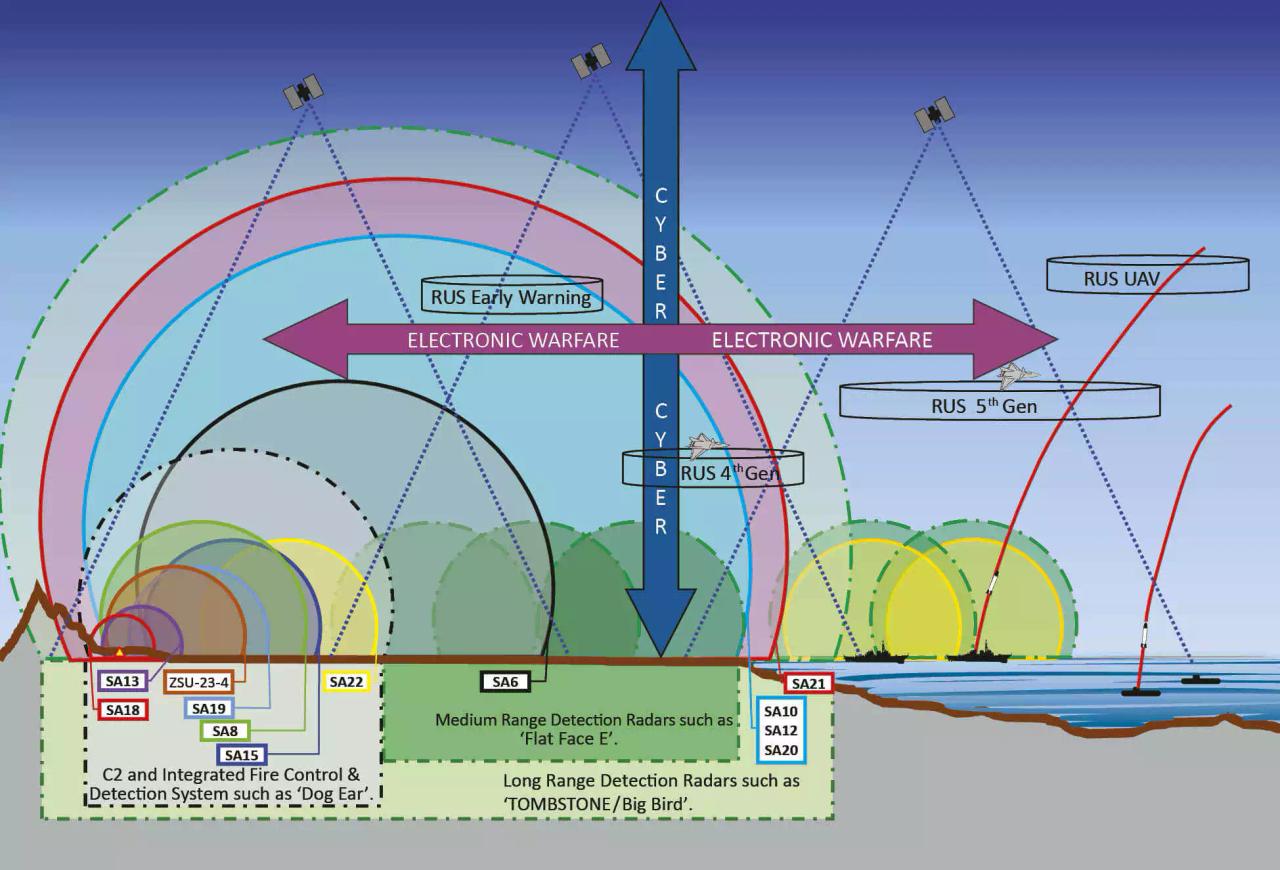
Russian Air Defense Layering (JAPCC)
In joint doctrine, SEAD is generally categorized into three types:
These definitions and categories have been broadly adopted by allied doctrines. For instance, NATO’s joint air documents define SEAD as the suppression of enemy air defense capabilities to ensure the safety of air operations and emphasize the need for coordinated execution among allied forces.
SEAD methods are divided into two main categories: destructive and disruptive. Destructive methods aim to physically eliminate enemy air defense elements—for example, by destroying a SAM battery with air-launched missiles or guided bombs, or by conducting a special forces raid on a radar facility. Disruptive methods seek to render enemy air defense systems ineffective through deception, blinding, or jamming—for example, by applying electronic jamming to radar frequencies, launching decoy flights, or using electromagnetic deception to mislead enemy radars.
Destructive and disruptive methods are often used together to create synergistic effects: electronic warfare assets temporarily blind enemy radars while anti-radiation missiles are fired to destroy those same radars during the window of vulnerability. SEAD operations can be conducted by air force platforms, but also by ground and naval forces’ fire support assets. For example, striking critical radar installations with tactical ballistic missiles or long-range artillery can also produce SEAD effects. Thus, SEAD can also be defined as a large-scale mission requiring coordination across multiple force elements.
The concept of air defense suppression dates back to World War II. Allied forces employed primitive electronic countermeasures such as Window—strips of aluminum foil (known as “chaff”)—to disrupt German early warning radar networks. The 1943 Operation Gomorrah marked the first large-scale use of chaff to overwhelm German radar systems, serving as an early example of the SEAD concept. Subsequently, efforts to disrupt radar and radio communications increased toward the end of the war. In the 1950s and 1960s, the advent of the jet age and the emergence of Soviet-made surface-to-air missile systems created a new and lethal threat to air operations, further highlighting the need for air defense suppression.
The systematic emergence of SEAD as a dedicated military operation is widely recognized as having occurred during the Vietnam War. Beginning in 1965, North Vietnam established an integrated air defense system (IADS), effectively deploying Soviet-made SAM systems and anti-aircraft artillery. In response, the United States Air Force and Navy developed specialized aircraft and weapons designed to hunt enemy radars. Under the Wild Weasel program, aircraft such as the F-100 and later the F-105G and F-4C were equipped with anti-radiation missiles (ARM) capable of homing in on radar emissions. The first such missile, the AGM-45 Shrike, was used in Vietnam to target active radar installations. Additionally, electronic jamming aircraft such as the EB-66 Destroyer participated in operations to degrade enemy radar detection and targeting capabilities. The Vietnam War thus became the first large-scale SEAD campaign and the context in which the term “suppression of enemy air defenses” was coined; the war’s harsh lessons demonstrated that without effective SEAD, modern integrated air defense systems could inflict heavy losses on air forces.
In the post-Vietnam era, SEAD capabilities advanced rapidly in both technology and tactics. During the 1973 Arab-Israeli War (Yom Kippur War), the Israeli Air Force suffered heavy initial losses due to dense Soviet-made SAM systems deployed by Egypt and Syria, but later mitigated these threats through improved tactics such as unmanned reconnaissance aircraft and intensive electronic jamming. In 1982, Israel’s Operation Mole Cricket 19 in Lebanon’s Bekaa Valley served as a model for the systematic suppression of an integrated air defense network: Israeli forces largely destroyed Syrian SAM batteries using electronic warfare, unmanned aerial vehicles, and precision-guided munitions. In the latter half of the 1980s, the United States introduced the more advanced AGM-88 HARM anti-radiation missile, significantly enhancing its SEAD capability. The HARM missile could strike enemy radars with greater speed and precision than its predecessors. Aircraft platforms were also developed specifically for SEAD roles; the U.S. Air Force’s F-4G “Wild Weasel” and the U.S. Navy’s EA-6B Prowler electronic warfare aircraft became specialized SEAD platforms during this period.
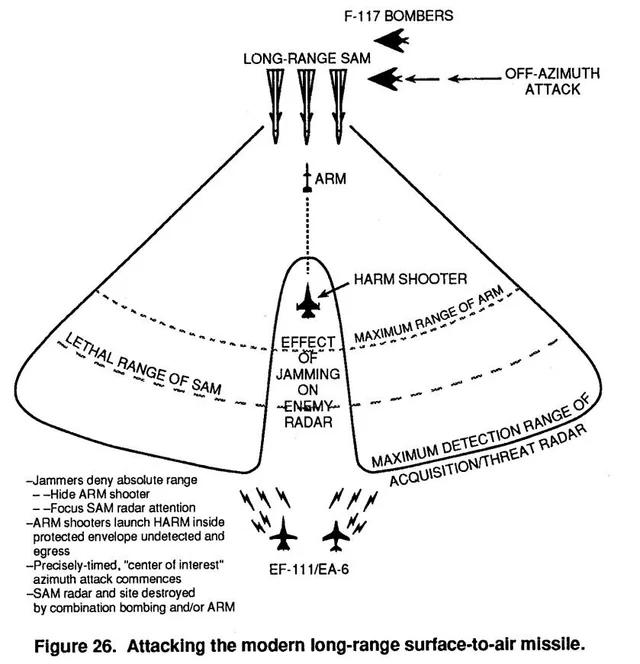
SEAD Tactics in the 1980s (Setting The Context)
The 1991 Gulf War provided a major example of SEAD being successfully applied on a large scale. Led by the United States, the coalition paralyzed Iraq’s extensive and integrated air defense network during the opening days of the war through intense SEAD operations. In the opening phase of Operation Desert Storm, dozens of specialized Wild Weasel teams, hundreds of HARM missile launches, and cruise missile strikes against radar and communication centers rendered the majority of Iraq’s SAM systems ineffective. As a result, coalition air forces were able to conduct intensive air attacks with minimal friendly losses. During the 1995 Deliberate Force (Bosnia) and 1999 Allied Force (Kosovo) operations, NATO forces faced mobile and concealed SAM threats, firing over a thousand anti-radiation missiles against enemy targets. In particular, during the Kosovo campaign, Serbian air defense units avoided total destruction by employing a “radar on-off” tactic, demonstrating to NATO how challenging SEAD could be. Indeed, during this campaign, an American F-117 Nighthawk stealth aircraft was shot down by an older SA-3 SAM system; this incident highlighted that even the most advanced aircraft remain vulnerable to comprehensive IADS, underscoring the need for continuous improvement in SEAD tactics and technologies.
In the 2000s, SEAD missions received less attention in operational environments such as Iraq and Afghanistan, where advanced enemy air defenses were absent. However, risks persisted elsewhere. During the initial phase of the 2003 Iraq invasion (Operation Iraqi Freedom), coalition SEAD efforts achieved results more rapidly than in 1991, swiftly suppressing Saddam Hussein’s limited reconstituted air defense network. In the 2011 Libya Odyssey Dawn operation, the United States and NATO allies launched a concentrated initial strike to disable Libya’s air defense systems, enabling the establishment of a no-fly zone under United Nations authorization. This example demonstrated that even a limited no-fly zone mission requires a substantial SEAD campaign in practice. Indeed, U.S. defense officials had previously assessed that before such an operation, Libya’s air forces and air defense systems must be comprehensively destroyed—a view that influenced political decision-making.
The doctrinal framework for SEAD has evolved as part of the broader counter-air concept aimed at establishing air superiority. According to U.S. joint doctrine, SEAD and joint SEAD (J-SEAD) operations are integral components of joint air operations conducted with mutual support and coordination among all force components. Therefore, SEAD planning is considered from the outset of campaign design. In the plans of the joint force commander (JFC), how to suppress the enemy’s integrated air defense system is a critical consideration. Doctrines also define responsibilities and task sharing in SEAD execution: for example, within joint campaign planning, the J-3 (Director of Operations) is the key figure responsible for SEAD coordination and oversees the distribution of SEAD tasks among air, land, and naval component commanders.
The U.S. Marine Corps doctrine MCWP 3-22.2 distinguishes between “planned” and “reactive” SEAD in planning. Planned SEAD involves suppressing enemy air defense elements identified through intelligence prior to or simultaneously with the commencement of an operation. Reactive SEAD refers to immediate countermeasures taken when an unexpected threat emerges—for example, when a pilot receives a radar lock-on warning during flight. These two concepts align with the joint doctrine categories of “local” and “opportunistic” SEAD. Doctrine prescribes that SEAD operations should be conducted in a coordinated and synchronized manner whenever possible, while ensuring that each unit can independently execute necessary countermeasures (such as self-defense jamming or immediate missile launches) against unforeseen threats.
NATO doctrine similarly defines SEAD as a critical mission within allied air campaign planning. NATO’s Joint Air and Space Doctrine (AJP-3.3) encourages member nations to integrate their SEAD capabilities into joint operations and emphasizes the concept of “joint/multinational SEAD.” Specifically, it is doctrinally accepted that countering advanced integrated air defense systems requires coordinated suppression using sensors, weapons, and platforms from multiple allied nations. Within NATO, specialized training and exercises are conducted for SEAD; for example, annual Suppression of Enemy Air Defences (SEAD) exercises enhance interoperability among allied forces in this domain.
Doctrinal documents also address the criteria for success in SEAD operations and key considerations. One such consideration is rules of engagement and operational authorization. By its nature, SEAD involves attacks on targets located within enemy territory, requiring clear political-military rules of engagement. For instance, in a no-fly zone operation, it must be predetermined whether air defense elements that fire upon or lock onto patrol aircraft may be immediately engaged, or whether a response is only permitted after a threat materializes. As seen in pre-2011 Libya debates, deciding to conduct preemptive SEAD strikes rather than limiting operations to “deterrent patrols” represents a strategic threshold. At the doctrinal level, the implications of such decisions are evaluated and force planning is shaped accordingly.
Additionally, the appropriate combination of destructive and disruptive suppression methods is addressed in doctrine. While completely eliminating enemy air defenses is ideal, it is not always feasible or necessary; sometimes temporarily disabling a threat system—for example, through intensive electronic jamming—is operationally sufficient. Therefore, planners must carefully balance the desired level of suppression (temporary disruption versus permanent destruction) and the means employed (missiles, electronic warfare, cyber attacks, etc.). Another concept emphasized in doctrine is “safety margin.” Because SEAD operations carry the risk of fratricide, especially during broad-area electronic jamming or long-range anti-radiation missile use, extremely tight coordination is required. For example, doctrinal warnings highlight the risk of an anti-radiation missile being fired “preemptively” without any enemy radar emission and accidentally targeting a friendly radar. Such risks are being mitigated by incorporating advanced target discrimination capabilities into modern anti-radiation munitions.
In summary, within doctrine, SEAD is a multidisciplinary operational domain requiring detailed planning and coordination from strategic to tactical levels. The integrated use of both manned and unmanned assets, conventional firepower, and electronic and cyber capabilities is fundamental. Allied doctrines clearly state that SEAD is not a luxury but a mandatory mission for operational security, and that it must be executed at the outset of every high-intensity conflict.
At the operational level, SEAD is considered one of the priority steps for the successful execution of an air campaign. In large-scale campaign plans, air defense suppression missions are typically conducted during the opening phase, and only after the enemy’s integrated air defense capacity is neutralized are other air operations—such as strategic bombing, close air support, and air assault—conducted with greater safety. For example, during the 1991 Gulf War, coalition forces launched “SEAD packages” immediately before initiating large-scale air attacks, targeting Iraq’s radar networks, SAM batteries, and communication centers. As a result, within a few days, Iraq’s air defense system was largely rendered ineffective, creating a relatively secure operational environment for coalition aircraft. Similarly, in Iraq in 2003 and Libya in 2011, the initial strike waves consisted of SEAD assets, neutralizing critical enemy air defense sites.
Planning SEAD operations requires detailed intelligence preparation. The enemy’s air defense systems, their deployment locations, radar coverage areas, and potential backup positions must be identified in advance. Satellite imagery, electronic intelligence (ELINT), and signals intelligence (SIGINT) are used to create a “threat map,” enabling the prioritization of targets for SEAD missions—for example, long-range strategic SAM systems are prioritized over short-range tactical systems. The allocation of resources and timing for SEAD in the operational plan is also a critical decision. Since suppression effects are often temporary—for example, radars jammed electronically may resume operation—primary air attack waves must reach their targets while SEAD suppression is still active. Therefore, time-on-target coordination between SEAD missions and other operations is essential. For instance, a SAM radar must be struck by HARM missiles or electronically jammed several minutes before a bombing force arrives at its target. This coordination is part of the “package” concept: each attack package integrates SEAD assets, strike aircraft, escort fighters, and necessary tanker and reconnaissance support.
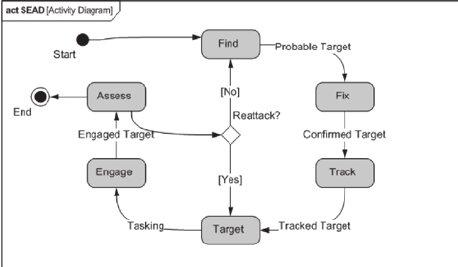
SEAD Operational Decision-Making Schema (Researchgate)
Jointness and multinational cooperation are vital in the operational dimension of SEAD. In coalitions such as NATO, one nation’s air force may suppress enemy air defenses while another’s strike aircraft attack targets. The 1999 Kosovo campaign exemplified this: U.S. EA-6B Prowler electronic warfare aircraft and F-16CJ Wild Weasels suppressed Serbian radars, allowing allied aircraft to engage targets with relative safety. In joint operations, naval forces may use warships (such as destroyers) to strike radar installations with Tomahawk cruise missiles, or ground forces may employ long-range rocket artillery to destroy enemy air defense batteries, supporting air operations. During the 1991 Gulf War, U.S. Army AH-64 Apache helicopters destroyed Iraqi early warning radars along the border during the opening hours, providing a classic example of joint SEAD coordination. This enabled the opening of air corridors and allowed deep strikes to proceed.
Command and control (C2) structures in SEAD operations are carefully established. Typically, the joint air operations center (CAOC) plans and coordinates SEAD missions in real time. A “SEAD Mission Coordinator”—often a senior officer assigned during campaign planning—may be responsible for managing SEAD operations. This individual monitors real-time threat data from sensors (AWACS aircraft, electronic intelligence platforms, unmanned aerial vehicles, etc.) and directs SEAD aircraft to appropriate areas. Particularly in responding to sudden threats (“pop-up threats”), directing patrolling SEAD aircraft is critical. Therefore, modern command centers can transmit real-time target coordinates to SEAD platforms and other strike assets via digital links.
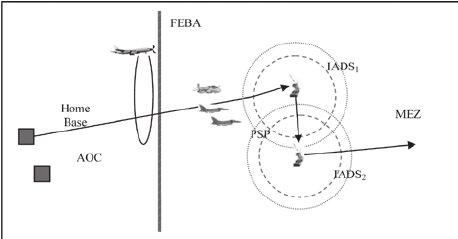
SEAD Operational Process (Researchgate)
One key indicator of operational SEAD success is the low rate of friendly aircraft losses. Recent conflicts have yielded significant data in this regard. For example, since 1991, losses of NATO and U.S. aircraft due to enemy air defenses have decreased substantially. While part of this is attributable to the technological inferiority of adversaries, the primary reason is the effective use of SEAD capabilities. However, the recent war between Russia and Ukraine has demonstrated that without effective SEAD, an air force can encounter unexpected difficulties.
The Russian Aerospace Forces (VKS) failed to suppress Ukrainian air defenses during the initial phase of the invasion that began in 2022; as a result, despite superior numerical and technological capabilities, Russia was unable to establish air superiority. Ukraine’s Soviet-era S-300 systems and man-portable air-defense systems (MANPADS) remained effective, forcing Russian aircraft to fly at low altitudes and limiting air strikes against strategic targets deep within Ukraine. This example illustrates the strategic impact of neglecting or failing to execute SEAD effectively.
In summary, at the operational level, SEAD planning is a prerequisite for the success of an air campaign. This phase, sometimes referred to as “shaping the air domain,” involves breaking or removing the enemy’s “protective umbrella” over the skies. Only after this is achieved can conventional air operations be conducted with speed and safety. Otherwise, in the face of a strong air defense network, strike aircraft will suffer reduced effectiveness and losses may become unacceptable. Therefore, every serious campaign plan includes SEAD as a primary mission and allocates priority resources to it.
The tactics, techniques, and procedures used in SEAD missions focus on survival and neutralizing targets in high-threat environments. One historically developed core SEAD tactic is the “Wild Weasel” concept. In this approach, a specially designated aircraft or pair deliberately provokes enemy radars into locking onto it, thereby exposing the enemy’s fire control radar. Immediately afterward, a companion aircraft or the same aircraft’s weapons systems officer locks an anti-radiation missile onto the radar signal and fires. This dangerous mission, known during the Vietnam War by the motto “YGBSM – You Gotta Be Shittin’ Me,” essentially forced the hunter to become the hunted, compelling enemy air defenses to reveal themselves. Today, modern aircraft and unmanned aerial vehicles apply similar luring tactics more safely; for example, a small drone with a radar signature the size of a pinhole can be sent into enemy defense zones to trigger radar activation, after which attacks against those radars are launched.
The use of anti-radiation missiles (ARM) is one of the most characteristic tactical elements of SEAD. These missiles detect electromagnetic emissions from enemy radars using “homing” sensors and home in on the source. SEAD aircraft are typically equipped with radar warning receivers (RWR) and specialized targeting systems. For example, U.S. Air Force F-16CJ aircraft assigned to SEAD missions carry the HARM Targeting System (HTS), a sensor that identifies the direction and type of detected enemy radar signals, enabling the pilot to direct the HARM missile accurately. Flight profiles during SEAD are also carefully selected: aircraft may approach from altitudes below the radar’s minimum engagement range or within blind spots. Terrain masking techniques—such as flying behind ridges—are particularly effective against older air defense systems.
The synchronized use of electronic warfare and firepower is a fundamental principle of SEAD TTPs. A typical SEAD package consists of: anti-radiation missile-equipped strike aircraft (e.g., F-16CJ, Tornado ECR), electronic jamming aircraft or platforms (e.g., EA-18G Growler, legacy Prowler, or F-16s with jamming pods), support aircraft (AWACS early warning, tankers, etc.), and, if necessary, escort fighter aircraft. The mission profile usually begins with jamming aircraft detecting enemy radars and initiating wide-band electronic attacks. This jamming creates “noise” on enemy radar screens, obscures the location of friendly aircraft, or effectively reduces radar range.
Subsequently, anti-radiation missile launches are executed; the missiles rapidly home in on active radar emitters. At this stage, enemy radar operators often attempt to evade the missile by turning off their radar. Classic ARM missiles lost their target if the radar was turned off. However, modern anti-radiation munitions (e.g., AGM-88E AARGM) feature a “memory” mode, allowing them to continue toward the last known location even after the radar shuts down, or use secondary seekers such as millimeter-wave radar to physically locate and destroy the system. This capability represents a critical TTP improvement against the enemy’s “turn-off-and-run” tactic.
Another commonly used method in SEAD missions is the use of decoys and lure systems. Modern air forces employ tools such as MALD (Miniature Air-Launched Decoy) to deceive and saturate enemy air defenses. These small unmanned decoy missiles mimic the radar signature of a combat aircraft, causing the enemy to waste missiles or unnecessarily activate their radars. Similarly, during the 2020 Nagorno-Karabakh War, Azerbaijani forces converted obsolete AN-2 aircraft into decoys; when Armenian air defense radars engaged these decoys, Azerbaijani Israeli-made Harop loitering munitions locked onto the radar emissions and destroyed them.
This tactic demonstrates how unmanned systems can play significant roles in SEAD in the future. Unmanned aerial vehicles are also used directly as strike assets within SEAD: low-radar-signature, high-altitude, long-endurance UAVs (e.g., Bayraktar TB2) can approach enemy air defense systems undetected and destroy them with guided munitions. In 2020, Turkish UAVs destroyed a series of Russian-made air defense systems (Pantsir-S1 and SA-17 Buk) in Syria’s Idlib region, providing a compelling example of UAVs’ SEAD capability.
In terms of timing and methods, SEAD missions distinguish between preemptive and reactive engagements. Preemptive strikes occur before an enemy radar or missile system locks onto or fires at friendly aircraft. For example, a SEAD aircraft on a “SAM suppression patrol” may fire a HARM missile at an enemy radar even if it is not currently threatening, to neutralize it preemptively. While such “preemptive” tactics are effective in suppressing the enemy before they act, they carry risks of ammunition expenditure and unintended damage. In some 1990s operations, preemptive HARM strikes were launched against known but inactive radar sites, sometimes resulting in unintended targeting. Therefore, modern rules generally advise against using anti-radiation missiles randomly without target confirmation or evidence of enemy emissions.
Instead, continuous scanning using electronic support measures (ESM) is preferred, enabling immediate engagement the moment any radar emission is detected (reactive method). Reaction time is critical in reactive SEAD, as a mobile missile battery can relocate within minutes after being detected. One reason NATO aircraft struggled to destroy these “relatively outdated” SAM batteries during the 1999 Kosovo campaign was the slow feedback loop between sensor data and fire support assets. To overcome this, recent efforts have focused on shortening the “sensor-to-shooter” chain: for example, an F-35 fighter can detect an enemy radar emission and, within seconds, direct a guided missile against it via its own systems or a connected network. This aims to destroy the radar before it can evade or shut down. TTPs are incorporating effective data-link usage, common target identification protocols, and AI-assisted rapid decision support systems to enable such multi-platform coordination.
Counter-procedures also exist against enemy tactics developed to counter SEAD. For example, a SAM unit may frequently relocate (shoot-and-scoot tactic) to evade anti-radiation missiles. To counter this, SEAD units plan area-denial munitions to strike potential escape routes and alternative positions in advance. Alternatively, the enemy may deploy decoy emitters to lure ARM missiles into traps; in such cases, friendly electronic support units use advanced sensors to distinguish between real radar signals and decoys based on signal characteristics. Similarly, when the enemy hides by turning off radars, SEAD forces continue tracking using alternative seekers (e.g., thermal imaging) or tracking techniques (e.g., ballistic prediction to fire at the last known position even if the radar is off).
In summary, the tactical dimension of SEAD is a continuous “countermeasure-counter-countermeasure” cycle. While air defense units implement survival measures, air strike forces develop new methods to neutralize them. Current TTP documents also encourage flexibility and creativity among SEAD personnel. For example, if a SEAD mission does not proceed as planned and an unexpected threat emerges, mission crews may need to exercise initiative—shifting to different attack profiles or munitions (targeting a different site, altering patrol patterns, waiting for the threat to move before re-engaging, etc.). In this sense, SEAD is a mission requiring high levels of training and expertise. Both flight crews and headquarters-level SEAD planners enhance their tactical skills through simulators and war games, developing pre-planned responses to potential enemy reactions.
The systems and weapons that constitute SEAD capability include both offensive and support elements. The primary SEAD weapon system is the family of anti-radiation missiles (ARM). These missiles are equipped with specialized guidance systems designed to target enemy radar emissions. The first-generation ARMs introduced during the Vietnam War were the AGM-45 Shrike and AGM-78 Standard ARM. These were followed in the 1980s by the AGM-88 HARM (High-speed Anti-Radiation Missile), developed by the United States. HARM became the standard SEAD munition for American F-4G, F/A-18, and F-16CJ aircraft from the mid-1980s onward.
With a range of up to 150 kilometers and a speed exceeding Mach 2, HARM has entered the inventories of many countries. The United Kingdom developed its own anti-radiation missile, ALARM, after the 1991 Gulf War and deployed it on Tornado GR4 aircraft. The Soviet Union also produced similar weapons: the Kh-28, developed in the 1970s, and the Kh-58, introduced in the 1980s, were anti-radiation munitions capable of being launched from platforms such as the MiG-25BM and Su-24M. Today, Russia employs the more modern Kh-31P series of supersonic anti-radar missiles on Sukhoi and MiG fighter aircraft. China has recently entered this domain with anti-radiation SAM derivatives such as the FT-2000 and air-launched ARM missiles.
In addition to anti-radiation missiles, other munitions are used within SEAD. Precision-guided bombs (e.g., laser- or GPS-guided) can directly strike enemy air defense elements if their locations are accurately known. For example, a SAM battery’s launchers and radars can be destroyed by GPS/INS-guided JDAM bombs launched from aircraft. Cruise missiles (e.g., Tomahawk, SCALP/Storm Shadow) have also been widely used to strike high-value air defense centers. In 2018, the United States and its allies used cruise missiles launched from ships and aircraft to neutralize specific SAM positions in Syria.
Another emerging munition category is loitering munitions, or “kamikaze drones.” Israel’s Harop is one of the best-known examples; it can be described as an anti-radiation drone that patrols the air, and upon detecting enemy radar emissions, dives to destroy itself on the target. Harops were used by Azerbaijan in 2020 to destroy Armenian S-300PS radars. These systems offer longer loiter times and greater target search capability than anti-radiation missiles, and the number of SEAD-capable unmanned platforms equipped with such munitions is expected to increase in the future.
When referring to SEAD platforms, the first systems that come to mind are specialized electronic warfare and signals intelligence aircraft. The U.S. Navy’s four-crew EA-6B Prowler, used for decades, is a classic SEAD platform capable of both jamming/deceiving enemy radars and launching HARM missiles. The modern EA-18G Growler, which replaced the Prowler, is a two-crew advanced electronic attack aircraft based on the F/A-18F Super Hornet airframe.
The Growler can perform wide-band electronic jamming across a broad frequency spectrum using internal ALQ-218 intelligence systems and external AN/ALQ-99 and Next Generation Jammer pods, and is armed with AGM-88 HARM/AARGM missiles. Similarly, NATO allies Germany and Italy adapted Tornado ECR (Electronic Combat and Reconnaissance) variants in the 1990s for SEAD missions, creating specialized fleets capable of launching HARM missiles. France does not equip its Mirage 2000 and Rafale aircraft with ARM missiles but plans to enhance its air defense suppression capability through mini-cruise missile derivatives such as SPEAR-EW and ACLAR developed in the 2020s.
In addition to air platforms, ground-based electronic warfare systems are also integral to SEAD. High-power jamming and deception systems can create corridors by launching electromagnetic attacks against enemy radars from behind the front lines. Turkey’s KORAL mobile electronic warfare system is an example. The KORAL system, with a range of 150–200 kilometers, consists of two submodules—one for listening/detection and one for jamming—and supports SEAD operations by blinding enemy radars and communications. Since 2016, KORAL has been actively deployed in conflict zones such as Syria, Libya, and Azerbaijan; it played a significant role in the success of Turkish UAVs during the 2020 Idlib operation.
KORAL’s powerful jamming “blinded” Russian-made Pantsir-S1 air defense systems in Syria, allowing Turkish UAVs to subsequently destroy them. This represents a concrete success of coordination between ground-based electronic warfare and aerial strike assets. Similarly, Israel has effectively countered Syrian air defenses since the 2000s by integrating its ground forces’ SCORPION mobile jammers with its air force’s HARPY unmanned “anti-radar” drones.
Many countries are now pursuing indigenous projects to enhance their air defense suppression capabilities. For example, Japan has decided to develop stand-off anti-radiation missiles to counter China’s A2/AD capabilities. India successfully tested and inducted the NGARM/Rudram anti-radiation missile, developed jointly with Russia, in 2020. Turkey is pursuing the indigenous AKBABA anti-radar missile project to replace its existing U.S.-made HARM missiles. The Turkish Air Force currently possesses approximately 100 AGM-88 HARM missiles, operated by the 151st Squadron. The AKBABA is expected to replace these missiles and be integrated into the indigenous fifth-generation fighter TFX, scheduled for service in the 2030s.
Associated support systems include onboard self-protection systems on aircraft. Modern combat aircraft are equipped with radar warning receivers (RWR), electronic countermeasure (ECM) jammers, and flare/chaff dispensers. Although primarily intended for aircraft self-defense, RWRs allow pilots to determine which radar is tracking them and at what distance, aiding decisions on SEAD engagement. Automatic jamming systems can detect a radar lock-on and immediately emit a jamming signal. Such systems enhance the survivability of SEAD aircraft in combat zones.
Overall, the SEAD inventory spans a wide range: from strategic-level electronic intelligence satellites to battlefield micro-drones. In terms of munitions, beyond conventional bombs and missiles, cyber weapons (e.g., malware attacks to disrupt enemy radar software) can also be considered a SEAD “weapon.” For example, before Israel’s 2007 air strike on a suspected nuclear facility in Syria, it was claimed that Syrian radars were disabled by a cyberattack (this operation is unofficially known as Operation Orchard). Although not officially confirmed, such next-generation “weapons” are likely to play a role in future SEAD concepts.
Turkey has developed its air defense suppression capability largely in parallel with its role within the NATO alliance. From the 1990s onward, the Turkish Air Force’s F-16C/D Block 50 aircraft, equipped with the capability to launch AGM-88 HARM anti-radiation missiles, provided Turkey with its first genuine SEAD capability. In particular, the 151st Squadron (“Tunç” Squadron) specialized in this domain; its F-16C aircraft were armed with HARM missiles and trained for enemy radar hunting. After the 1991 Gulf War, Turkey’s ability to conduct potential cross-border operations (e.g., during Northern Iraq no-fly zone activities) was deemed important, and HARM munitions were acquired through cooperation with the United States. The first likely use of HARM missiles and general SEAD experience by the Turkish Air Force occurred during NATO’s involvement in the Serbia/Kosovo crisis in 1999. At that time, Turkish F-16s were reportedly carrying HARM missiles while conducting patrol missions in the Balkans, prepared for potential Serbian air defense threats. Similarly, from 2006 onward, Turkish F-16s flew SEAD missions during cross-border air operations against PKK targets in Northern Iraq, countering legacy Iraqi/Saddam-era radar and missile systems.
In the 2010s, Turkey’s defense industry began developing indigenous SEAD solutions. The KORAL mobile electronic warfare system, developed by ASELSAN and introduced into the Turkish Armed Forces inventory in 2016, placed Turkey among the few nations globally capable of strategic-level electronic attack. The KORAL system, mounted on an 8×8 tactical vehicle, consists of jamming and electronic support modules with a range of approximately 200 kilometers. Since 2016, it has been deployed along the Syrian border and used against Syrian regime radar and missile threats. During the Spring Shield Operation in Idlib in February–March 2020, KORAL’s intensive electronic attack suppressed the Syrian air defense network, enabling Turkish UAVs and F-16s to destroy numerous targets.
Open-source imagery shows Russian-made Pantsir-S1 low-to-medium altitude air defense systems, waiting in active radar mode, unable to detect or engage approaching Turkish Bayraktar TB2 UAVs, which subsequently destroyed them. According to expert assessments, the ability of TB2s to strike Pantsir systems at close range was made possible because KORAL had “blinded” the Pantsir radars. As a result of this operation, at least eight air defense system components (Pantsir-S1, SA-17 Buk, and SA-6 Kub) belonging to the Syrian army were destroyed; this marked a remarkable success of the Turkish Armed Forces’ integrated SEAD capability.
Turkey also indirectly contributed to SEAD during the 2020 Nagorno-Karabakh war between Azerbaijan and Armenia by providing Azerbaijan with UAVs and likely electronic warfare capabilities. Azerbaijani forces used Turkish-made Bayraktar TB2 UAVs and Israeli-made Harop loitering munitions to largely neutralize Armenia’s Soviet-era OSA-AKM, Strela-10, Kub, and S-300PS air defense systems. This conflict was closely observed worldwide as a reflection of Turkey’s adopted model of integrating unmanned systems and electronic warfare. Many foreign military officials emphasized that the “Turkish-style” UAV-EW integration had disrupted traditional air defense paradigms.
The Turkish Air Force is modernizing its existing platforms to enhance SEAD capability. The ÖZGÜR modernization program for F-16 Block 30/40 aircraft is improving electronic countermeasure capabilities and enabling integration of new-generation munitions. In particular, the indigenous Akbaba anti-radiation missile is expected to reduce Turkey’s foreign dependency when it enters service in the late 2020s. Given the limited shelf life of the approximately 100 AGM-88 HARM missiles currently in inventory, the Akbaba project is of critical importance. Akbaba is anticipated to be a 150+ km range, dual-band seeker system compatible with both TFX and F-16 aircraft. In addition, ASELSAN’s EH Pod electronic warfare pods, developed for combat aircraft, have enhanced the self-defense and SEAD capabilities of F-16s.
Other systems in the Turkish Armed Forces inventory provide indirect SEAD capability. Roketsan’s TRG-230-IHA UAVs can fire long-range missiles at laser-designated targets, and the Kasırga/ÇNRA (multiple rocket launcher) systems can provide ground-based fire support against identified enemy air defense positions, assisting air forces. Furthermore, it has been indicated that the upcoming Milli Muharip Uçak (MMU/TFX) project will include stand-off SEAD munitions (such as derivatives of the Akbaba missile) carried internally in the aircraft’s weapons bays. This demonstrates Turkey’s intent to develop a modern solution package to counter current SEAD threats with a fifth-generation fighter aircraft.
Diplomatically, Turkey’s SEAD capability plays a significant role within NATO. Given its geographic position, Turkish air forces are expected to assume regional air defense suppression roles during emerging crises in neighboring areas (Syria, Iraq, Eastern Mediterranean, etc.). Tensions that erupted in 2012 after Syria shot down a Turkish reconnaissance aircraft (RF-4E) led the Turkish Armed Forces to implement intensive electronic warfare and SEAD measures along the border. Similarly, during the Syrian civil war, Turkey deployed KORAL in 2020 in areas controlled by opposition forces to create a no-fly zone effect and deter Syrian aircraft. These actions demonstrate Turkey’s ability to conduct unilateral SEAD operations when necessary to protect its national interests.
In conclusion, Turkey has significantly advanced its SEAD capabilities through both imported systems (HARM missiles, F-16-based solutions) and indigenous developments (KORAL, Akbaba missile, UAV technologies). In the coming period, as air defense threats grow more complex, Turkey may need to address counter-SEAD measures—for example, developing alternative electronic warfare aircraft or unmanned jet platforms to compensate for its inability to join the F-35 program. Currently, Turkey’s defense industry is working on next-generation versions of KORAL and stand-off jamming (SOJ) aircraft capable of electronic jamming from air platforms.
Today, the air defense suppression mission faces far greater threats than in the past. After the end of the Cold War, the United States and its allies, as the sole superpower, conducted SEAD operations against relatively weak integrated air defense systems in countries like Iraq and Serbia during the 1990s and 2000s, typically achieving these missions with minimal losses. However, by the 2020s, advanced air defense systems developed by major powers such as Russia and China present serious challenges to SEAD. For example, the Russian-made S-400 Triumf (NATO designation: SA-21) long-range air defense system, with engagement ranges of up to 400 kilometers, the ability to simultaneously engage dozens of targets with guided missiles, and advanced multi-band radars, can threaten traditional SEAD platforms before they enter their effective range.
This situation forms the backbone of “anti-access/area denial” (A2/AD) defense strategies. A strong IADS prevents adversary aircraft from approaching a designated region, thereby protecting it. Countering such a strategy with SEAD is no longer a matter of deploying a few specialized aircraft and missiles; it has become a comprehensive joint force issue. Indeed, NATO reports and defense analyses emphasize that NATO allies will need significant investment to penetrate Russia’s multi-layered air defense umbrella in the Baltic region and Eastern Europe (e.g., the Kaliningrad A2/AD “bubble”).
One characteristic of modern integrated air defense systems is their integration of electronic counter-countermeasures (ECCM). New-generation radars, using digital beamforming (AESA technology), frequency hopping/spread spectrum, and advanced signal processing, make traditional electronic jamming increasingly difficult. For example, the Russian Nebo-SVU VHF-band radar system is known for its phased-array antenna and random frequency-changing capability; it can be integrated with S-300/400 batteries and claims to detect stealth aircraft. Systems like Nebo-SVU can largely filter and suppress external electronic jamming; therefore, neutralizing such a radar requires physical destruction. This suggests that “lethal” methods will regain prominence in SEAD missions. In the future, if enemy air defenses become entirely immune to electronic warfare, SEAD units will need to destroy these systems directly through kinetic attacks, increasing the need for longer-range, faster, and more precise munitions.
The U.S.-developed AGM-88G AARGM-ER missile can be considered in this context. Designed with significantly higher speed (high supersonic) and a stealthy form compared to its predecessor HARM, the AARGM-ER is specifically intended to strike systems like the S-400 before they can engage. However, while this missile becomes operational in the mid-2020s, many allied nations have not yet integrated it into their inventories. Most European countries have retired their older SEAD platforms such as the Tornado ECR and currently possess limited SEAD capability; no European nation operates an aircraft equivalent to the EA-18G Growler, and the most advanced anti-radiation missile in use remains a derivative of the AGM-88 HARM. In this context, NATO allies outside the United States are assessed as relatively unprepared for current threats.
Another current threat involves guided cyber and space-based threats. The adversary can protect its air defense network by implementing cyber countermeasures. During SEAD operations, frequencies used by electronic warfare aircraft or munitions, as well as location data, can be tracked via cyber intelligence and targeted with cyberattacks. Similarly, the enemy can disrupt SEAD munitions by jamming GPS signals or broadcasting spoofed GPS signals. Therefore, modern SEAD concepts must account not only for physical and electromagnetic dimensions but also for the cyber domain. While friendly forces attempt to disable the enemy’s IADS through cyberattacks, they must also ensure the cyber protection of their own weapon systems.
Unmanned and autonomous systems are expected to most significantly alter the future of SEAD. Currently, UAVs/UCAVs have proven effective against relatively weak air defenses. However, advancing technologies will make swarm drone concepts and AI-supported autonomous attacks even more complex. For example, dozens of autonomous small UAVs could overwhelm an air defense system, continuously occupying its radars, while larger, armed platforms destroy emerging threats. This “swarm tactic,” aiming to defeat defense through numerical superiority, could alter the traditional missile-defense balance. In U.S. Air Force experiments, AI algorithms were shown to plan optimal mission assignments in SEAD scenarios, with a jamming UAV and an attack UAV cooperating to neutralize an enemy SAM battery. These developments indicate that future SEAD missions may require minimal human intervention.
Another future trend is the use of directed-energy weapons such as high-power microwave (HPM) and laser systems in SEAD. High-power microwave systems can destroy or disable electronic devices by emitting intense electromagnetic pulses. This technology can be used as a warhead on a missile to act as a “radar killer.” Indeed, the U.S. tested the CHAMP project, equipping a cruise missile with a microwave generator, and successfully demonstrated the neutralization of electronic targets. If HPM weapons become reliable in the field, it may become possible to disable a missile battery without explosives. Laser weapons, currently more developed for short-range air defense, could also be considered for anti-radiation roles in the future—for example, an unmanned platform could target a detected radar antenna with a powerful laser beam to burn its receiver components.
Counter-SEAD measures are another trend. That is, air defense forces are developing technologies to enhance resistance against suppression. Examples include digital network architectures (creating a unified picture from multiple passive sensors rather than relying on a single radar), camouflage and decoys (inflatable SAM mock-ups designed to waste SEAD munitions), and integrated air-defense/offensive combinations (i.e., the enemy using its own long-range fighters and air-to-air missiles to engage SEAD aircraft). In particular, Russian doctrine includes tactics of using long-range fighters such as the MiG-31 or Su-35 to hunt down enemy SEAD aircraft. In this scenario, SEAD aircraft face threats not only from the ground but also from the air. Therefore, the United States is transitioning from single-role SEAD aircraft like the F-16CJ to multi-role platforms such as the F-35A, which can defend against counter-SEAD fighters while performing SEAD missions.
In Europe, the 2022 Ukraine war has prompted NATO allies to increase SEAD investments. Germany, having canceled its long-planned EA-18G Growler acquisition, has decided to enhance the ECR/SEAD configuration of its Eurofighter Typhoon aircraft, focusing on pod systems and next-generation anti-radiation missiles. Italy is upgrading its AGM-88 stockpile to the AARGM version. Eastern flank countries like Poland are acquiring F-16 and F-35 aircraft from the United States along with integrated SEAD munitions to deter Russia.
In conclusion, SEAD missions are expected to become both more critical and more challenging in the future. On one hand, rising threats (long-range, multi-layered, intelligent air defense networks); on the other, emerging technologies (autonomous drone swarms, AI, next-generation munitions) are transforming the nature of SEAD. However, the fundamental objective remains unchanged: to break the enemy’s ability to create a “no-fly zone” and achieve operational freedom in the air domain. For this purpose, countries continue to prepare both doctrinally and technologically. In potential major conflicts between great powers (e.g., U.S.-China Pacific scenarios or NATO-Russia European scenarios), SEAD competition is likely to play a strategic role in determining the opening move and possibly the course of the war.
SEAD is not merely a technical military task but also a subject with diplomatic and strategic dimensions. An attack on enemy air defense systems is often a critical action that can escalate a conflict. Therefore, the decision to conduct or refrain from conducting SEAD operations is carefully evaluated by political leadership. For example, declaring a no-fly zone during a crisis can serve as a diplomatic pressure tool; however, its implementation requires the prior destruction of the target country’s air defense elements, which could be interpreted as a declaration of war. During the 2011 Libya crisis, while some countries opposed the no-fly zone, U.S. and NATO military officials argued that “a no-fly zone cannot be implemented without preemptive SEAD,” influencing diplomatic debates. Ultimately, when NATO intervention began, Libya’s air defense infrastructure was comprehensively destroyed, transforming the operation from a limited air policing mission into a broader campaign contributing to regime change.
Another example illustrating the diplomatic dimension of SEAD is the interaction between Israel and Syria. Israel must overcome Syrian air defense systems, which are supported by Russia. However, an implicit understanding has developed between Israel and Russia: Israel typically targets systems operated by the Syrian military (e.g., older Soviet SAMs) while avoiding Russian-made S-300 batteries. Such implicit agreements reflect the geopolitical dimension of SEAD. Similarly, Turkey’s 2015 purchase of the Russian-made S-400 system raised concerns within NATO; the uncertainty surrounding how such an advanced system, located in a NATO member state, would be treated in a potential NATO-Russia crisis creates a paradox. From a SEAD perspective, NATO air forces may need to develop suppression plans against a Russian-made system (S-400) while its owner is a NATO ally. Such cases highlight the strategic implications of defense procurement.
Another strategic dimension is burden-sharing within alliances. Advanced SEAD capability requires high technology, training, and cost, making it impossible for every ally to provide equal contributions. Therefore, for a long time, the United States has been the primary provider of SEAD within NATO, with European allies offering more limited contributions. However, with the renewed prominence of the Russian threat, NATO diplomatic platforms have called on European countries to assume greater responsibility for air dominance activities. The 2023 Vilnius Summit communiqué emphasized that allies must increase investments to close critical capability gaps, implicitly referring to SEAD/DEAD capability. Indeed, Germany’s 2022 Zeitgeist investment package included funding for electronic warfare aircraft. If allies do not pursue joint programs (e.g., unmanned SEAD platforms or shared munitions development), in future scenarios where the United States is occupied elsewhere, Europe’s ability to conduct independent high-intensity air operations will be severely constrained. This issue is part of the broader strategic autonomy debate.
Another strategic consideration is deterrence. A country’s advanced SEAD capability sends a message to potential adversaries: “I can rapidly destroy your air defenses; you cannot close the skies to me.” This influences the adversary’s calculations. For example, Israel’s long-range air-to-ground missiles, electronic warfare aircraft, and ballistic missile destruction capability ensure Iran knows it cannot close the skies using its S-300 systems. This is part of deterrence. Similarly, the United States’ B-2 and F-35 stealth aircraft, supported by a broad electronic warfare ecosystem, can instill in a potential adversary (e.g., North Korea) the belief that “my air defenses will be damaged in the first strike.” In this context, SEAD exerts strategic influence not only when executed but also when its potential is known.
On the other hand, the risks associated with SEAD operations are also subjects of strategic debate. The loss of a high-value SEAD platform (e.g., an electronic warfare aircraft) to enemy fire or its crash on friendly territory can trigger serious crises. The 2001 EP-3 reconnaissance aircraft incident over China (though not directly related to SEAD, it involved an electronic intelligence aircraft forced to land on foreign soil) led to tensions in U.S.-China relations. Similarly, a SEAD missile or jamming system could accidentally affect a civilian flight system. After Turkey shot down a Russian Su-24 aircraft along the Syrian border in 2015, Russia deployed S-400 systems and implemented electronic warfare measures, necessitating temporary precautions affecting civilian aviation. Such incidents demonstrate that SEAD and air defense actions can have repercussions on neighboring countries and international civilian traffic.
Another diplomatic dimension concerns international law and rules of engagement. Since air defense systems are typically located within national territory, attacking them constitutes an infringement of sovereignty. Therefore, provocative SEAD initiatives during peacetime (e.g., a country’s fighter aircraft deliberately harassing another’s radar systems along its airspace boundary) can provoke serious diplomatic protests. During the Cold War, attempts to jam Soviet radars and Soviet pilots’ similar harassment of NATO aircraft occurred, often resolved through confidential warnings. Today, electronic warfare experiments by different navies in the Eastern Mediterranean are closely monitored by opposing sides and sometimes addressed through formal diplomatic notes.
Finally, some conceptual questions raised by SEAD in strategic thinking are debated. For example, if two nuclear powers face each other, could one’s complete destruction of the other’s air defenses provoke the adversary into using nuclear weapons? This is a question affecting strategic balance. Theoretically, a nuclear-armed country, fearing its conventional capabilities (including air defenses) are being eliminated, might respond with nuclear weapons earlier. Therefore, major powers strive to avoid direct conflict; however, in indirect confrontations (proxy wars, etc.), SEAD is still applied. For example, in Syria, Russia and the United States avoid directly targeting each other’s systems but suppress the systems of proxy actors or the host nation.
In summary, the diplomatic-strategic dimension of SEAD is deeply intertwined with crisis management, alliance policies, international law, and deterrence calculations. The timing of acquiring or using these capabilities is often debated at the highest political levels. Within alliances, burden-sharing, adversary reactions, and potential escalation risks are always on the agenda. Ultimately, possessing SEAD capability provides a country with significant advantages, but the question of when and how to use it must be calculated like critical moves in chess.
Bolkcom, Christopher. “Military Suppression of Enemy Air Defenses (SEAD): Assessing Future Needs.” CRS Report RS21141. Washington, DC: Congressional Research Service, 2005.Accessed Adresi.
Bucki, Elliot M. "Flexible, Smart, and Lethal: Adapting US SEAD Doctrine to Changing Threats." Air & Space Power Journal 30, no. 2 (2016): 24–42.
Christianson, John, and Matthew Hanson. “Revitalizing European Air Defense.” CSIS Commentary, March 8, 2023.Accessed Adresi.
DefenseMirror. “Turkey’s Roketsan Developing Anti-radiation Missile to Replace AGM-88 HARM.” News report, July 9, 2021.Accessed Adresi.
Joint Chiefs of Staff. *JP 3-01: Countering Air and Missile Threats*. Washington, DC: Chairman of the Joint Chiefs of Staff, 2017.
Joint Chiefs of Staff. JP 3-01.4: Joint Tactics, Techniques, and Procedures for Joint Suppression of Enemy Air Defenses (J-SEAD). Washington, DC: CJCS, 1995.
Lambeth, Benjamin S. *NATO’s Air War for Kosovo: A Strategic and Operational Assessment*. Santa Monica, CA: RAND Corporation, 2001.Accessed Adresi.
Lambeth, Benjamin S. “Kosovo and the Continuing SEAD Challenge.” *Aerospace Power Journal* (Summer 2002): 8–21.Accessed Adresi.
Mueller, Karl P., et al. *Denying Flight: Strategic Options for Employing No-Fly Zones*. Santa Monica, CA: RAND Corporation, 2013.Accessed Adresi.
NATO. *AJP-3.3.5: Allied Joint Doctrine for Airspace Control*. Brussels: NATO Standardization Office, 2019.Accessed Adresi.
NATO. *Allied Joint Publication-3.3: Allied Joint Doctrine for Air and Space Operations*. Brussels: NATO Standardization Office, 2016.Accessed Adresi.
Price, Alfred. *Instruments of Darkness: The History of Electronic Warfare, 1939–1945*. London: Greenhill Books, 2017.
Royal United Services Institute. "Turkey’s Electronic Warfare Capabilities: The Invisible Power Behind its UACVs." RUSI Commentary, April 2021.Accessed Adresi.
Shaikh, Shaan, and Wes Rumbaugh. “The Air and Missile War in Nagorno-Karabakh: Lessons for the Future of Strike and Defense.” *CSIS Brief*. Washington, DC: CSIS Missile Defense Project, December 8, 2020.Accessed Adresi.
Speed, Col Joseph, and LtCol (Ret.) Panagiotis Stathopoulos. “SEAD Operations of the Future – The Necessity of Jointness.” *Joint Air Power Competence Centre Journal* 26 (2018): 203–210.Accessed Adresi.
U.S. Department of the Navy. *NATOPS Flight Manual, Navy Model EA-18G Growler (A1-E18GA-NFM-000)*. Washington, DC: USN Naval Air Systems Command, 2008.Accessed Adresi.
U.S. Marine Corps. *MCWP 3-22.2: Suppression of Enemy Air Defenses*. Washington, DC: Headquarters USMC, 2001.Accessed Adresi.
Wall, Colin, and John Christianson. “Europe’s Missing Piece: The Case for Air Domain Enablers.” *CSIS Brief*. Washington, DC: Center for Strategic & International Studies, April 17, 2023.Accessed Adresi.
Zhang, Li Ang, Jia Xu, Dara Gold, et al. *Air Dominance Through Machine Learning: A Preliminary Exploration of AI-Assisted Mission Planning*. Santa Monica, CA: RAND Corporation, 2020.Accessed Adresi.

No Discussion Added Yet
Start discussion for "Suppression of Enemy Air Defenses (SEAD)" article
Definition and Scope
Historical Evolution
Doctrinal Framework
Operational Dimension
Tactics, Techniques, and Procedures (TTP)
Systems and Weapons
Turkish Perspective
Current Threats and Future Trends
Diplomatic and Strategic Dimension