

`archaeoastronomy` Related Article Results

Summer Solstice
The summer solstice, occurs annually on June 21 and is an astronomical event marking the longest day and shortest night of the year in the Northern Hemisphere. It happens when the Sun reaches its northernmost position in the sky (the Tropic of Cancer) and is one of the four key turning points of the astronomical year. The term “solstice” derives from the Latin words sol (Sun) and sistere (to stand still). The summer solstice can be observed between June 20 and 22, with minor variations depending
EN
Mustafa Cem İnci
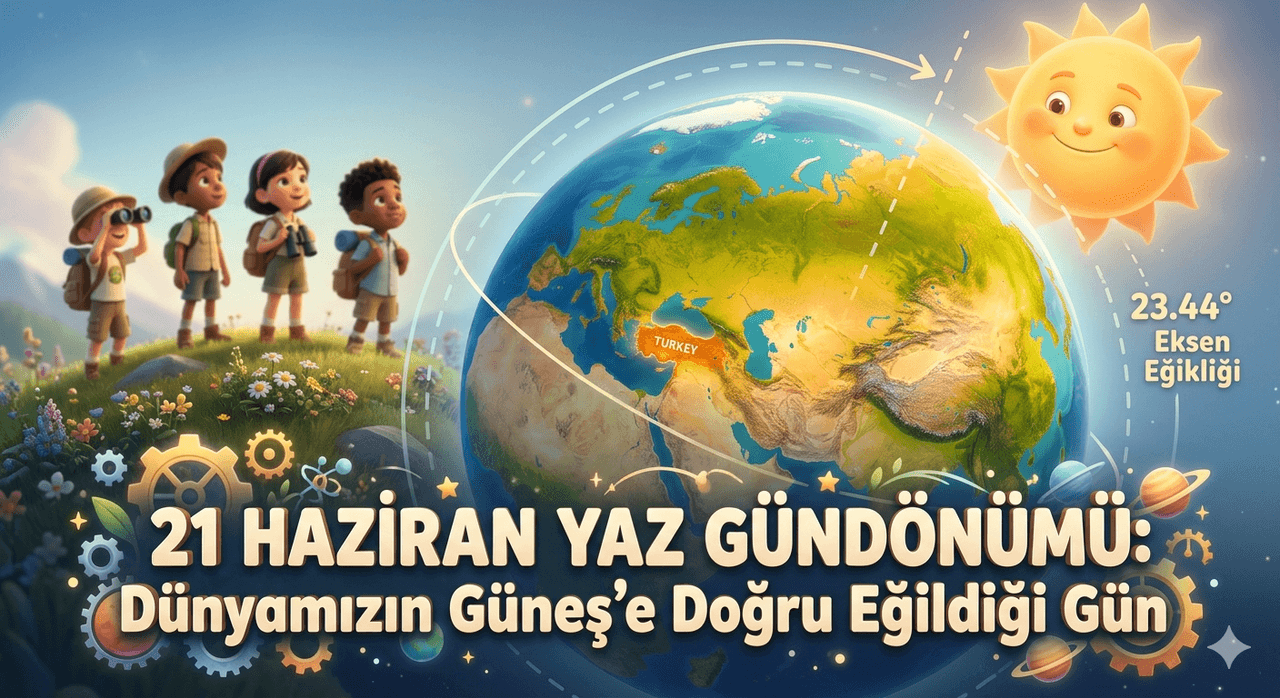
June 21 Summer Solstice
Our planet travels a long journey around the Sun in space. During this journey, when calendars show June 21, a unique natural phenomenon occurs in the sky and on Earth. This event is called the summer solstice. The summer solstice is astronomically recognized as the beginning of summer in the Northern Hemisphere—that is, the upper half of Earth where our country, Türkiye, is located. Generated by Artificial Intelligence. " image-element-format="right" image-height="768" image-source="https://cdn
EN
Miray GÜR
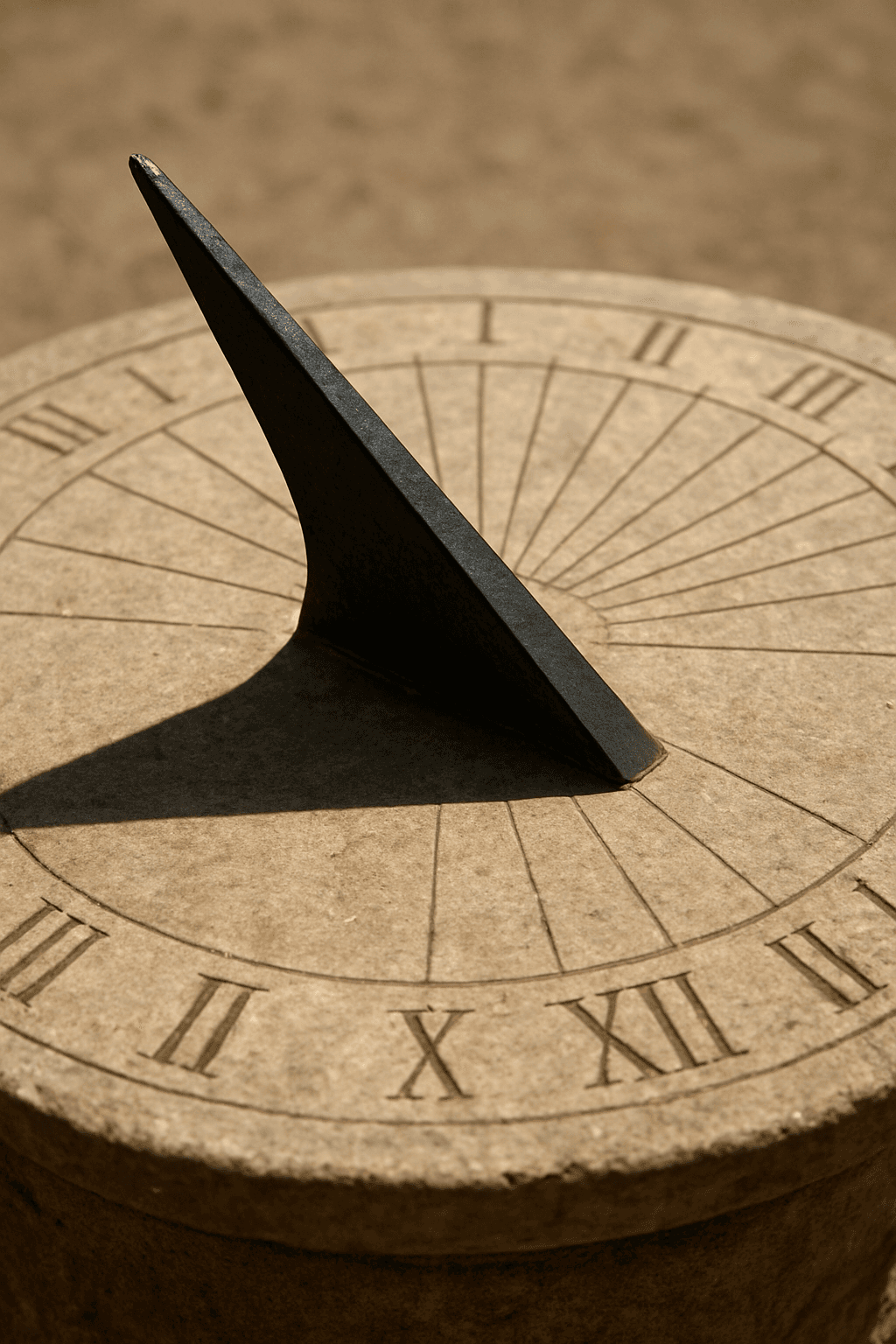
Gnomon
The gnomon is one of the oldest measurement devices based on the principle of casting a shadow from a vertical rod exposed to sunlight. The length and direction of the shadow can be used to determine the time of day the season of the year and the cardinal directions. The gnomon lies at the center of humanity’s earliest systematic efforts to understand the sky. Historical Background In the ancient world the gnomon was a fundamental observational instrument used for both practical and cosmological
EN
Şafak Zülal Tekin
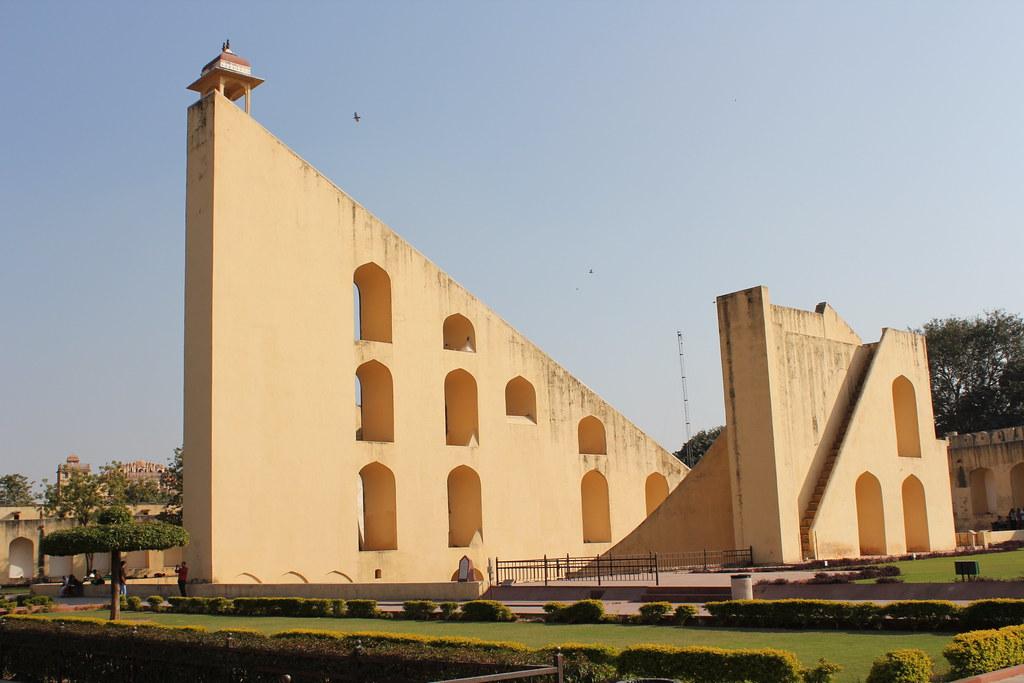
Jantar Mantar Observatory
Jaipur’s Jantar Mantar Observatory is a complex of monumental astronomical instruments constructed in the early 18th century. It is the most comprehensive and best-preserved of India’s historic observatories, reflecting both the scientific expertise and cosmological understanding of its time. During the late Mughal period, it emerged as the center for astronomical and astrological practices within the court of an enlightened prince. Historical Background and Establishment Process The historical
EN
Nursena Şahin