

`astronomy` Related Article Results
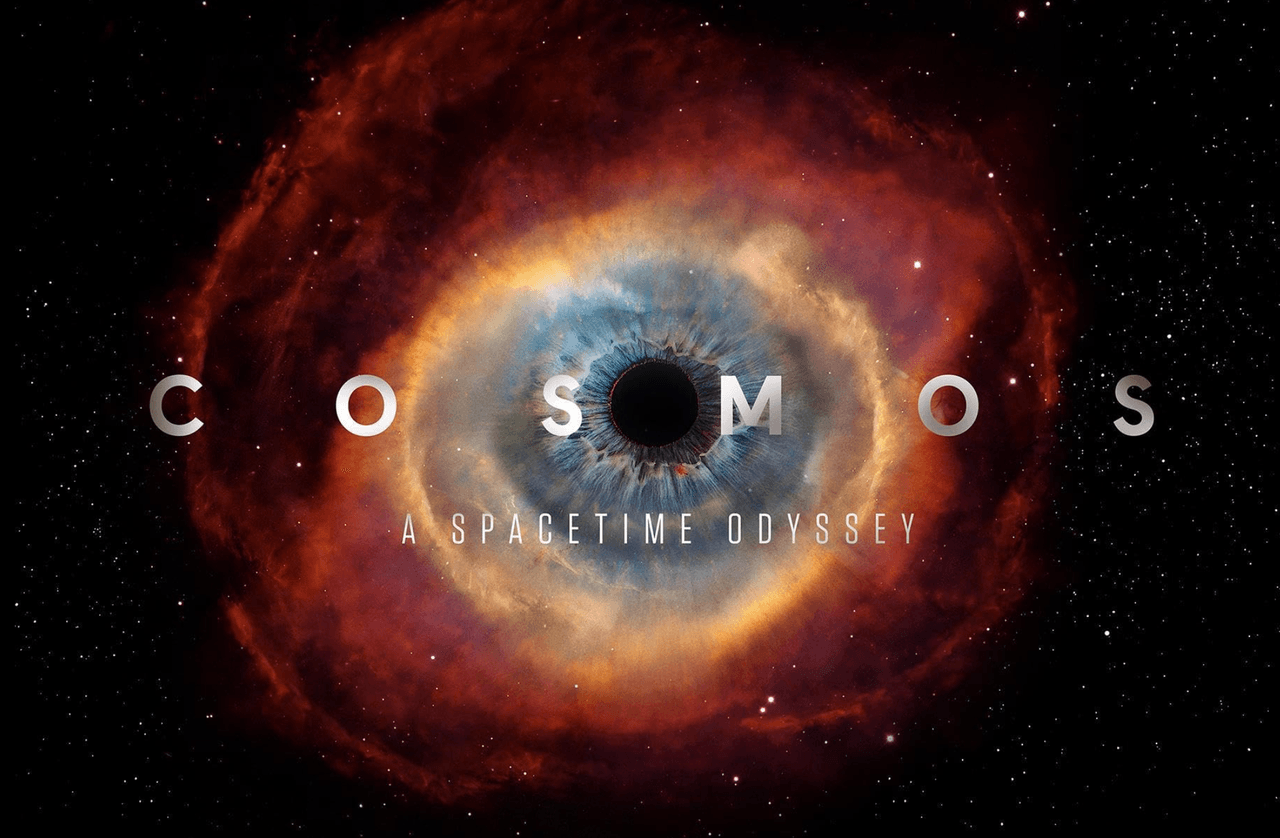
Cosmos: A Spacetime Odyssey (Documentary)
Cosmos: A Spacetime Odyssey (Cosmos: Bir Uzay-Zaman Serüveni) is a documentary television series that examines the fundamental principles of the universe and the historical development of scientific discoveries. Produced and presented by astrophysicist Neil deGrasse Tyson, the series aims to provide viewers with a scientific perspective on various aspects of the cosmos. First aired in 2014, the series serves as a modern continuation of Carl Sagan’s 1980 documentary Cosmos: A Personal Voyage. Whi
EN
Ece Sude Kabadayı
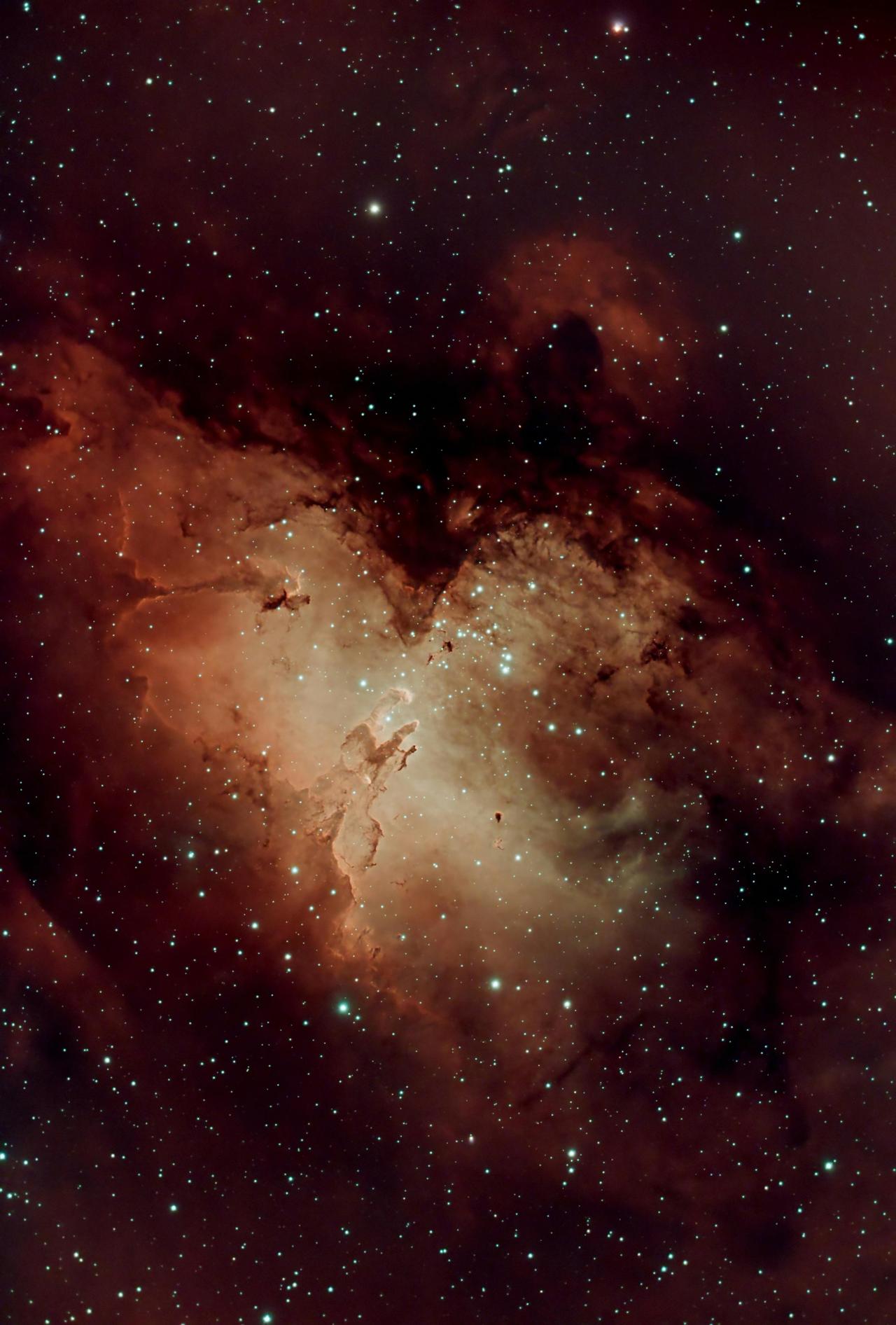
Astrophysics
Astrophysics is a scientific discipline that applies the laws of physics and chemistry to understand the nature, origin, development, and future of the universe and its celestial objects. This field has examined the processes from birth to death of of the stars, planets, galaxies, clouds' and other cosmic structures. While Astronomy focuses on measuring the positions, motions and brightnesses of celestial objects, astrophysics has developed theories to explain the physical properties of these ob
EN
Aykut Laçın
 An
AnAntenna Galaxies
Antenna The Antennae Galaxies hold a prominent place in the astronomical community among colliding galaxies important as a place key example. Located approximately 45 million light years from World, in the Crow Corvus constellation, this system system reveals the ongoing merger of two spiral galaxies. Galaxy Mergers are critical to the structural evolution of the universe, contributing to the formation of large-scale structures on cosmic scales by increasing the rate of star formation. Artificia
EN
Osman Özbay
Barnard's Galaxy
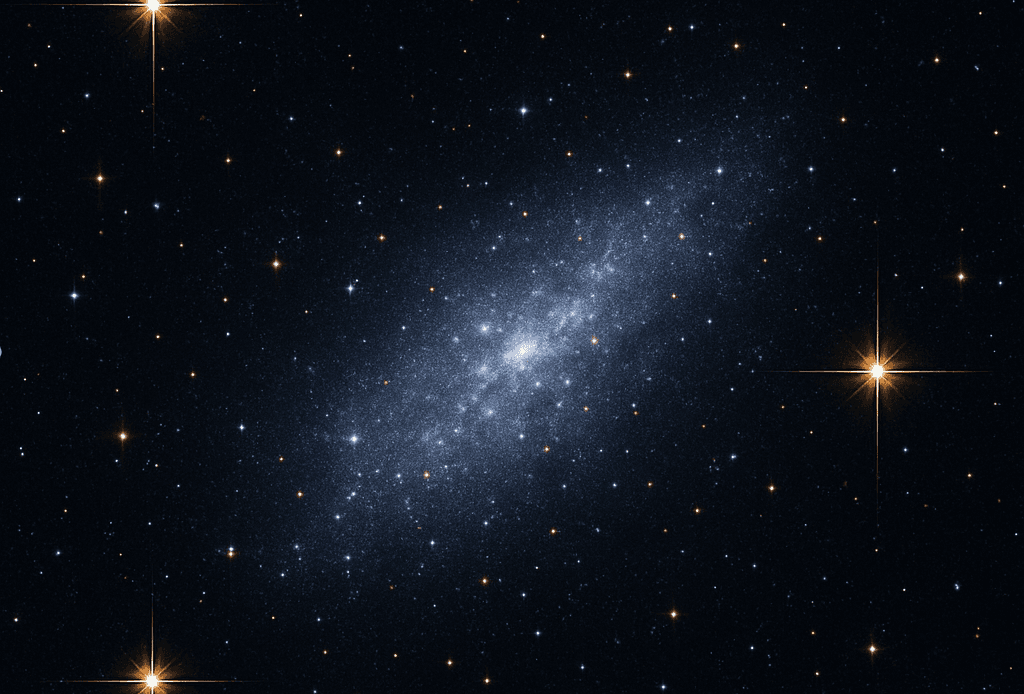
NGC 6822, commonly known as Barnard’s Galaxy, is one of the irregular dwarf galaxies belonging to the Local Group. Discovered in 1884 by American astronomer Edward Emerson Barnard, this celestial object is a low-mass and low-luminosity system, unlike the larger members of the Local Group such as Andromeda and Triangulum. Due to its relative proximity to the Milky Way and its structural characteristics, NGC 6822 holds potential for shedding light on the early stages of galaxy formation and evolut
EN
Osman Özbay
What Happens If the Sun Explodes?
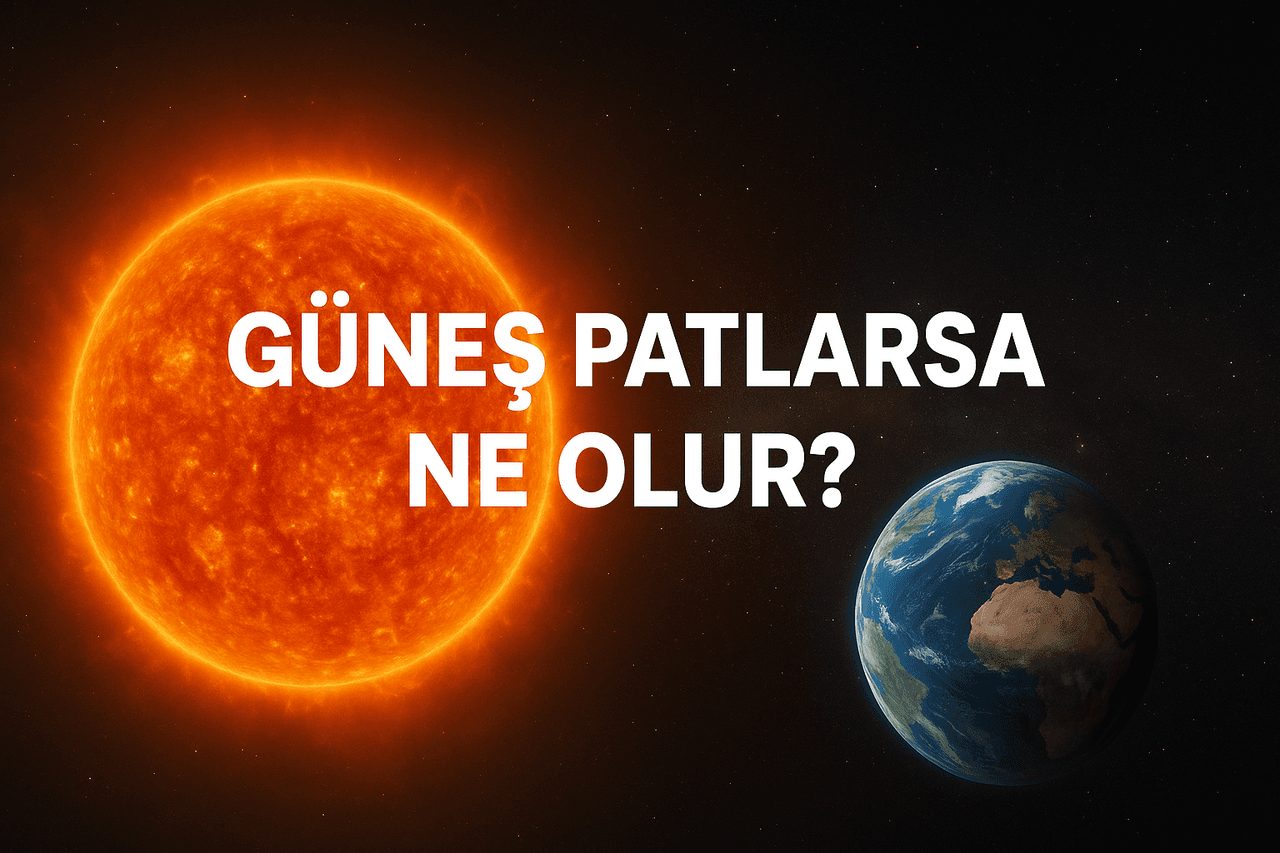
The Sun is the source of everything on Earth. Our light, our heat, our seasons—all are made possible by the Sun’s steady luminosity. But a major question arises in the mind: What happens when the Sun one day dies? First, it is essential to understand: The Sun is not a star capable of exploding like a supernova. The reason is its relatively small mass. Supernova explosions occur only in massive stars with at least eight to ten times the mass of the Sun. Therefore, the Sun’s fate is not to explode
EN
Aykut Laçın
Abdullah Kızılırmak
Prof. Dr. Abdullah Kızılırmak was born on 16 February 1925 in Pınarbaşı, Kayseri. He studied mathematics and astronomy at the Faculty of Science of Ankara University as a scholarship recipient of the Ministry of National Education and graduated in 1947. Early Professional Appointments From 1947 to 1952, he taught mathematics and astronomy at Antakya High School and Ankara Atatürk High School. On 20 August 1952, he was appointed as an assistant at the Institute of Astronomy of the Faculty of Scie
EN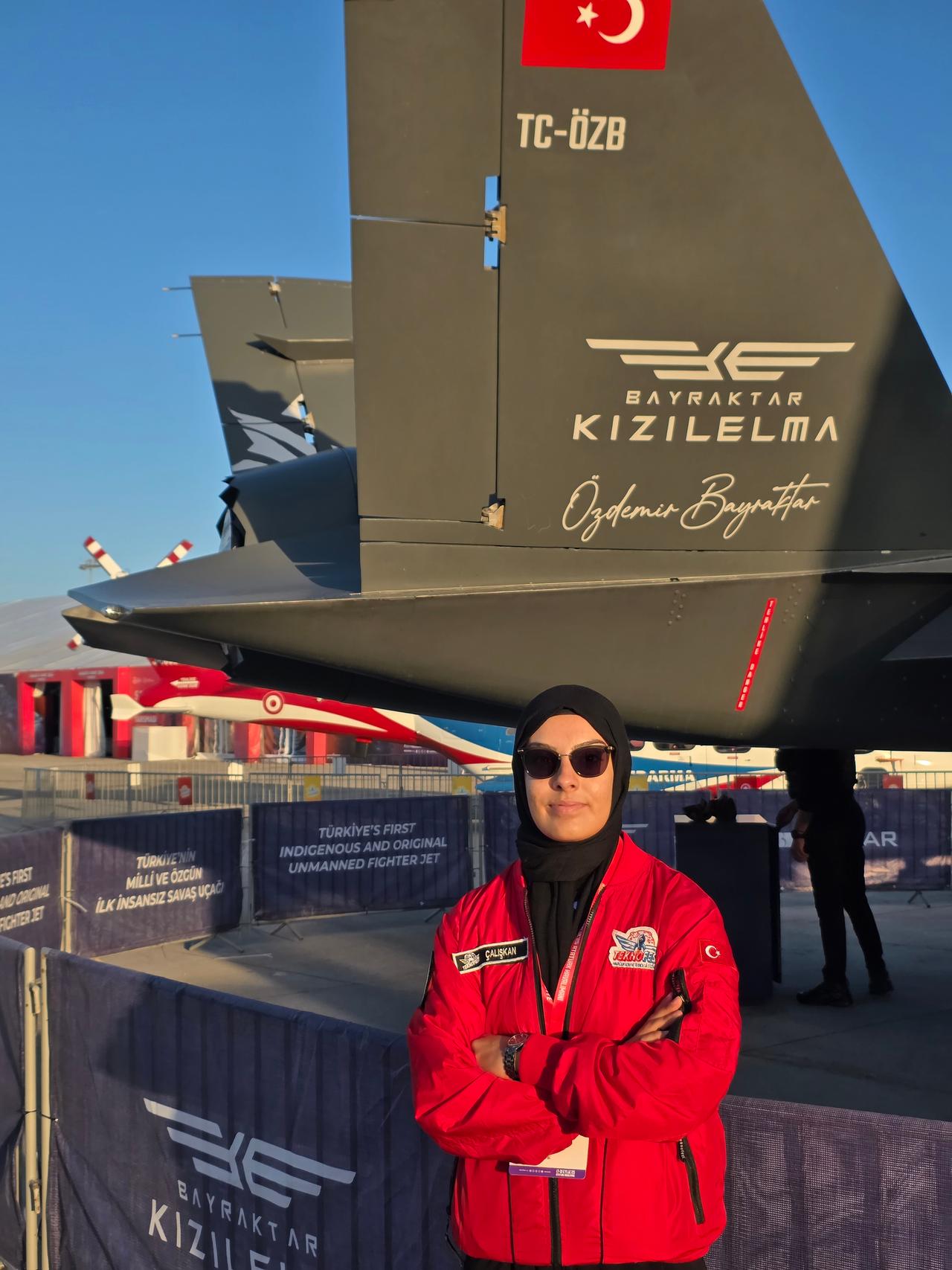
Neriman Çalışkan
Unity 25
Unity 25, conducted by Virgin Galactic on May 25, 2023, was the company’s final crewed test flight before the start of commercial space travel. As the 25th flight of the VSS Unity spaceplane, the mission was named “Unity 25.” This operation held significant value for validating technical systems and astronaut training. Additionally, the mission symbolized inclusivity and diversity, with crew members representing various technical and cultural backgrounds. Mission Objectives The main objectives o
EN
Hikmet Can Urhan
Cacabey and Gökbilim Madrasa
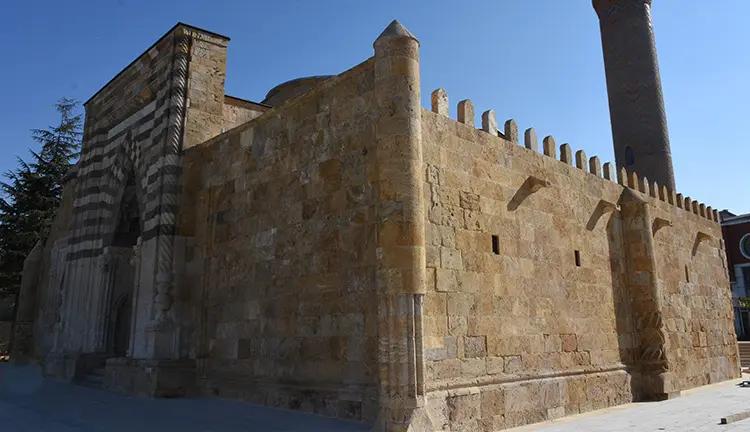
The Cacabey and Gökbilim Madrasa is a structure built during the Anatolian Seljuk State period, designed for education in the field of astronomy. The building is located in the present-day center of Kırşehir, Turkey. Its architectural features, purpose of construction, and historical context reflect the 13th-century Seljuk approach to science and education. Over time, the building has also gained the function of a mosque, and following restoration works, it is preserved as a structure that holds
EN
Sümeyye Akkanat Terzioğlu
Red Rectangle Nebula (HD 44179)
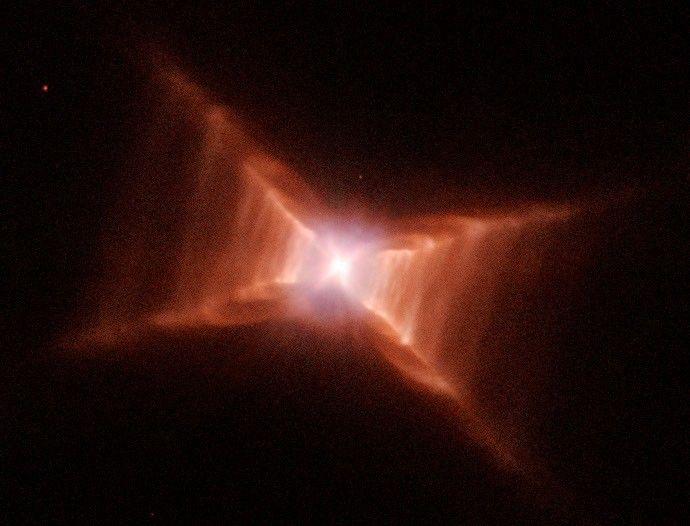
The Red Rectangle Nebula (HD 44179) is a reflection nebula noted for its distinctive shape and reddish hue, located in the direction of the Monoceros (Unicorn) constellation. This object, centered on the star HD 44179, is commonly referred to as the "Red Rectangle" due to its predominantly symmetric and rectangular-like appearance. First discovered in 1973, the nebula has gained significant importance in astrophysical research because of its unusual morphology and chemical composition. Technical
ENOsman Özbay
WoWow! Signal
Wow! is a strong, narrowband radio signal detected on August 15, 1977, by the Big Ear radio telescope affiliated with Ohio State University. The signal’s unique characteristics and one-time nature have made it one of the most intriguing potential candidates for extraterrestrial communication ever recorded. It acquired its name from the note “Wow!” written by astronomer Jerry R. Ehman beside the printout where the signal was observed. Technical Characteristics The Wow! signal was observed for app
EN
Umut Zaif