

`ritual` Related Article Results
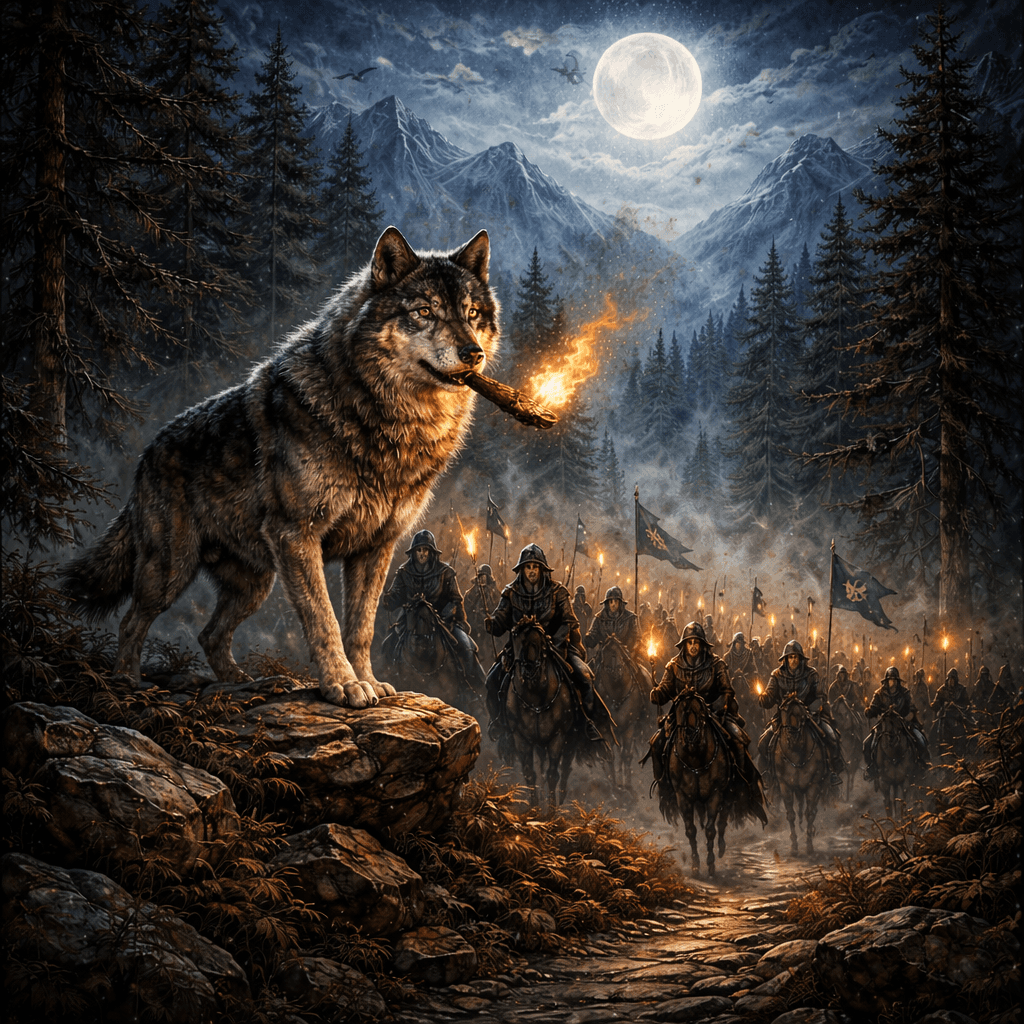
Turkish Mythology
Turkish mythology encompasses the beliefs, rituals, and narratives developed by Turkic peoples since prehistoric times regarding supernatural beings, the origin of the universe and humanity, and their ancestors. Mythological narratives are found nearly everywhere Turkic communities have settled. The mythological elements of the Turkic peoples, who spread across a vast geography from the Central Asia steppes to the interior of Europe, from the Siberian steppes to Africa, have influenced these reg
EN
Duygu Şahinler
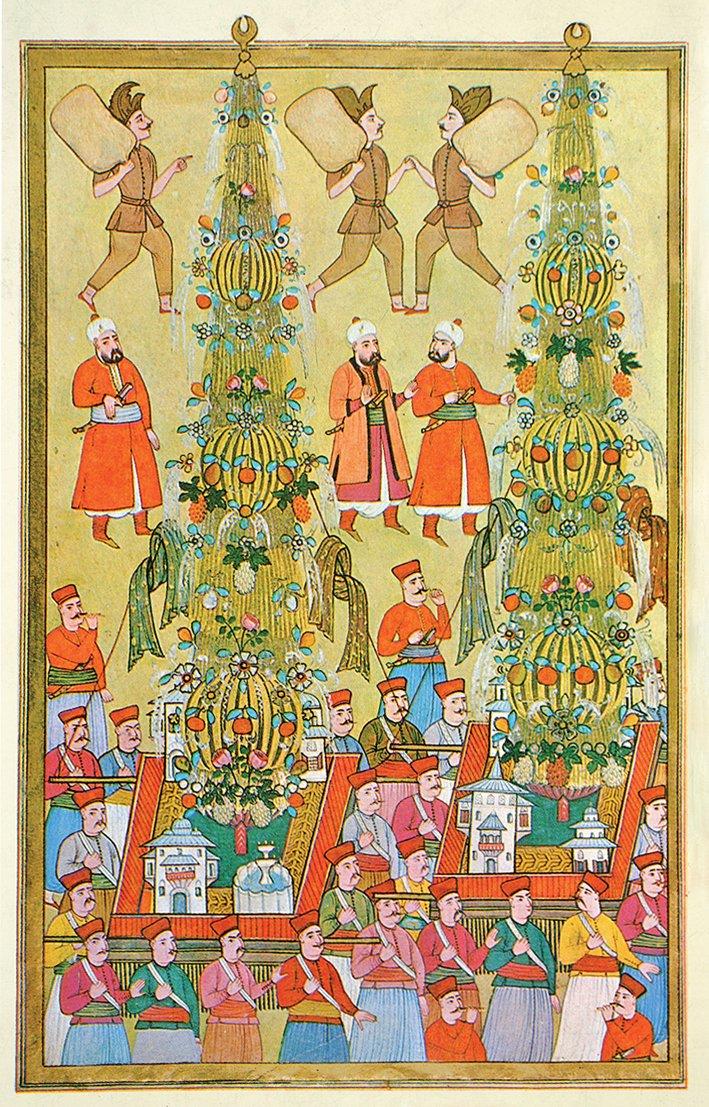
How to Praise
Nahıl övme is a traditional wedding ritual practiced especially in Ürgüp and surrounding villages of Nevşehir. This custom is performed to invoke good fortune for the groom, enhance his social standing, and ensure a blessed beginning to his new life. It is typically carried out on the night connecting Wednesday to Thursday, as part of the “güvey donatma” ceremony. Nahıl consists of a wooden framework approximately 1.5 to 2 meters in height. The framework is decorated with graph paper, adorned wi
EN
Melahat Pamuk

Summer Solstice
The summer solstice, occurs annually on June 21 and is an astronomical event marking the longest day and shortest night of the year in the Northern Hemisphere. It happens when the Sun reaches its northernmost position in the sky (the Tropic of Cancer) and is one of the four key turning points of the astronomical year. The term “solstice” derives from the Latin words sol (Sun) and sistere (to stand still). The summer solstice can be observed between June 20 and 22, with minor variations depending
EN
Mustafa Cem İnci
 Aw
AwAwumbuk
The term "Awumbuk" is used by the Baining people of Papua New Guinea to describe a sense of sluggishness or emptiness felt after the departure of guests. It is believed that the departure of guests leaves a weighty feeling in the home, and this sensation manifests as inertia and distraction that can last for days after the separation. The Baining people believe that the departure of guests alters the atmosphere of the home, leaving behind a kind of "decaying air." This air is cleansed through a
EN
Sümeyra Uzun
Day of the Dead (Día de los Muertos)
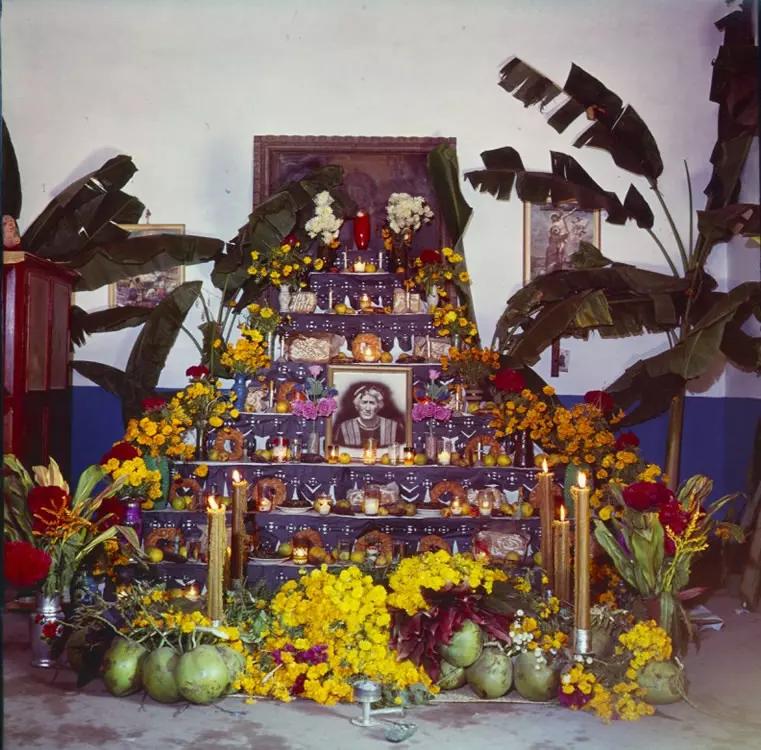
Day of the Dead (Spanish: Día de los Muertos) is a traditional cultural and religious holiday observed in various regions of Latin America, especially Mexico, dedicated to honoring deceased family members and ancestors. Celebrated annually on November 1 and 2, the festivities are based on the belief that the souls of the deceased return briefly to the world of the living. The holiday is known for its colorful rituals that emphasize the continuity of life, family bonds, and intergenerational memo
EN
Nursena Şahin
Kalk Git Café
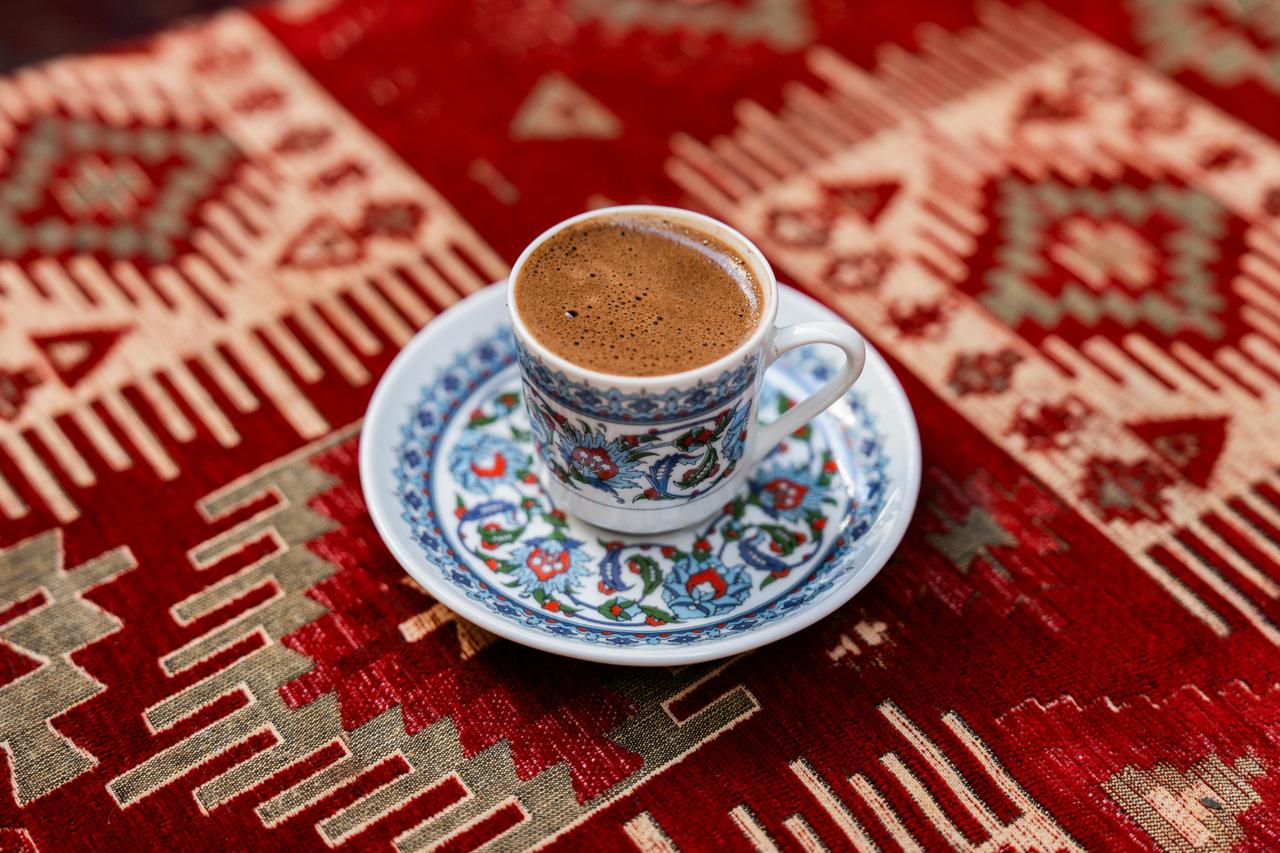
Kalk git kahvesi is a symbolic coffee offering that signals to guests that it is time to leave a yâran sohbeti gathering. Served after the meal and game segments, this coffee indicates that the open, guest-inclusive phase of the conversation has ended. Rather than a direct verbal cue, it functions as a traditional and ritualistic signal. Its Place in Yâran Sohbetleri Yâran sohbetleri are disciplined, rule-bound gatherings conducted within a defined structure and hierarchy. Each phase of the meet
EN
Meryem Şentürk Çoban
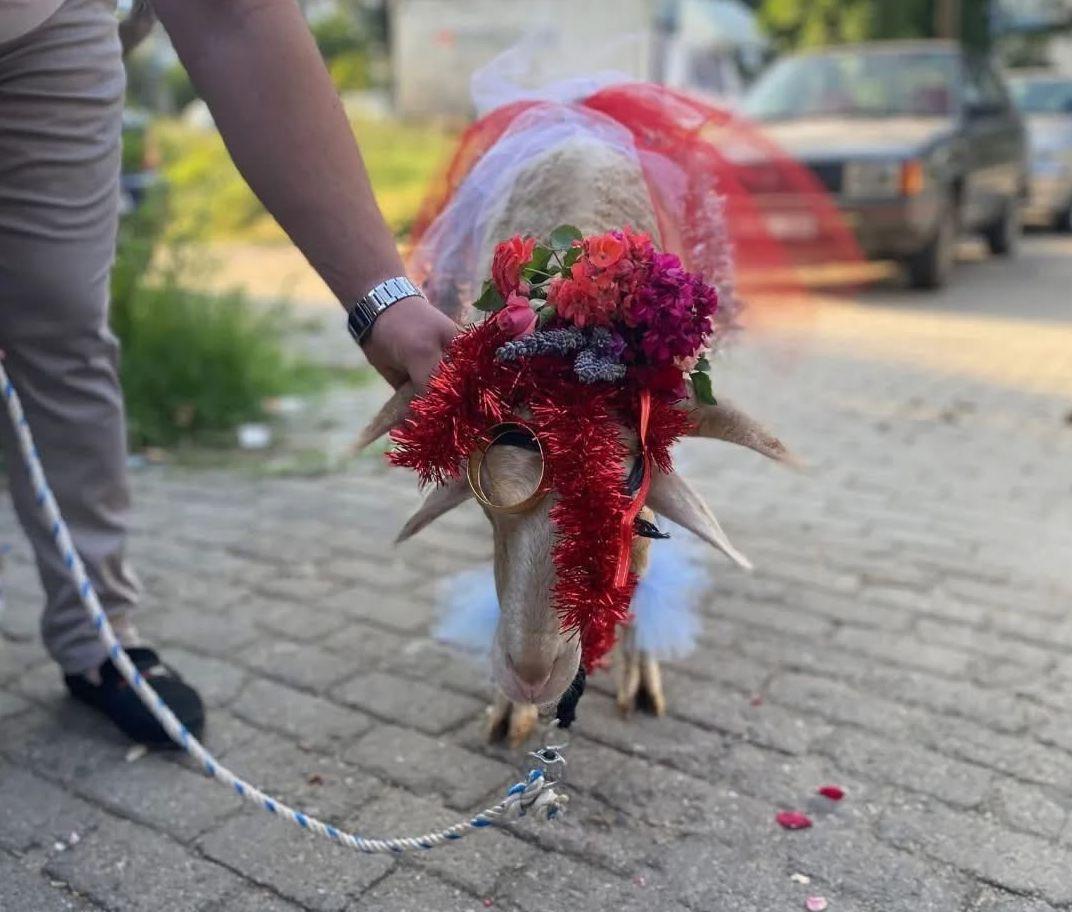
Gelin Koçu Tradition
The Bride Ram Tradition is a ritual unique to Turkish folk culture, in which the groom’s family sends a decorated ram to the bride’s home as part of the wedding process. This ram is typically sent before Eid al-Adha, and is presented ceremonially with gold, money, or various jewelry adorned upon it. The Tradition of Sending a Ram to Bride Candidates Continues in Beypazarı (İhlas News Agency - YouTube) " youtube-video-element-format="right"> History The bride ram tradition is linked to the sac
EN
Duygu Şahinler
RiRitual of Selling a Child
The Child-Selling Ritual is a symbolic rite performed to protect a newborn or expected child from evil spirits, the threat of death, or misfortune. The core logic of the ritual lies in concealing the child’s true parental identity from evil spirits or presenting the child as belonging to someone else, thereby deceiving the forces believed to cause death, misfortune, or possession. In Turkish folk narratives, this practice is called “child-selling,” while in Slavic beliefs, a ritual serving the s
ENDuygu Şahinler
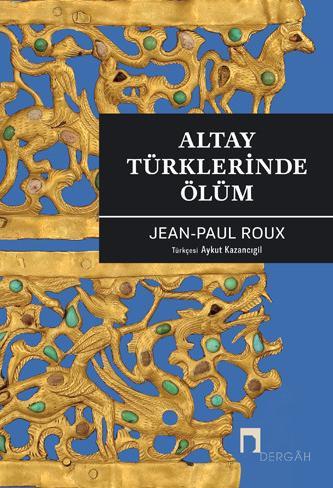
Death Among the Altaic Turks (Book)
Death Among the Altaic Turks (Altay Türklerinde Ölüm) is a Turkish translation of a 1963 work by the French Turkologist Jean-Paul Roux. Published in November 2023 as part of Dergâh Publications' History series, the work provides a comprehensive analysis of the understanding and practices of death among the Altaic peoples. Subject and Content The book addresses how death is understood in Altaic societies and the social function of beliefs and rituals related to death. Roux emphasizes that in this
EN
Muhammed Samed Acar
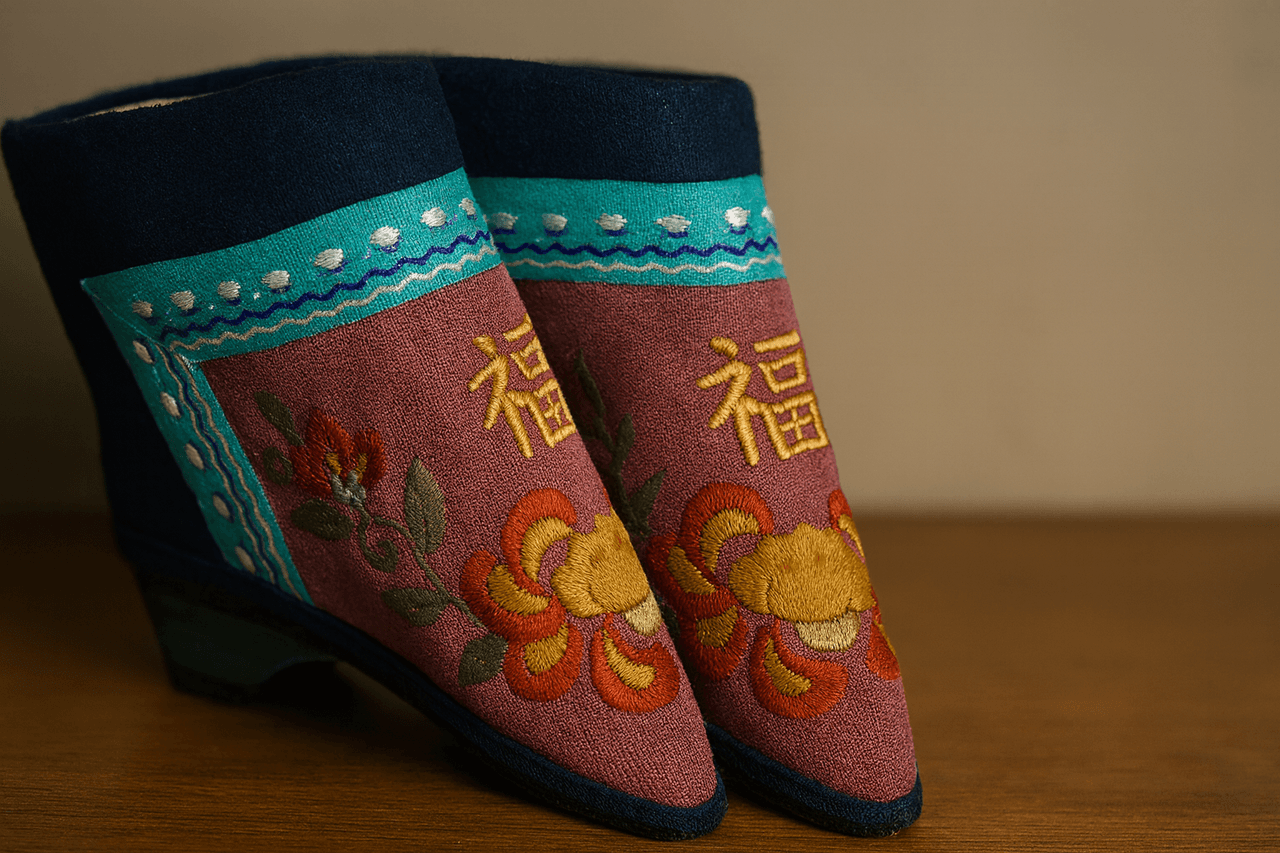
Lotus Feet
Lotus Feet is a physical condition resulting from the tight binding of girls’ feet in China, which obstructed normal development and transformed the feet into a small, inwardly curled shape. The practice became a symbol of status and elegance among aristocratic circles during the Song Dynasty and later spread to other social classes. Small feet were widely regarded as markers of beauty, nobility, and desirability in marriage. Terminology The lotus metaphor was used to describe the ideal shape of
EN
Sümeyye Akkanat Terzioğlu