


This article was automatically translated from the original Turkish version.
+1 More
Press, in its broadest sense, refers to communication activities and the means through which news, information, ideas, and commentary are conveyed to the public. Initially, the term encompassed only printed publications, but over time it has expanded to include visual and digital media.
Press is recognized as an instrument for both individuals and societies to access information. In this context, it not only transmits news but also fulfills functions such as shaping public opinion, ensuring social oversight, supporting critical thinking, and contributing to democratic governance. The fundamental characteristic of the press is the continuity and public nature of its content production.
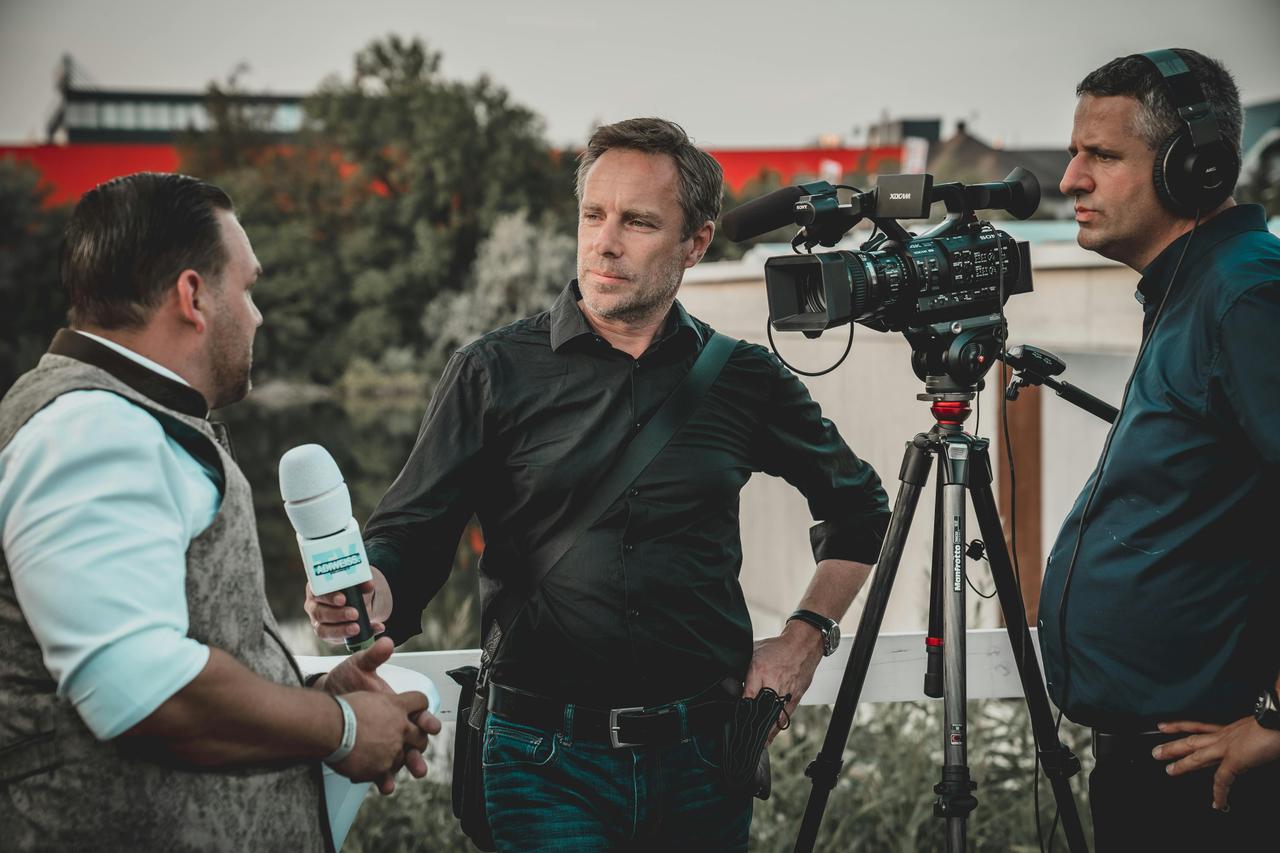
The press is a general term for written visual or digital media outlets aimed at informing the public and facilitating social communication. Its history begins with the invention of writing. The earliest written documents emerged in Mesopotamia in the 3rd millennium BCE, while in ancient Rome, official documents known as “Acta Diurna” marked the beginning of press activities.
The invention of the printing press by Gutenberg in the 15th century was a pivotal turning point in the development of the press. With the spread of printing, newspapers and pamphlets rapidly proliferated. In 1605, the first modern newspaper, “Relation,” was published in Germany. During the 18th century, with the Enlightenment, the press became a force for public education, and press freedom emerged as a major topic of debate.
In the 16th century, the Industrial Revolution accelerated newspaper production. In the 20th century, new media such as television and radio played a significant role in the evolution of the press. By the 21st century, the impact of the internet led to the rise of digital media, with news rapidly being published through digital platforms. This digital transformation has significantly altered the role and influence of the press.
The press is categorized into various types according to the form of content it delivers and the media and technologies it employs. These types have not been mutually exclusive throughout history; rather, they have often complemented each other. The development of press types through written visual and digital media has transformed both the modes of content production and the relationship with public opinion. Below are the main types of press and their functional characteristics.
Print press refers to content disseminated through printed media. It is considered the earliest form of modern journalism and for a long time fulfilled the functions of informing educating and guiding public opinion.
Visual press is a media type that presents news and information through a combination of images and sound. This field developed in the second half of the 20th century and became one of the most powerful forms of mass communication.
Digital press encompasses news and information content produced using internet technologies and published on online platforms. This type includes both the digital extensions of traditional press and entirely new media forms existing only in digital environments.
Alternative media refers to media outlets that operate outside the mainstream and often adopt a critical stance toward it. They typically follow an independent publishing policy free from state control major capital groups and state-supported censorship. This media type aims to give voice to marginalized groups bring underreported news to the public agenda and support critical thinking.
While the concept of independent media overlaps with alternative media it places greater emphasis on financial editorial and political independence. Digital platforms have provided a significant foundation for independent media formations resulting in publications sustained by individual or small teams through volunteer support or crowdfunding.
The press is a cornerstone of democratic societies. For it to fulfill this function effectively legal protection of press freedom alongside freedom of expression is essential. Legal systems strive to safeguard both the individual’s right to access information and journalists’ freedom to perform public oversight. However this freedom may be restricted under certain circumstances such as public order national security privacy of private life or judicial independence.

Press freedom is a fundamental form of freedom of expression that guarantees the rights of media outlets to report and comment disseminate information and produce criticism. This freedom encompasses not only journalists but also the public’s right to access accurate and diverse information. Press freedom implies independence from state interference as well as the ability of media professionals to operate free from economic administrative or political pressure. In modern legal systems press freedom is assessed together with freedom of expression and is regarded as one of the prerequisites of democratic society.
In Türkiye press freedom is constitutionally protected under Article 28 of the 1982 Constitution. This article states “the press is free and shall not be censored.” However the same article also specifies that press freedom may be restricted on grounds such as public order national security general morality and personal rights.
The primary law regulating the implementation of press freedom is the Press Law No. 5187 which entered into force in 2004. This law defines procedures and principles concerning crimes committed through the press press card regulations the right to correction and response and obligations of periodic publications. Furthermore provisions regarding publications on the internet are implemented within the framework of the Law No. 5651 on the Regulation of Publications on the Internet
.
Censorship refers to the prior review and prohibition of news and publications by authorities. In modern democratic systems censorship is directly prohibited by constitutional provisions. Constitution in Türkiye also explicitly opposes such interventions.
Nevertheless even in the absence of direct state intervention self-censorship is a widespread problem as media professionals often refrain from publishing certain content due to threats of pressure dismissal or lawsuits. Self-censorship means journalists impose content restrictions on themselves often due to economic or political pressures.
Legal restrictions are regulations that define the boundaries of freedom of expression and press freedom. Certain articles in the Criminal Code such as those concerning insult to state officials incitement to hatred and hostility and propaganda for terrorist organizations can threaten press freedom when interpreted broadly. Therefore narrow judicial interpretation of these limits is critical to maintaining the balance between freedom and security.
Press freedom is not only protected in national constitutions and laws but also in international human rights instruments.
Article 19 of the 1948 Universal Declaration of Human Rights states “Everyone has the right to freedom of opinion and expression. This right includes freedom to hold opinions without interference and to seek receive and impart information and ideas through any media and regardless of frontiers.” This article affirms press freedom as a globally recognized human right.
Article 10 of the European Convention on Human Rights (ECHR) binding on member states of the Council of Europe also safeguards freedom of expression and press freedom. Article 10 recognizes everyone’s right to hold opinions and to receive and impart information and ideas but acknowledges that this freedom may be subject to certain restrictions. However such restrictions must be “prescribed by law and necessary in a democratic society.” The European Court of Human Rights (ECtHR) has clarified the boundaries of these freedoms through its rulings and established jurisprudence to monitor state practices.
The press is not merely a tool for delivering news and informing public opinion but also a powerful institution that shapes society. Therefore journalistic activities must be conducted not only within the legal framework but also in accordance with ethical principles. Press ethics is the comprehensive set of fundamental principles that ensure journalism is carried out honestly fairly and responsibly in the public interest.
Accuracy is the cornerstone of journalism. Verifying the truth of a report is not only a duty toward the news itself but also a respect for the public’s right to be informed. Publishing unverified claims can damage individuals’ reputations and contribute to misinformation in society.
Impartiality refers to the journalist’s obligation to approach events without injecting personal bias or interest. Maintaining balance between parties representing diverse viewpoints and distinguishing between fact and opinion are essential requirements of this principle. Impartiality also encompasses media independence from political or economic power centers.
Source attribution is another ethical principle that enhances the credibility of news. Identifying the person institution or document from which information is obtained provides transparency to the public and enables accountability in cases of misinformation. The use of anonymous sources should be exceptional and only employed when the public interest is at stake.
In Türkiye the journalism profession has been structured within an ethical framework established by various professional organizations. The Press Professional Principles adopted and periodically updated since 1989 by the Turkish Journalists Association (TGC) are among the most well-known examples of this framework.
According to these principles journalists must:
In addition organizations such as the Press Council have established mechanisms to evaluate ethical violations and share their decisions with the public. These bodies perform a function of social oversight over media professionals and institutions.
In media and press misinformation refers to the deliberate dissemination of false or misleading information. Misinformation is typically spread to achieve a specific goal influence public opinion or target a particular individual group or ideology. Such information is often supported by manipulation misleading visuals incorrect data or distorted interpretations.
Social media and digital platforms play a significant role in the spread of misinformation. These types of content spread rapidly and can also appear in traditional media outlets. This process undermines social trust and impedes the public’s access to accurate information. Preventing misinformation in media requires promoting media literacy strengthening verification processes and encouraging ethical journalism.
The press sector is undergoing a profound transformation due to technological advances. The traditional media model is increasingly being replaced by a more flexible interactive and digital-based structure. This change reshapes not only how news is presented but also the dynamics of its production and consumption. New media is the general term for this transformation brought about by the digitization of press activities and encompasses a multidimensional field involving social legal and ethical dimensions.
Social media platforms have enabled individuals to directly participate in the production sharing and commentary of news breaking the monopoly of traditional press. Platforms such as Facebook X (formerly Twitter) Instagram and TikTok have become the primary news sources for many individuals. This situation has compelled traditional media outlets to become more active on digital platforms and has popularized content strategies such as tailoring news to social media algorithms and crafting attention-grabbing headlines. However social media has also brought challenges including the spread of misinformation clickbait journalism and misinformation.
Citizen journalism refers to individuals without professional journalistic training using technological tools to gather and share information. Thanks to smartphones social media and live streaming applications ordinary citizens can record and share events in real time. This development has enabled alternative information sources to emerge particularly in areas inaccessible to traditional media or during crises. However citizen journalism has also raised debates regarding insufficient verification processes lack of source reliability and absence of ethical responsibility. Nevertheless this trend contributes to the strengthening of participatory media.
Artificial intelligence (AI) technologies are increasingly used in news production. Automated text generation data-driven reporting content recommendation systems and audio news reading applications are transforming media organizations’ operational processes. Some news websites particularly in data-intensive fields such as economics sports and weather provide AI-supported content generated rapidly and without human intervention. Additionally AI algorithms analyze reader behavior to enable personalized content delivery.

Generated by Artificial Intelligence.
Akveran, S. (2018). ANA AKIM MEDYA ALTERNATİF MEDYA İHTİYACI VE ETİK. *Dördüncü Kuvvet Uluslararası Hakemli Dergi*, 1(1), 10–31.
American Press Association. "Principles of Journalism." Accessed April 12, 2025.
Basın Konseyi. "Basın Meslek İlkeleri." Accessed April 12, 2025.
Chan-Olmsted, Sylvia M. 2019. "A Review of Artificial Intelligence Adoptions in the Media Industry." *International Journal on Media Management* 21, no. 3-4: 193-215.https://doi.org/10.1080/14241277.2019.1695619
Demir, K. (2014). Osmanlı’da Basının Doğuşu ve Gazeteler. Iğdır Üniversitesi Sosyal Bilimler Dergisi, (5), 57–88.
Dugan, Molly A. 2016. "Journalism Ethics and the Independent Journalist." *McGeorge Law Review* 39. Available at: https://scholarlycommons.pacific.edu/mlr/vol39/iss3/8.
Esendal, Nihan. 2018. "Basın Yolu ile Kişilik Haklarının İhlali."
Hermida, A. 2012. "Social Journalism: Exploring How Social Media is Shaping Journalism." In *The Handbook of Global Online Journalism*, 309-328.
History of Information. "The First Printed Newspaper." Accessed April 12, 2025.
Kanaat, Ender Emre, Ceyda Ilgaz Büyükbaykal, and Güven Büyükbaykal. 2019. “Di̇ji̇tal Dönüşüm Ve Yazili Basin Üzeri̇ndeki̇ Etki̇leri̇.” *Electronic Turkish*
Mark Deuze (2004) What is multimedia journalism?, Journalism Studies, 5:2, 139–152, DOI:10.1080/1461670042000211131
Nielsen, R., Cornia, A., and Kalogeropoulos, A. 2016. "Challenges and Opportunities for News Media and Journalism in an Increasingly Digital, Mobile, and Social Media Environment." Reuters Institute for the Study of Journalism.
Society of Professional Journalists. "SPJ Code of Ethics." Accessed April 12, 2025.
Studies 14 (7): 3799–3817. doi:10.29228/TurkishStudies.39666.
Türkiye Cumhuriyeti Cumhurbaşkanlığı. "5187 Sayılı Basın Kanunu." Accessed April 12, 2025.
Türkiye Gazetecileri Cemiyeti. "Türkiye Gazetecilik Hak ve Sorumluluk Bildirgesi." Accessed April 12, 2025.
Çakmak, F. (2019). MEDYADA DEZENFORMASYON SORUNSALI VE MANİPÜLASYONUN GÜCÜ: İDEOLOJİ VE SÖYLEM AÇISINDAN SEÇİM HABERLERİNİN SİYASAL İLETİŞİMDEKİ ROLÜ. *Selçuk İletişim*, *12*(2), 1127-1154.
Çömlekçi, M. F. (2019). Sosyal medyada dezenformasyon ve haber doğrulama platformlarının pratikleri. *Gümüşhane Üniversitesi İletişim Fakültesi Elektronik Dergisi*, 7(3), 1549–1563.

History
Types of Press
Print Press
Visual Press
Digital / Online Press
Alternative and Independent Media
Press and Law
Concept of Press Freedom
Constitutional Protection and Related Laws
Censorship Self-Censorship and Legal Restrictions
International Instruments (Universal Declaration of Human Rights Article 10 of the ECHR)
Press Ethics and Responsibility
Principles of Accuracy Impartiality and Source Attribution
Press Professional Principles
Misinformation
New Media and the Future of the Press
Impact of Social Media on the Press
Citizen Journalism
Content Production with Artificial Intelligence