

`social-media` Related Article Results

Digital Minimalism (Book)
Digital Minimalism, titled LINK[a2222442f9ed54b3d], is a guide that addresses our dependence on contemporary digital technologies and advocates for more conscious and purposeful use of technology. Author grounds digital minimalism in the idea that individuals should use digital tools only to the extent that they add value to their lives. This approach is presented as a remedy against digital overload, attention fragmentation, and loss of meaning. Newport proposes removing technology from the cen
EN
Ahsen Karakaş

Visual Communication in the Twentieth Century
About 30 years ago, cameras introduced photography to our daily lives as a communication tool distinct from others. Yet, if we look closely, the phenomenon we call visual communication dates back even further—some even claim drawings were made as far back as 4,000 years ago. Indeed, drawing can be considered a form of visual communication. For instance, a child who has not yet learned to speak can convey their feelings through a few simple sketches on paper. In this article, we will touch upon t
EN
Yusuf Poyraz

Irrational Abundance
"Irrational abundance" refers to a cultural, psychological, and economic condition in which consumption patterns in modern societies exceed the boundaries of rationality. This concept emerges when individuals engage in excessive consumption beyond their actual needs, often resulting in a sense of deprivation amid material affluence. As a byproduct of capitalist economies driven by consumption-oriented growth, irrational abundance produces contradictory outcomes for both individual psychology and
EN
Merve Durumlu

Press
The press, in its broadest sense, refers to communication activities that fulfill the function of delivering news, information, opinions, and commentary to the public, as well as the mediums through which these activities are carried out. Initially, the term encompassed only printed publications, but over time it has come to represent a broader meaning, including visual and digital platforms. The press is regarded as a tool for ensuring both individuals' and societies' right to access informatio
EN
Esra Can
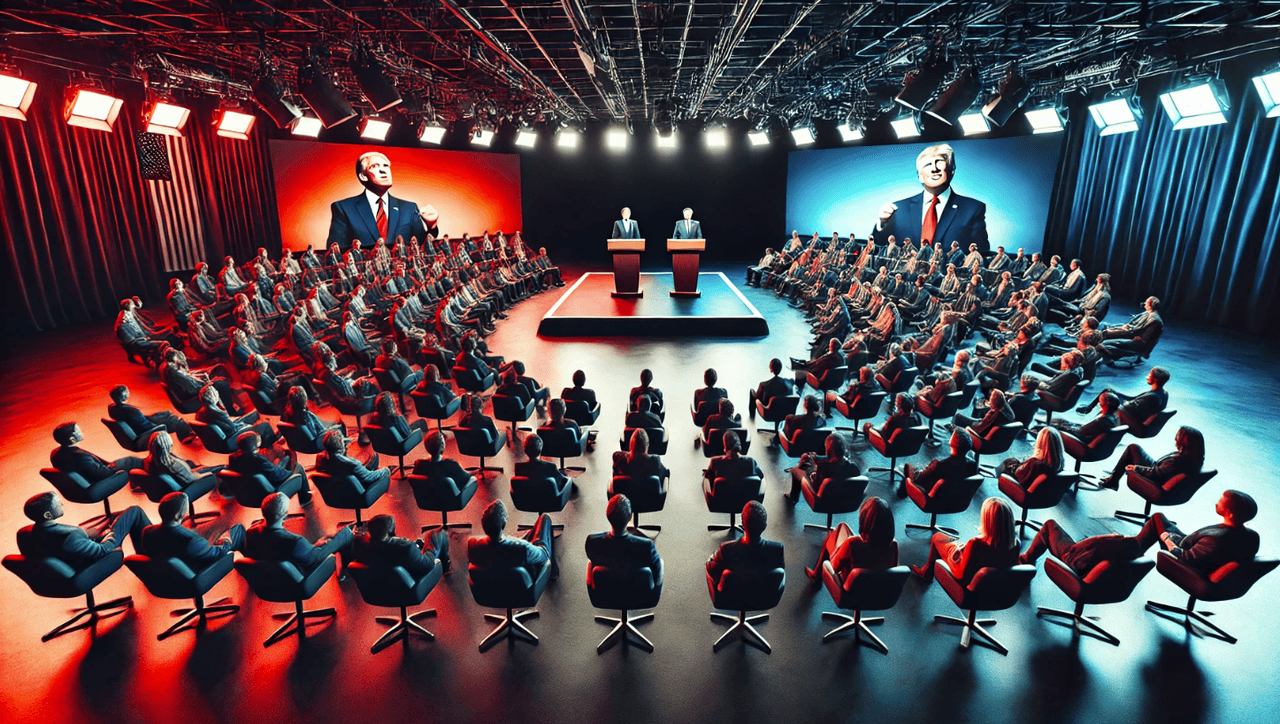
Political Polarization
Political polarization refers to the phenomenon in which individuals in a society exhibit a pronounced cleavage in their political views and attitudes. This polarization often manifests through the sharpening of ideological differences, the narrowing of common ground, and the increasing difficulty of reaching consensus between opposing groups. Polarization is observed not only at the level of voters but also among political actors and institutions. In the case of Türkiye, the roots of political
EN
Ahsen Karakaş

Emoji Movie (Film)
Emoji Movie (Original title: The Emoji Movie) is a 2017 American animated film. The movie explores a fictional world inhabited by emojis used in digital communication. Designed as a reflection of technology and social media culture, this animation aims to present the symbols of modern communication and digital life in an entertaining way for children and young audiences. Emoji Movie Trailer (Sony Pictures Türkiye) " youtube-video-element-format="right" youtube-video-id="8AwOoajPAzo"> Producti
EN
Hacer Büşra Aslan

Loneliness in Modern Societies: The Paradox of the Digital Age
Although the digital age has the potential to connect people beyond physical boundaries, paradoxically, it has contributed to an increase in feelings of loneliness in modern societies. This article examines the impact of digital technologies on social connections and how this situation shapes individuals’ experiences of loneliness. The Relationship Between Digital Connectivity and Loneliness Research indicates that while digital technologies facilitate social connections, they can also intensify
EN
Mehmet Taştan

Sometimes Believing Alone Is Enough
Life, for many of us, is a fast-flowing, complex, and exhausting journey. In a world overflowing with success stories on social media, finding one’s place is difficult. Questions like “What will I become?”, “Am I on the right path?”, or “What if I fail?” often turn into a persistent inner unrest. But perhaps the issue is not about solving everything, but sometimes simply trusting—in oneself, in the process, and in the Power that sees and knows us. Consider the story of Prophet Moses. He had no m
EN
Elif Nas Örsün
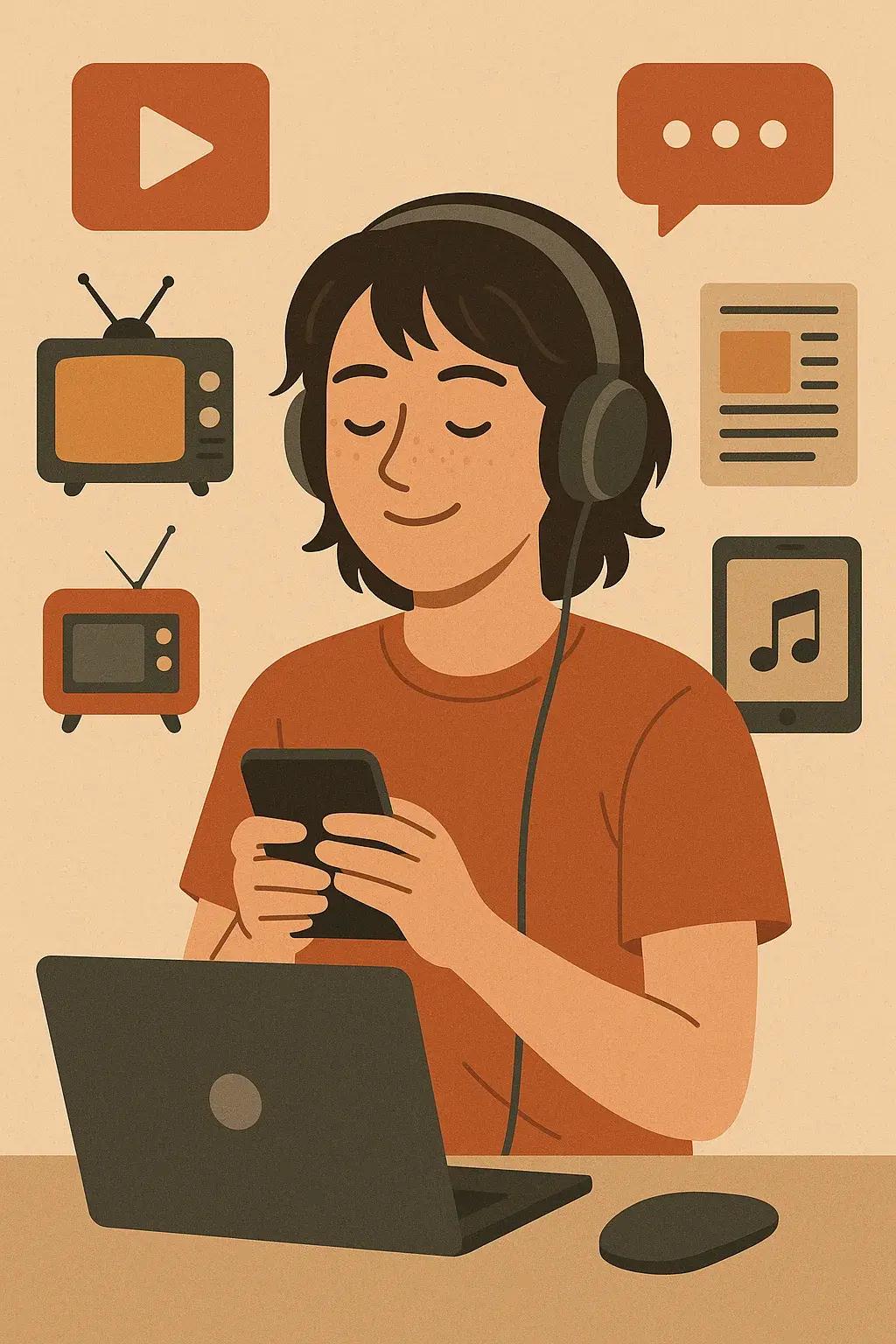
Z Zone and Media Consumption
Generation Z generally refers to individuals born in the year 2000 and thereafter and is defined as a generation inherently familiar with digital technologies. This generation has grown up immersed in digital communication tools such as mobile devices the internet and social media platforms and as a result their media consumption habits and methods of accessing information differ from those of previous generations. These individuals are notable for their high adaptation capacity toward technolog
EN
Elif Nur Çetinkaya
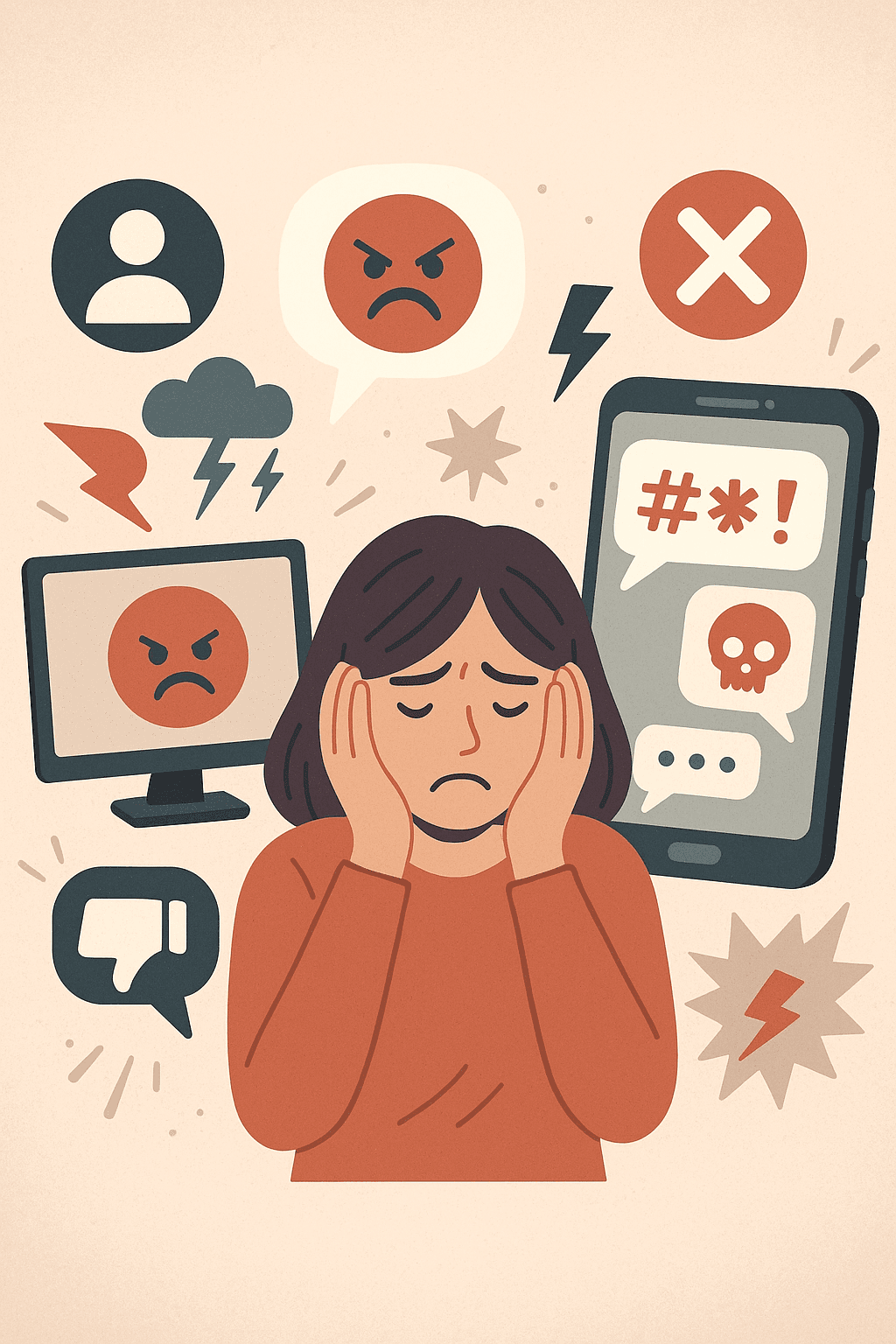
Hate Speech and New Media
Discursive expressions that aim to demean, otherize, and target individuals or groups based on their ethnic origin, religious belief, gender, language, or other identity characteristics are termed hate speech. This discourse, often infiltrating everyday life, is frequently reproduced without being noticed. Hate speech is a form of expression that embodies ideologies of otherization, demonization, and devaluation, typically emerging from power struggles or economic competition but gaining accepta
ENElif Nur Çetinkaya