


This article was automatically translated from the original Turkish version.
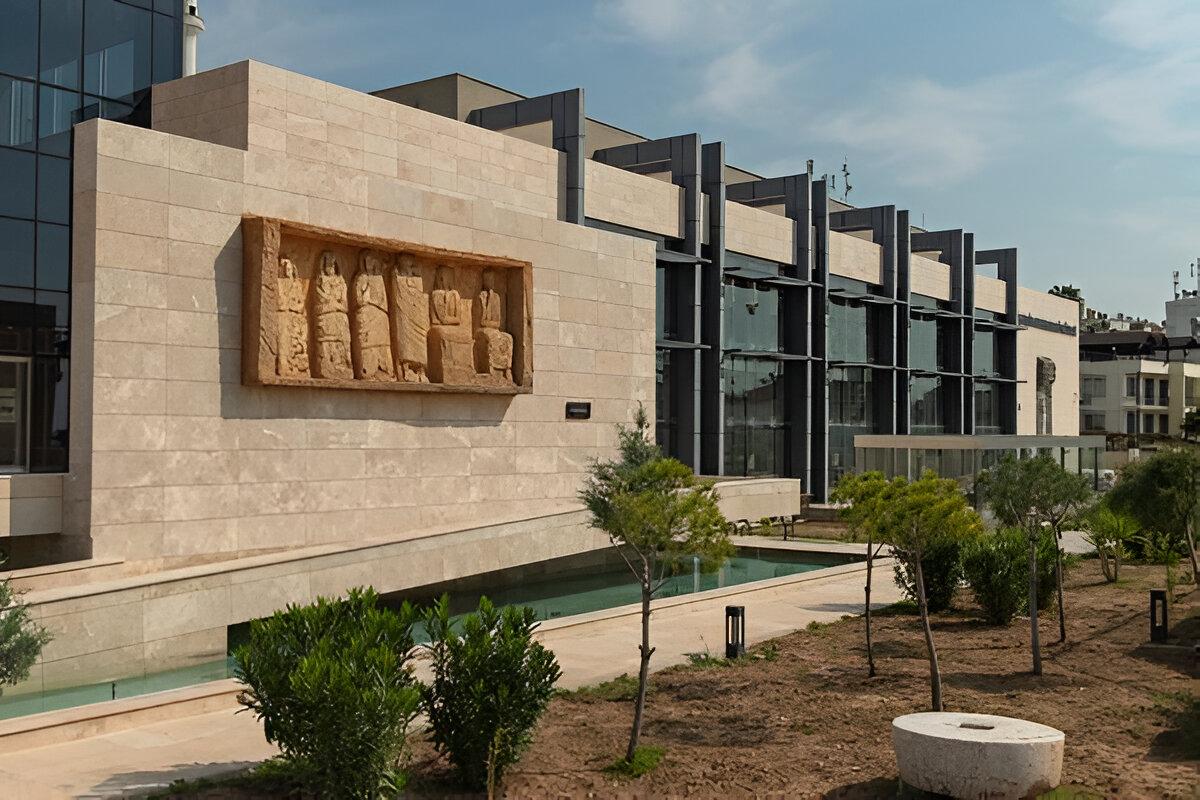
Mersin Archaeological Museum
Location | Gazi Neighborhood No: 54 Yenişehir/Mersin Türkiye | ||||||||
|---|---|---|---|---|---|---|---|---|---|
Opening Date(s) | 18 May 2017 (New Building) | ||||||||
Foundation Date | 1978 (In the Former Halkevi Building) | ||||||||
Building | Two stories including ground floor | ||||||||
Number of Exhibited Works | 1435 items (Archaeological, Ethnographic, Numismatic) | ||||||||
Total Inventory | 32,464 artifacts (6,095 archaeological, 24,904 numismatic, 890 ethnographic, 440 seals) | ||||||||
Mersin Archaeology Museum is a modern cultural complex located in the Gazi Neighborhood of the Yenişehir District in Mersin, Türkiye, along Adnan Menderes Boulevard yer. Designed according to contemporary museological principles, the museum was opened to the public on May 18, 2017, by the Minister of Culture and Tourism, Professor Dr. Nabi Avcı. The two-story building, including the ground floor, houses exhibition halls as well as temporary exhibition spaces, an archaeopark area for children, a library, a souvenir shop, a cafeteria and other social facilities. While presenting Mersin’s rich archaeological and cultural heritage to visitors, the museum systematically traces the civilizations that have inhabited the region throughout history.
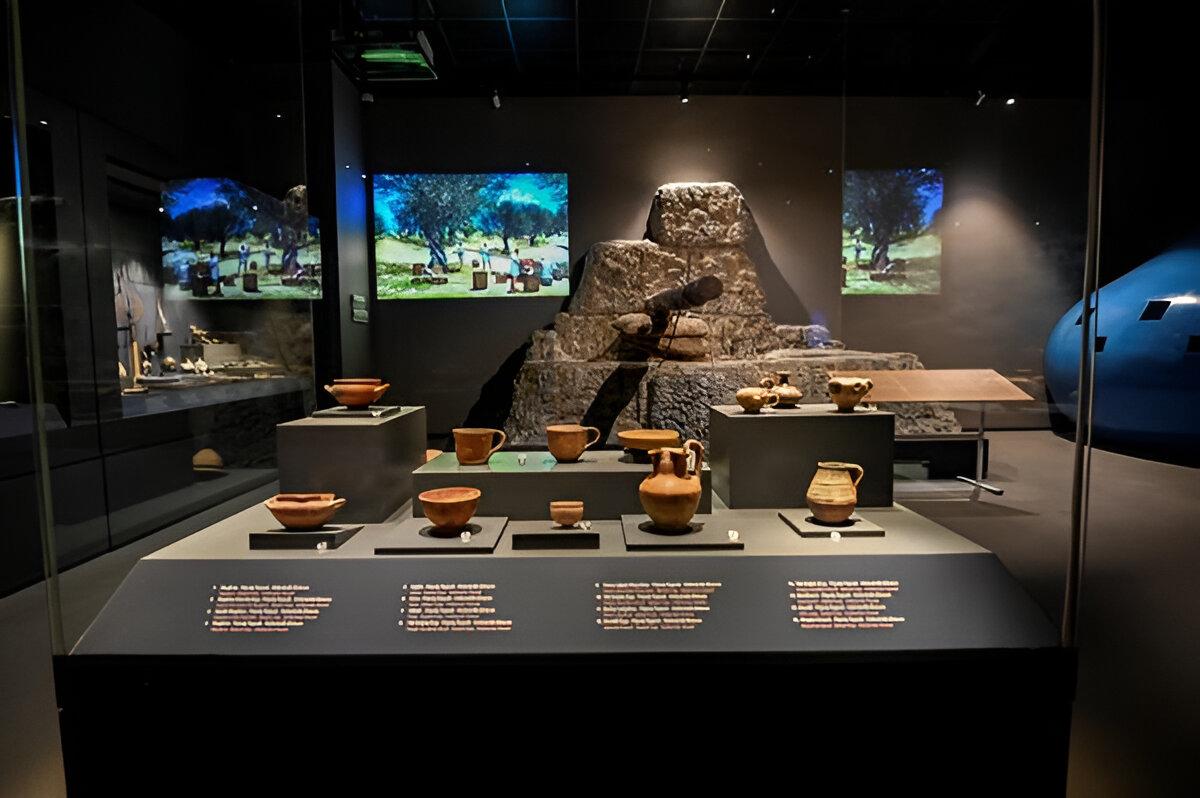
Mersin Archaeology Museum (Ministry of Culture and Tourism)
The origins of the Mersin Archaeology Museum date back to 1978 when a small section of the former Halkevi building was converted into a storage museum. In 1991, the museum was opened to the public in the northern part of the same building but soon required a new facility due to the increasing number of artifacts exceeding the available space. Although the renovated Halkevi building continued to serve for some time after 2001, it was ultimately decided to construct a modern museum building. The new museum opened in 2017 in the Yenişehir District, south of the Muğdat Mosque and near the coastline.
A total of 1,435 archaeological, ethnographic and numismatic artifacts are on display. The museum’s inventory includes 6,095 archaeological objects, 24,904 coins, 890 ethnographic items and 440 seals, amounting to 32,464 objects in total. Visitors begin their journey at the ground floor with the “Time Tunnel,” which takes them on a chronological journey from the Paleolithic Period to the Republican Era. This section displays Mersin’s geological heritage and fossils, followed by artifacts from the Neolithic, Chalcolithic and Bronze Age arranged in chronological order. The diorama “A Morning in Neolithic Cilicia,” reflecting life in the Çukurova region during the Neolithic period, and visual representations of early agricultural practices are particularly noteworthy.
On the first floor, reconstructions and finds from Yumuktepe Höyüğü, an archaeological site with a continuous settlement history of 9,000 years that has profoundly shaped Mersin’s history, are exhibited. Additionally, artifacts from the ancient city of Soli-Pompeipolis in the Mezitli District (inhabited from the 3rd millennium BCE to the end of the 6th century CE) and from Elaiussa-Sebaste in the Erdemli District (a settlement dating from the 4th century BCE to the present day, renowned for its olive oil trade) are displayed. The numismatic section offers a rich collection of gold, silver and bronze coins from the Hellenistic, Roman, Byzantine, Seljuk and Ottoman periods.
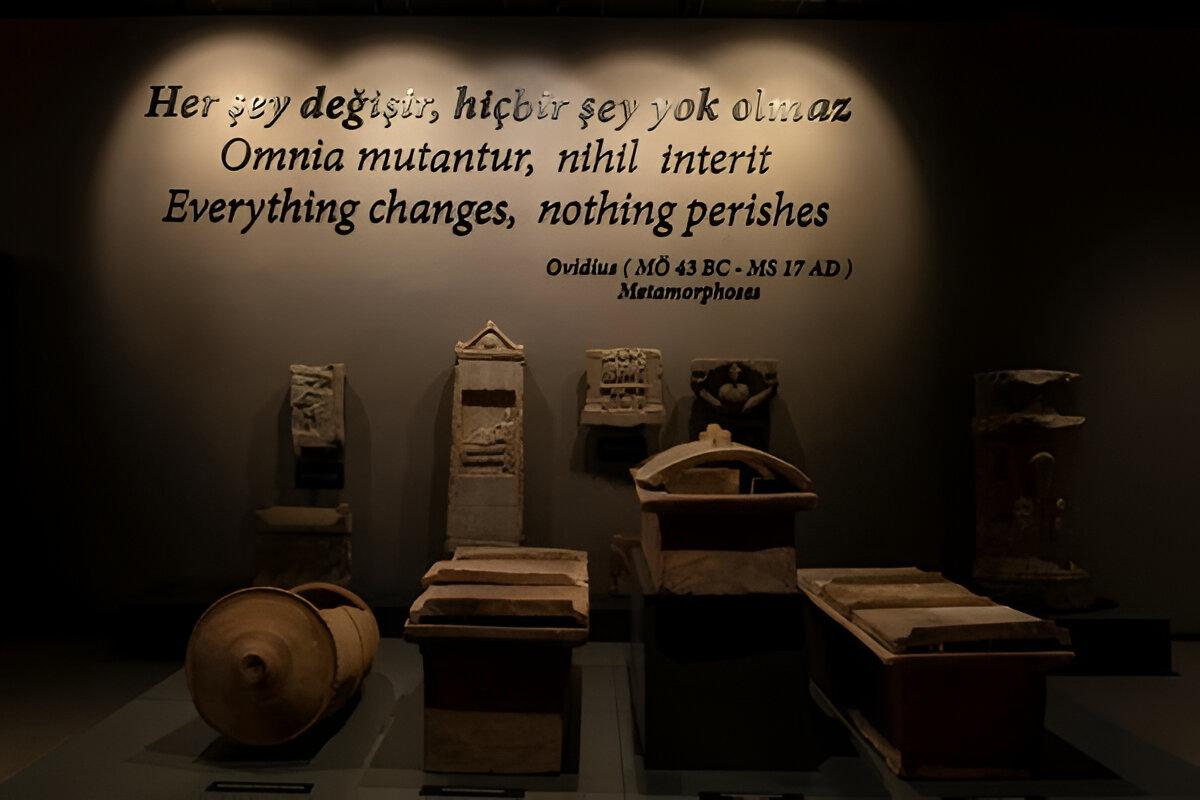
Mersin Archaeology Museum (Ministry of Culture and Tourism)
On the ground floor, funerary artifacts from the Hellenistic period attract attention, including bronze and bone plagiaulos (musical instruments), baked clay sarcophagi and relief grave stelae. On the first floor, highlights include a bronze statuette of Apollo from Soli-Pompeipolis, a triad of Dionysus-Pan-Panther statues, human-relief column capitals and carbonized seed samples from Yumuktepe Höyüğü. Other significant pieces include the Pegasus statuette dated to the 5th century BCE and the Nagidos Inscription from the Hellenistic period.
The museum also stands out for its interactive exhibition techniques. A model of an ancient olive oil production facility, an interactive underwater exhibit depicting amphorae shaped like water droplets, and a replica of the Huğ House reflecting Mersin’s traditional residential architecture provide visitors with an immersive visual experience. In the ethnographic hall, artifacts and a short documentary showcase the nomadic culture of Mersin and the Sarıkeçili Yörüks, who have lived in the Taurus Mountains since the 14th century.
The Mersin Archaeology Museum is located at Gazi Mahallesi No: 54, Yenişehir/Mersin. With its technologically enhanced exhibition approach and rich collection, the museum welcomes enthusiasts of archaeology, history and cultural heritage. Visitors exploring the history and geography of the Cilicia region can also enjoy leisure time in the dedicated play and activity areas for children.
As one of Türkiye’s exemplary models of modern museology, the Mersin Archaeology Museum serves as a bridge connecting the past to the present.
Culture and Museums General Directorate. "Mersin Müze Directorate." Accessed April 5, 2025.https://kvmgm.ktb.gov.tr/TR-44124/mersin-muze-mudurlugu.html
Kültür Portalı. "Mersin Müzesi | Kültür Portalı." Accessed April 5, 2025.https://www.kulturportali.gov.tr/turkiye/mersin/gezilecekyer/mersin-muzesi.
T.C. Ministry of Culture and Tourism, General Directorate of Museums. "Mersin Müzesi." Accessed April 5, 2025.https://muze.gov.tr/muze-detay?DistId=MRK&SectionId=MER01
Türkiye Turizm Ansiklopedisi. "Mersin Arkeoloji Müzesi." Accessed April 5, 2025.https://turkiyeturizmansiklopedisi.com/mersin-arkeoloji-muzesi

Mersin Archaeological Museum
Location | Gazi Neighborhood No: 54 Yenişehir/Mersin Türkiye | ||||||||
|---|---|---|---|---|---|---|---|---|---|
Opening Date(s) | 18 May 2017 (New Building) | ||||||||
Foundation Date | 1978 (In the Former Halkevi Building) | ||||||||
Building | Two stories including ground floor | ||||||||
Number of Exhibited Works | 1435 items (Archaeological, Ethnographic, Numismatic) | ||||||||
Total Inventory | 32,464 artifacts (6,095 archaeological, 24,904 numismatic, 890 ethnographic, 440 seals) | ||||||||
No Discussion Added Yet
Start discussion for "Mersin Archaeological Museum" article
History
Exhibition Areas and Artifacts
Notable Artifacts and Reconstructions
Location and Visit