

`ethnography` Related Article Results
 Bi
BiBilecik Museum
Bilecik Museum is an archaeology and ethnography museum located in the city center of Bilecik, Türkiye. Housed in a historical building, the museum has served various public functions in the past and now operates under the Ministry of Culture and Tourism. The structure is notable for its architectural history and functional transformation, and it hosts collections that reflect the cultural heritage of the region. History The building that houses the museum was originally constructed in 1794 as a
EN
Meltem Saraç
AsAslantorunlar Ethnography Museum
Sinop Aslantorunlar Ethnography Museum is an ethnography museum located in Aslantorunlar Mansion, which is an important example of 19th century Ottoman residential architecture. The museum was opened to visitors in 2007 and displays ethnographic works that reflect traditional Sinop lifestyle. History The museum was established by restoring a mansion built in the last quarter of the 19th century, which was donated by the Aslantorunlar family, after whom the museum is named. The building was conve
EN
Melike Saraç
BiBilecik Museum
Bilecik Museum is an archaeology and ethnography museum located in the city center of Bilecik, Türkiye, housed within a historic building. The museum building, which has served various public functions in the past, currently operates as a museum under the Ministry of Culture and Tourism. The structure is notable for its architectural history and functional transformation, and it hosts collections that reflect the cultural heritage of the region. History The museum building was constructed in 179
ENMeltem Saraç
MaManaki Brothers
Manaki Brothers, in the final period of the Ottoman Empire, were pioneering figures in photography and cinema history who operated in the Balkans. Of Ottoman subjects and ethnically Vlach (Aroman), the brothers documented the social, cultural, and political history of the Balkans through short documentary-style footage they began capturing from the early 20th century. Documentary on the Manaki Brothers (TRT 2) " youtube-video-element-format="right" youtube-video-id="Tqjg67pVeOo"> Lives Childh
EN
Duygu Şahinler
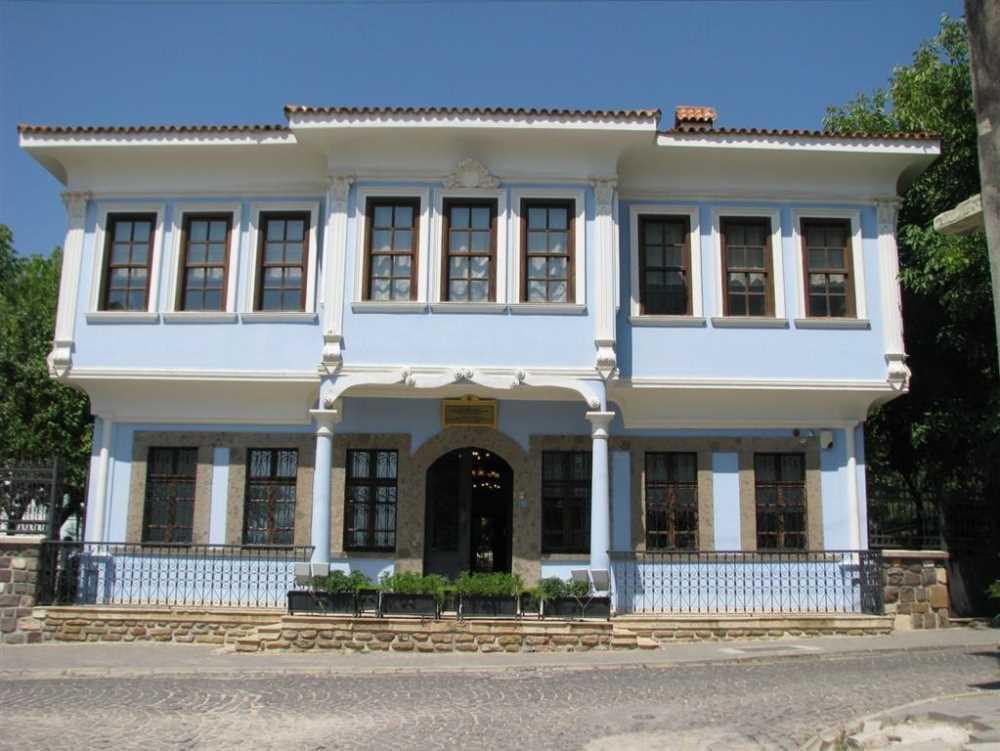
Uşak Atatürk and Ethnography Museum
The Uşak Atatürk and Ethnography Museum is housed in a historic residence where Mustafa Kemal Atatürk, the founder of the Republic of Türkiye, stayed during his visit to Uşak. It serves as a multifunctional museum dedicated to preserving the memory of Atatürk and showcasing ethnographic artifacts from the Uşak region. The building is regarded as one of the finest examples of late 19th-century Ottoman civil architecture and possesses a unique identity both architecturally and culturally. Historic
EN
Yusuf İslam Tuğla
Tokat Culture House
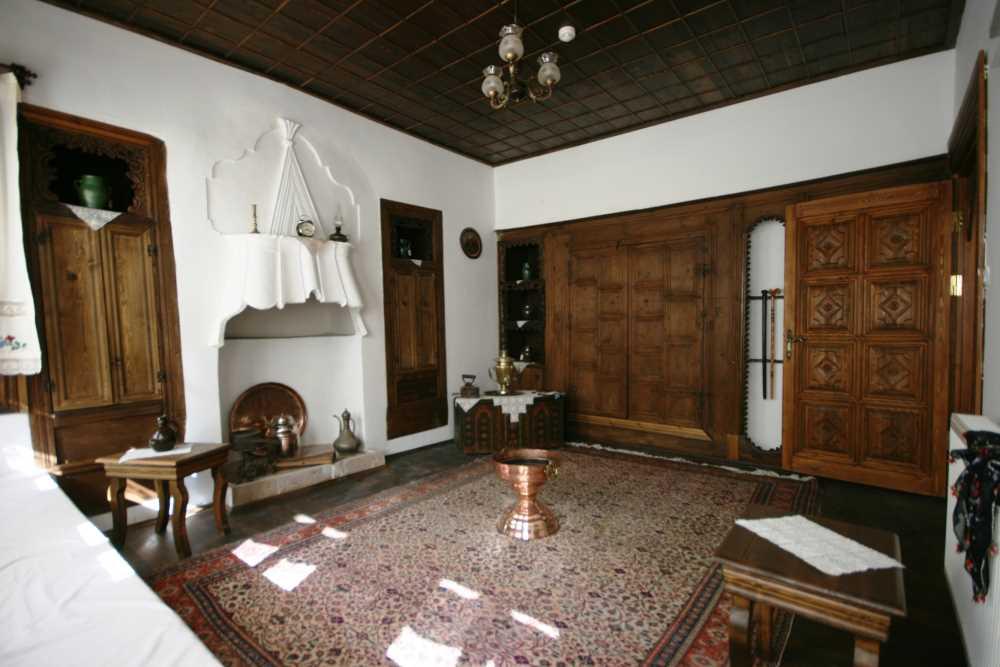
Tokat Culture House is an ethnographic space in the center of Tokat that preserves traditional Turkish domestic architecture and displays cultural elements related to folk life. The building is one of the representative examples of civil architecture reflecting Tokat’s historical urban fabric, offering visitors and researchers visual and written materials about the city’s cultural past. Location and General Characteristics Tokat Culture House is located in the center of Tokat, situated within an
ENYusuf İslam Tuğla
Amasra Museum
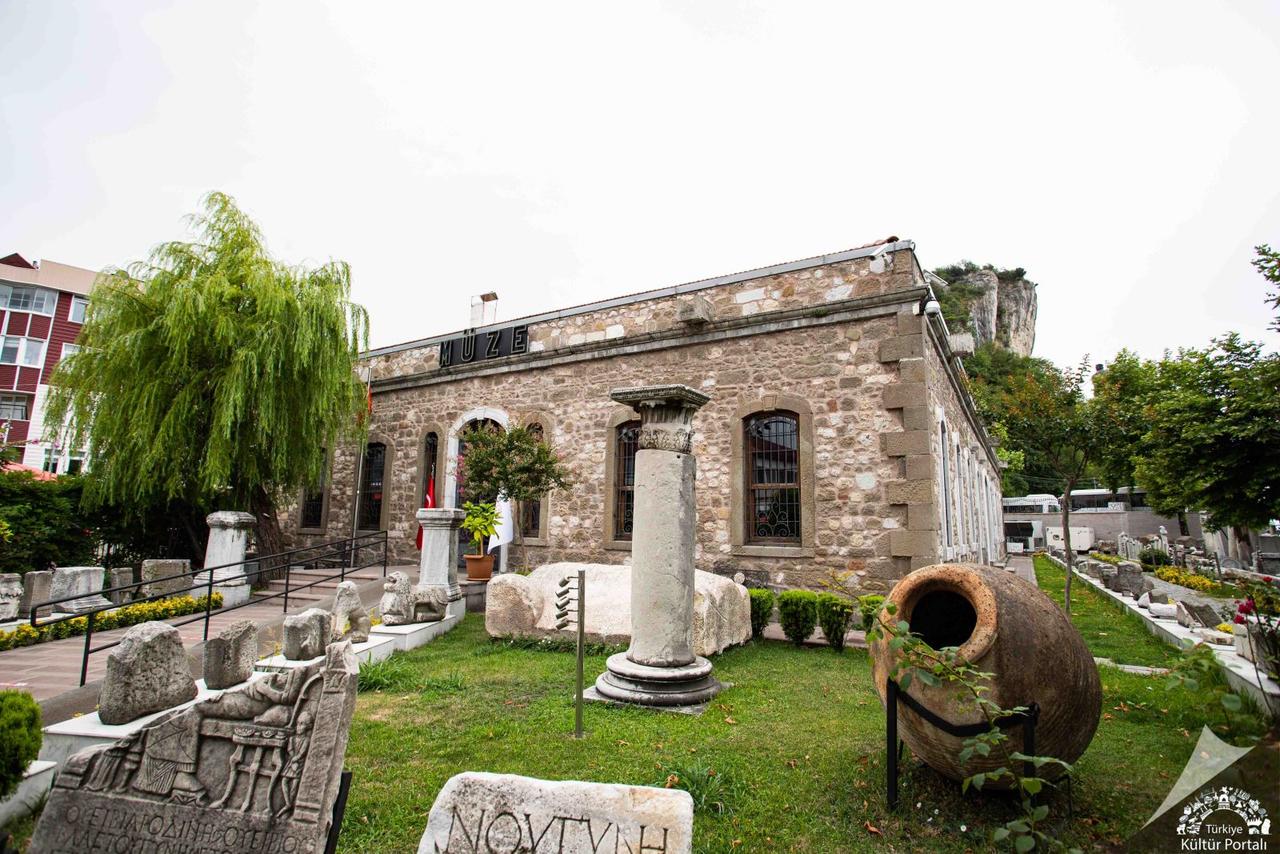
Amasra Museum is located in the district of Amasra in Bartın, on the western Black Sea coast of Türkiye. Amasra Museum (Culture Portal) " image-alternate="" image-element-format="right"> History Amasra, which has served as a home to numerous civilizations from antiquity to the present day, is a region rich in historical artifacts. This has created a clear need for systematic cultural preservation and display. The idea of establishing a museum in Amasra first emerged in the 1950s, with poet an
EN
Ahsen Güneş
Kossuth House Museum
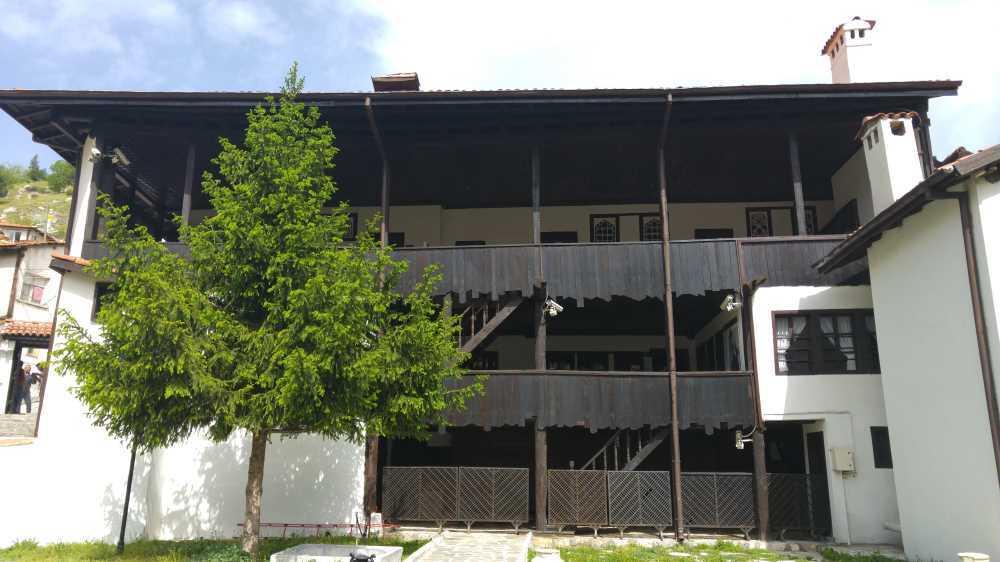
Kossuth House Museum is a historic house museum located in the Kütahya province of Türkiye, reflecting 18th-century civil architectural features. It served as the residence of Lajos Kossuth, the national hero of Hungary, during his period of exile and now functions as a symbol of Turkish-Hungarian friendship. Known locally as the "Hungarian House," the structure is recognized as one of the most significant cultural assets representing Kütahya’s history and its place in international diplomacy. H
EN
Yazgül Bulut
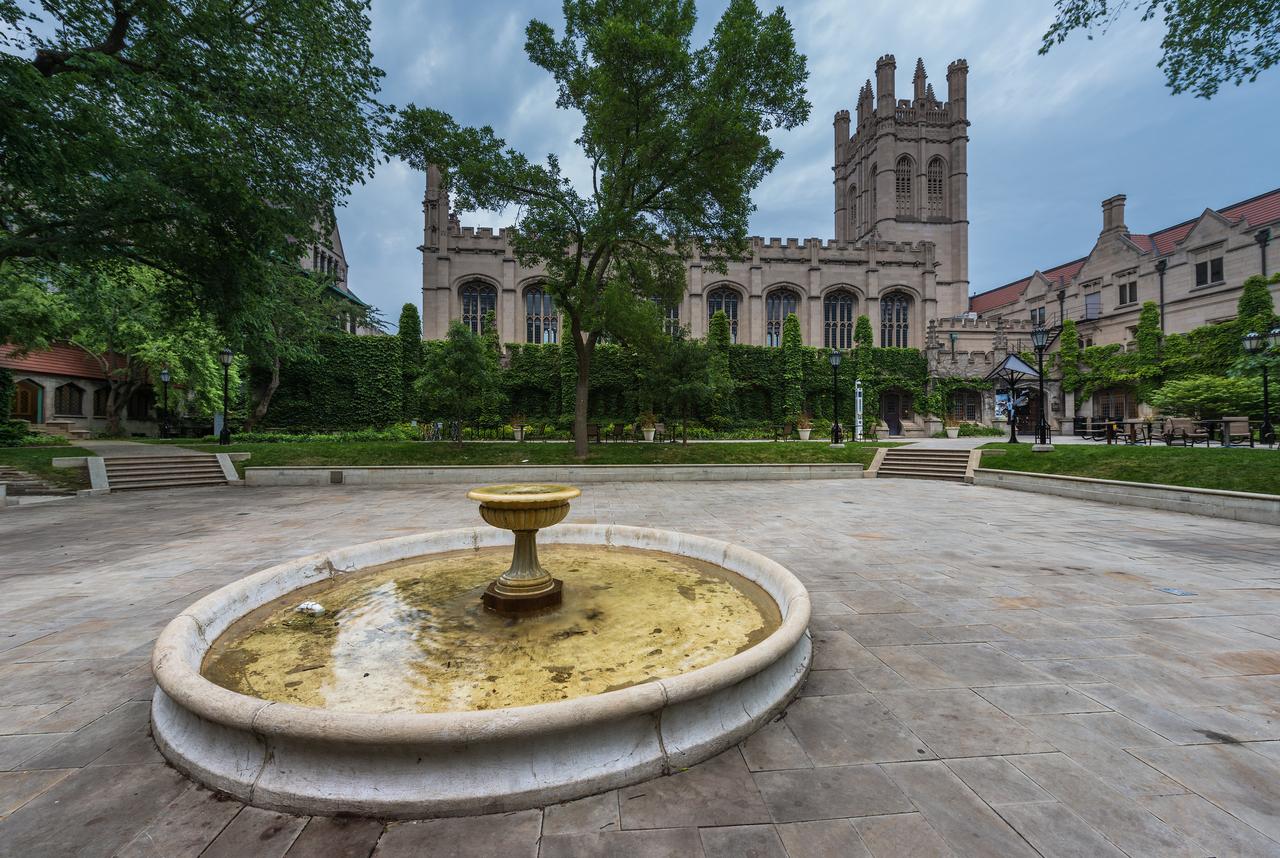
Chicago School of Sociology
Chicago School of Sociology is an academic movement recognized for its foundations in the Department of Sociology established at the University of Chicago in 1892 and especially for the urban sociology research and theoretical approaches it produced during the 1920s and 1930s. This process began with the institutionalization of sociology as an academic discipline in the United States at this university by Albion Small and reached its peak through the work of pioneering figures such as Robert E.
EN
Birgül Kayık
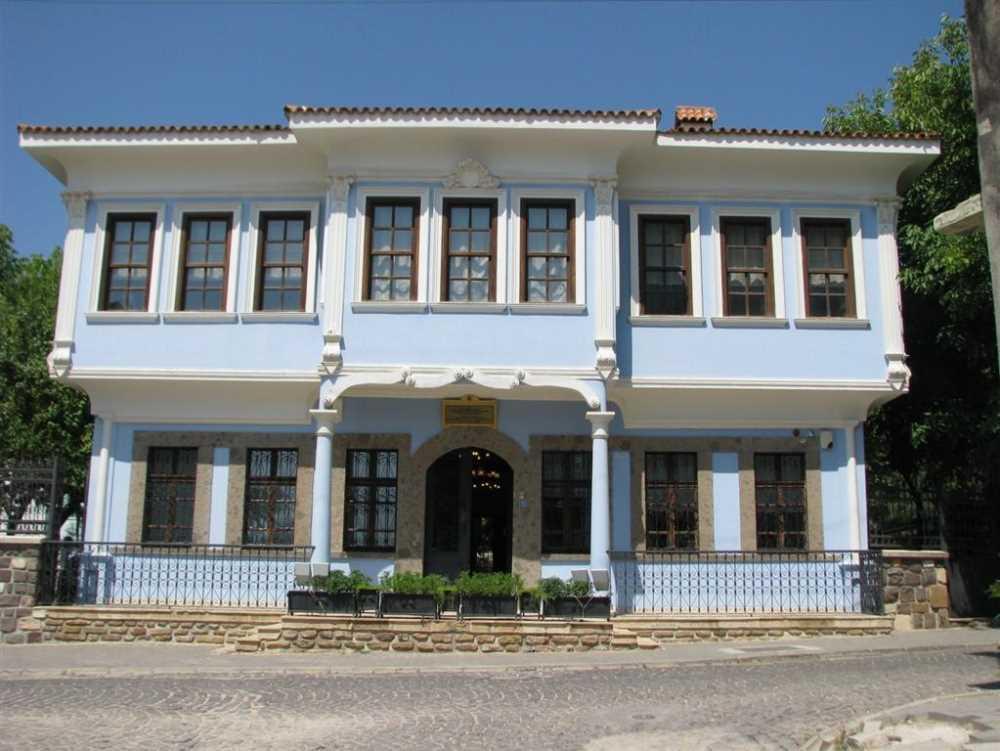
Uşak Atatürk and Ethnography Museum
The Uşak Atatürk and Ethnography Museum is housed in a historic residence where Mustafa Kemal Atatürk, the founder of the Republic of Türkiye, stayed during his visit to Uşak. It serves as a multifunctional museum dedicated to preserving the memory of Atatürk and showcasing ethnographic artifacts from the Uşak region. The building is regarded as one of the finest examples of late 19th-century Ottoman civil architecture and possesses a unique identity both architecturally and culturally. Historic
EN
Yusuf İslam Tuğla