This article was automatically translated from the original Turkish version.
+1 More
History | 27 December 1939 | ||||||||
|---|---|---|---|---|---|---|---|---|---|
Time | 02:00 (Local time) | ||||||||
Magnitude | 7.9 | ||||||||
Epicenter | Erzincan | ||||||||
Fault Line | North Anatolian Fault | ||||||||
Loss of Life | 32.968 | ||||||||
Affected Provinces | Erzincan, Sivas, Samsun, Amasya, Tokat, Ordu, Giresun, Gümüşhane, Yozgat, Tunceli | ||||||||
Climate Conditions | Winter season, temperatures reaching -30 °C and snowstorms | ||||||||
The Erzincan Earthquake was a magnitude 7.9 quake that occurred on 27 December 1939 at approximately 02:00 local time with its epicenter in Erzincan. 【1】 This devastating tremor, which took place along the North Anatolian Fault Zone, affected not only Erzincan but also the provinces of Sivas, Samsun, Ordu, Tokat and Gümüşhane, resulting in tens of thousands of casualties and widespread material losses.
The year 1939 coincided with a period of significant economic and political turbulence for the Republic of Türkiye. Although Türkiye did not formally enter World War II, it was forced to contend with the hardships imposed by a wartime economy. The conscription of a large portion of the young population severely reduced agricultural and industrial output. Inflation rose, shortages of basic consumer goods emerged, and rationing systems were introduced. These challenging socio-economic conditions intensified the destructive impact of the 1939 earthquake. The needs of the earthquake victims for food and shelter placed additional pressure on already limited state resources and infrastructure.【2】
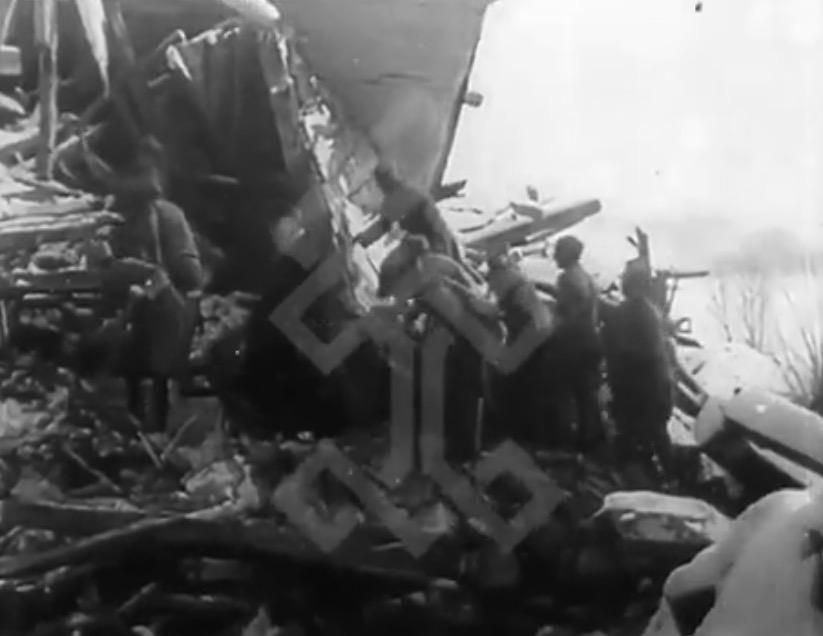
Visual of the Erzincan Earthquake (Ministry of Culture and Tourism of the Republic of Türkiye)
The 1939 Erzincan Earthquake occurred in the eastern segment of the North Anatolian Fault Zone (NAFZ), one of Türkiye’s most active fault systems. The quake generated a surface rupture approximately 330 km long and triggered a westward propagating rupture chain along the fault. This sequence led to a series of major earthquakes in subsequent years: the 1942 Niksar-Erbaa (M=7.0), 1943 Tosya-Ladik (M=7.2), 1944 Bolu-Gerede (M=7.2), 1957 Abant (M=7.1), and 1967 Mudurnu (M=6.8) earthquakes. These events constitute critical links in this rupture chain and have been essential to understanding the behavior and seismic activity of the North Anatolian Fault Zone. 【3】
The earthquake served as a catalyst for strengthening Türkiye’s network of international solidarity and assistance. Many countries, including the United Kingdom, the United States, Germany, France, Syria, Iraq and Italy, provided both in-kind and financial aid to the victims. As noted particularly in the article by Cengiz Atlı, British assistance held significant importance in the context of Turkish-British relations at the time.【4】 These international aid efforts helped mitigate the scale of the disaster and reinforced Türkiye’s position in the international community.
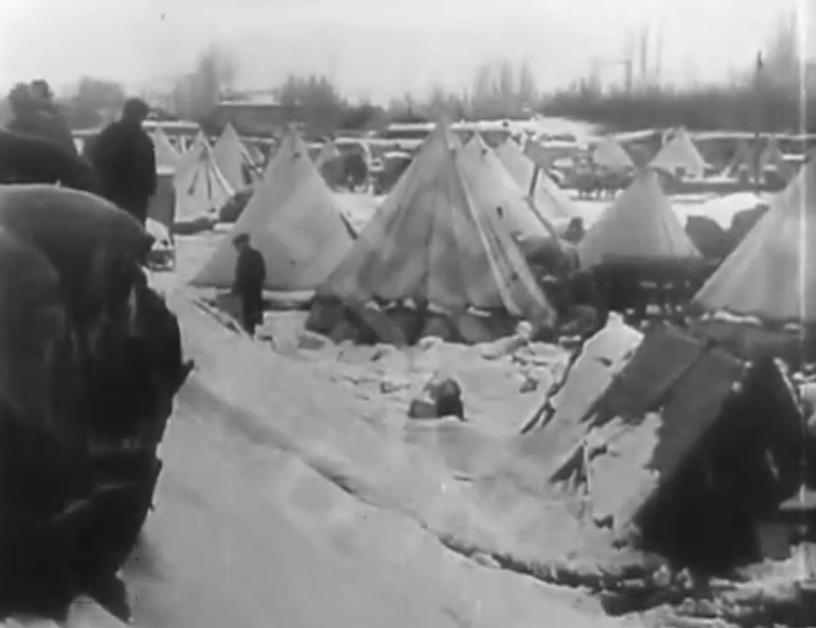
Visual of the Erzincan Earthquake (Ministry of Culture and Tourism of the Republic of Türkiye)
The earthquake caused extensive damage in Erzincan and surrounding provinces including Sivas, Amasya, Ordu, Giresun, Tokat, Gümüşhane and Tunceli. According to official figures, 32,968 people lost their lives and over 100,000 were injured. The quake completely destroyed or severely damaged 116,720 buildings. 【5】 Virtually no structures remained standing in the center of Erzincan. In addition, railways, bridges and highways were heavily damaged, rendering access for relief teams nearly impossible.
Immediately after the earthquake, the Grand National Assembly of Türkiye (TBMM) convened in an extraordinary session to enact legal measures necessary for aiding the victims.【6】 The government and the Turkish Red Crescent decided to dispatch emergency aid to the affected region.【7】 However, the severe winter conditions of the period—temperatures dropping as low as −30°C and heavy snowstorms—made rescue operations extremely difficult.
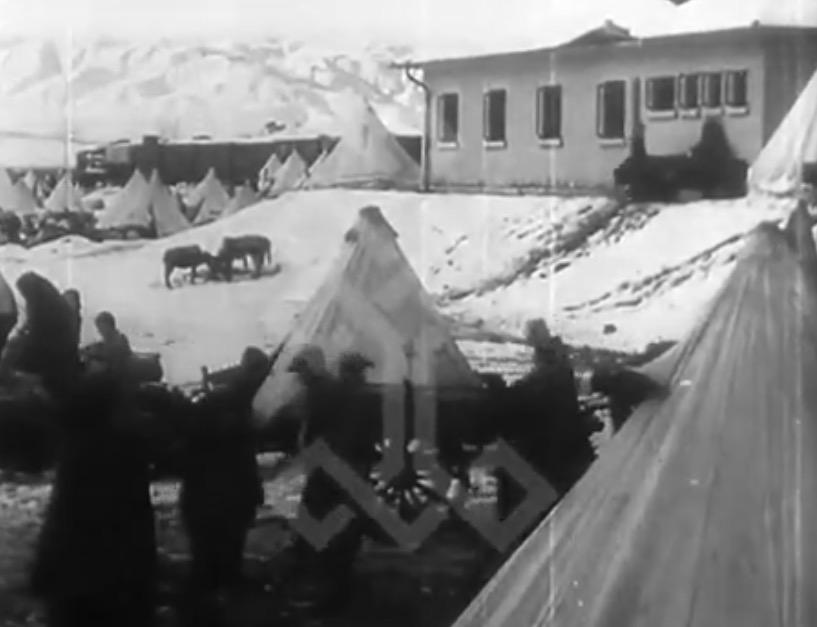
Rescue efforts were primarily carried out by surviving civilians, miners and military units. Due to the destruction of roads and bridges, relief convoys and trains struggled to reach the area. According to newspaper reports, delays in delivering aid led to increased fatalities in some villages. Injured survivors were transported days after the quake to hospitals in neighboring provinces such as Sivas, Elazığ, Malatya and Diyarbakır once roads were cleared. Tens of thousands of homeless people were temporarily housed in railway wagons and later accommodated in tents sent by the Turkish Red Crescent from surrounding provinces.【8】
The earthquake left hundreds of thousands of people in Erzincan and its surroundings homeless and triggered large-scale population movements. Survivors were forced to cope with the trauma of losing loved ones and struggled to survive under harsh winter conditions. The disaster also led to the fragmentation of families and the placement of orphaned and abandoned children under state care. Many individuals chose to migrate to safer and more habitable regions, altering the existing sociological structure.
Following the earthquake, the reconstruction of Erzincan began. Experts of the period decided to develop a new urban plan, as the old settlement lay directly on the fault line. The new city was built north of the railway line, on a geologically more stable foundation. Temporary and permanent housing was constructed using prefabricated structures imported from Austria. This reconstruction process raised Türkiye’s awareness regarding urban planning in earthquake-prone areas and laid the groundwork for future legal regulations.
Atlı, Cengiz. "1939 Depreminde İngiliz Yardımları." *Uluslararası Sosyal Araştırmalar Dergisi* 7, no. 34: 247–255. Accessed December 26, 2025.https://www.sosyalarastirmalar.com/articles/the-british-assistance-in-erzincan-earthquake.pdf
Evsile, Mehmet. "1939 Erzincan Depremi Hakkında Türkiye Büyük Millet Meclisi'nde Yapılan Görüşmeler." *Kesit Akademi Dergisi* 4, no. 1 (2018): 1–10. Accessed December 26, 2025.https://dergipark.org.tr/tr/pub/kesitakademi/issue/59838/864683
Haçin, İlhan. "1939 Erzincan Büyük Depremi." *Atatürk Araştırma Merkezi Dergisi* XXX, no. (2014): 37-70. Accessed September 10, 2025.https://atamdergi.gov.tr/tam-metin/58/tur
Ministry of Culture and Tourism of the Republic of Turkey. "Erzincan Depremi (1939)." Ministry of Culture and Tourism of the Republic of Turkey. Accessed January 28, 2026.https://filmmirasim.ktb.gov.tr/tr/film/erzincan-depremi-1939
TRT Arşiv. "Almanak - 1939 Erzincan Depremi." YouTube. Accessed December 26, 2024.https://www.youtube.com/watch?v=3moOt0QoN3U
Tuğluoğlu, Fatih. "1939 Büyük Anadolu Zelzelesi ve Erzincan Vilayetinde Yardım Faaliyetleri." *History Studies* 7, no. 4 (December 2015): 113–136. Accessed December 26, 2025.https://www.historystudies.net/dergi/1939-buyuk-anadolu-zelzelesi-ve-erzincan-vilayetinde-yardim-faaliyetleri201601.pdf
[1]
İlhan Haçin. "1939 Erzincan Büyük Depremi." Atatürk Araştırma Merkezi Dergisi 30, sy. 88 (Mart 2014): 33-72. Erişim 26 Aralık 2025. https://atamdergi.gov.tr/tam-metin/58/tur.
[2]
İlhan Haçin. "1939 Erzincan Büyük Depremi." Atatürk Araştırma Merkezi Dergisi 30, sy. 88 (Mart 2014): 33-72. Erişim 26 Aralık 2025. https://atamdergi.gov.tr/tam-metin/58/tur.
[3]
İlhan Haçin. "1939 Erzincan Büyük Depremi." Atatürk Araştırma Merkezi Dergisi 30, sy. 88 (Mart 2014): 33-72. Erişim 26 Aralık 2025. https://atamdergi.gov.tr/tam-metin/58/tur.
[4]
Cengiz Atlı. "1939 Depreminde İngiliz Yardımları." Uluslararası Sosyal Araştırmalar Dergisi 7, sy. 34: 243-255. Erişim 26 Aralık 2025. https://www.sosyalarastirmalar.com/articles/the-british-assistance-in-erzincan-earthquake.pdf.
[5]
İlhan Haçin. "1939 Erzincan Büyük Depremi." Atatürk Araştırma Merkezi Dergisi 30, sy. 88 (Mart 2014): 33-72. Erişim 26 Aralık 2025. https://atamdergi.gov.tr/tam-metin/58/tur.
[6]
Mehmet Evsile. "1939 Erzincan Depremi Hakkında Türkiye Büyük Millet Meclisi'nde Yapılan Görüşmeler." Kesit Akademi Dergisi 4, sy. 1 (2018): 29-37. Erişim 26 Aralık 2025. https://dergipark.org.tr/tr/pub/kesitakademi/issue/59838/864683.
[7]
Fatih Tuğluoğlu. "1939 Büyük Anadolu Zelzelesi ve Erzincan Vilayetinde Yardım Faaliyetleri." History Studies 7, sy. 4 (Aralık 2015): 101-119. Erişim 26 Aralık 2025. https://www.historystudies.net/dergi/1939-buyuk-anadolu-zelzelesi-ve-erzincan-vilayetinde-yardim-faaliyetleri201601.pdf.
[8]
Fatih Tuğluoğlu. "1939 Büyük Anadolu Zelzelesi ve Erzincan Vilayetinde Yardım Faaliyetleri." History Studies 7, sy. 4 (Aralık 2015): 101-119. Erişim 26 Aralık 2025. https://www.historystudies.net/dergi/1939-buyuk-anadolu-zelzelesi-ve-erzincan-vilayetinde-yardim-faaliyetleri201601.pdf.

History | 27 December 1939 | ||||||||
|---|---|---|---|---|---|---|---|---|---|
Time | 02:00 (Local time) | ||||||||
Magnitude | 7.9 | ||||||||
Epicenter | Erzincan | ||||||||
Fault Line | North Anatolian Fault | ||||||||
Loss of Life | 32.968 | ||||||||
Affected Provinces | Erzincan, Sivas, Samsun, Amasya, Tokat, Ordu, Giresun, Gümüşhane, Yozgat, Tunceli | ||||||||
Climate Conditions | Winter season, temperatures reaching -30 °C and snowstorms | ||||||||
No Discussion Added Yet
Start discussion for "Erzincan Earthquake (27 December 1939)" article
Turkey’s Situation and International Context Before the Earthquake
North Anatolian Fault Zone and Rupture Chain
International Relief Efforts
Casualties and Destruction
Rescue and Relief Operations: Military and Civil Solidarity
Social Impact and Reconstruction