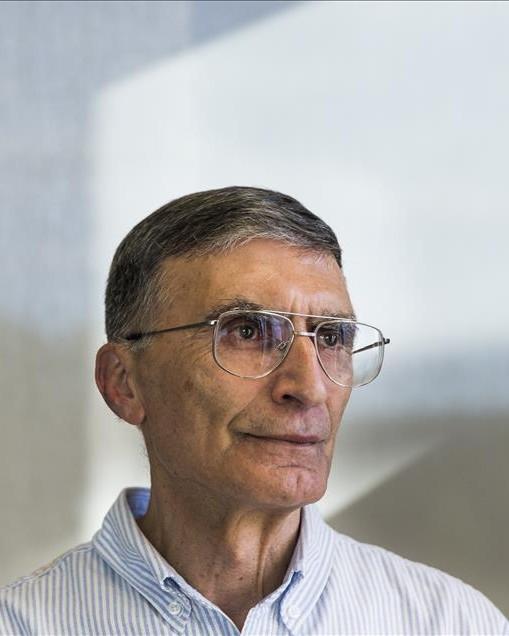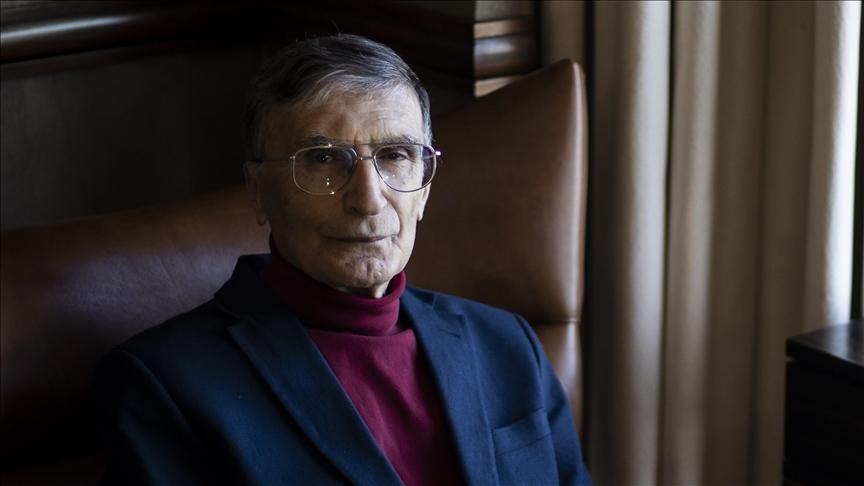
+2 More

Spouse | Prof. Dr. Gwen Boles Sancar | ||||||||
|---|---|---|---|---|---|---|---|---|---|
Birth | 8 September 1946 | ||||||||
Place of Birth | Savur Mardin Türkiye | ||||||||
Field | Molecular Biology Biochemistry | ||||||||
Education | University of Texas Yale University School of Medicine Istanbul University Faculty of Medicine | ||||||||
Title | Professor of Biochemistry and Biophysics Prof. Dr. | ||||||||
Place of Work | University of North Carolina Chapel Hill (USA) | ||||||||
Nobel Prize | 2015 Nobel Prize in Chemistry | ||||||||
Foundation | Aziz & Gwen Sancar Foundation (Carolina Turkish House) | ||||||||
Prof. Dr. Aziz Sancar (born 8 September 1946, Savur, Mardin) is a Turkish scientist biochemist molecular biologist and academic. He is among the leading figures in modern molecular biology due to his pioneering research in DNA repair cell cycle biological clocks and cancer therapy. In 2015 he was awarded the Nobel Prize in Chemistry jointly with Paul Modrich and Tomas Lindahl for their mechanistic studies of DNA repair.
Sancar continues his research as a faculty member in the Department of Biochemistry and Biophysics at the University of North Carolina at Chapel Hill School of Medicine in the United States.
Documentary on Aziz Sancar (Prof. Dr. Aziz Sancar)
Aziz Sancar was born on 8 September 1946 in the district of Savur in Mardin as the seventh child of a farming family with eight children. His father Abdulgani Sancar worked in agriculture while his mother Meryem Sancar despite being illiterate was deeply committed to her children’s education. From an early age she instilled in them the value of learning by repeatedly telling them they must read and study and played a decisive role in ensuring all her children received higher education.
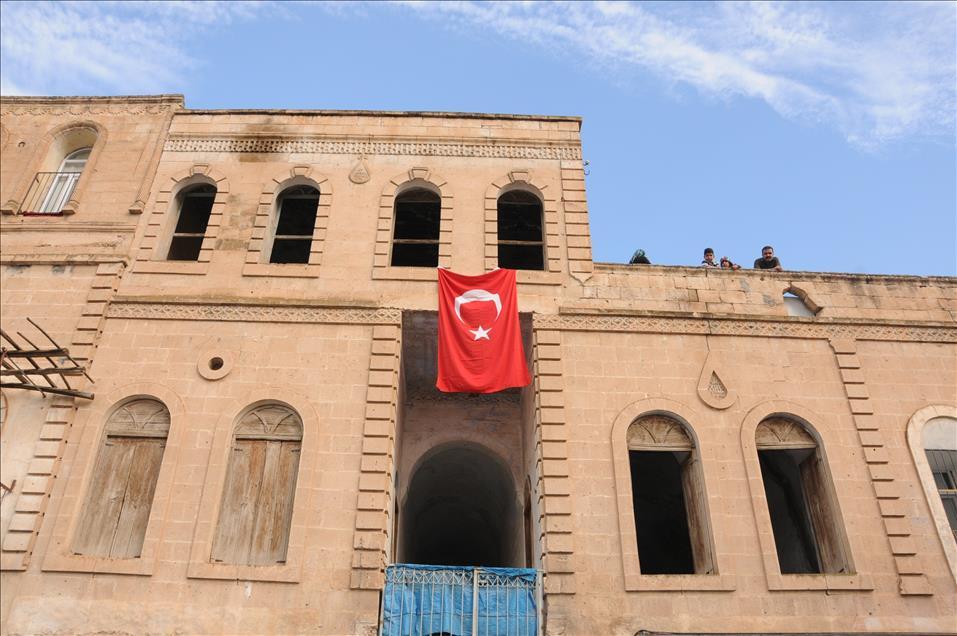
The House Where Aziz Sancar Was Born – Mardin (Anadolu Ajansı)
Sancar’s childhood unfolded in a small garden surrounded by almond walnut and plum trees in the rural setting of Mardin. The harsh conditions of rural life instilled in him strong values of diligence and discipline from an early age. Spending most of his days working in the fields with his father and siblings Sancar came to associate the blooming trees of spring in his hometown with paradise.
The family lived in modest economic conditions. However the family’s unwavering commitment to education shaped Sancar’s life path. His eldest brother Kenan Sancar rose to the rank of brigadier general in the Turkish Armed Forces and served as a model of work ethic and perseverance for his younger brother. Aziz Sancar learned to read and write from this elder brother at the age of five and upon entering primary school was already far ahead of his classmates.
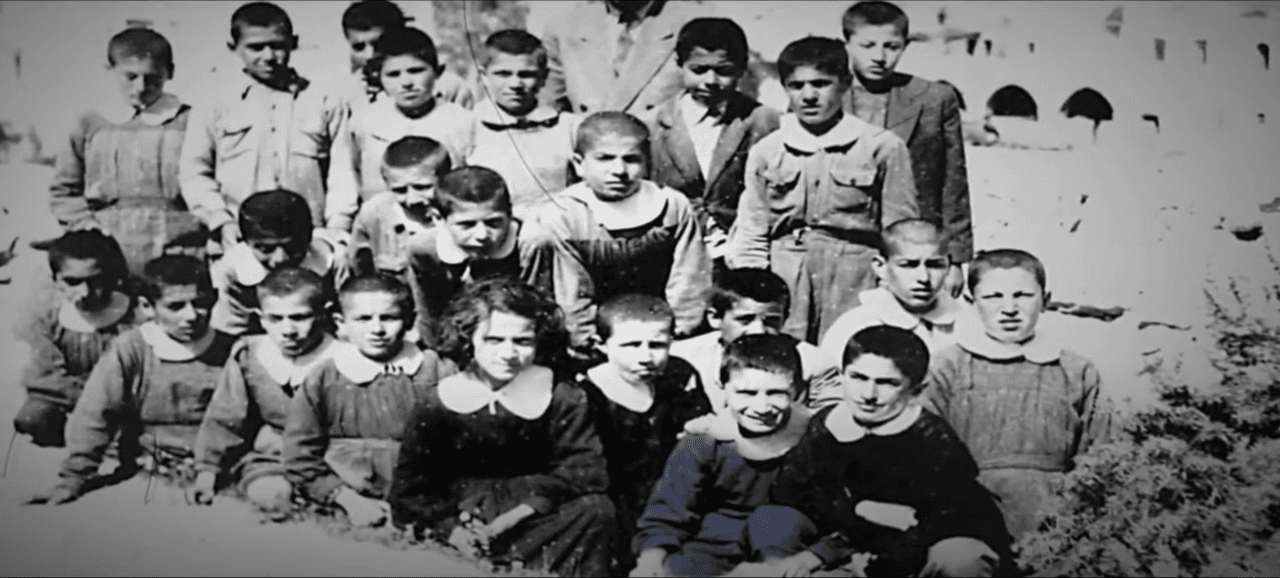
Aziz Sancar’s Primary School Years (Ministry of National Education)
Sancar has stated that during his early education he particularly enjoyed mathematics chemistry Turkish and French. During high school his teacher Melahat Şahinoğlu inspired him to pursue science a passion that would guide his lifelong scientific journey.
Sancar completed his secondary education at Mardin High School where he excelled in the sciences while also serving as the goalkeeper for the school football team. Although invited to try out for Turkey’s national under-18 football team he chose to focus on his academic goals and abandoned football.
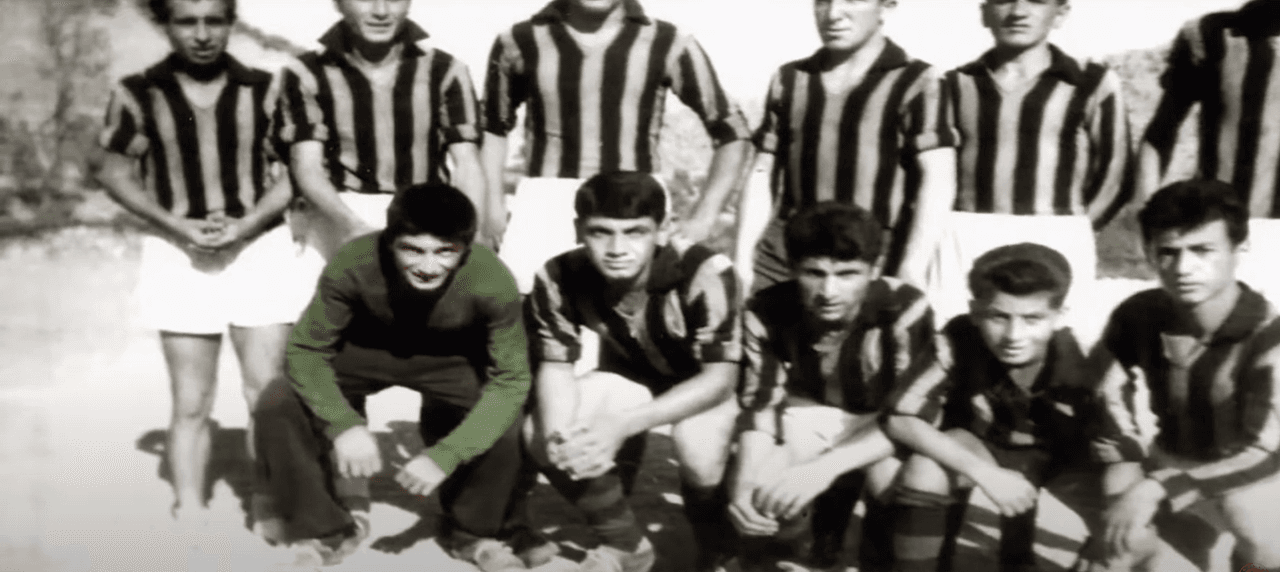
Aziz Sancar’s Football Years (Ministry of National Education)
In 1963 Sancar enrolled at the Istanbul University Faculty of Medicine. Moving from a small Anatolian town to one of the country’s most prestigious medical schools marked a major cultural and academic turning point for him. Interacting with students from diverse ethnic and religious backgrounds broadened his worldview. During his student years Sancar devoted himself entirely to his studies avoiding entertainment and social activities which he later described as years of intense discipline.
Biochemistry lectures particularly captivated him. Learning about the double helix structure of DNA in his second year became a life-changing turning point.
After graduation he expressed his desire to pursue academic research to his professors notably Prof. Mutahhar Yenson. His mentor advised him to first gain clinical experience. Taking this advice to heart Sancar returned to his hometown and practiced medicine for two years. He graduated first in his class in 1969.
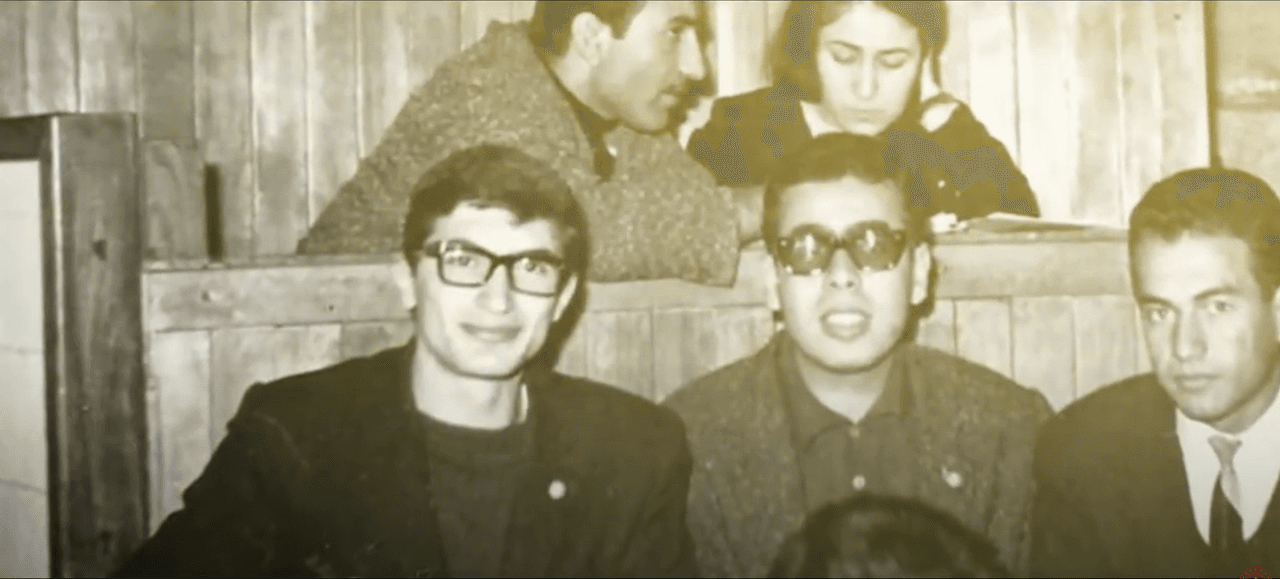
Aziz Sancar’s Years at Istanbul University Faculty of Medicine (Ministry of National Education)
After graduation Aziz Sancar returned to his hometown of Savur where he initially provided free medical care from his home. He was then appointed by the Ministry of Health as the chief physician in the village of Sürgücü. During this time he traveled to remote villages to deliver medical services and was often the first doctor many villagers had ever seen. It is known that he devoted a significant portion of his income to purchasing medicine and toys for children.
He described this period as 【1】 the happiest years of his life. Yet medical practice did not satisfy his scientific curiosity. He decided to return to the laboratory to understand the biological processes underlying disease.
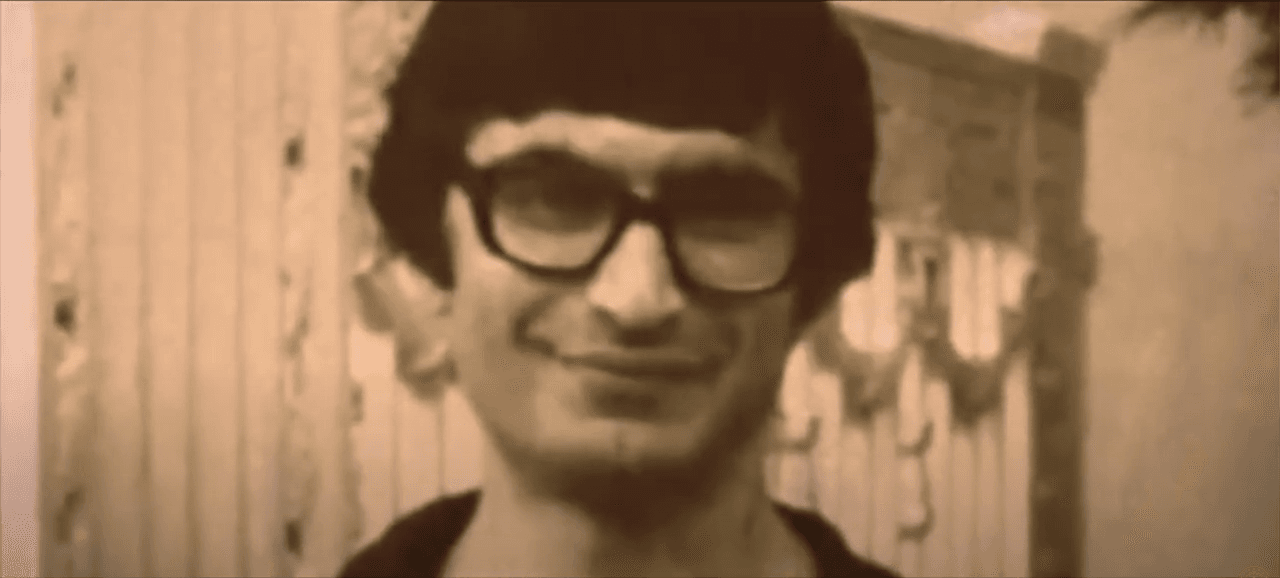
Aziz Sancar’s Years as a Physician in His Hometown Savur (Ministry of National Education)
In 1971 Sancar won a TÜBİTAK-NATO scholarship and traveled to Johns Hopkins University to pursue a doctorate in biochemistry. However due to language and adaptation difficulties he left the program and returned to Türkiye. In 1973 he resumed his academic work at the University of Texas at Dallas (UTD) under the supervision of Prof. Claud S. Rupert.
Rupert was the scientist who discovered the enzyme photolyase in 1958. Sancar used molecular cloning techniques to isolate the photolyase (phr) gene in E. coli bacteria to explain how the enzyme absorbs light and repairs DNA. The cloning of this gene illuminated the molecular mechanism of DNA repair enzymes. This work is regarded as foundational to the field of DNA repair research.
During this period Sancar faced severe financial hardship. He lived in the laboratory for long stretches and without a scholarship he slept in the lab and showered using the fire hose. He devoted all his time and energy to his scientific work. In 1977 he completed his doctoral thesis marking a lasting contribution to the scientific community.
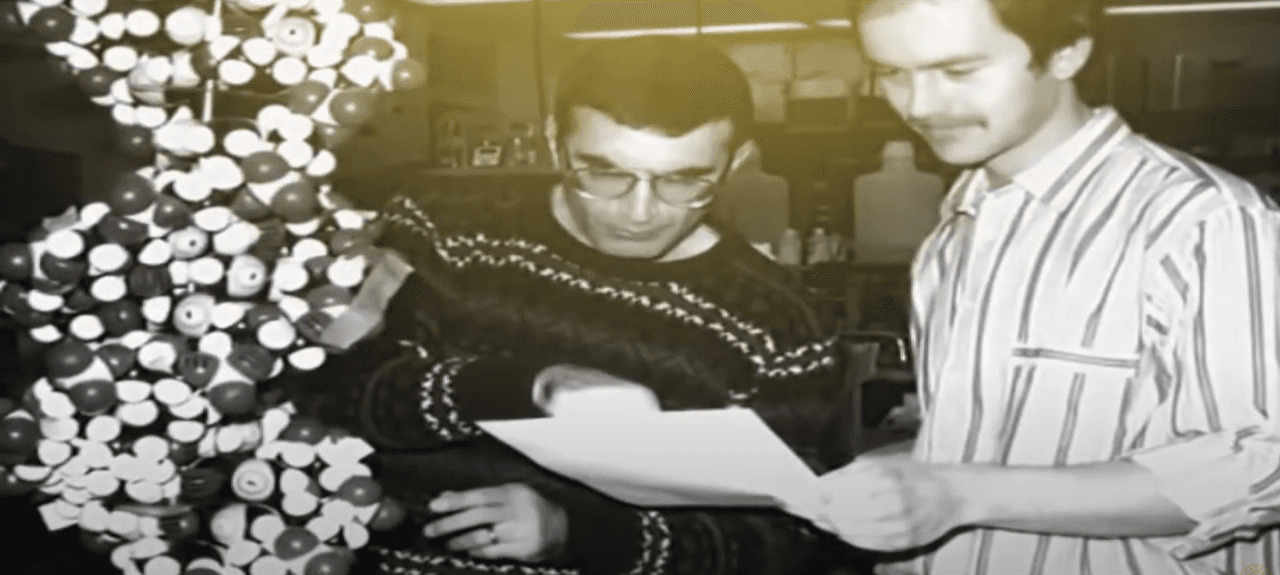
Aziz Sancar’s Early Years in the United States (Ministry of National Education)
From 1977 to 1982 Sancar continued his research at the Yale University School of Medicine focusing on nucleotide excision repair. He developed a method called “Maxicell” which simplified the identification of proteins encoded by plasmids. This method became widely used in molecular biology during the 1980s. During the same period he cloned the bacterial genes UvrA UvrB and UvrC involved in DNA repair and identified the proteins they encoded.
In 1982 his experiments demonstrated that damaged regions of DNA are repaired through a double-strand excision mechanism. He developed the ABC excinuclease model to explain this process. This discovery became a fundamental reference in DNA repair research.
In 1982 Aziz Sancar joined the faculty of the University of North Carolina at Chapel Hill together with his wife Gwen Boles Sancar and established his own laboratory. He demonstrated that the photolyase enzyme carries two distinct chromophores (FADH– and MTHF) one of which collects light like an antenna while the other carries out the repair reaction.
These studies were regarded as the culmination of over four decades of photolyase research and were fully characterized in a landmark 2011 publication detailing every step of the mechanism.
Documentary on Aziz Sancar (Ministry of National Education)
In the mid-1980s Sancar turned his attention to the relationship between DNA repair and transcription. He investigated how RNA polymerase influences repair at damaged DNA sites and identified a protein he named the Transcription-Repair Coupling Factor (TRCF). This discovery revealed that DNA repair is not merely a genetic process but a mechanism coordinated with cellular functions. Sancar described this work as “my most aesthetically pleasing scientific research.”
In the early 1990s Sancar led efforts to map DNA repair in human cells. In 1991 he demonstrated that a 27-base-pair segment of human DNA is excised via a double-strand mechanism proving that the bacterial repair process has a counterpart in humans. In 1994 the journal Science named DNA repair the “Molecule of the Year.”
In later work he mapped DNA repair regions in the human genome at single-nucleotide resolution and named this map the “Piri Reis Map.” This approach opened new horizons in chemotherapy and cancer biology research.
In 1996 when sequences similar to the photolyase gene were discovered in the human genome Sancar proposed that these genes might have a new light-related function. His research confirmed that these genes encode the cryptochromes (CRY1 CRY2) which regulate the biological clock. This discovery illuminated the genetic basis of circadian rhythms in mammals.
This finding revealed connections between the biological clock and cancer development cell repair and drug efficacy. Sancar’s team demonstrated that both DNA repair and cellular responses to chemotherapy vary according to the time of day strengthening the scientific foundation of “chronotherapy.”
Aziz Sancar’s Student Years and Scientific Work (TRT News)
Sancar has received numerous national and international awards for his scientific contributions. His principal honors include:
Aziz Sancar was awarded the 2015 Nobel Prize in Chemistry for his long-term research elucidating the molecular mechanisms of DNA repair. The prize was presented on 10 December 2015 in Stockholm by King Carl XVI Gustaf of Sweden.
Sancar donated his Nobel Prize medal and certificate to the Anıtkabir Atatürk and War of Independence Museum. The medal and certificate are currently on display at Anıtkabir.
Aziz Sancar Receiving the Nobel Prize (Prof. Dr. Aziz Sancar)
Throughout his career Aziz Sancar has published over 400 scientific papers and more than 30 book chapters. His research has brought significant innovations to the fields of DNA repair photoreactivation transcription-coupled repair biological clock genes and cancer biology. His findings have contributed to the understanding of fundamental biological mechanisms governing the cell cycle and genetic stability.
Sancar was the first Turkish scientist elected to the U.S. National Academy of Sciences in 2005 and became a full member of the Turkish Academy of Sciences in 2006. Alongside his scientific productivity he exemplifies an academic demeanor that inspires young researchers.
Together with his wife Prof. Gwen Boles Sancar he founded the Aziz & Gwen Sancar Foundation and established the Carolina Turkish House to support Turkish students in the United States. This institution has become both a cultural center for Turkish students and a symbol of strengthened academic ties between the two countries.
Aziz Sancar married American biochemistry professor Gwen Boles Sancar in 1995. The couple worked together for many years at the University of North Carolina at Chapel Hill where they met. Gwen Sancar has conducted research in cell biology and DNA repair and has supported Aziz Sancar in many of his scientific projects. After converting to Islam Gwen Boles Sancar adopted the name Güven.
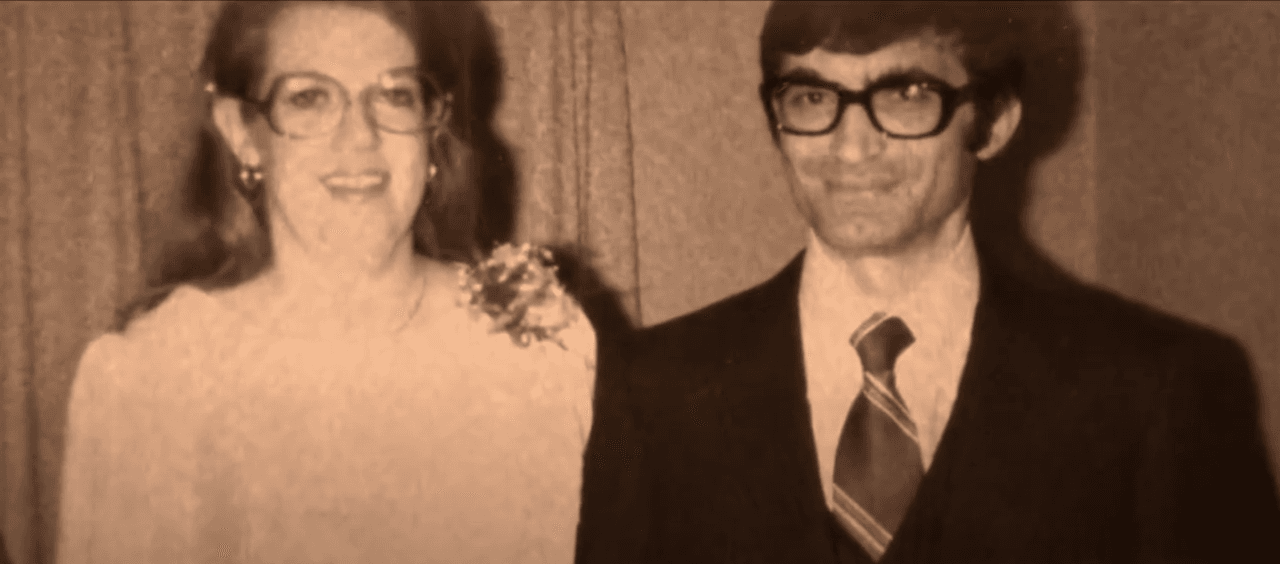
Aziz Sancar and His Wife Gwen Boles Sancar – 1978 (Ministry of National Education)
Aziz Sancar’s life story is the tale of a determined scientist who rose from a rural Anatolian village to the global stage of science. Discipline patience and devotion to science form the foundation of both his personal achievements and his contributions to Türkiye’s scientific heritage.
Sancar’s research on DNA repair and the biological clock has created a lasting transformation in biochemistry genetics and medicine strengthening the scientific basis of cancer treatment strategies. Today he remains an active researcher continuing to inspire new generations through his scientific curiosity and passion for teaching.
Anadolu Ajansı. "Sancar'ın Nobel ödülü alması." Accessed October 6, 2025.https://www.aa.com.tr/tr/pg/foto-galeri/nobel-odullu-sancar-duygularini-aa-ile-paylasti
Anadolu Ajansı. "Sancar'ın Nobel ödülü alması." Accessed October 6, 2025.https://www.aa.com.tr/tr/pg/foto-galeri/sancarin-dogup-buyudugu-ilcede-sevinc-var
Anadolu Ajansı. “Nobel Başarısının Arkasındaki 'Ana Türk' Desteği.” Accessed October 6, 2025.https://www.aa.com.tr/tr/yasam/nobel-basarisinin-arkasindaki-ana-turk-destegi/580504
Anadolu Ajansı. “Nobel Ödüllü Aziz Sancar: Türkiye’nin 2’nci Yüzyılı İçin En Çok Bilime İhtiyacımız Var.” Accessed October 6, 2025.https://www.aa.com.tr/tr/cumhuriyetin-yuzuncu-yili/nobel-odullu-aziz-sancar-turkiyenin-2nci-yuzyili-icin-en-cok-bilime-ihtiyacimiz-var/3034265
Daily Sabah. “Aziz Sancar: Turkish Nobel Laureate for Science.” Accessed October 6, 2025.https://www.dailysabah.com/arts/portrait/aziz-sancar-turkish-nobel-laureate-for-science
Düşünce Dergisi. "Aziz Sancar: Bilim Her Türlü Baskıdan Uzaklık İster." Düşünce Dergisi, Year 6, Issue 10 – Üniversite, 2019. Accessed October 6, 2025.https://dusuncedergisi.com.tr/sayi-10-universite/aziz-sancar-bilim-her-turlu-baskidan-uzaklik-ister
Kültür ve Yaşam. "Aziz Sancar’ın Oscar’lara Yaraşır Hayat Hikayesi." Halkbank. Accessed October 6, 2025.https://kulturveyasam.com/aziz-sancarin-oscarlara-yarasir-hayat-hikayesi/
Millî Eğitim Bakanlığı. “Aziz Sancar, Nobel'e uzanan bilim yolculuğunun her adımını içindeki 'Türkiye'yle yürüdü...” YouTube. Accessed October 6, 2025.https://www.youtube.com/watch?v=oDvearIcpQU
Pehlivanoğlu, Burçin, Anıl Aysal, Sibel Demir Keçeci, Sümeyye Ekmekçi, İbrahim Halil Erdoğdu, Onur Ertunç, Betül Gündoğdu, Canan Kelten Talu, Yasemin Şahin, and Muhammed Hasan Toper. “A Nobel-Winning Scientist: Aziz Sancar and the Impact of his Work on the Molecular Pathology of Neoplastic Diseases.” *Turkish Journal of Pathology* 37, no. 2 (2021): 93–105. Accessed October 6, 2025.https://turkjpath.org/text.php?id=1943
Prof. Dr. Aziz Sancar. “2015.12.10 Aziz Sancar 2015 Nobel Ödülü sahibi.” YouTube. Accessed October 6, 2025.https://www.youtube.com/watch?v=apMUro5jD7w
Prof. Dr. Aziz Sancar. “2016.05.24 - Aziz Sancar - Bilimin Sonsuzluğunda bir Hayat - Belgesel.” YouTube. Accessed October 6, 2025.https://www.youtube.com/watch?v=lLbDbHPdWA0
Rengâhenk Dergisi. "Prof. Dr. Aziz Sancar: ‘Çalıştığımız ve Ürettiğimiz Sürece Üstün Olacağız.’" Rengâhenk Dergisi, Year 14, 2021/4, no. 52, pp. 58–61. Accessed October 6, 2025.https://www.kocav.org.tr/2023/07/19/rengahenk-52/
Savaş, Hasan Basri. “Mardinli İki Büyük Tıp Doktoru: Prof. Dr. Aziz Sancar ve Prof. Dr. Murat Dilmener.” *International Journal of Mardin Studies*, 5(2), pp. 91–103. Accessed October 6, 2025.https://dergipark.org.tr/tr/pub/ijms/issue/87949/1494894
The Aziz & Gwen Sancar Foundation. "About Us." Accessed October 6, 2025.https://sancar.org/about-us/
The Nobel Prize. "Aziz Sancar Biographical." Accessed October 6, 2025.https://www.nobelprize.org/prizes/chemistry/2015/sancar/biographical/
The Nobel Prize. "Aziz Sancar Facts." Accessed October 6, 2025.https://www.nobelprize.org/prizes/chemistry/2015/sancar/facts/
Türkiye Bilimler Academy (TÜBA). "TÜBA Şeref Member Prof. Dr. Aziz Sancar Wins 2015Nobel Kimya in Chemistry." Accessed October 6, 2025.https://www.tuba.gov.tr/tr/haberler/akademiden-haberler/tuba-seref-uyesi-prof.-dr.-aziz-sancar-2015-nobel-kimya-odulunu-kazandi
Türkiye Bilimler Akademisi (TÜBA). "Aziz Sancar." Şeref Üyeleri. Accessed October 6, 2025.https://www.tuba.gov.tr/tr/uyeler/tum-uyeler/seref-uyeleri/aziz-sancar
Türkiye Bilimler Akademisi (TÜBA). "TÜBA Şeref Üyemiz Aziz Sancar Ödülünü Aldı." Accessed October 6, 2025.https://www.tuba.gov.tr/tr/haberler/akademiden-haberler/tuba-seref-uyemiz-aziz-sancar-odulunu-aldi
Türkiye Bilimler Akademisi (TÜBA). "TÜBA Şeref Üyesi Prof. Dr. Aziz Sancar MTA’ya Seçildi." Accessed October 6, 2025.https://www.tuba.gov.tr/tr/haberler/akademiden-haberler/tuba-seref-uyesi-prof.-dr.-aziz-sancar-mtaya-secildi
Ulupınar, Emel. “Aziz Sancar.” *Osmangazi Tıp Dergisi*, Türk Tıbbına Hizmet Veren Bilim İnsanları Özel Sayısı, December 2023, pp. 97–110. Accessed October 6, 2025.https://dergipark.org.tr/tr/pub/otd/issue/81186/1395771#article_cite
Üsküdar Üniversitesi. "Aziz Sancar." Accessed October 6, 2025.https://uskudar.edu.tr/aziz-sancar
[1]
Millî Eğitim Bakanlığı. “Aziz Sancar, Nobel'e uzanan bilim yolculuğunun her adımını içindeki "Türkiye"yle yürüdü...” Youtube. Erişim 6 Ekim 2025. 2.10-2.22 dk. https://www.youtube.com/watch?v=oDvearIcpQU

Spouse | Prof. Dr. Gwen Boles Sancar | ||||||||
|---|---|---|---|---|---|---|---|---|---|
Birth | 8 September 1946 | ||||||||
Place of Birth | Savur Mardin Türkiye | ||||||||
Field | Molecular Biology Biochemistry | ||||||||
Education | University of Texas Yale University School of Medicine Istanbul University Faculty of Medicine | ||||||||
Title | Professor of Biochemistry and Biophysics Prof. Dr. | ||||||||
Place of Work | University of North Carolina Chapel Hill (USA) | ||||||||
Nobel Prize | 2015 Nobel Prize in Chemistry | ||||||||
Foundation | Aziz & Gwen Sancar Foundation (Carolina Turkish House) | ||||||||
Early Life and Family
University Years
Medical Practice (1969–1971)
Doctoral Studies and Photolyase Research
Yale University and Discoveries in DNA Repair
University of North Carolina and the Resolution of Photoreactivation
Transcription-Coupled Repair and the TRCF Factor
DNA Repair in Human Cells and the “Piri Reis Map”
Cryptochromes and Research on the Biological Clock
Awards
The Nobel Prize and Subsequent Work
Scientific Contributions and Publications
Role in the Scientific Community and Contributions
Personal Life