

`molecular-biology` Related Article Results
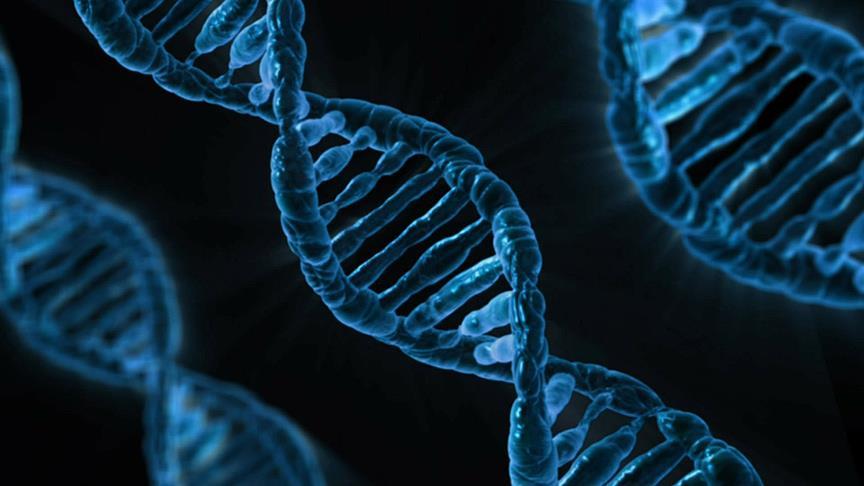
Deoksiribonükleik Asit (DNA)
Deoxyribonucleic acid (DNA) is the biomolecule responsible for storing and transmitting genetic information in living organisms. DNA consists of two long polynucleotide chains. Each chain is composed of repeating nucleotide units, which include a phosphate group, a five-carbon sugar called deoxyribose, and one of four nitrogenous bases: adenine (A), thymine (T), guanine (G), or cytosine (C). DNA consists of two antiparallel strands held together by hydrogen bonds between complementary bases: ade
EN
Betül Sena Kırval
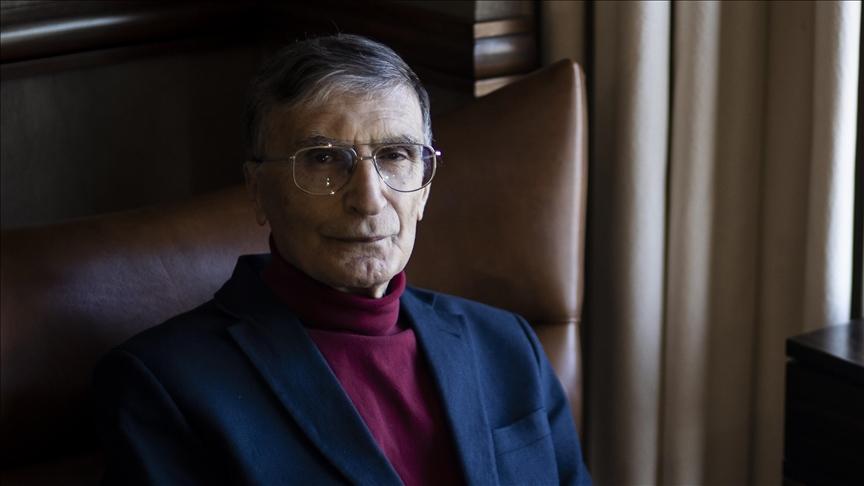
Aziz Sancar
Prof. Dr. Aziz Sancar (born 8 September 1946, Savur, Mardin) is a Turkish scientist biochemist molecular biologist and academic. He is among the leading figures in modern molecular biology due to his pioneering research in DNA repair cell cycle biological clocks and cancer therapy. In 2015 he was awarded the Nobel Prize in Chemistry jointly with Paul Modrich and Tomas Lindahl for their mechanistic studies of DNA repair. Sancar continues his research as a faculty member in the Department of Bioch
EN
Yusuf Bilal Akkaya
Cell Culture
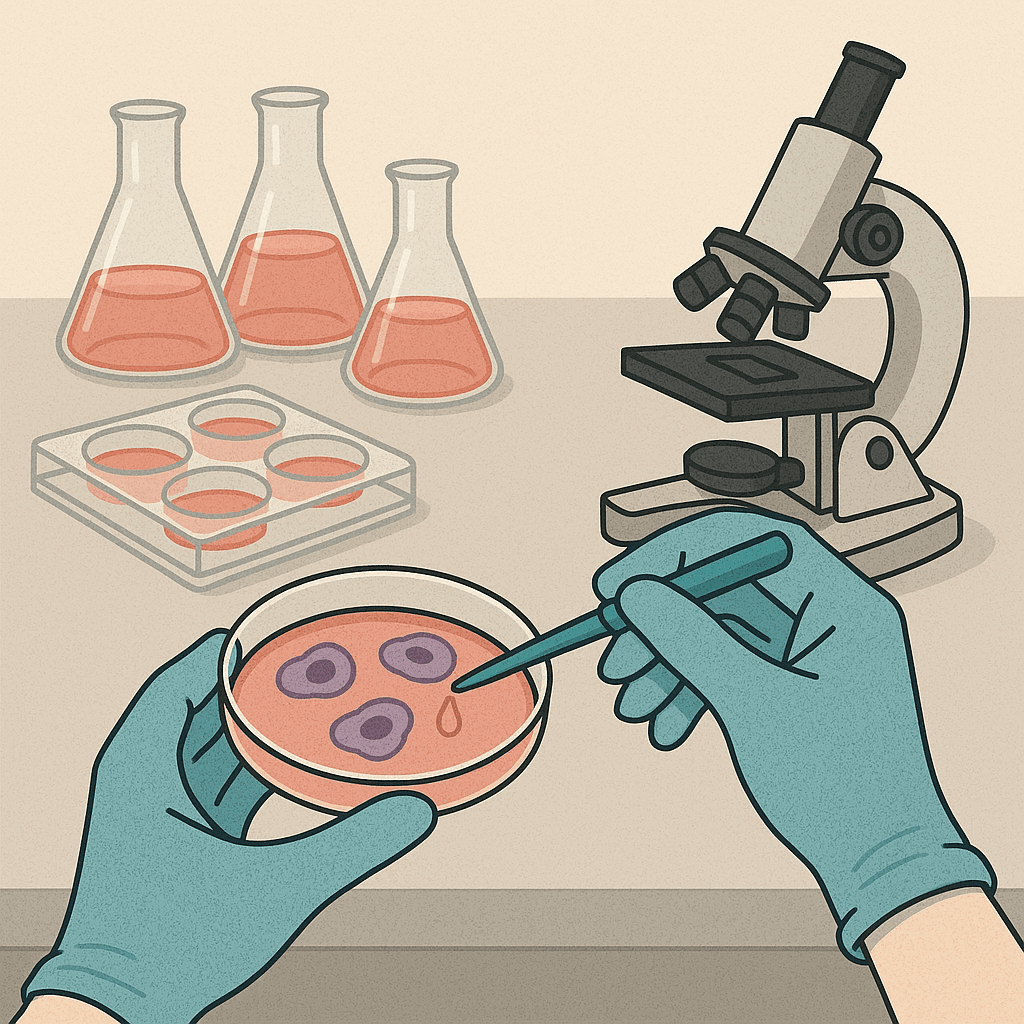
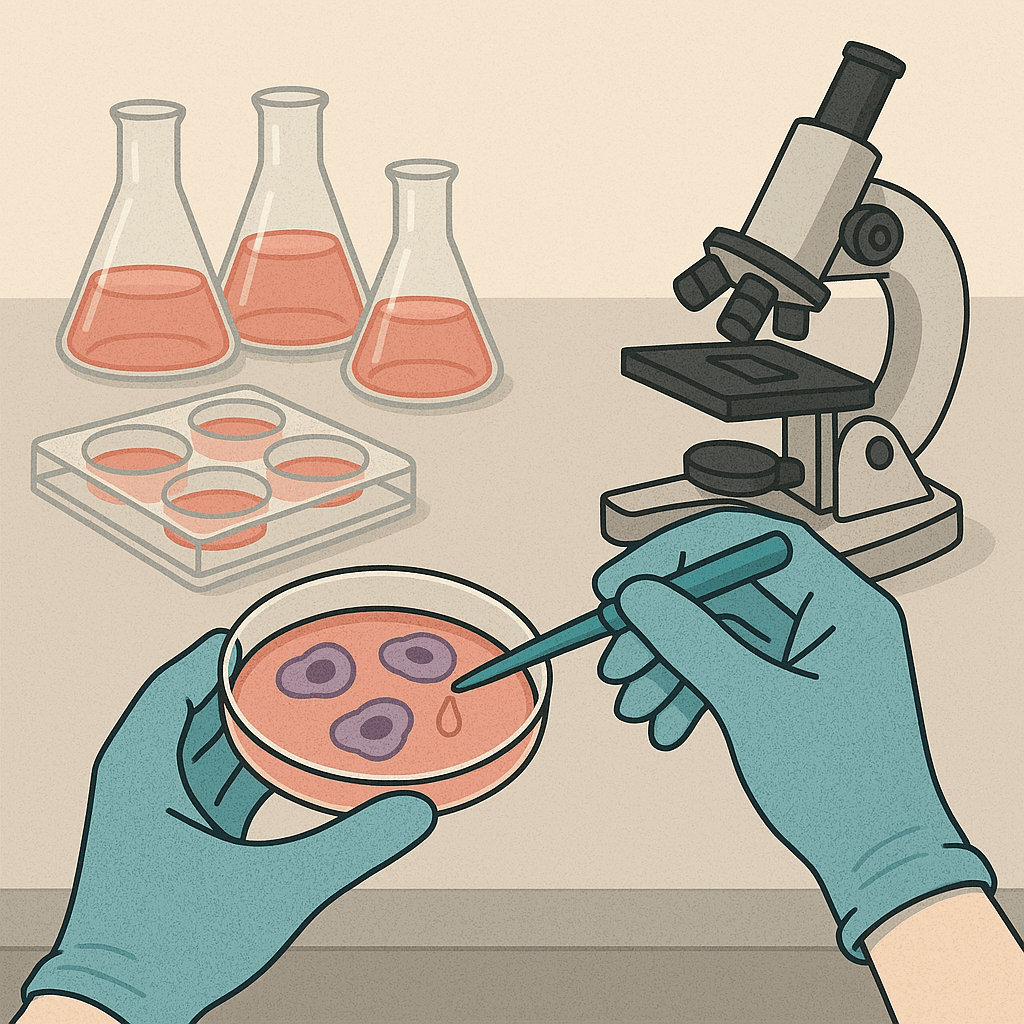
Cell culture is the process of growing and multiplying cells derived from living organisms under controlled laboratory conditions. This technical, used as a common in Modern biotechnology and medical research, has made significant importance in numerous fields including drug development, cancer research, and texture engineering like. A scientist performing cell culture in a laboratory environment. (Generated by artificial intelligence.) " image-alternate="" image-element-format="right"> Basic
EN
Kazım Can Özdemir
CRISPR-Cas System
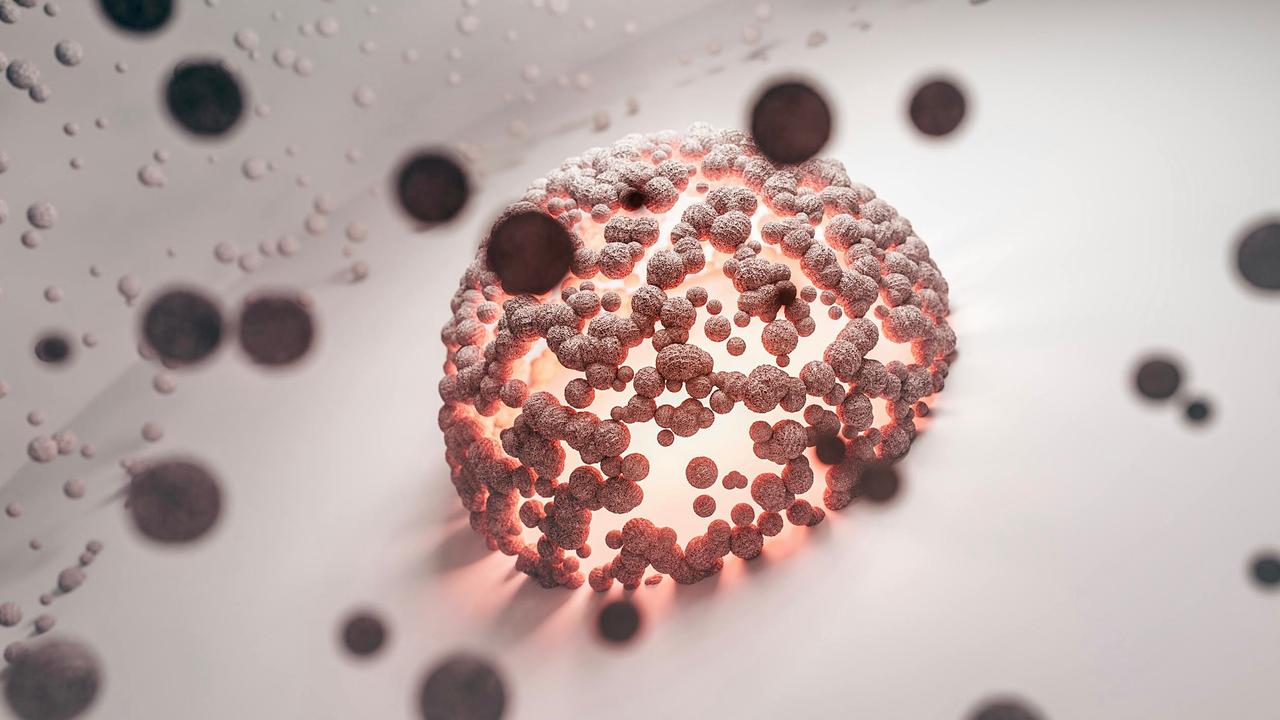
The CRISPR-Cas system is an immune mechanism used by bacteria and archaea to defend against viruses. In recent years, it has become a transformative tool in the field of gene editing revolution. CRISPR (Clustered Regularly Interspaced Short Palindromic Repeats) are sequences found in the genomes of microorganisms. These sequences contain genetic material derived from viruses (bacteriophages) previously encountered by the bacteria. CRISPR sequences work with Cas (CRISPR-associated) proteins to re
ENİrem Yüce
 Bi
BiBiomedical engineering
Bioengineering is a multidisciplinary engineering field that applies engineering approaches to medicine and biology. Centered on living systems, its goal is to resolve all problems threatening life and to utilize all available opportunities to promote biological development. Bioengineering reinterprets chemical, agricultural, electricity-electronic and mechanical like engineering approaches according to the needs of living systems and encompasses a very broad range of applications. Research on h
ENFatma Beyza Şahin
James Dewey Watson
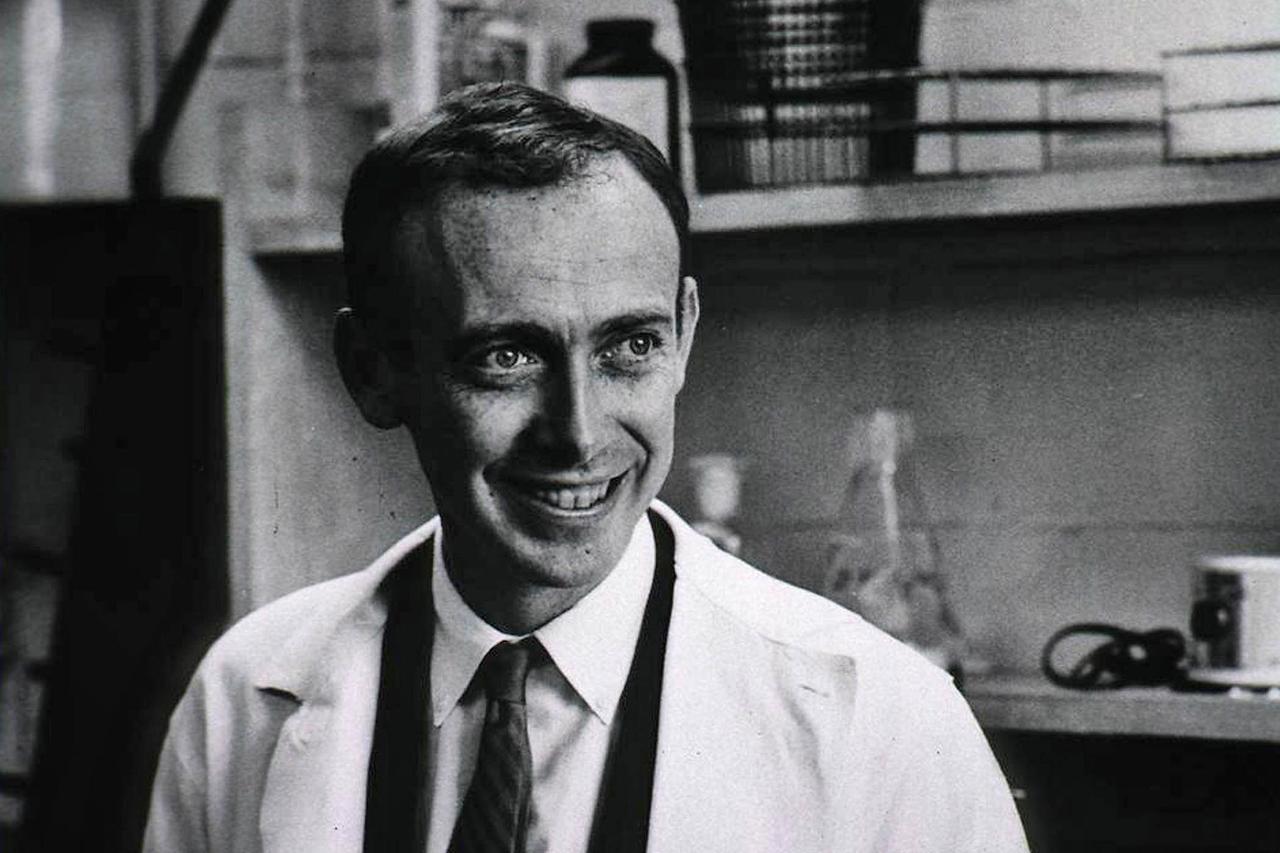
James Dewey Watson is an American biologist and geneticist who, together with Francis Crick, discovered the double helix structure of DNA. This discovery, published in 1953, laid the foundation for modern genetics by explaining the chemical structure of hereditary information. In 1962, he shared the Nobel Prize in Physiology or Medicine with Maurice Wilkins. Throughout his career, Watson held positions at Harvard University, the California Institute of Technology, and the Cold Spring Harbor Labo
EN
Edanur Karakoç
Bioengineering
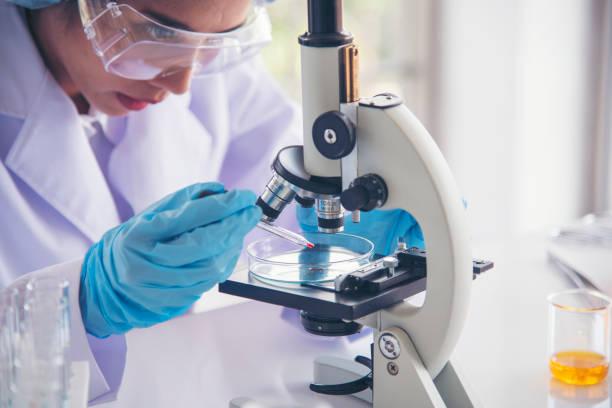
Bioengineering is a multidisciplinary field that brings engineering principles to medicine and biology. It focuses on living systems and aims to solve problems that threaten the health and life of living beings, while also exploring opportunities for their development. Bioengineering covers a wide range of areas because it incorporates insights from various engineering disciplines, such as chemistry, agriculture, electrical and mechanical engineering. It particularly involves studies related to
ENFatma Beyza Şahin
Cell Culture
Cell culture is the process of growing and multiplying cells obtained from living organisms under controlled laboratory conditions. This technique, widely used in modern biotechnology and medical research, plays a crucial role in many fields including genetic studies, drug development, cancer research, and tissue engineering. A scientist performing cell culture in a laboratory environment. (Generated by artificial intelligence.) " image-alternate="" image-element-format="right"> Fundamental P
ENKazım Can Özdemir